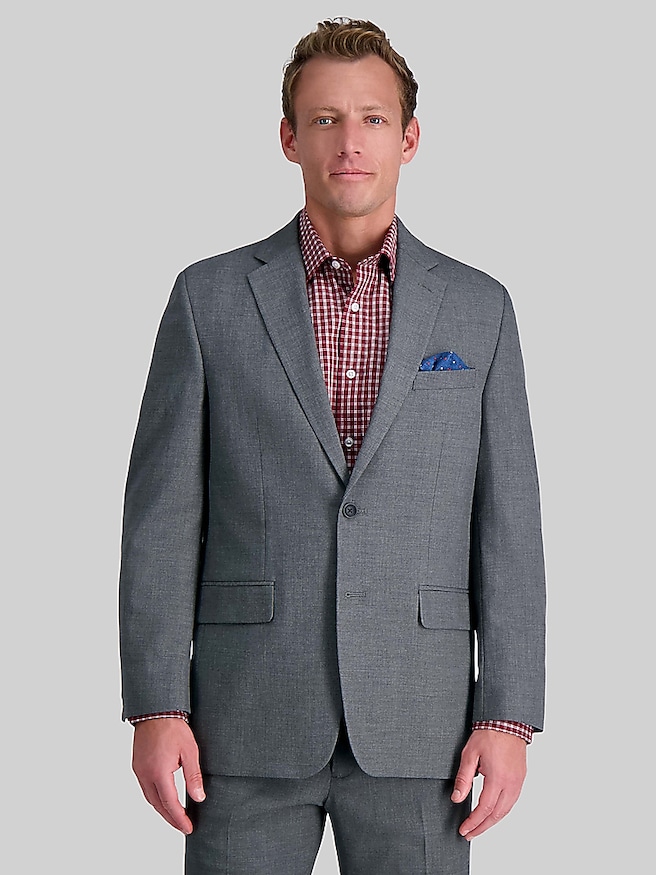
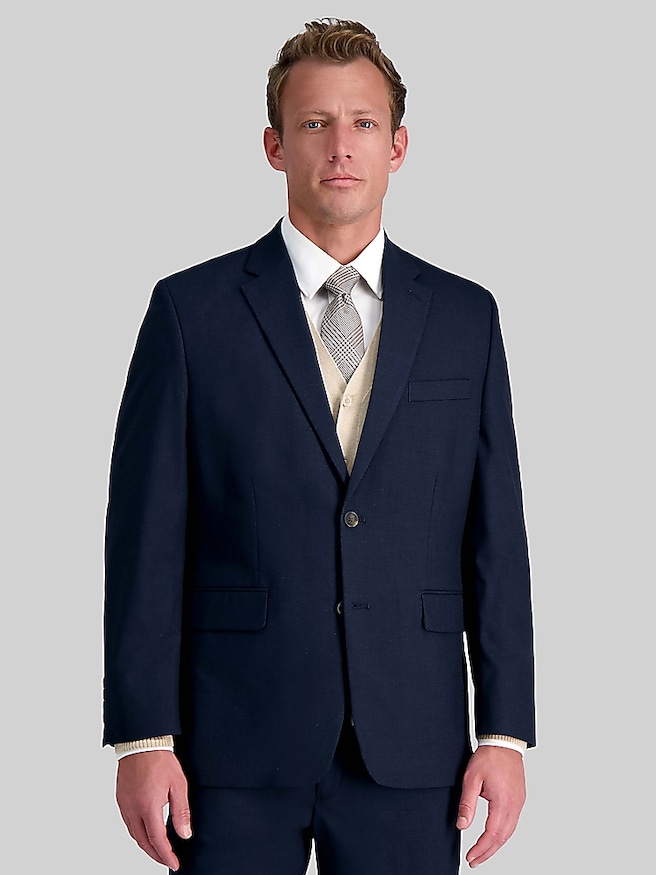
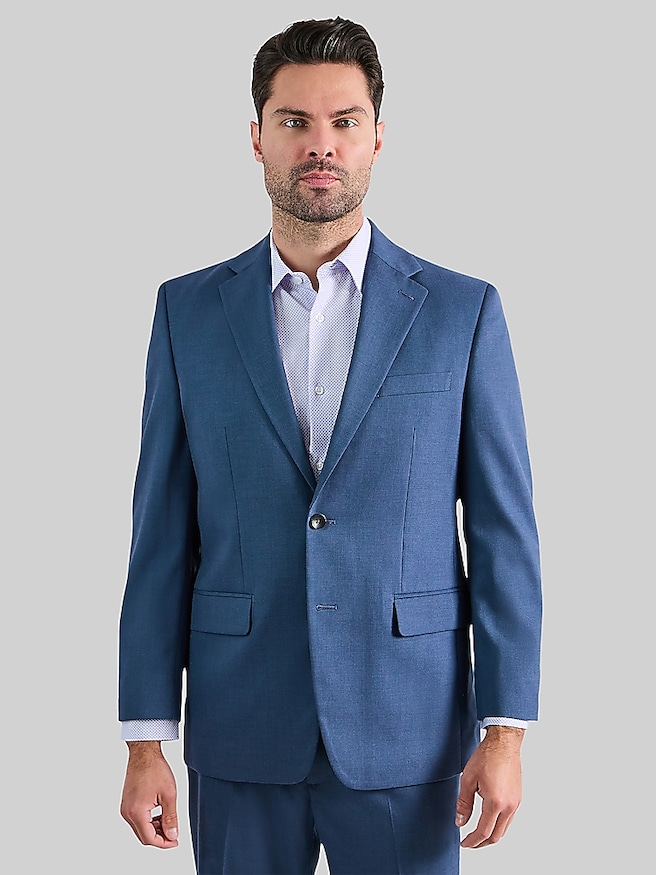
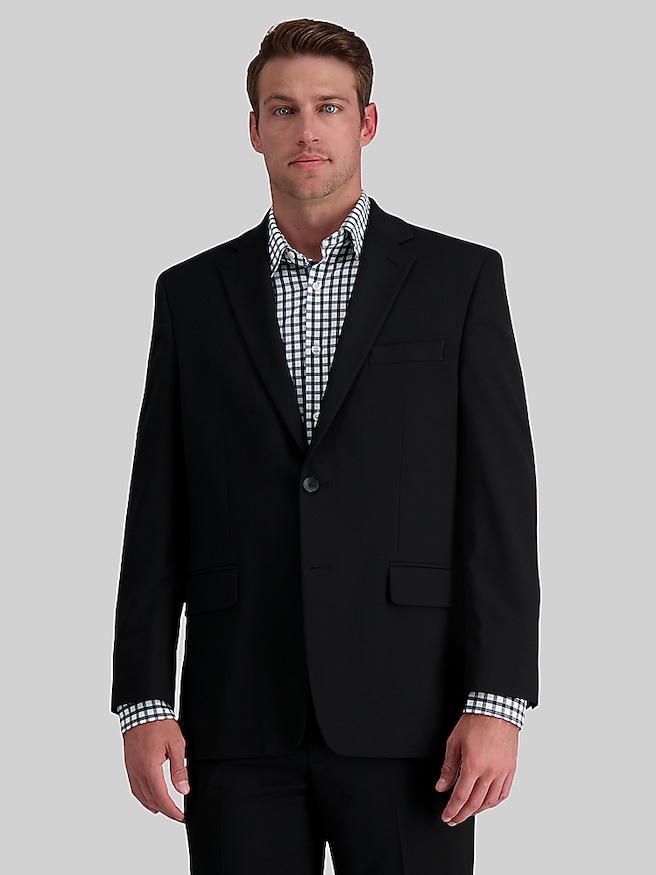
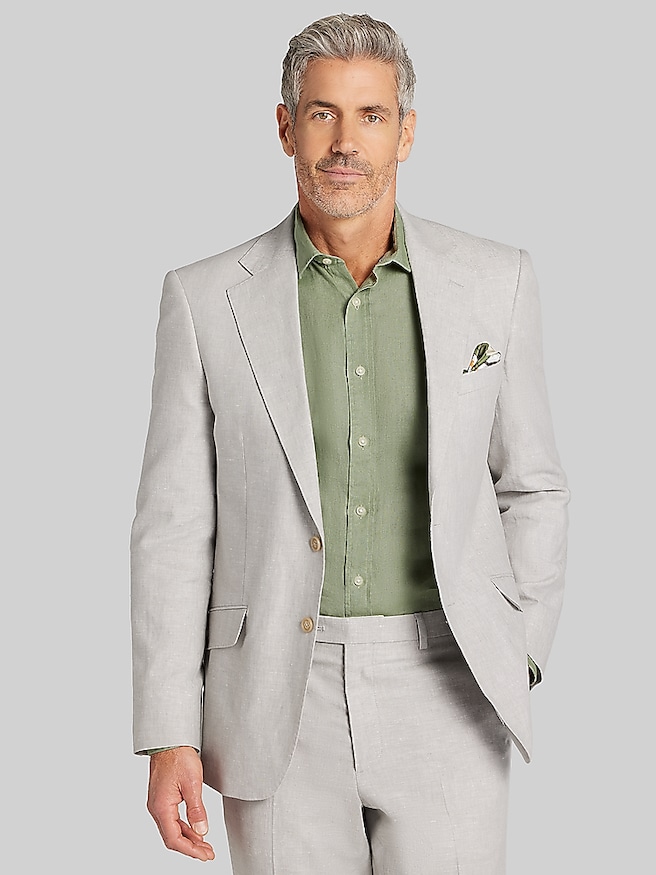
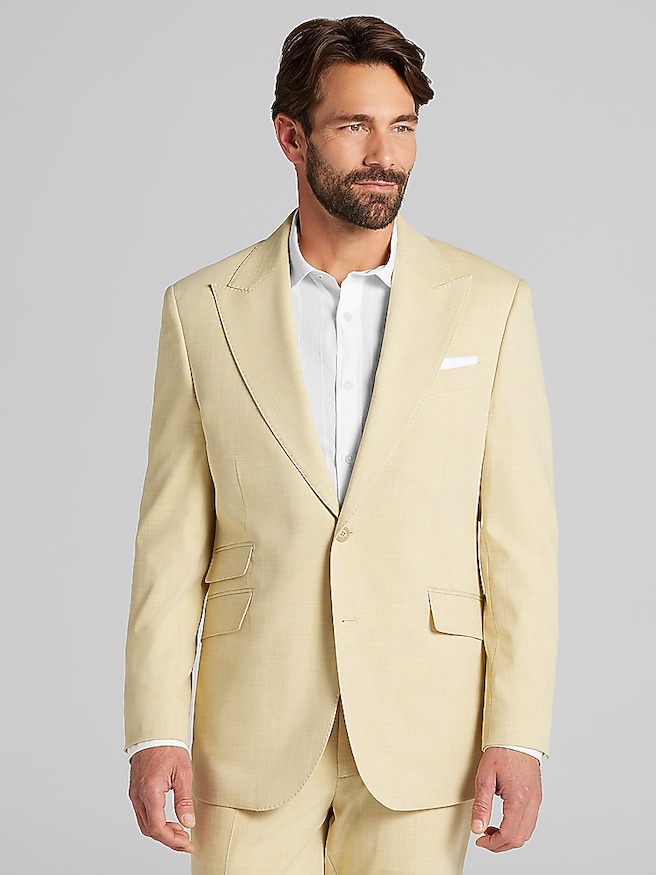
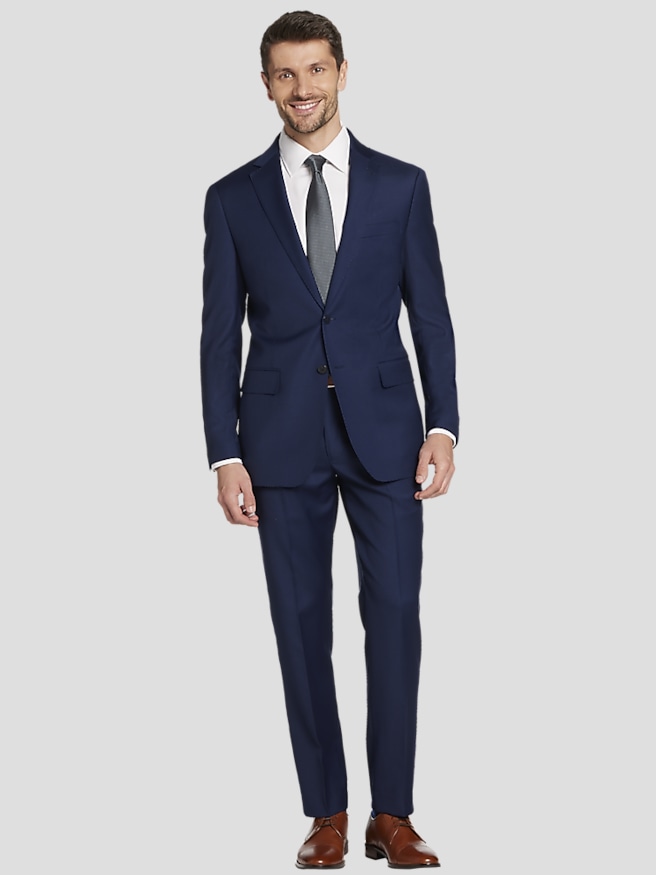
A 42 regular suit combines a nominal 42-inch chest size with regular-length jacket proportions, creating a starting point for men who need a medium-length jacket rather than a short or long cut. The size is often written as 42R: the number refers to the wearer’s chest measurement in inches, while the letter identifies the jacket’s length category. It does not mean the finished jacket measures exactly 42 inches around; extra room is built into the garment for a shirt, comfortable breathing, and movement. Regular lengths commonly suit men approximately 5 feet 8 inches to 5 feet 11 inches tall, although torso length, arm length, posture, and the maker’s sizing standards matter more than height alone. A well-proportioned jacket generally covers the seat, rests cleanly across the shoulders, and allows a small amount of shirt cuff to show below the sleeves. At the front, the lapels should lie flat rather than bow outward, and the buttoned waist should look smooth instead of forming a pronounced X-shaped pull. Those details give 42 regular suits their polished appearance at job interviews, wedding ceremonies, client presentations, and other occasions that call for coordinated tailoring. Matching trousers complete the silhouette, but their waist size deserves a separate check. Many traditionally sized suit sets use a six-inch drop, which pairs a size 42 jacket with trousers labeled for a 36-inch waist; that pairing is common, not universal. Suit separates and other sizing systems may use another arrangement, so the jacket size alone does not establish the trouser measurements. For someone building a dependable wardrobe, a 42R suit can serve as a foundation for repeated professional and social use. Navy and charcoal make especially adaptable starting points, pairing naturally with white or pale blue shirts, restrained ties, and polished leather shoes. Medium gray brings a softer contrast, while subtle stripes or checks add visual depth without requiring a bold shirt or elaborate accessories.
Within the same 42 regular size, the cut changes how a suit feels and looks. Slim-fit tailoring usually sits closer through the chest and waist, with narrower sleeves and a more tapered trouser leg. Modern fits often balance a shaped outline with additional room, while classic fits generally allow more space through the body, seat, and thighs. These terms are not standardized, so two jackets marked 42R can feel noticeably distinct. Someone with broader shoulders or fuller thighs may prefer more ease even when the chest measurement points to the same nominal size. Comfort becomes especially clear during ordinary movements: sitting through a ceremony, reaching across a conference table, or lifting an arm to greet a colleague. The jacket should stay balanced without the collar pulling away from the shirt, and the trousers should allow sitting without strain across the pockets or seat. Shoulder fit is particularly important because substantial changes there are more complex than adjusting a sleeve or trouser hem. Waist shaping and sleeve length can often be refined through alterations, depending on construction and seam allowance. Length categories also need to remain separate from fit labels: regular describes length, not whether the suit is slim or roomy. For comparison, 44S Suit Jackets combine a nominal 44-inch chest size with short-length proportions, rather than offering the same fit as a 42 regular jacket. Fabric contributes just as much to the finished impression. Wool is valued for its drape, breathability, and ability to recover from light creasing, making it a practical choice for frequent wear. Wool blends can combine that character with other fibers that influence texture, wrinkle resistance, or ease of care. A small amount of stretch may make sitting and reaching more comfortable, though it cannot compensate for an overly tight cut. Smooth worsted fabrics create a crisp, understated surface; textured weaves give solid colors more dimension. Lining, internal structure, and fabric weight also affect how firmly or softly the jacket holds its shape.
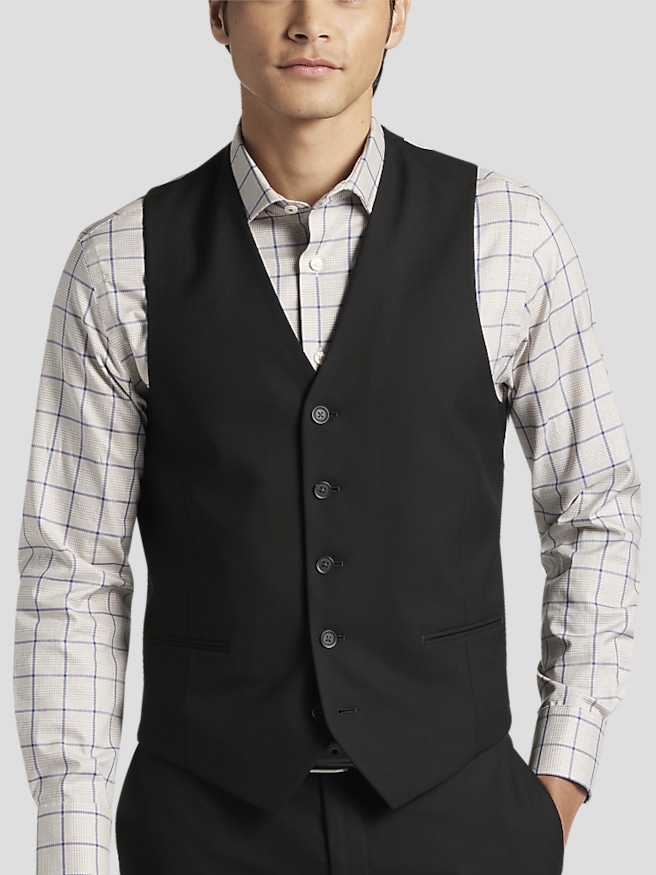
The most useful 42 regular suits suit the wearer’s actual routine, not just a measurement on a label. A suit worn several times a week benefits from resilient fabric, comfortable trousers, and a color that works with multiple shirts and ties. For a wedding guest or graduation attendee, the emphasis may be on a clean silhouette that looks composed in photographs and stays comfortable through hours of sitting, standing, and conversation. A two-piece suit offers a straightforward jacket-and-trouser combination, while a coordinating vest creates a more layered, formal presentation. Details such as lapel shape, pocket treatment, and surface sheen influence the overall character: notch lapels and understated pockets tend to feel versatile, while stronger lapel lines or a more lustrous fabric can make the outfit more occasion-focused. A trouser hem with little or no break creates a clean line above the shoe; a slight break gives a more traditional finish. The right choice depends on the trouser’s width, the footwear, and personal preference rather than a single rule. Long-term appearance depends on care as well as construction. A broad, shaped hanger supports the jacket’s shoulders, and properly hanging the trousers helps preserve their crease without bunching the fabric. Emptying pockets after wear prevents keys, wallets, and phones from repeatedly weighing down the same areas. Gentle brushing removes surface dust, while time between wears lets the fabric relax. Cleaning should follow the care label, with professional attention when specified; unnecessary cleaning can place extra stress on fabric and finishing. Stains are best addressed promptly without aggressive rubbing, and pressing requires appropriate heat and technique to avoid shiny marks. Wearing and cleaning the matching pieces together as appropriate helps limit uneven changes in color or texture. For a gift tied to a first professional role or a milestone celebration, confirmed measurements and the recipient’s preferred cut are especially valuable. With suitable proportions, thoughtful fabric selection, and consistent care, a 42 regular suit can become a familiar, dependable choice whenever a coordinated outfit matters.