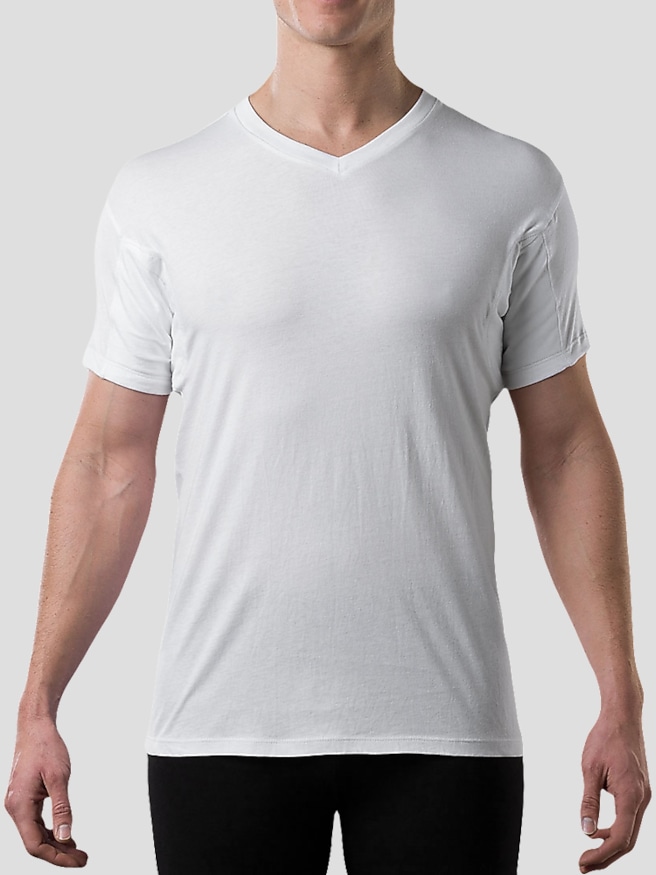
3X big and tall shirts are designed for men who need generous proportions, with big fits emphasizing room through the chest and midsection and tall fits adding length through the body and, on long-sleeve styles, the sleeves. The distinction matters: 3XL and 3XLT do not necessarily describe the same fit. A 3XL label generally indicates an expanded size, while 3XLT typically identifies a tall version with additional length. Exact measurements and naming conventions vary, so the size chart and garment description are more useful than the label alone. A taller man may need a longer shirt without excessive fullness at the waist, while a broader build may call for additional chest room without a longer hem. Shirts proportioned for both needs can provide coverage and ease without requiring an oversized standard cut. When comparing 3XL Shirts, chest, waist, neck, and sleeve measurements help distinguish a comfortable fit from one that simply looks roomy on a hanger. A well-fitting button-front shirt should close smoothly across the torso, with no persistent pulling between the buttons when seated. Shoulder seams generally belong near the edge of the shoulders unless the style intentionally uses a dropped shoulder. Long sleeves should reach the wrist without swallowing the hands, and the collar should fasten comfortably when worn with a tie. Body length deserves equal attention: a shirt intended for tucking needs enough fabric to stay secure when reaching across a desk or lifting an arm, while an untucked style should finish at a balanced point rather than hanging like an oversized layer. These details make 3X big and tall shirts useful for office days, family gatherings, dinners, and everyday routines. Ease of movement is part of the fit, not an afterthought; sitting, driving, and reaching should not turn a comfortable shirt into a restrictive one. The best proportions leave space where it is needed while keeping the neckline, sleeves, and hem looking intentional.
Fabric and construction shape how a 3X big and tall shirt feels throughout the day. Cotton is valued for its softness and breathability, though weave and fabric weight influence the result as much as fiber content. Smooth poplin creates a clean surface that works well beneath a jacket, while an Oxford weave brings more visible texture to a button-down. Jersey knits offer a flexible, familiar feel for T-shirts, and piqué gives polos a textured surface with a little more structure. Cotton blends can combine a soft hand with improved shape retention or easier upkeep, depending on their composition. A small amount of stretch may make reaching or bending more comfortable, but stretch should complement the fit rather than compensate for a shirt that is too tight. Fabric with some substance can fall cleanly across the torso, while very lightweight material may reveal more of the layer beneath it. Neither is inherently better; the intended use determines which feels appropriate. A shirt for frequent video meetings benefits from a collar that sits neatly and a front that stays smooth while seated. A casual polo can bridge the gap between a T-shirt and a button-front shirt when paired with chinos or dark jeans. Solid colors create a simple foundation for patterned ties or textured jackets, while checks and stripes add interest without requiring extra accessories. Pattern scale also changes the overall impression: small checks tend to read as subtle texture from a distance, whereas broad stripes make a stronger visual statement. Collar shape, pocket placement, and hem design contribute to that impression as well. A curved hem often supports a tucked-in look, while some shorter, straighter hems are designed for untucked wear. For layering, enough room through the upper arms and chest helps the shirt sit comfortably beneath a sweater or jacket without bunching. Smooth seams, secure buttons, and a collar that holds its shape are practical construction details that support repeated wear.
Care habits help preserve the fit and finish that make these shirts comfortable in the first place. The care label takes priority because cotton, blended fabrics, stretch fibers, and decorative finishes can require different treatment. Where machine washing is permitted, following the recommended water temperature and drying method helps limit avoidable shrinkage and wear. Excessive dryer heat can affect dimensions, weaken elastic fibers, and make collars or plackets harder to smooth. Removing a shirt promptly after drying can reduce deep creases, while reshaping the collar and smoothing the button placket before hanging helps maintain a neat appearance. Woven shirts often benefit from a supportive hanger; knits may keep their shape better folded if hanging causes the shoulders to stretch. Any ironing or steaming should follow the fabric’s care directions, especially when a blend includes heat-sensitive fibers. Durability also depends on how the shirt fits during use. Constant strain across buttons, underarms, or elbows puts stress on fabric and seams, so comfortable ease can support longevity as well as appearance. For a frequently worn work shirt, reliable collar shape and easy maintenance may matter more than decorative details. For relaxed outings, softness, freedom through the shoulders, and an untucked hem may take priority. A small rotation of complementary colors and textures can support varied outfits without making getting dressed complicated: a smooth button-front shirt works with tailored trousers, a textured polo pairs naturally with chinos, and a simple knit shirt provides a foundation for casual layers. As a gift, a 3X big and tall shirt is most useful when its proportions reflect the recipient’s established fit preferences. Checking the size and tall designation on a shirt that already fits well is more dependable than guessing from height alone. Attention to preferred collar style, sleeve length, and fabric feel makes the choice personal, while suitable proportions help the shirt become a dependable part of everyday dressing.