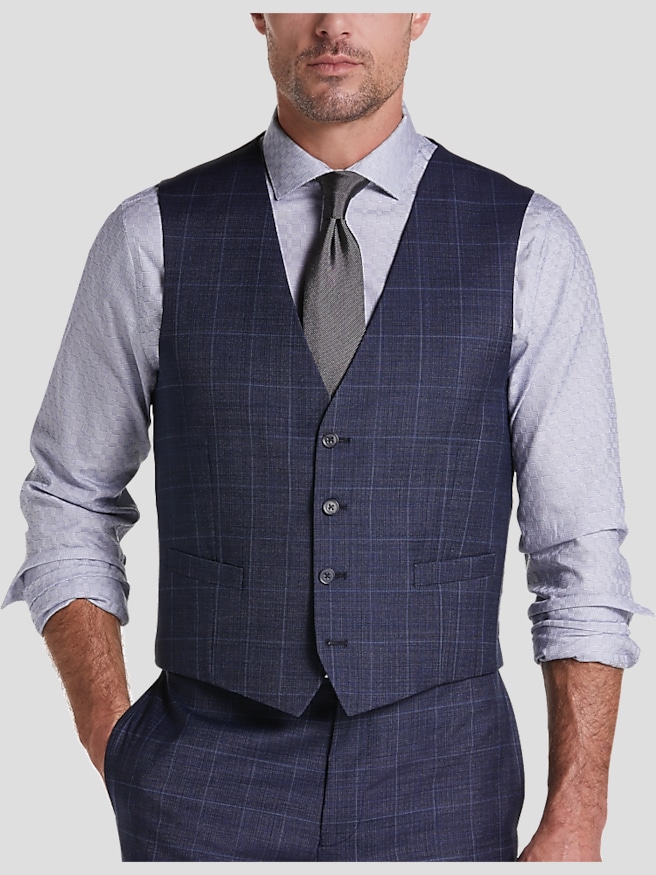
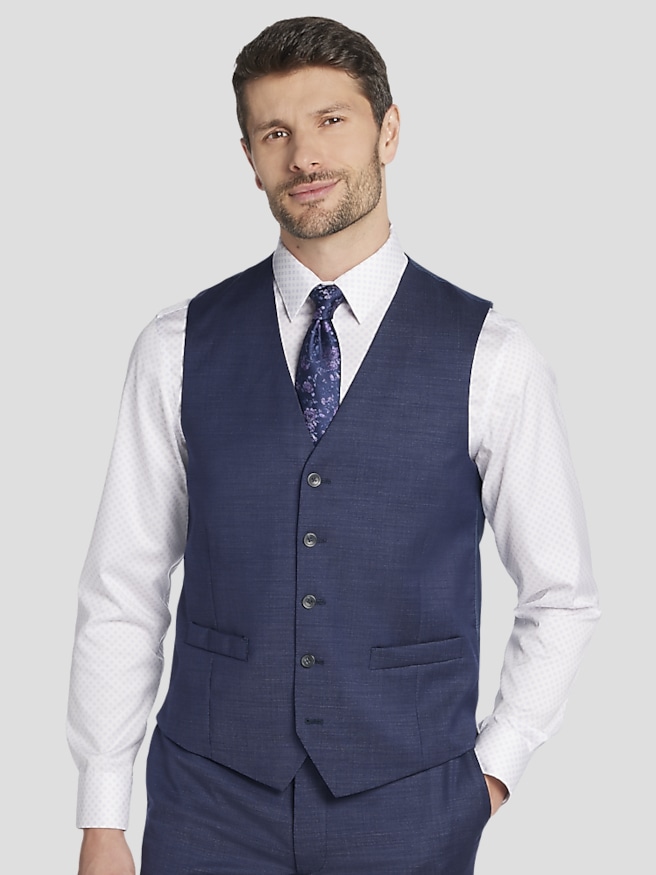
Men’s 2X vests add a sleeveless layer to an outfit, with styles ranging from tailored suit vests to relaxed zip-front designs. The 2X designation generally identifies an extended size, but it does not represent one universal set of measurements. Chest width, room through the midsection, shoulder placement, and body length can vary by cut, so the size chart and garment measurements matter more than the label alone. A 2X and an XXL may also fit differently, especially when one follows extended-size proportions and the other follows a standard size progression. For a tailored vest, a comfortable fit sits close to the torso without pulling across the buttons or creating horizontal wrinkles at the waist. The neckline should frame a dress shirt neatly, while the armholes leave enough room to reach forward, sit at a desk, or move through a crowded reception without cutting into the underarm. Shoulder seams should rest naturally rather than extending outward into a stiff ledge. At the waist, the front should generally meet or overlap the trouser waistband so a strip of shirt does not interrupt the outfit when standing. A back adjustment, when included, can refine the shape, but it cannot compensate for a vest that is too tight through the chest. Casual 2X vests need their own balance of shape and ease: enough space for the intended shirt underneath, without excess fabric gathering beneath the arms. Trying the same movements used throughout the day—sitting, reaching for a phone, fastening a seat belt—reveals more than standing still in front of a mirror. A smooth front closure and an even hem help establish a clean silhouette whether the vest is worn open or fastened. Men with a fuller midsection may find that the waist measurement is just as important as the chest measurement, while a longer torso calls for attention to garment length rather than simply sizing up. The most useful fit preserves comfortable movement and keeps the vest in proportion with the rest of the outfit.
Fabric and construction give 2X vests much of their character. Wool and wool-blend suit vests can provide a refined surface and a structured drape, while cotton introduces a more relaxed texture suited to less formal combinations. Polyester and other blended fibers may contribute shape retention or resistance to wrinkling, although performance depends on the fabric’s composition and construction. A small amount of stretch can make sitting and reaching more comfortable, but stretch should support a sound fit rather than replace it. Smooth linings help a tailored vest move over a shirt, and a cleanly finished back matters when the vest will be worn without a jacket. Some designs use a contrasting back fabric, creating a distinction that becomes visible once the jacket comes off. Fleece, knit, and quilted vests bring a more casual appearance, with texture, collar shape, and pocket placement influencing how they look over a polo or button-down. Fabric thickness also affects fit: a substantial layer occupies more space beneath a jacket than a flat woven vest, even when both carry the same size label. Durability depends on details that are easy to overlook, including secure buttons, neatly finished seams, reinforced pocket openings, and a zipper that travels smoothly without catching the surrounding fabric. Pockets are useful for small essentials, but overfilling them can distort the front and strain the seams. Care requirements deserve equal attention. The sewn-in care label is the best reference for cleaning, drying, ironing, and any restrictions on stain treatment. Some fabrics tolerate machine washing, while others require professional cleaning or a gentler method. Prompt attention to spills, careful handling of closures, and storage that supports the garment’s shape can help preserve its appearance. A tailored vest benefits from being stored without sharp folds across the front; a knit style may be better stored folded if hanging would stretch it. Following the fabric’s care instructions helps protect the texture, lining, and finish that make the vest comfortable to wear.
The appeal of a 2X vest is its ability to change the character of familiar clothing without requiring a completely new outfit. A tailored version worn with coordinating trousers and a dress shirt creates a composed look for weddings, business events, and dinners with a dress code. When paired with a suit, the vest adds depth and keeps the outfit looking intentional if the jacket is removed. A close fabric match matters when the goal is a coordinated three-piece appearance; similar colors with noticeably distinct textures can look mismatched if they seem intended to be identical. Deliberate contrast is another approach, such as a textured vest against smooth trousers, with a shared color family tying the pieces together. Navy, charcoal, gray, and black are versatile foundations, while subtle checks or a textured weave can add interest without dominating a shirt and tie. For a less formal setting, a vest over an Oxford shirt with chinos can feel polished without the structure of a full suit. A casual zip-front style works naturally with a polo, knit shirt, or jeans, especially when the hem and collar sit neatly rather than bunching around the layers beneath. Men who spend part of the day seated may appreciate a front length and closure that remain comfortable at a table or behind the wheel. Those choosing a vest as a gift will benefit from knowing the recipient’s preferred fit, chest and waist measurements, and typical use, rather than relying only on a familiar shirt size. Length deserves particular attention for taller builds. The distinction between size and length also matters when comparing 2X with 4XLT Vests, a larger size category with tall proportions rather than an equivalent fit. Whether the intended outfit includes dress trousers or denim, the vest should sit comfortably over its base layer, close without strain, and maintain a balanced line from shoulder to hem.