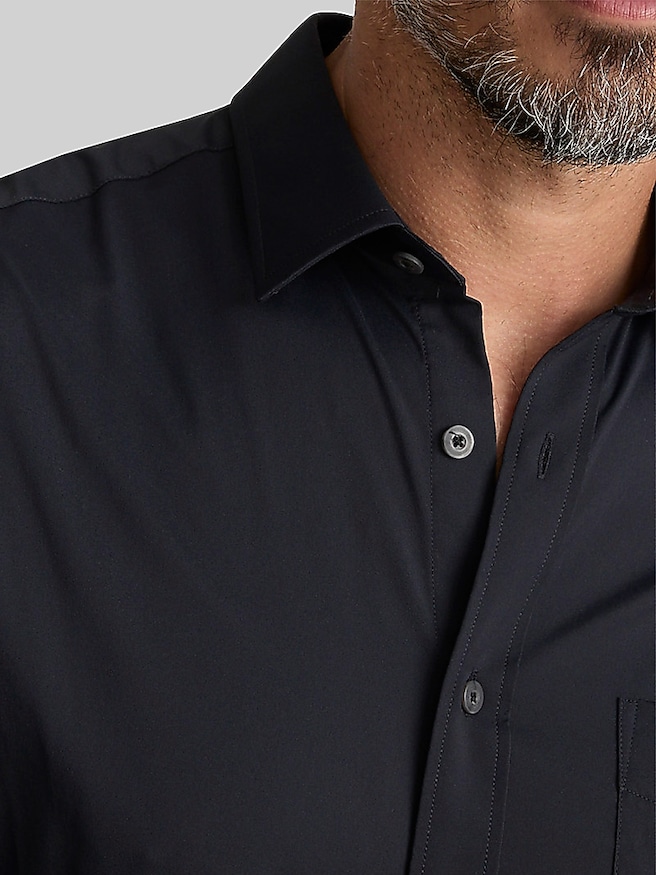
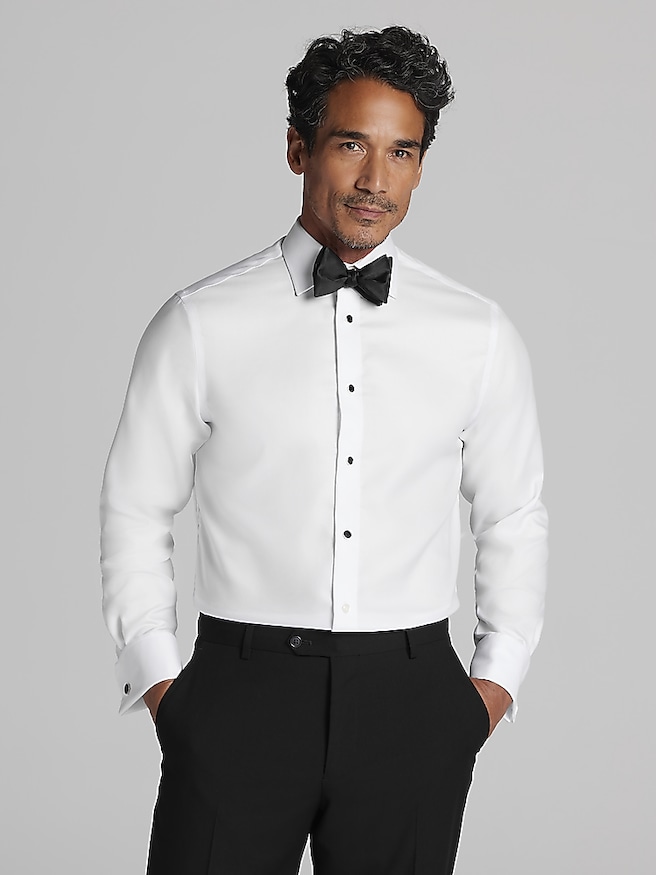
Men's 2X button-down shirts bring the familiar structure of a collared shirt to a fit designed for a larger frame, with options suited to office days, dinner plans, family gatherings, and everyday wear. The most important detail behind the size label is proportion: 2X does not represent one universal set of measurements, and it is not always interchangeable with XXL. Depending on the sizing system, a 2X shirt may have more room through the chest and waist than a standard XXL. Labels such as 2XB typically identify big sizing, while 2XLT generally indicates tall sizing with additional body and sleeve length. The corresponding size chart provides a more reliable comparison than the letters alone. Chest, neck, sleeve, and waist measurements help establish how a shirt will sit, especially when the same size can look noticeably different in a tailored cut and a relaxed silhouette. A comfortable fit allows the button placket to lie flat without pulling across the chest or stomach when seated. Shoulder seams should sit close to the natural shoulder, and long sleeves should reach the wrist without swallowing the hand. Extra width does not replace extra length, so a taller build may benefit from tall proportions rather than simply a larger size. For tucked styling, enough length to stay inside the waistband during ordinary movement matters; for untucked wear, a shorter hem can create a cleaner outline without covering too much of the pants. Collar construction also helps define the look. Within the broader category of Men's Button Up Shirts, a true button-down collar has small buttons securing its points to the shirt, while other button-front shirts use collars without those fasteners. The secured collar points lend a relaxed finish beneath a blazer or sweater and help keep the collar tidy when worn open at the neck.
Fabric gives a 2X button-down shirt much of its character, influencing its drape, texture, care requirements, and feel throughout the day. Cotton is a familiar choice for its softness and breathability, but the weave can make two cotton shirts feel quite distinct. Oxford cloth has a visible basketlike texture and a substantial feel that works naturally with chinos, denim, and casual tailoring. Poplin usually has a smoother, finer surface, making it useful when a crisp appearance is the priority. Twill has a subtle diagonal weave and often offers a supple drape with a little more visual depth than a plain weave. Linen has an airy structure and a naturally textured appearance; its tendency to crease is part of the fabric's character rather than evidence of poor quality. Cotton blends may combine a familiar handfeel with easier maintenance, while fabric containing elastane can provide stretch for reaching, driving, or spending a long day at a desk. Stretch complements a suitable fit rather than compensating for a shirt that is too tight. A placket that gaps or sleeves that bind across the upper arms still signal a mismatch in proportions. Fabric weight and opacity also affect intended use: a fine, light-colored shirt may work best with a discreet undershirt, while a more substantial weave can provide greater coverage on its own. Construction details contribute to durability alongside the fabric itself. Even stitching, secure buttons, neatly finished seams, and reinforcement at stress points support repeated wear and laundering. Around the cuffs and collar, smooth finishing helps prevent irritation in areas that stay close to the skin. For someone moving between meetings and errands, a fabric that retains a neat appearance with manageable care can be especially practical. For an unstructured dinner outfit, a softer drape and visible texture can make the same button-front shape feel less formal.
Color, pattern, and finishing details give men's 2X button-down shirts a place in wardrobes with very different routines. A solid white or light blue shirt creates a straightforward foundation beneath a jacket, while deeper solid shades can stand on their own with neutral pants. Checks and stripes introduce detail without requiring an elaborate outfit; their scale and contrast matter more than rigid rules about which patterns a larger frame should wear. A subtle stripe can sit comfortably beside a textured blazer, while a bolder check often needs little beyond plain chinos or dark denim. For business-casual settings, a long-sleeve shirt tucked into trousers with a simple belt creates a considered appearance without a tie. An untucked shirt with a suitably proportioned hem feels more relaxed for a casual restaurant or a weekend gathering. Short sleeves offer another easygoing interpretation, with an opening that should allow movement without flaring excessively at the upper arm. When a tie is part of the outfit, the collar should button comfortably at the neck, and its shape should suit the knot without crowding it. Cuff adjustment can also help a sleeve sit neatly around the wrist or accommodate a watch. Keeping these details looking good depends on following the garment's care label rather than assuming every button-down shirt needs the same treatment. Washing similar colors together, treating marks promptly with a fabric-appropriate method, and avoiding excessive dryer heat can help protect the fabric and finish. Removing a shirt promptly after drying and hanging it on a shaped hanger can reduce creasing before the next wear. Any ironing temperature should match the fiber content, particularly when stretch fibers or synthetic blends are present. As a gift, a 2X shirt is most useful when its measurements and cut match a shirt the recipient already enjoys wearing. Familiar collar preferences, sleeve lengths, and colors make the choice feel personal, whether the recipient needs a dependable workday layer or something polished for time with friends and family.