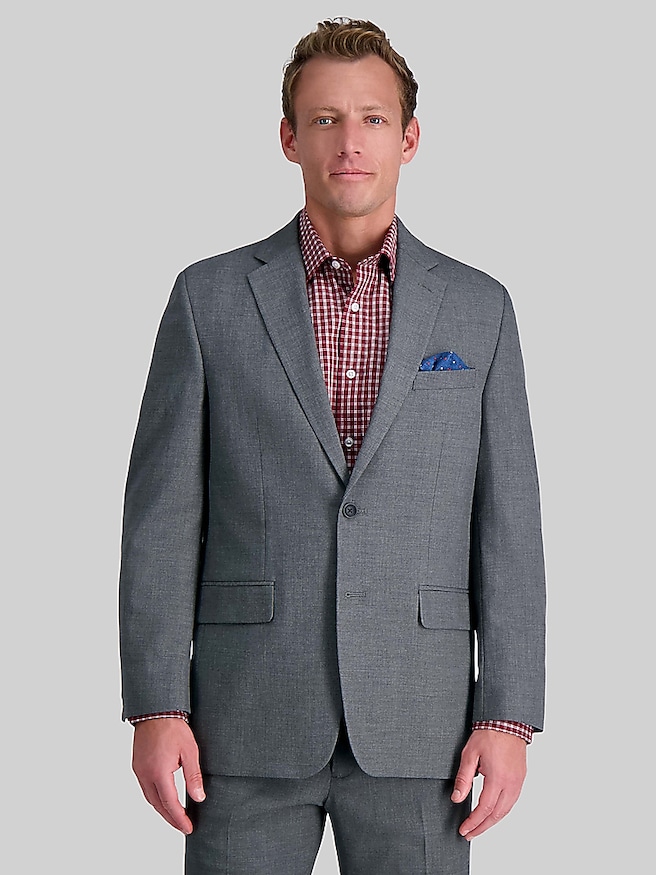
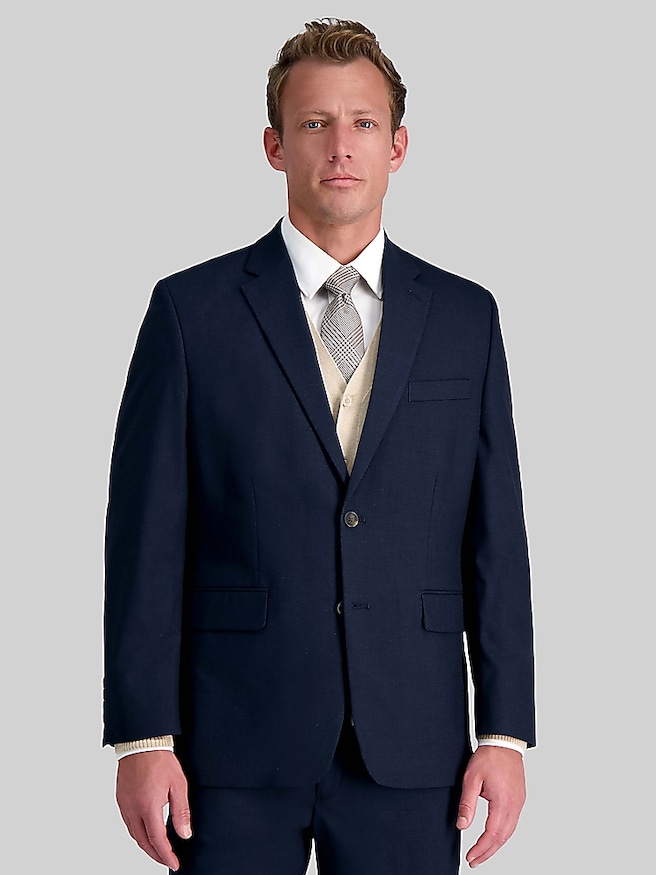
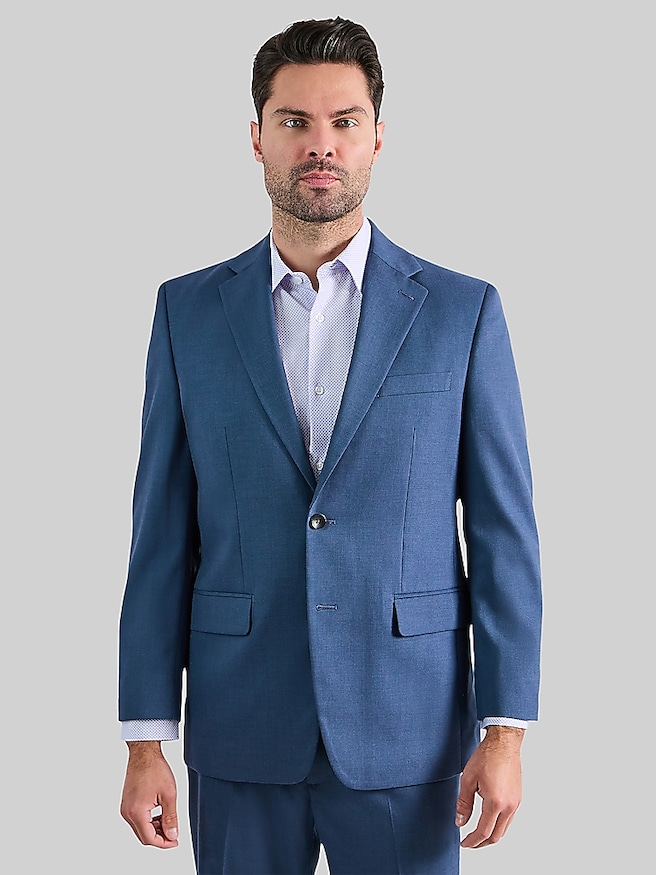
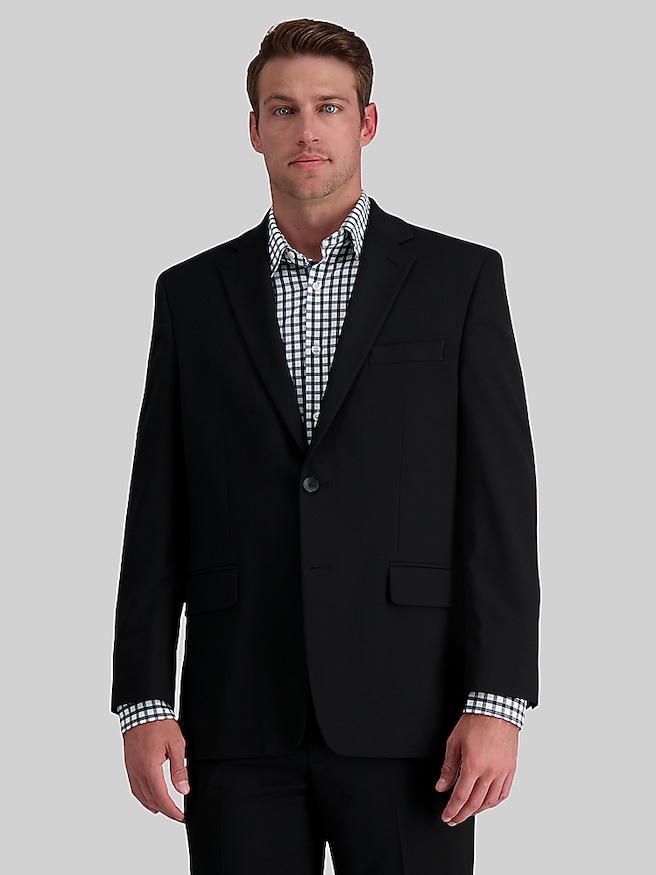
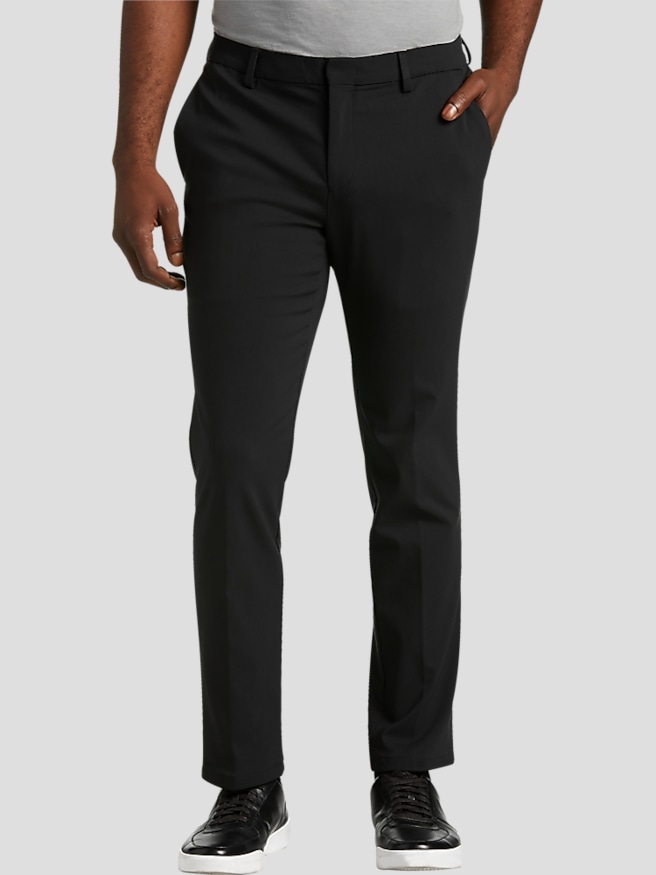
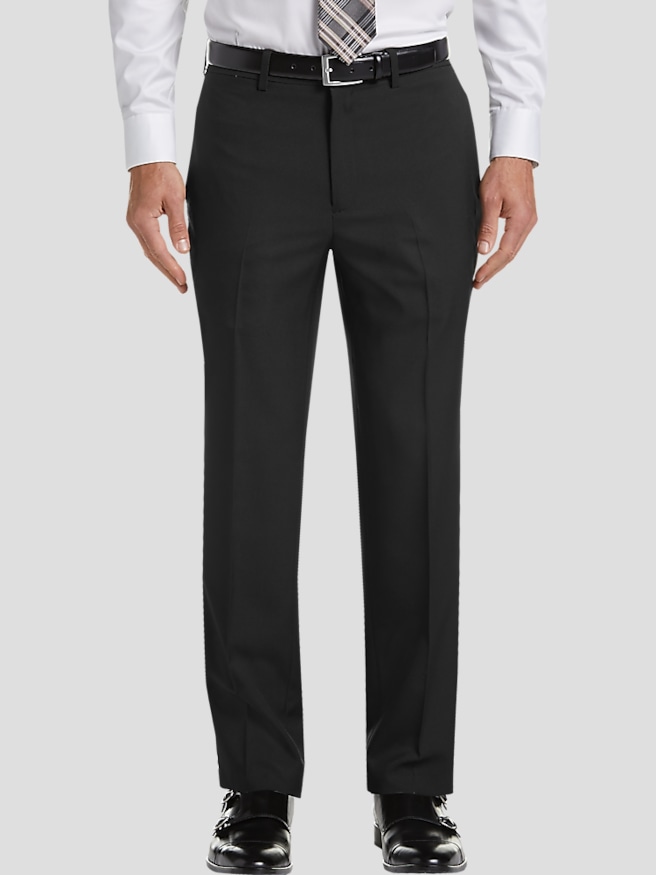
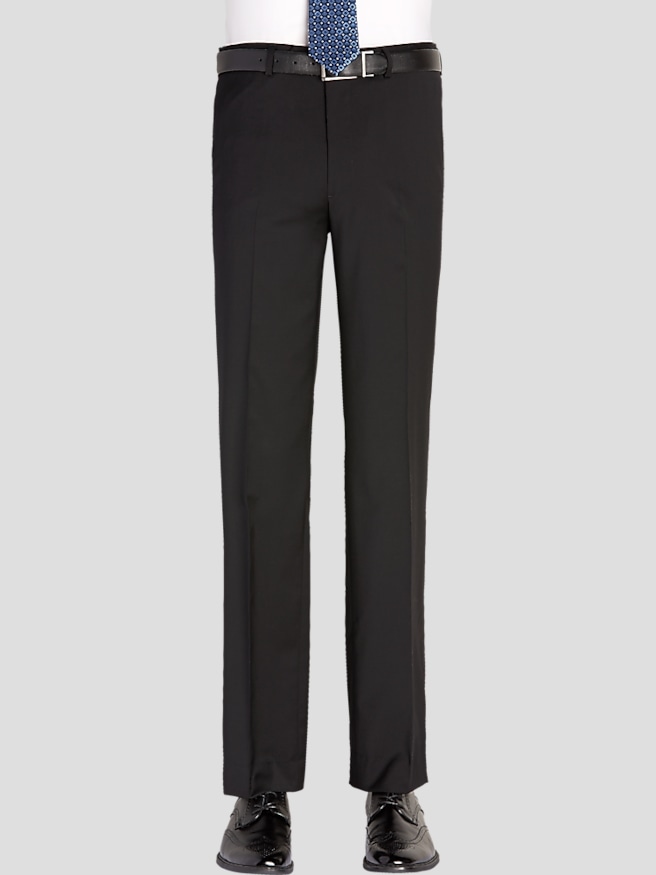
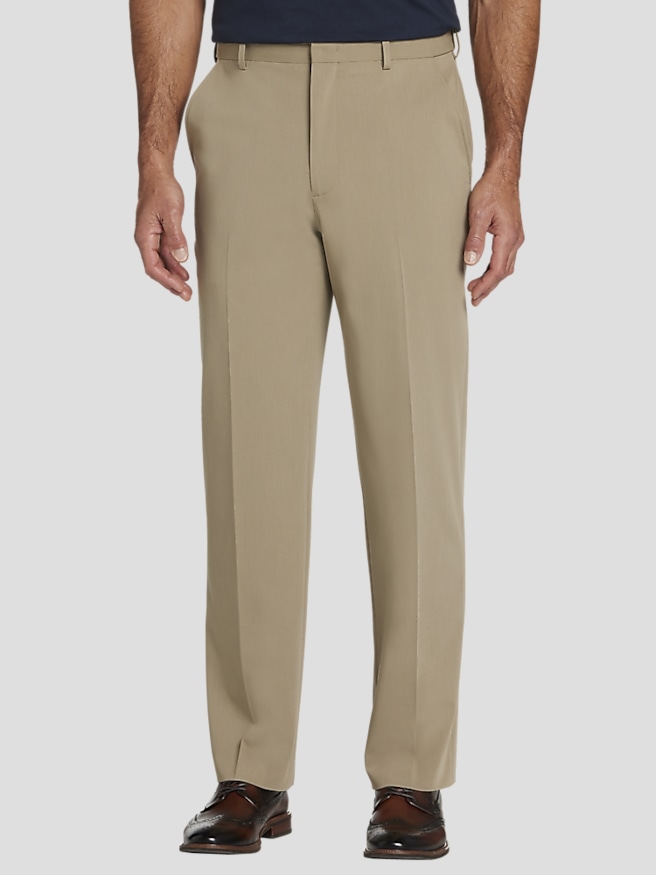
Finding the right pair of 29W dress pants starts with understanding what the size means. The “29W” refers to a 29-inch waist, while the inseam must be chosen separately based on height, preferred break and tailoring needs. Common length options include 30L and 32L, though the best choice depends on how you want the trouser hem to sit over your shoes. A shorter inseam may create a clean, modern appearance with little or no break, while a longer inseam can provide a more traditional drape or leave room for alterations. Since sizing can vary slightly by cut and fabric, it helps to compare the garment’s measurements with a pair of trousers that already fits well. A slim or tailored fit generally follows the body more closely through the seat and thigh before narrowing toward the ankle, creating a polished silhouette that works especially well with a fitted dress shirt or streamlined suit jacket. Straight and classic fits offer more room through the leg and may feel easier to wear during long workdays, commutes or formal events. A 29W waist is often chosen by men with a leaner frame, younger professionals building a first work wardrobe, or anyone who prefers a close, contemporary profile without the commitment of a full suit. Dress pants in this size can move easily between business settings, dinners, ceremonies, presentations and evenings that call for something more refined than jeans. As the weather warms, lightweight trousers in breathable blends can help maintain a neat appearance without feeling heavy. During cooler months, a slightly denser weave pairs naturally with sweaters, sport coats and layered shirts. Neutral shades such as black, navy, charcoal, gray and tan are especially versatile, allowing one pair to work with several shirts and jackets while making morning dressing more straightforward.
Fabric and construction have a noticeable effect on comfort, appearance and durability. Polyester blends tend to resist wrinkles and hold their shape through a full day, which makes them practical for travel, office wear and occasions where clothing needs to look pressed from morning through evening. A small amount of spandex or elastane can add useful stretch at the waist, seat and knees, making it easier to sit, walk, climb stairs or move between appointments without feeling restricted. Nylon blends may provide additional resilience and a smooth finish, while wool or wool-blend fabrics offer a classic drape and a more elevated texture for ceremonies, interviews and formal gatherings. Lightweight cotton or twill options can bring a relaxed feel to dress-casual wardrobes, particularly when worn with an open-collar shirt, loafers or clean leather sneakers. Look closely at the waistband, pocket placement, fly closure and stitching, since these details influence how the pants feel and how well they maintain their shape. A finished waistband should sit securely without pinching, and the pockets should lie flat rather than pulling open when standing. Pleat-front trousers provide extra room and a traditional look, while flat-front styles create a simpler, cleaner line. Belt loops are useful for adjusting the fit with a leather or woven belt, though the waistband should still fit comfortably without relying on one. For suit separates, matching the trouser color and fabric weight to a jacket is important, even when the pieces are purchased separately. Dress pants can also make a thoughtful gift for a son, partner, graduate, coworker or family member who is starting a new job, attending a wedding or refreshing a wardrobe for professional life. If the pants are intended as a gift, confirm both the 29W waist and the recipient’s usual inseam, and consider the preferred fit before choosing between slim, tailored, straight or classic silhouettes. A gift receipt or easy exchange option can be helpful because small differences in rise and leg shape often determine whether a pair feels effortless.
Styling 29W dress pants is largely a matter of proportion, color and occasion. For a business-ready outfit, pair charcoal or navy trousers with a crisp button-down, leather belt and polished dress shoes, then add a matching or complementary jacket when a more formal finish is needed. Black trousers can support a sharper evening look with a white shirt and dark jacket, while tan, stone or medium gray can bring more flexibility to dress-casual settings. During transitional weather, a fine-gauge knit layered over a collared shirt adds warmth without overwhelming a slimmer leg, and a lightweight jacket can provide structure when temperatures shift throughout the day. Pay attention to the rise as well as the waist: the waistband should rest comfortably in its intended position, with enough room to sit and move naturally. The seat should lie smooth, the front pockets should not flare and the fabric should fall cleanly from the hip to the hem. If the waist fits but the length is slightly off, a tailor can usually make a straightforward adjustment; changing the waist or overall shape is more involved, so selecting the closest fit at the start is worthwhile. Proper care also extends the life of dress pants. Follow the care label, avoid overcrowding them in a closet, and use a sturdy hanger with a shaped bar so the crease and waistband retain their form. Letting trousers air out between wears can reduce the need for frequent cleaning, while prompt attention to spills helps prevent permanent marks. For men who need additional room through the waist, exploring a broader size range such as 32W Dress Pants can provide a more comfortable starting point without changing the overall wardrobe direction. With the correct waist, inseam, fit and fabric, 29W dress pants can serve as dependable foundation pieces—easy to dress up for formal occasions, relaxed with a knit shirt for dinner, and polished enough to carry a man through work, travel and celebrations with confidence.