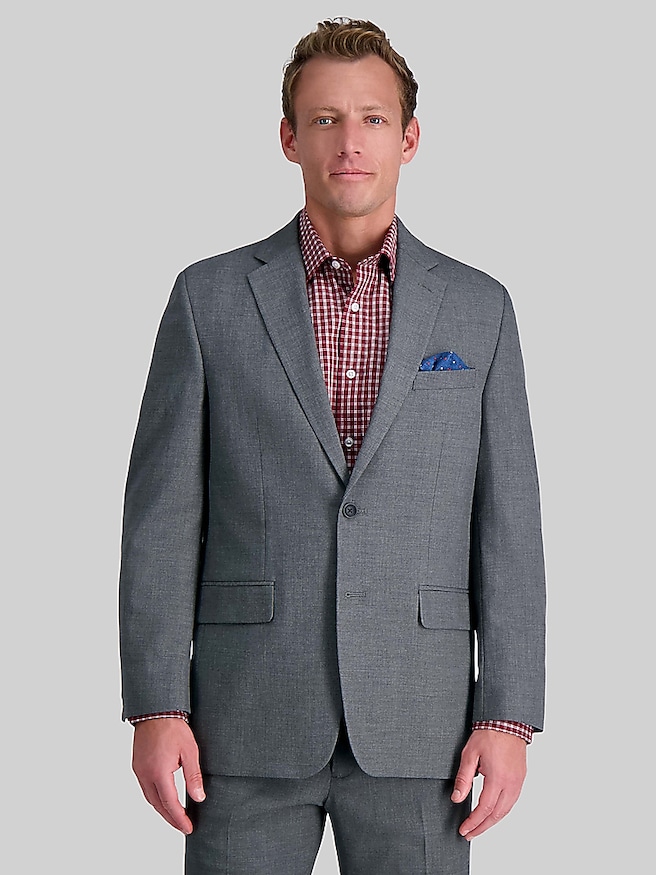
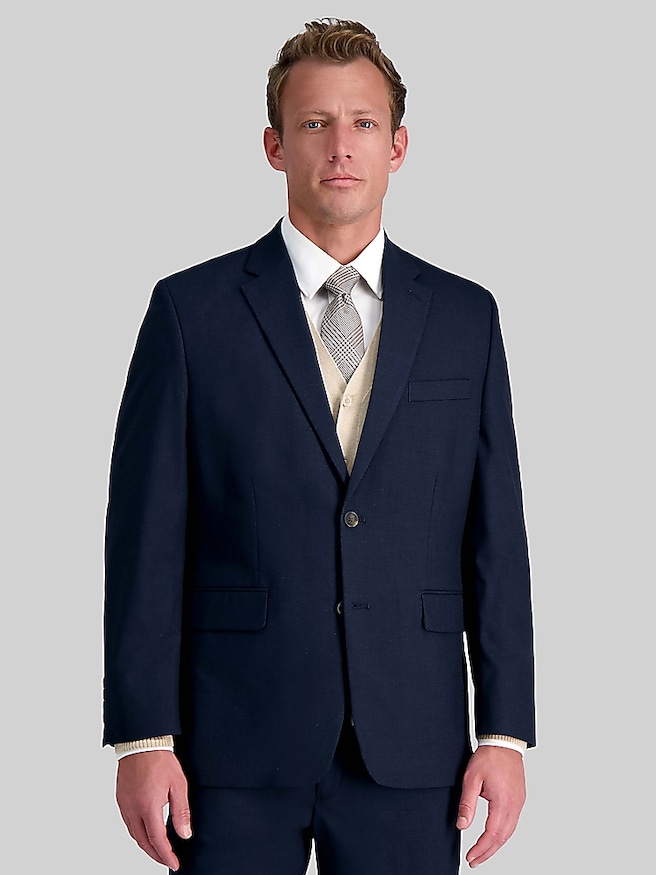
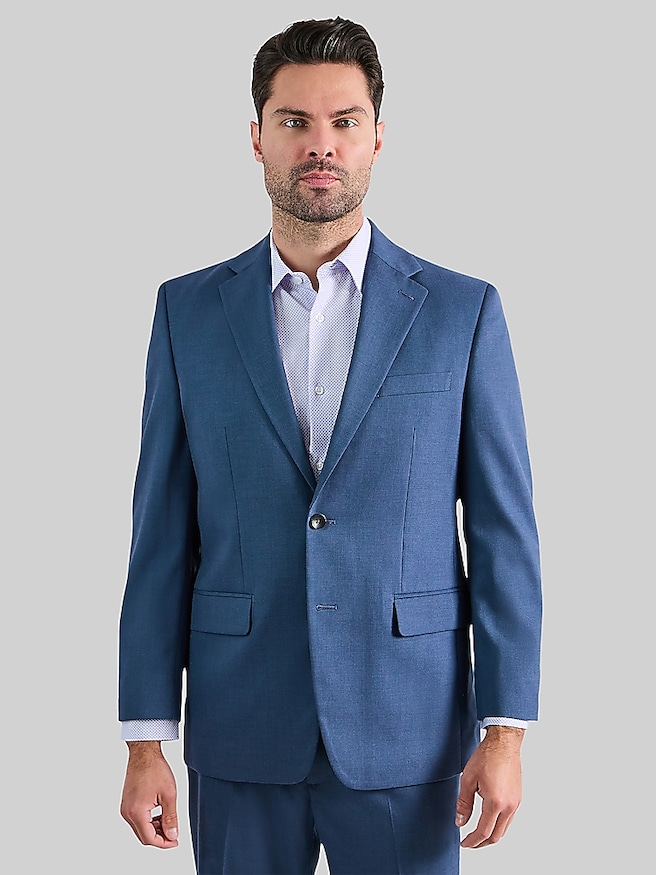
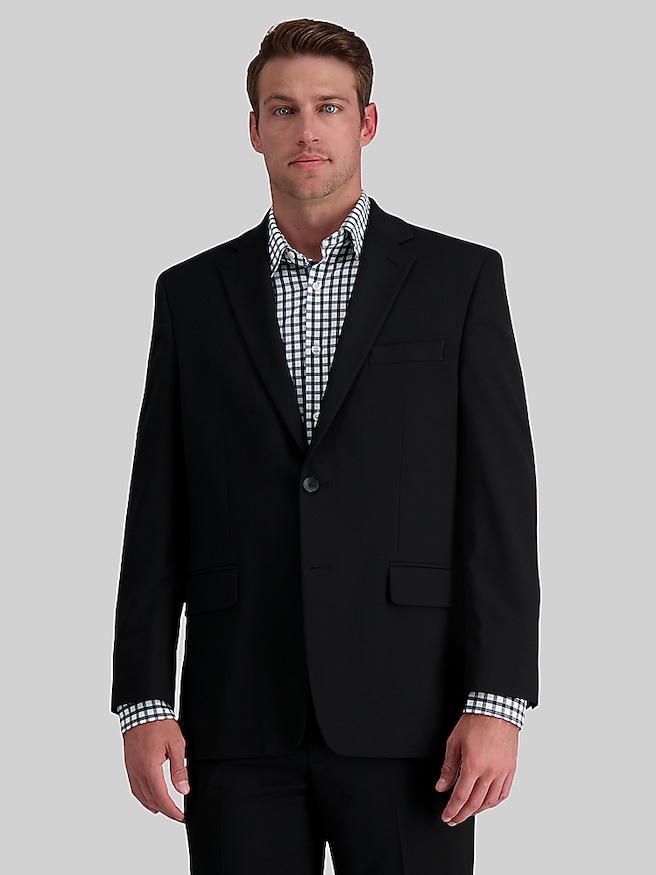
Finding the right fit in 1X sized suits starts with treating the label as a helpful reference rather than a universal measurement. Sizing can vary by cut, fabric, and manufacturer, so a 1X in one suit may fit differently from a 1X in another. Before ordering, compare the garment’s size chart with your own measurements, paying particular attention to the chest or bust, natural waist, seat or hip, shoulder width, sleeve length, and inseam. For many plus-size suit collections, 1X may correspond approximately to a numeric range around 16W–20W in women’s tailoring, while some extended men’s sizing systems use different numeric equivalents altogether. The most dependable guide is always the specific measurement chart provided for the suit. A well-designed 1X jacket should provide comfortable room through the chest, shoulders, and midsection without pulling across the buttons or creating excess fabric beneath the arms. Trousers should sit smoothly at the waist and seat, with enough ease to allow walking, sitting, and climbing stairs naturally. If you are between sizes, consider the suit’s fabric and construction: a ponte knit, stretch wool blend, or spandex-blend crepe can offer additional flexibility, while a structured woven fabric may create a sharper, more formal silhouette but require more precise measurements. Suit separates can be especially useful when the jacket and trousers require different sizes, and adjustable waist details or flat-front styling can help create a clean appearance without sacrificing comfort. A tailor can often refine sleeve length, trouser hems, and the jacket’s waist after purchase, but alterations cannot reliably add room through areas that are too narrow, making accurate measurements the best first step.
1X sized suits can serve as dependable wardrobe foundations for professional settings, ceremonies, celebrations, travel, and the many occasions that fall between business formal and polished casual. A darker suit with a clean, streamlined cut can move easily from an interview or presentation to an evening gathering, while a lighter fabric or softer neutral tone can feel appropriate as the weather warms and remain useful during the cooler months when layered with a shirt, sweater, scarf, or coat. For weddings, graduations, holiday gatherings, and formal dinners, look for details that support a composed appearance without making the outfit feel restrictive, including a comfortable lining, functional pockets, breathable fabric, and a jacket length that balances the wearer’s proportions. For office use, a suit that resists wrinkling and coordinates with several shirts or blouses can make dressing on busy mornings much simpler. A matching jacket and trouser combination creates a traditional tailored look, while wearing the jacket separately with chinos, dress trousers, or a refined knit can extend the value of the purchase. The same versatility applies to skirt suits, dress suits, and coordinated two-piece sets, where the right balance of structure and movement can make a noticeable difference over a long day. Pay attention to lapel width, button placement, rise, leg shape, and hem length, since these details influence both comfort and visual proportion. A jacket that closes comfortably while standing should also remain easy to wear when seated, and trousers should allow a full stride without pulling at the pockets or knees. For those building a first professional wardrobe, a 1X suit can be a practical gift for a graduate, a new employee, a family member preparing for interviews, or someone attending a milestone event. Choosing a versatile color and allowing time for possible alterations makes the gift more useful and personal than selecting a style based only on appearance.
When comparing 1X sized suits, consider how the complete outfit will work in real life rather than focusing on the label alone. Read fabric details to understand whether the suit is lightweight, breathable, wrinkle resistant, textured, or designed for a more structured drape. A breathable blend may be comfortable for warm venues and extended wear, while wool or heavier suiting can provide polish and warmth during the cooler months. Stretch can make a meaningful difference when traveling, commuting, or moving between seated and standing activities, but it should complement—not replace—a proper fit. Check care instructions before purchasing, especially if the suit will be worn frequently; easy-care fabrics can simplify maintenance, while dry-clean-only construction may be better suited to occasional formal use. Consider the intended shirt, footwear, and accessories as well. A classic 1X suit can be dressed up with a crisp collared shirt, polished dress shoes, and a coordinated tie or pocket square, or softened with a fine-gauge knit and clean leather loafers where the setting permits. For women’s tailoring, a blouse, shell, or simple dress can change the character of a jacket, while a skirt or trouser option allows the wearer to choose the level of coverage and movement that feels most natural. If the suit is intended for a special event, leave enough time to try it on with the exact undergarments and shoes planned for the occasion; those pieces can affect the jacket closure, trouser break, and overall length. When a 1X fit does not provide the desired room or proportions, reviewing adjacent extended sizes may offer a better solution, including 6x Sized Suits for those who need additional measurements through the chest, waist, seat, or hips. With careful attention to measurements, construction, fabric, and intended use, 1X sized suits can provide a confident, comfortable foundation for workdays, formal invitations, seasonal gatherings, and everyday moments that call for a more polished appearance.