
Dressing for work is already one headache too many in the morning. But it gets even harder in the winter, when one outfit has to handle a cold commute, a heated office, and a semi-formal client meeting later that day.
Winter business casual outfits for men solve that by adapting professional staples instead of defaulting to a full suit. This lets you move from everyday office hours to conference rooms without feeling out of place. And the right layers complete the look, helping you maintain a comfortable temperature from a chilly bus to a warm office.
In this guide, we’ll explain how to balance fit and proportion and which layers to use so you can build a warm, versatile winter wardrobe.
Winter Business Casual Attire Varies by Office Dress Code
To dress for winter at work, look at the level of formality your office expects and adapt it for the weather. “Business casual” can mean different things depending on the person. An IT professional in a small startup may wear something distinct from a client-facing role in a more conservative workplace. A knitted sweater over a collared shirt may be enough in one office, while another might call for wool trousers, leather dress shoes, and a blazer.
Pay attention to what colleagues wear on regular workdays versus important meetings — that can tell you where the dress-code line is. From there, winterize that line with heavier fabrics, layered knitwear, and office-appropriate boots. You’ll add warmth and keep the outfit seasonally practical, and you’ll still meet the expected professional standard.
How To Stay Warm Without Carrying Extra Bulk
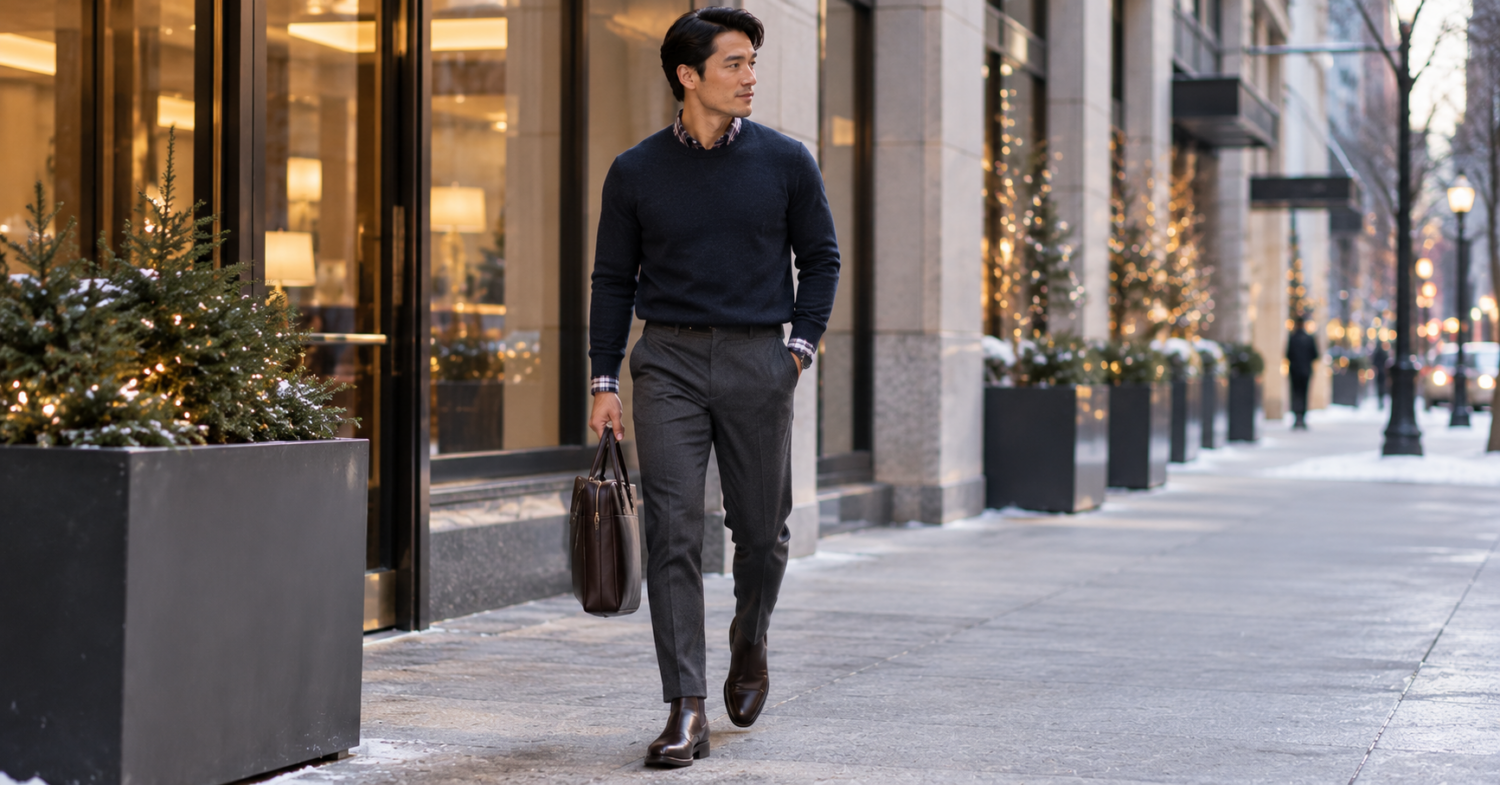
Uncomfortable bulk usually comes from stacking thick garments that add volume. For example, a chunky turtleneck under a heavy overcoat can bunch through the shoulders and chest and make the whole outfit feel restrictive.
It’s better to build warmth using thinner layers, like:
- A breathable base layer close to your body
- A lightweight knit for insulation
- A removable overcoat for the commute
Once you’re indoors, the coat comes off, but the other layers still feel comfortable and look office-appropriate. This also lets you adjust more easily if the temperature fluctuates throughout the day.
Prioritize light shirt fabrics — a comfortable base sets you up for success once cardigans and jackets layer on. Poplin is one option: a tightly woven cotton with a smooth surface. Fine Oxford cloth is another, with a little more visible texture, but in a lighter weave that still sits neatly beneath knitwear. Both avoid excess material, so they’re less likely to bunch around your torso or the sleeves.
Consider Proportion and Shirt Pairings
There are a few small details that keep your outfit’s lines clean so layers look curated and not piled on.
Smooth dress shirts work well under fine-gauge crewnecks or V-necks because the layers stay close to the body, making a smooth silhouette. For sleeves, let a little shirt cuff show past the middle layer so nothing piles up at the wrist.
Make sure this middle layer (usually a sweater or cardigan) sits around the waistband and doesn’t hang below your jacket. Your blazer, meanwhile, should cover the seat.
Winter Workwear Essentials for Men
You don’t need to go out and buy dozens of winter pieces. Look at the items you already own, and think about whether they can transition between an ordinary office day and more formal settings, and add the seasonal essentials accordingly.
Pro tip: Don’t write off something that’s in your wardrobe because its off-the-rack fit is slightly awkward. If you go to a tailor, they can hem trousers, shorten sleeves, and adjust the waist so the item sits much better on your body. These are relatively small alterations, but they can make a huge difference, and you’ll get more out of the pieces you already own.
Build a Dependable Core
Here are a few versatile items to consider for a winter capsule wardrobe:
- Flannel shirts: Flannel’s softly brushed surface adds more visual weight compared to a crisp summer shirt, and it looks at home next to heavier winter fabrics. But make sure you choose finer flannel and not thick outdoor styles when dressing for work.
- Wool trousers: Midweight wool has a soft drape and a slight thickness that looks seasonally appropriate without feeling stuff or looking bulky.
- Fine-gauge sweaters: Choose a smooth, closely knit sweater rather than a thick, heavily textured weave. The piece should follow your torso’s shape without stretching across it. This fit lets you wear it on its own or beneath another layer.
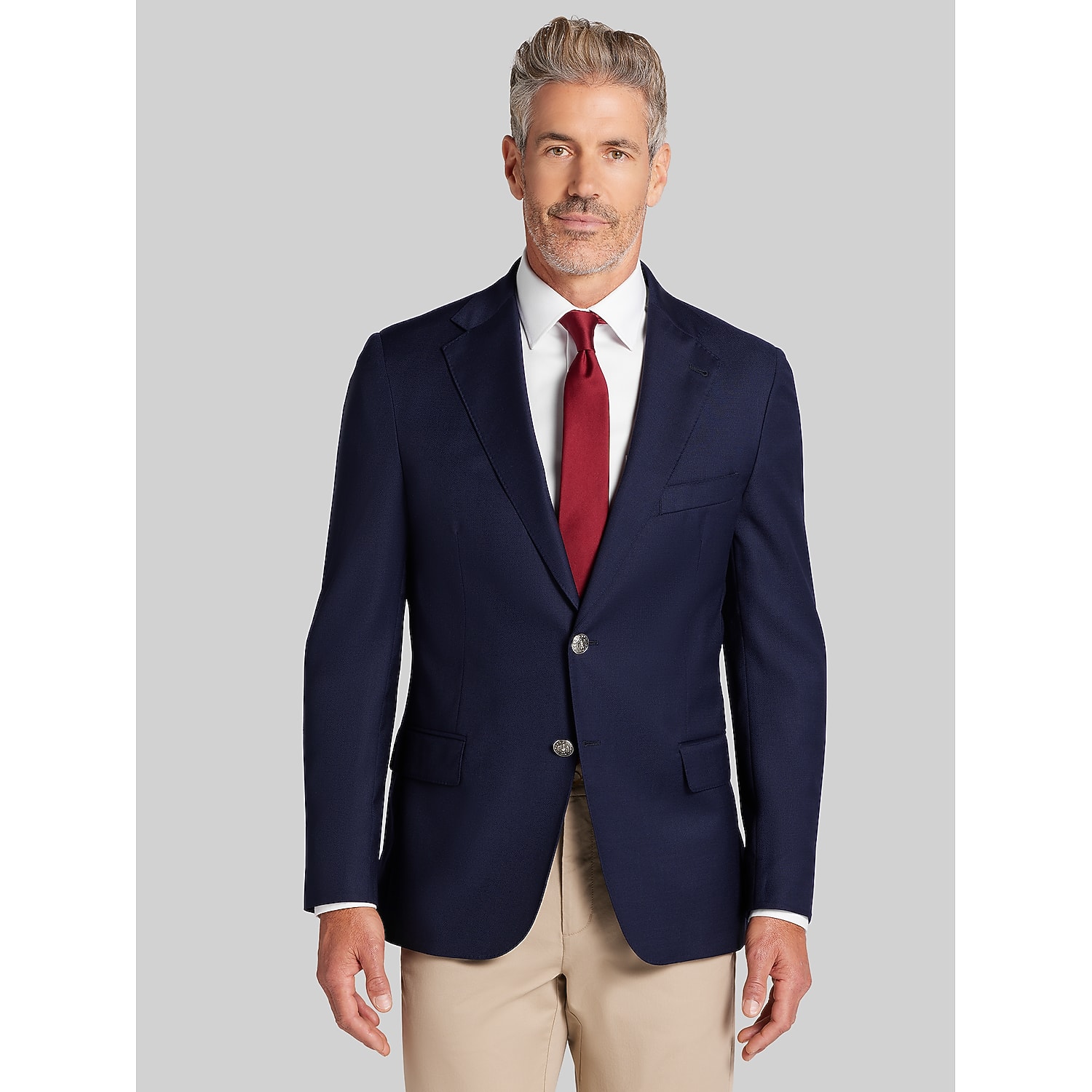
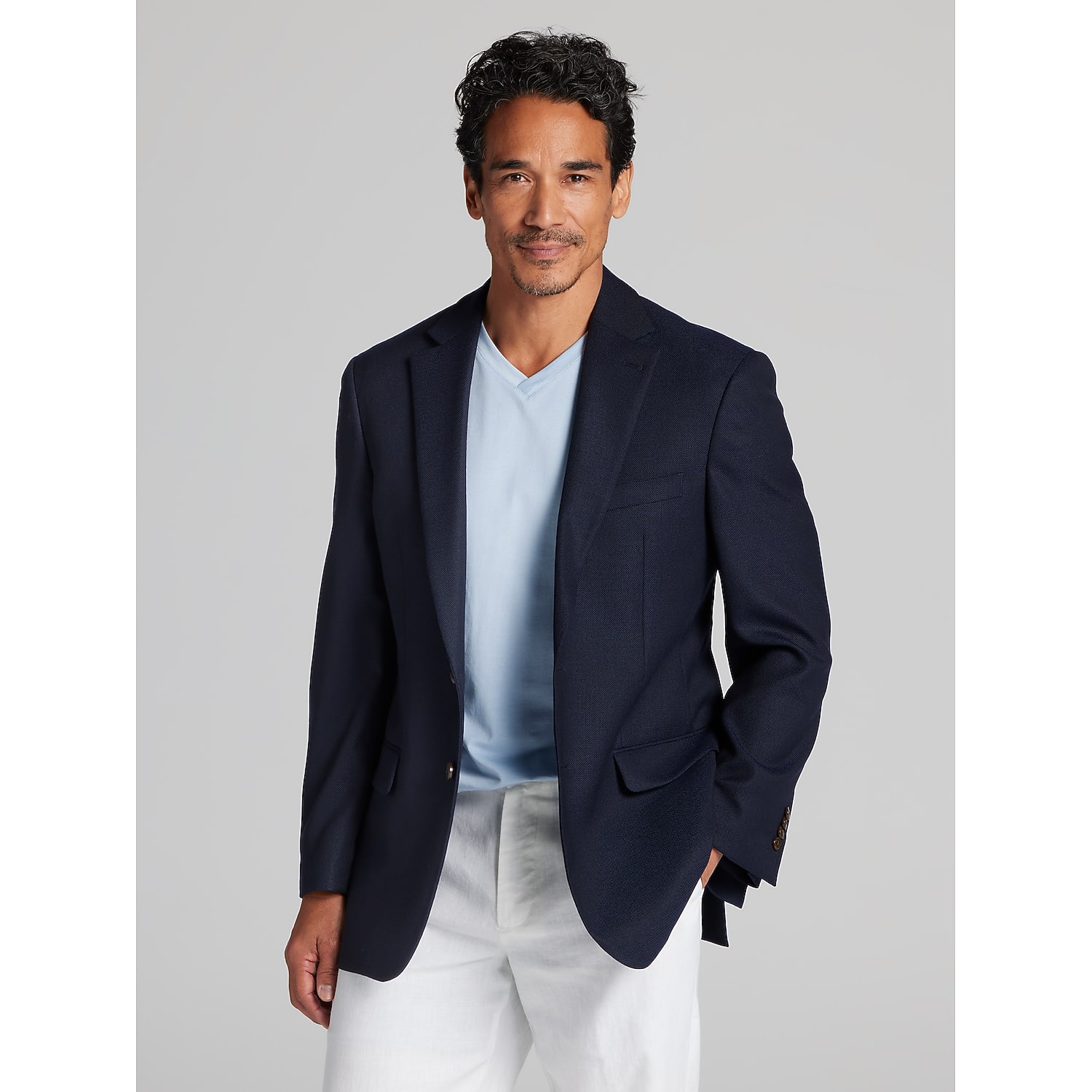
- Sport coats: Wool or tweed coats add a bit of texture and structure to the top half of your attire, and you don’t have to pair them with matching trousers. Make sure the coat sits cleanly on your shoulders and buttons up comfortably over your usual shirt or knitwear.
- Wool overcoats: Winter overcoats have longer lines and give you protection from the cold. A longer coat should have enough room through the chest and shoulders to accommodate the layers underneath, and it shouldn’t hang loosely when you wear it open.
Use Fabrics and Colors That Work Together
Wool, flannel, and tweed blends give you options for different textures, and they add visual interest to your look even when the colors are minimal.
Navy and charcoal are two of those colors, but you can opt for something like camel or French beige if you want a warmer neutral. Forest green is another option that adds color and pairs easily with other seasonal shades in your palette.
If you keep most of your pieces under this umbrella of neutral winter colors for men, most of your sweaters, trousers, and coats can work in multiple combinations instead of limiting you to single outfits.
Footwear and Fit
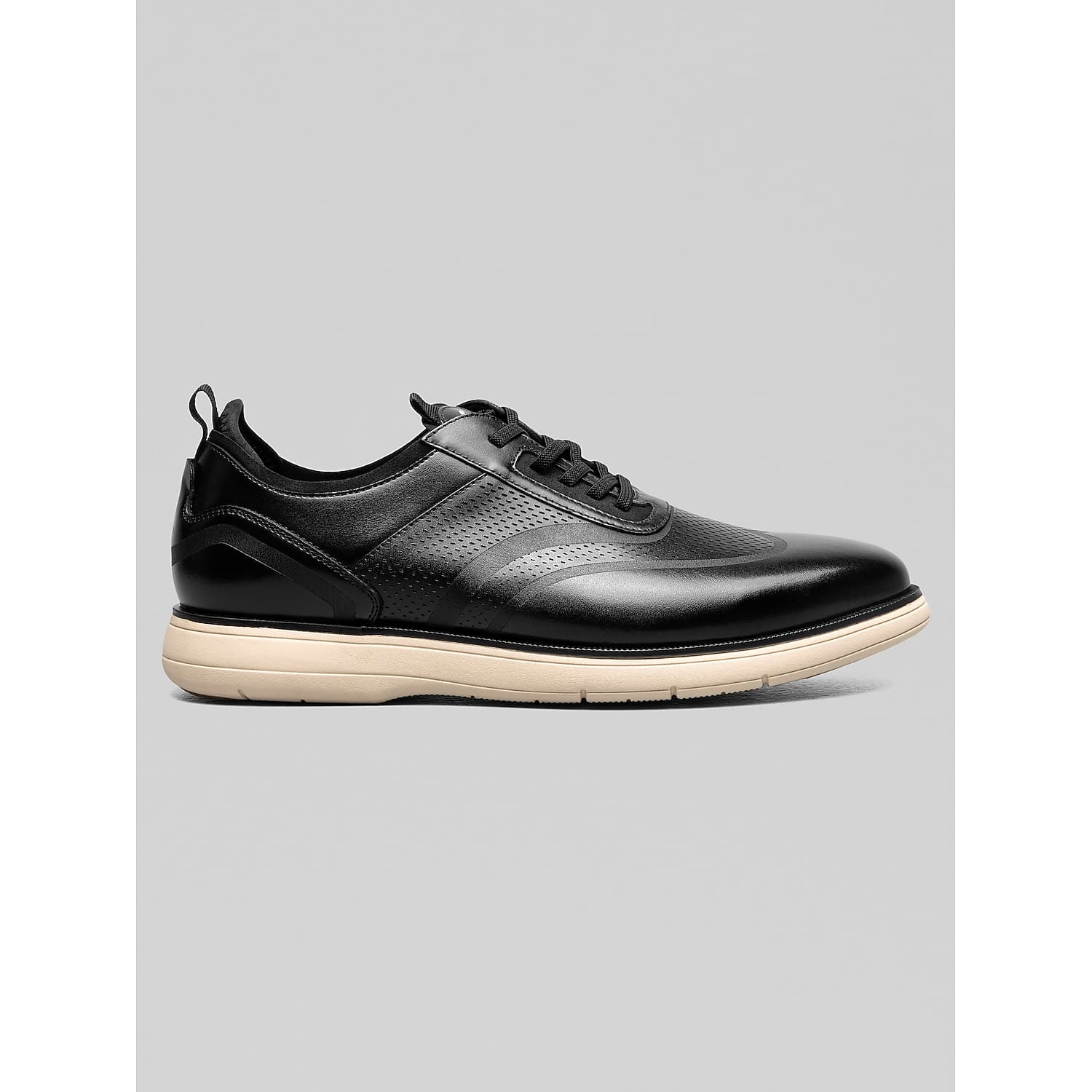
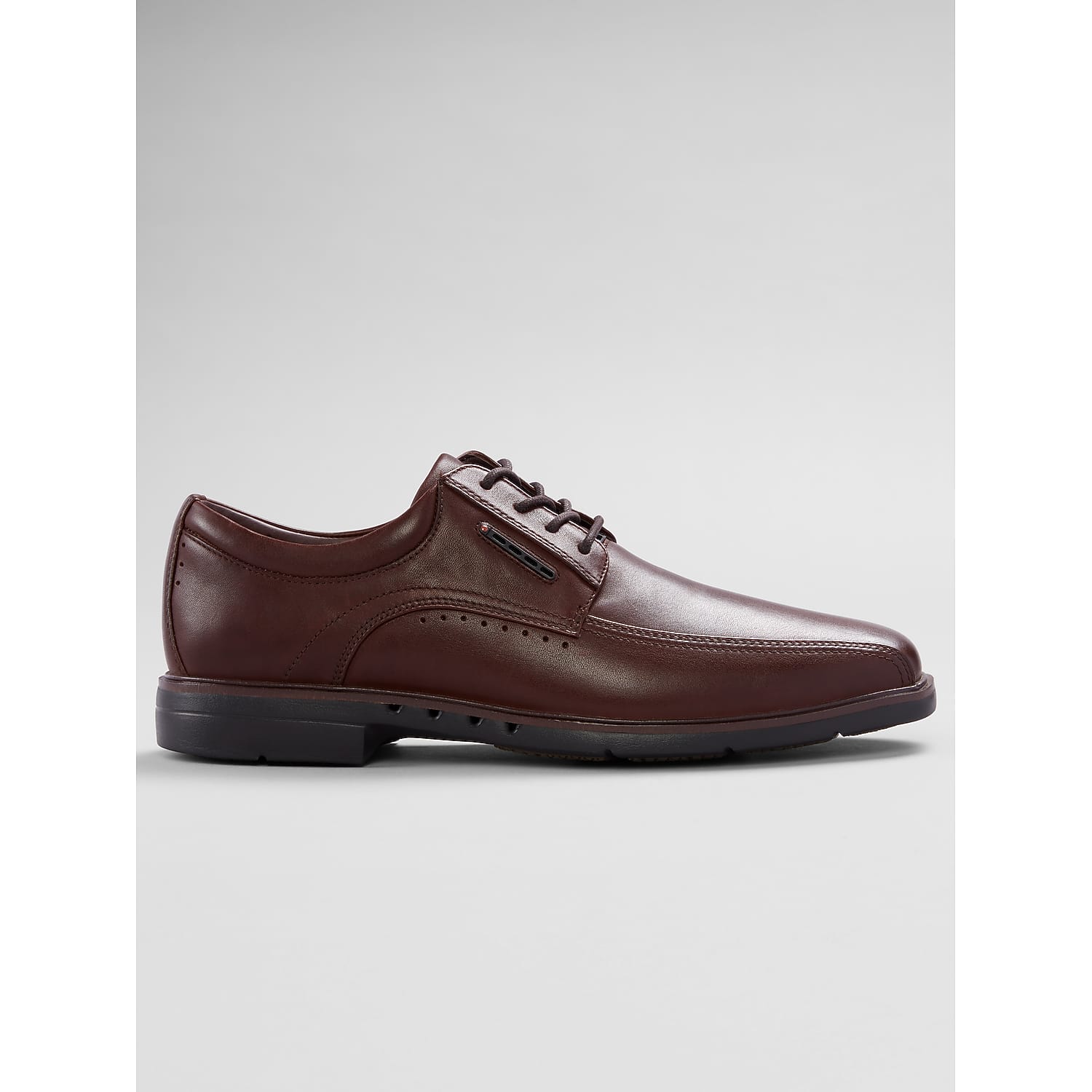
Leather derby shoes suit more traditional dress codes, while Chelsea or lace-up boots provide extra protection for colder days. If conditions are wet, wear a weather-suitable sole and leather that has waterproof coating.
Business Casual Winter Outfit Ideas for Men
Once you have your essentials, you can mix and match the same wardrobe to suit different parts of your workweek. Ideally, you should be able to swap out items as the setting becomes more or less formal, so you don’t have to create a separate wardrobe with dedicated outfits for specific occasions.
Here are a few versatile outfit ideas to try:
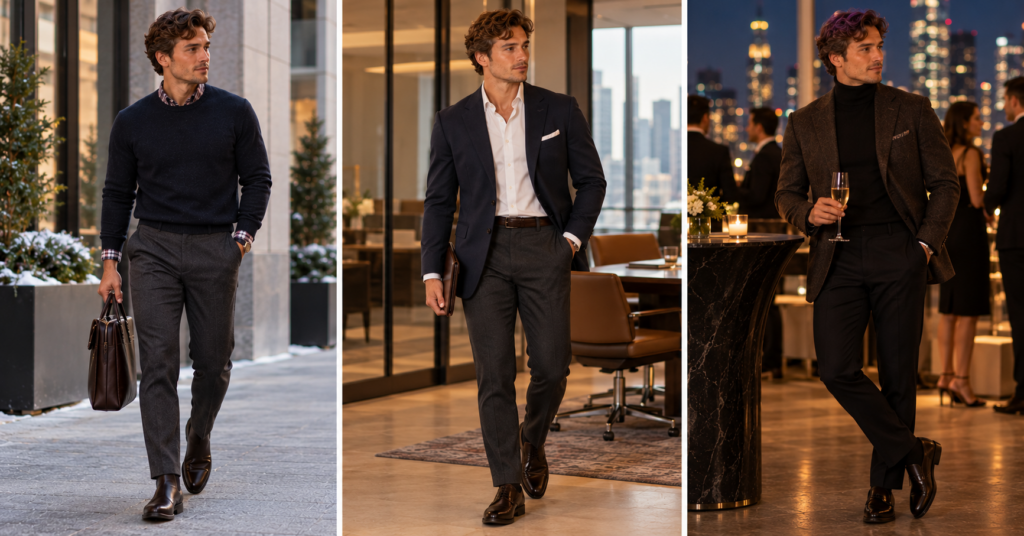
- Casual office day: Try a flannel shirt, fine-gauge sweater, wool trousers, and leather boots. With no jacket involved, this combination is relaxed enough for routine desk work but formal enough if an unexpected meeting comes up.
- Client meeting: Add a bit of structure to your wool trousers with a dress shirt, sport coat, and derby shoes. The jacket is a step up in formality without going all the way up to a suit.
- Networking or post-work events: A fine-gauge or quarter-zip sweater, blazer, flannel trousers, and Chelsea boots are a great middle ground when you need a smart casual winter outfit. You’ll look dressy enough for professional introductions and handshakes, but the attire won’t feel excessively formal once the setting becomes more social.
- Conference: Pieces like a collared shirt, trousers, and comfortable leather footwear offer enough formality to handle both presentations and hours of walking or sitting at a professional conference. You can also add or remove a blazer based on the specific event.
Business Casual Winter Accessories and Finishing Touches
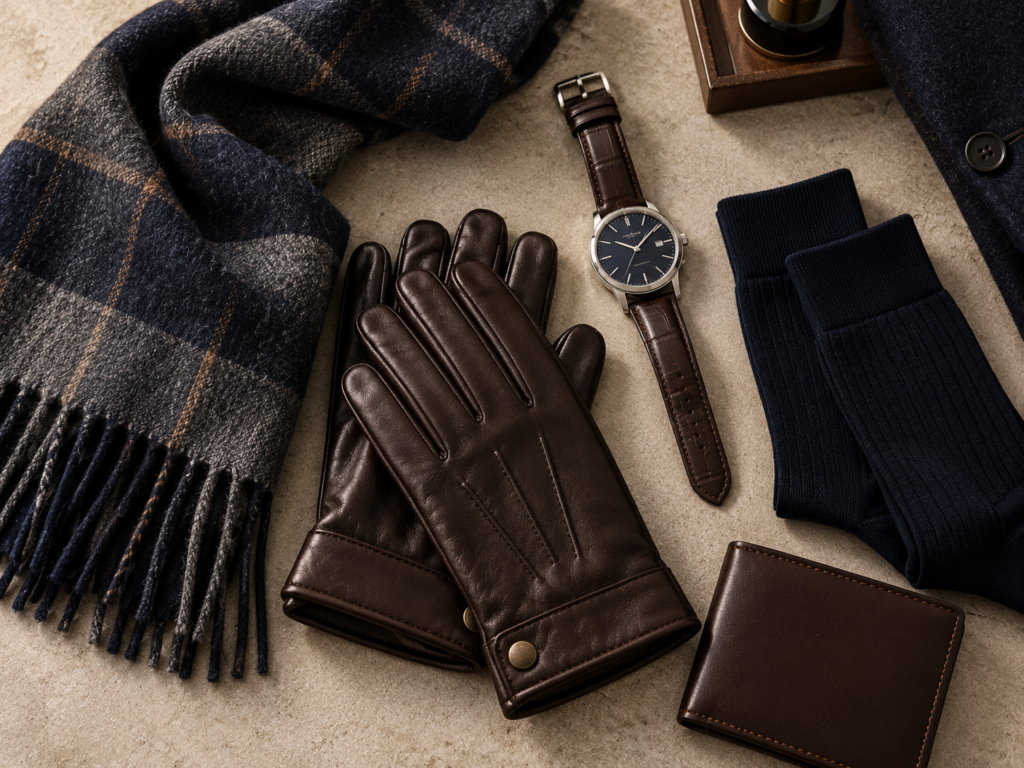
While some finishing details simply look sophisticated, in the winter, professional accessories often add visual interest while solving temperature problems — a classy scarf looks great and wards off chill. Here are a couple of examples of both types.
Men’s Business Casual Cold-Weather Accessories
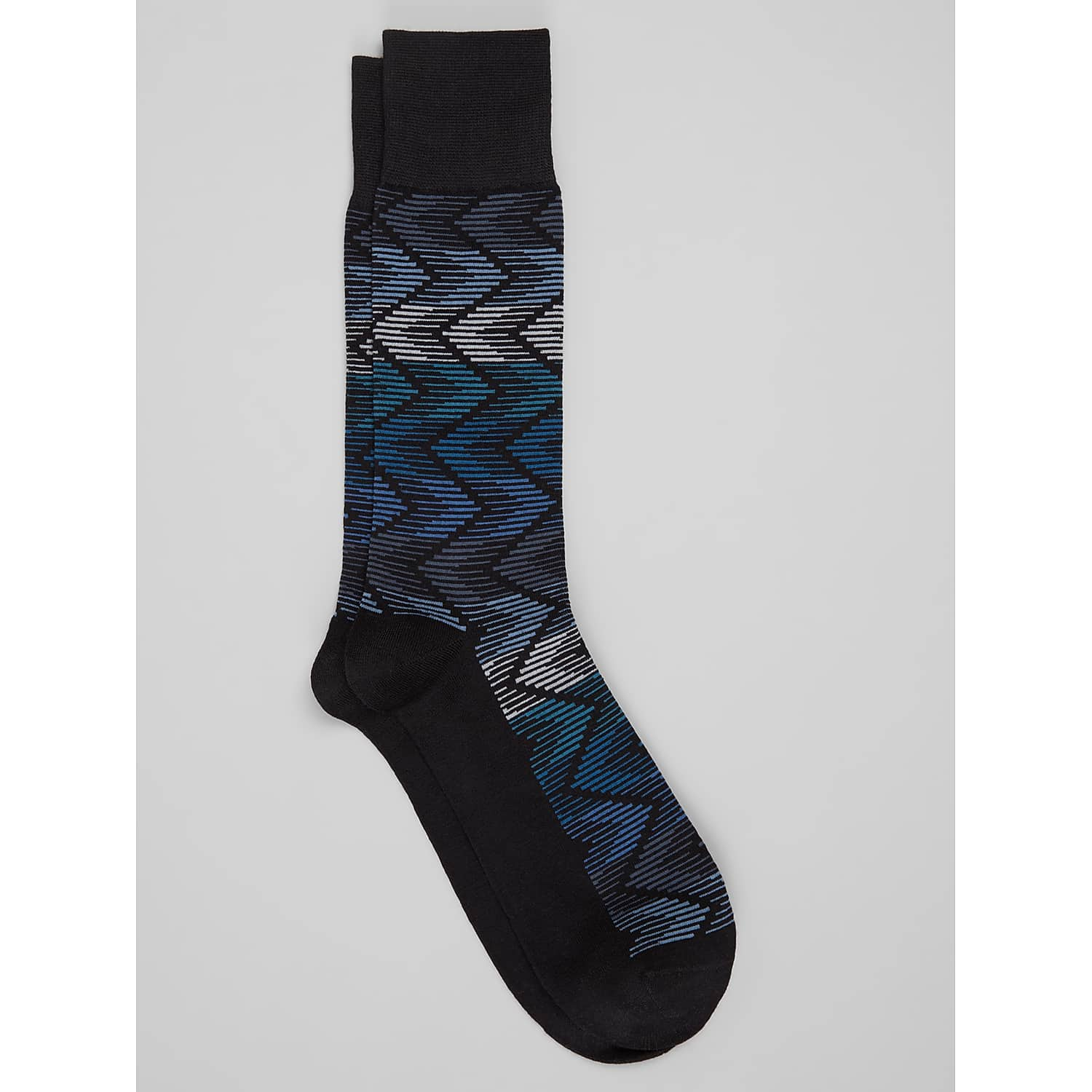
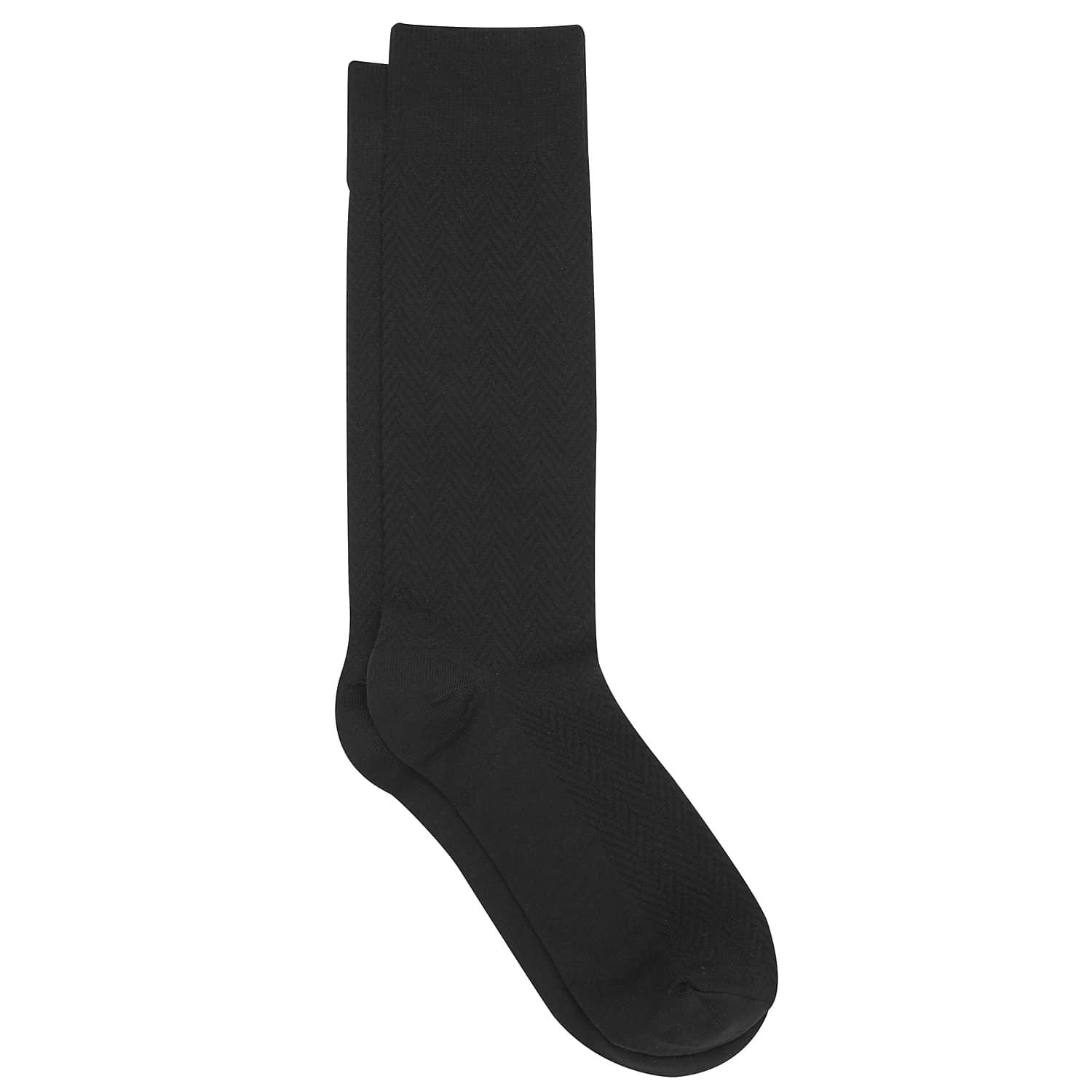
Wear a trim scarf or fitted gloves if the dress code allows it, or a minimal beanie in dark colors. Well-made socks can give you extra warmth without changing your silhouette at all. Keep these pieces neutral and quiet color-wise so you can reuse them across different outfits or remove them in the moment without making a noticeable difference to your look.
Dressier Details for Your Cold-Weather Work Outfit
A tie instantly raises your outfit’s formality for a client meeting or presentation. Watches add a subtle yet professional detail without affecting the dress code — they work in all situations, especially with a clean black leather strap or a steel bracelet. Save cufflinks for formal events, and keep any bright metal finishes or patterns understated so they don’t compete with the rest of your attire.
Make Winter Workwear Work for You With Men’s Wearhouse
The colder months shouldn’t make you choose between feeling comfortable and looking sharp for work. With Men’s Wearhouse, you can do both. Focus on pieces that suit your workplace, get tailoring done for the perfect fit, and feel confident for the office or when plans change.
Men’s Wearhouse can help with fitting advice or alterations, and you can explore our collection of business casual pieces to add to your rotation.
Find your nearest Men’s Wearhouse location and add the winter essentials to your wardrobe.
Shop Related Products