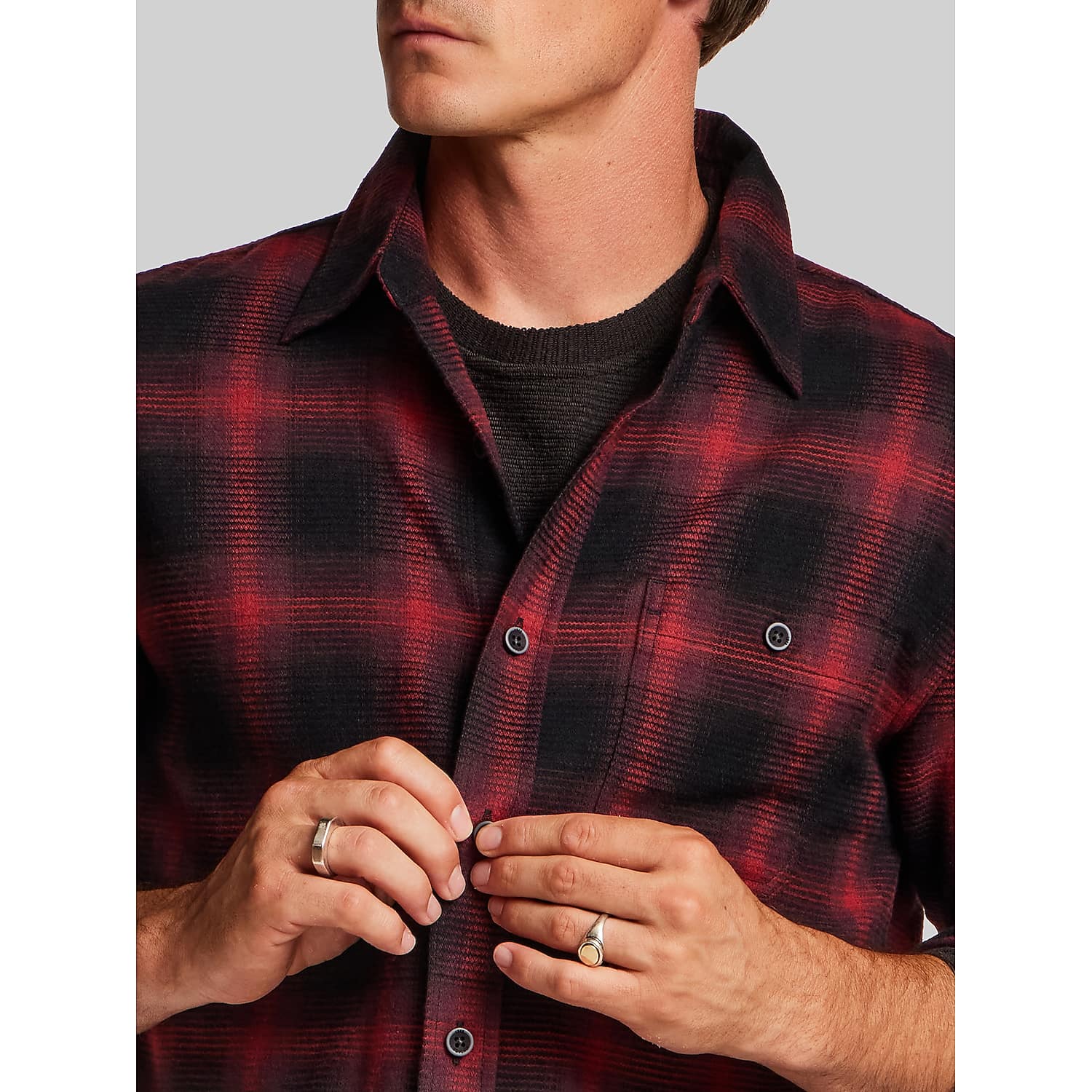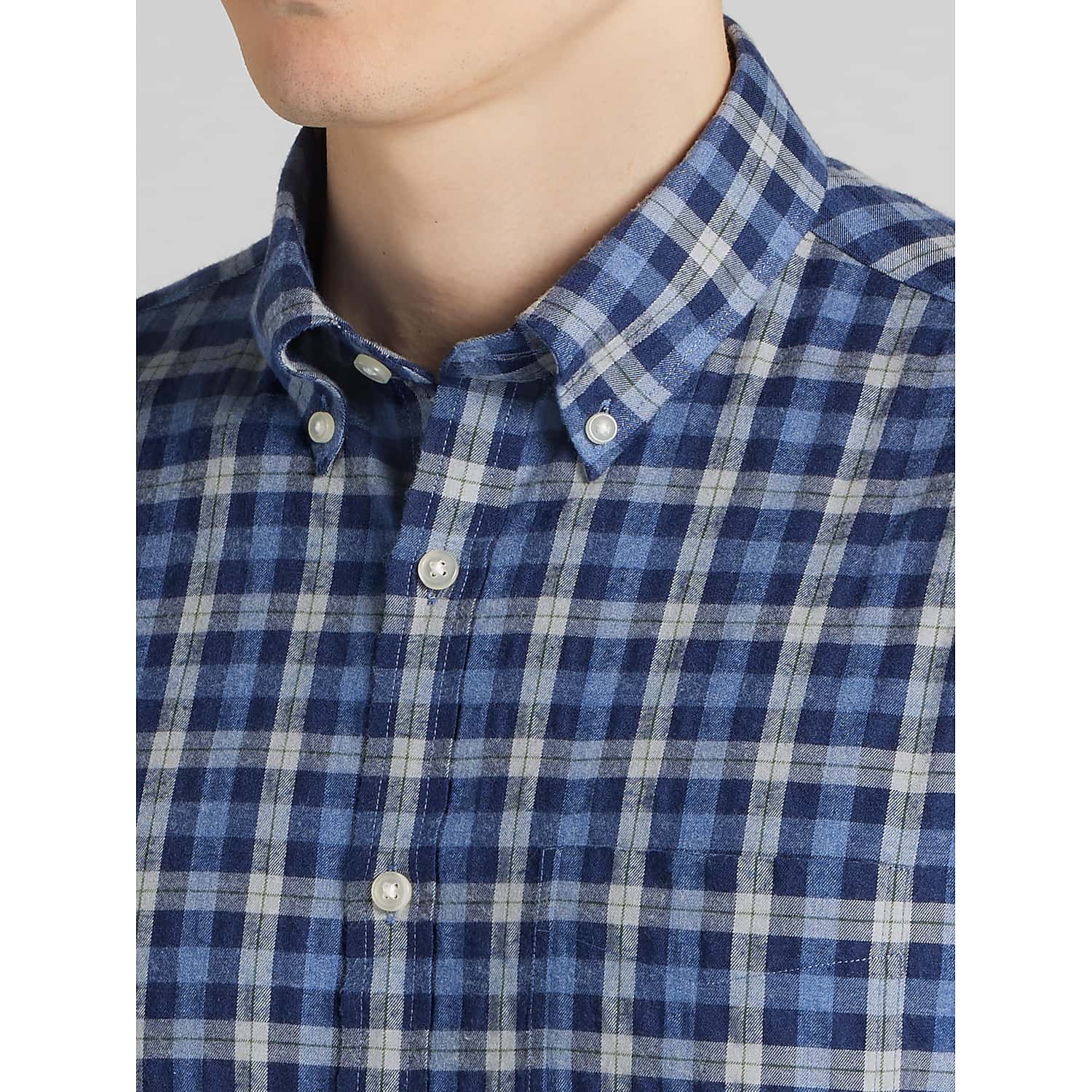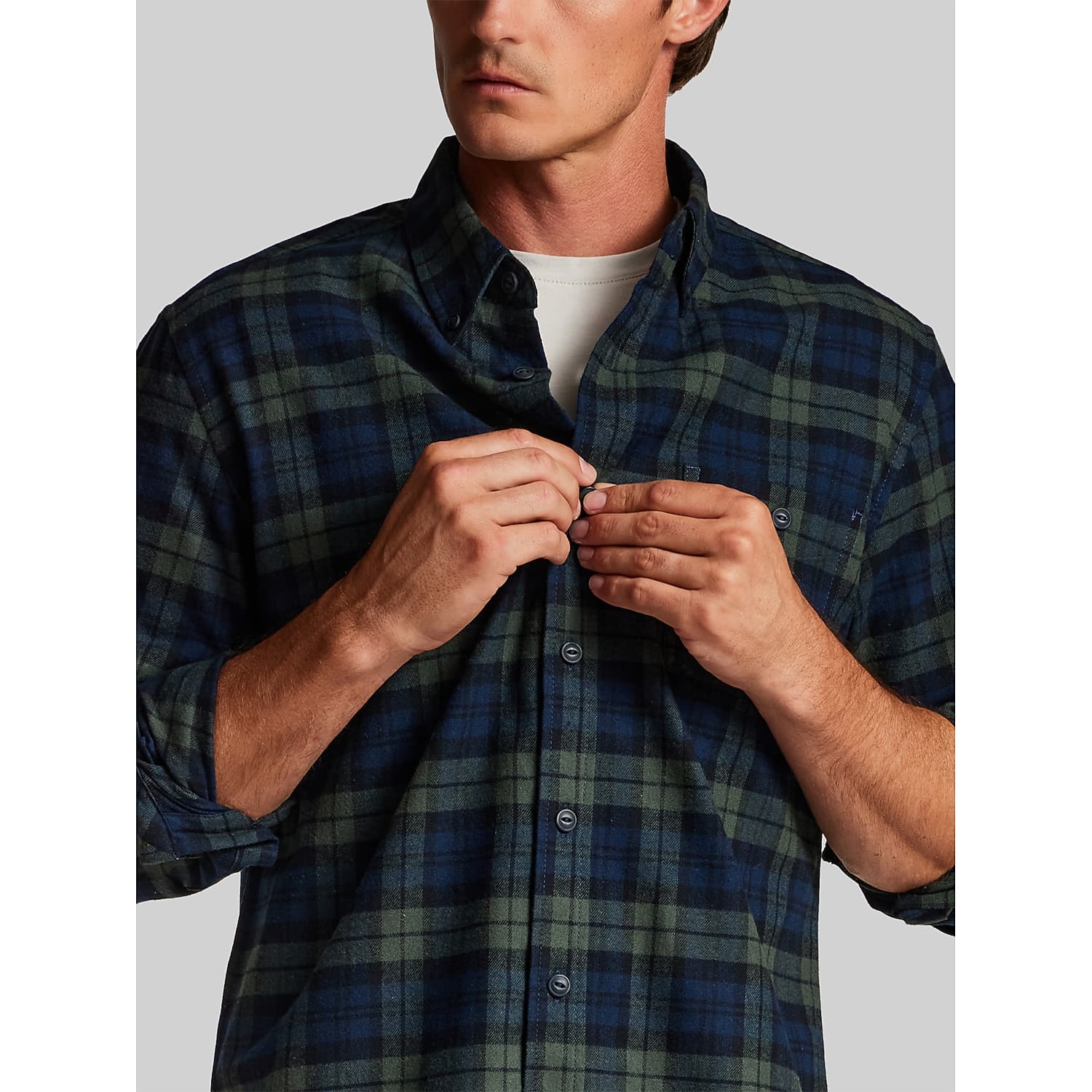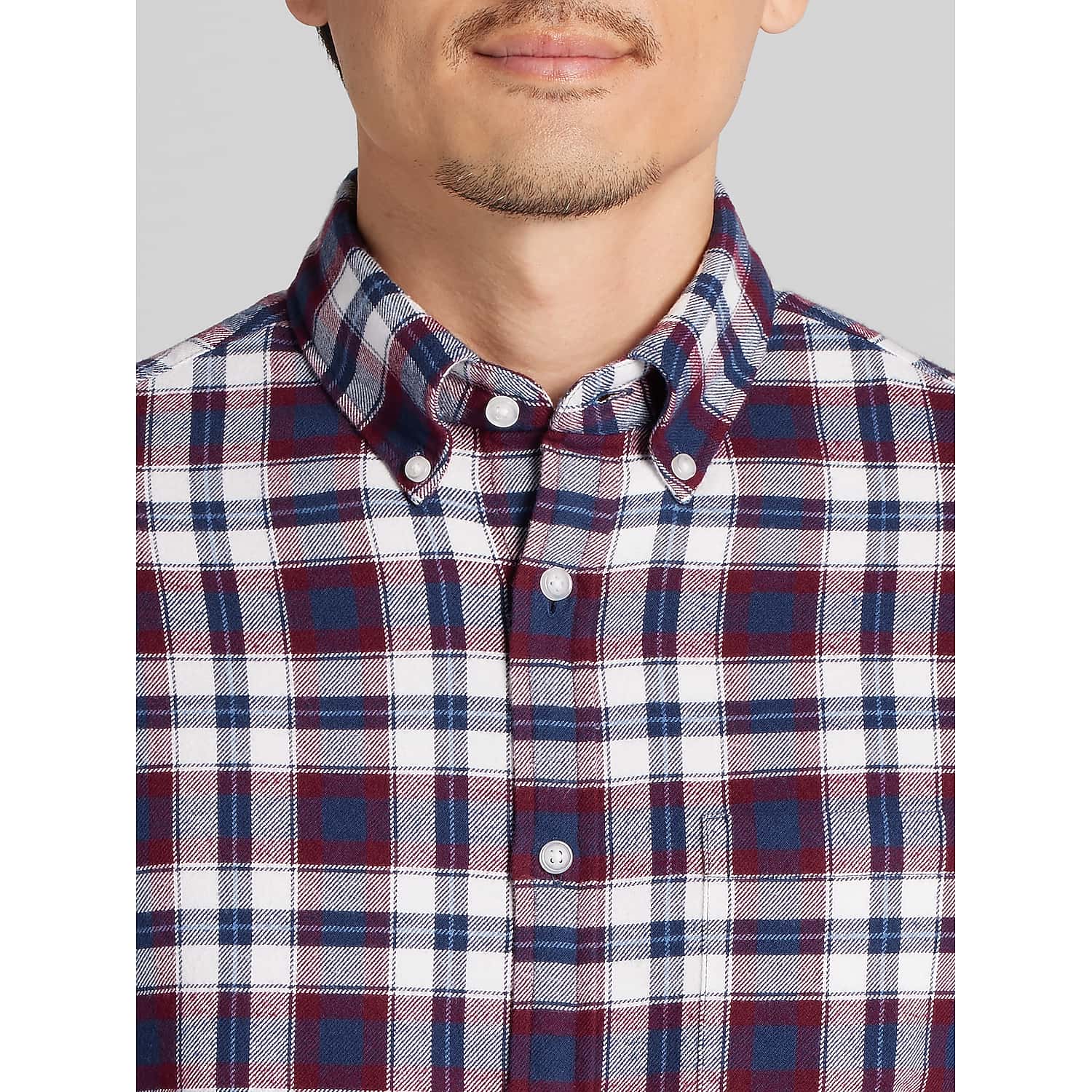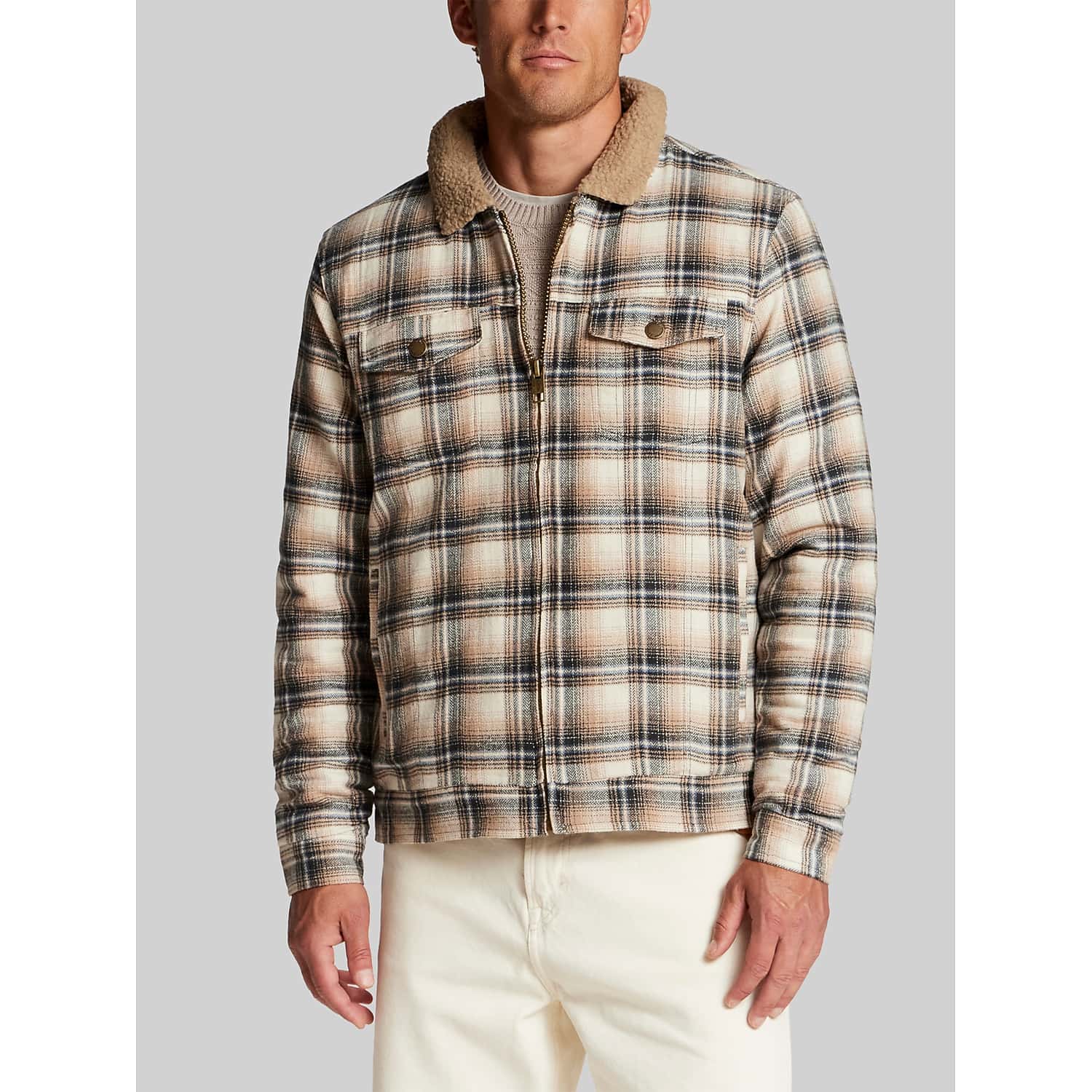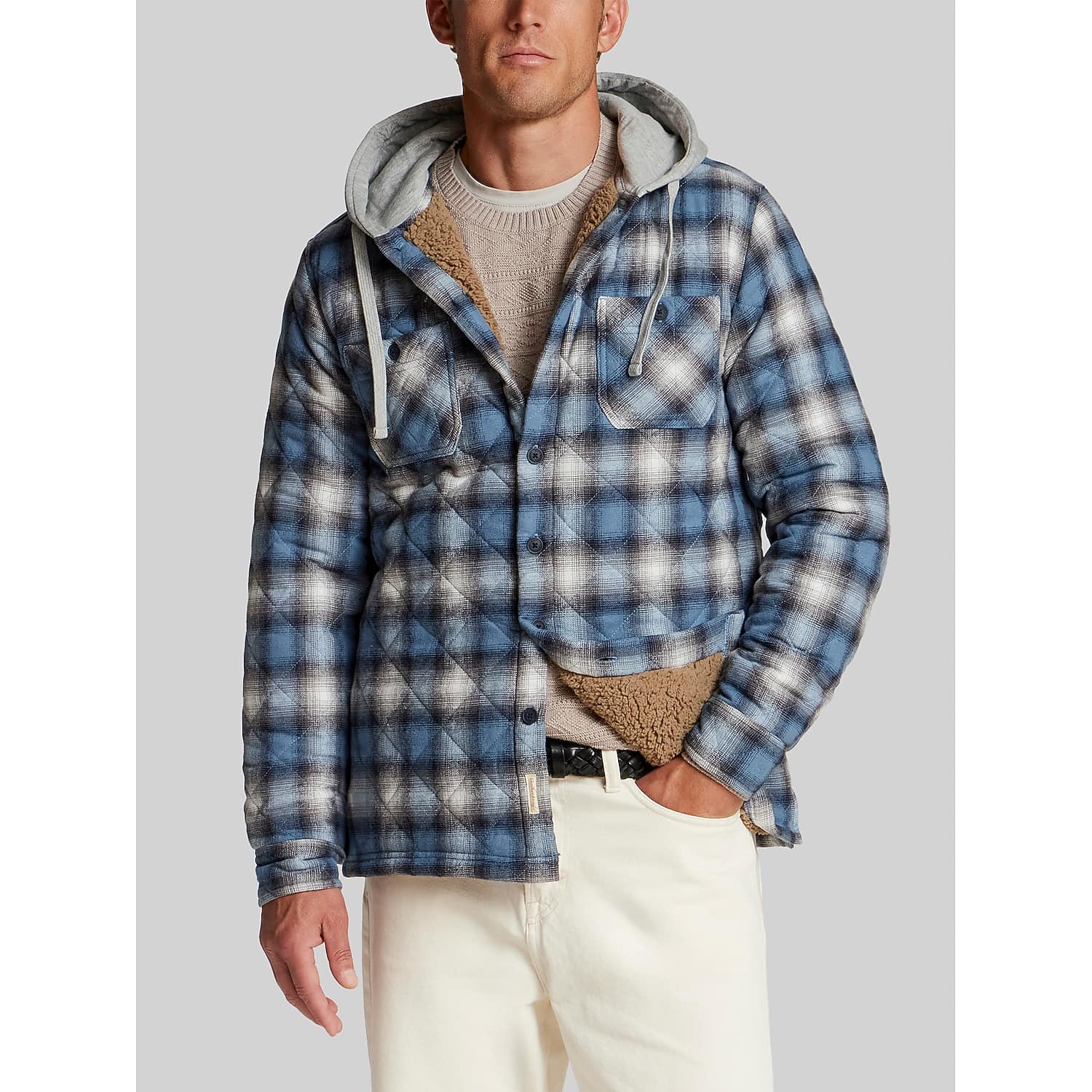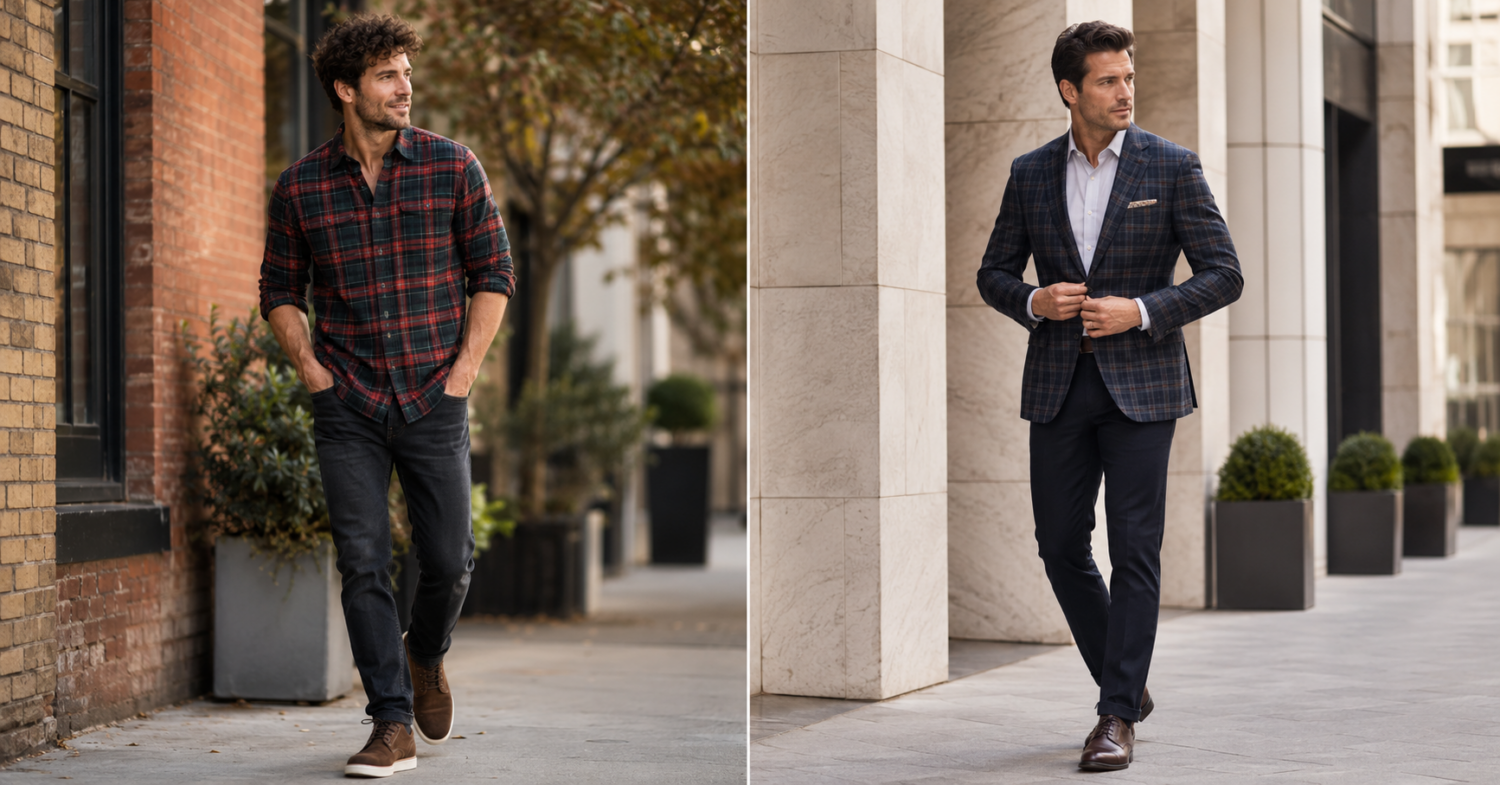

When should you wear flannel vs. plaid? Or did you think they meant the same thing? Plaid flannel shirts are popular. But not all flannel comes in plaid, and not all plaid is made of flannel. And while you may associate both with football games and Thanksgiving meals in the fall, you can wear them year-round. Keep reading to learn the difference between plaid and flannel so you can experiment with your style and level up your wardrobe.
What Is Flannel?
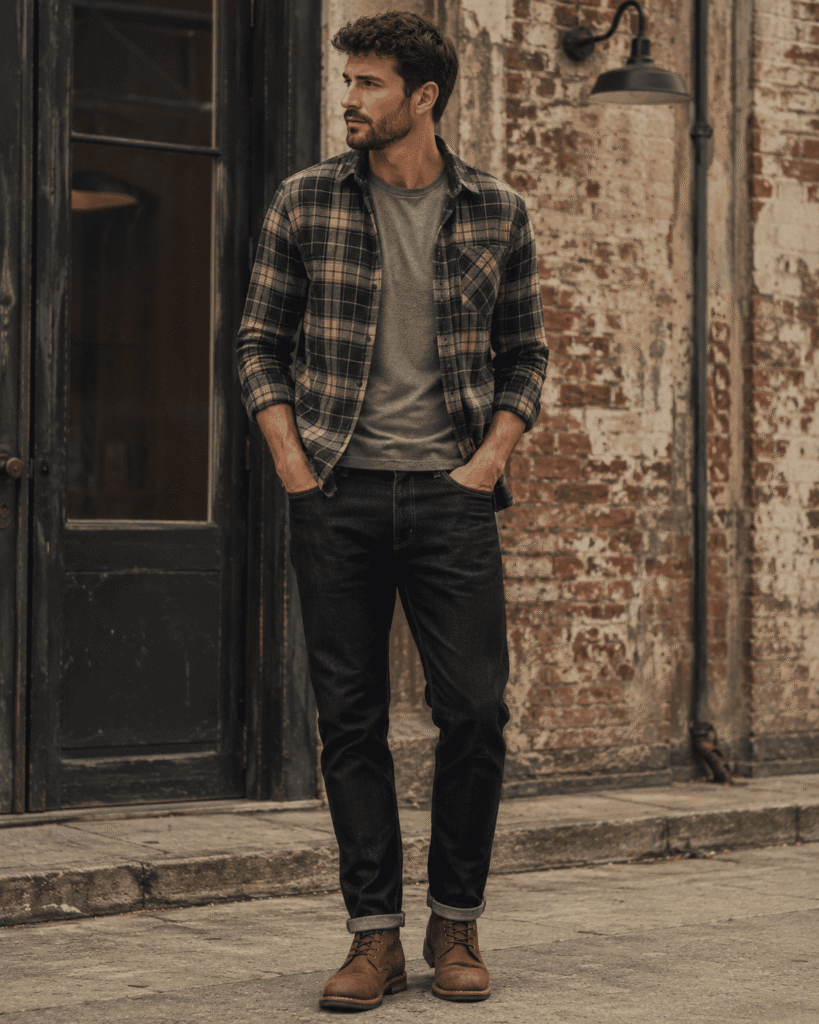
Flannel is a type of fabric known for its soft, fuzzy texture. It’s traditionally made from medium-weight yarn or wool that has been run through mechanical combs in a process known as carding. But many flannel shirts today are made from cotton or synthetic fibers like polyester. During production, a finishing process brushes the fabric to raise fine fibers, resulting in the signature softness and warmth that make flannel a go-to fabric for cooler weather.
Cotton flannel often appears in shirts and pajamas because it feels comfortable against the skin, as do cotton flannel sheets and blankets. Wool flannel offers more warmth and durability than cotton, so many brands use it for overshirts and outerwear.
Flannel made of 100% polyester or other synthetic fabric traps moisture and body odor. However, a blend of synthetic fibers and natural fibers like cotton or wool can create a breathable yet durable flannel.
Plaid is popular for flannel shirts, but it’s not the only print available. Flannel fabric can come in solid colors and other patterns like stripes or houndstooth.
What Is Plaid?
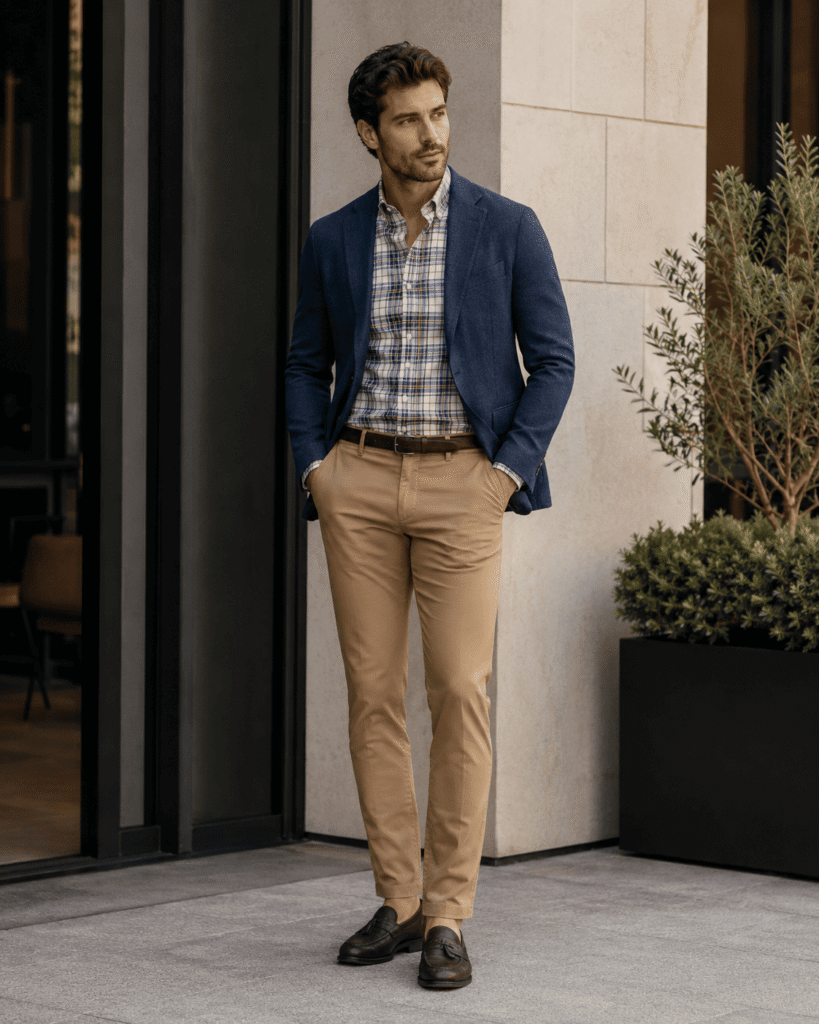
Plaid is a pattern, or type of decorative design used in textile production. It consists of intersecting lines of varying thickness and color to create a checkered, grid-like design popular in shirts, scarves, jackets, and pajama pants. You can find plaid in more formal attire like neckties and suits, so it works for multiple dress codes.
Manufacturers can apply a plaid pattern to just about any fabric, including cotton, wool, polyester, and flannel. So you can wear plaid on a lightweight shirt in the spring or on a thick sweater in the fall.
Flannel vs. Plaid: 4 Key Differences
Keep these four ideas in mind when you need help deciding whether you should wear plaid, flannel, or both.
- Fabric vs. Pattern
Remember: Flannel is a material, and plaid is a design. Soft, fluffy flannel can come in solid colors, plaid, or other patterns. And you can find plaid fabric made out of cotton, wool, or synthetic textiles.
- Texture and Feel
Flannel has a slightly fuzzy texture that’s soft to the touch. That texture is consistent whether the fabric is plain or patterned. Plaid doesn’t have any specific texture — it’s a fabric pattern that has no impact on a garment’s comfort or wearability.
- Seasonality
Most people associate flannel with fall and winter because it traps your body heat and keeps you warm. It makes for a versatile layer in your cold-weather wardrobe. You can wear it buttoned up on its own, leave it open over a T-shirt, or layer it under a jacket or hoodie for extra coziness. But plaid isn’t tied to a season — you can find it on breezy summer button-downs and heavy winter jackets.
- Styling Flexibility
Flannel leans casual and is common for workwear-inspired fashion and laid-back weekend wear. Plaid can be casual or formal. A plaid short-sleeve shirt looks relaxed in the spring or summer. But if you’re invited to a formal Scottish wedding, you can expect to see dress kilts in tartan, a type of plaid associated with family clans or regions. Just be mindful of the strictest dress codes — plaid and other patterns are not appropriate for black-tie or white-tie events.
How Men Should Wear Flannel Shirts
You can wear flannel for stylish, everyday comfort. Here are some tips to build your outfit.
Casual Layering
Pop a flannel over a crewneck or fitted v-neck T-shirt for weekends or travel days. If you want to show off your forearms, roll up the sleeves for a cool, lived-in look.
Smart Casual Styling
Pair a flannel shirt with dark denim and leather boots, and you’re ready for a night out downtown. Or you could style a flannel with a blazer and chinos for casual Fridays at the office. If your workplace has an especially lax dress code, tuck a fitted flannel into tailored trousers and head to lunch meetings, networking events, or client catch-ups.
Fit Matters
The workwear aesthetic is in, and oversized flannels nail the rugged, utilitarian trend. Slim-fit flannels create a streamlined silhouette that’s easier to style with a sport coat for professional environments.
Small tweaks make a big difference. Tailors can shorten sleeves for a better break at the wrist and taper the torso for a closer fit, depending on the fabric weight and construction. These changes make flannel shirts look more elevated.
Flannel vs. Plaid for Different Occasions
Here’s when to wear plaid or flannel so you look perfectly dressed at your next outing:
- Casual weekends: Reach for a flannel shirt in plaid or any other pattern when running errands or catching up with friends. You’ll be comfortable and still look sharp.
- Business casual: Incorporate plaid patterns on a necktie or button-down shirt. Keep the colors muted so they’re easy to mix and match and don’t read too loud for the office. If your office is cold, you can try a slim-fit flannel under your blazer.
- Fall/winter layering: Go with heavier flannel shirts and outerwear to lock in warmth for chilly mornings or outdoor activities. Buffalo plaid feels festive whether you’re picking apples or attending a holiday dinner.
- Formalwear accents: Opt for wool or cashmere instead of flannel for formal events. If you want to add a little personality without breaking a formal dress code, add a plaid accessory like a bow tie or pocket square.
Common Plaid and Flannel Mistakes To Avoid
Remember that flannel is a material and plaid is a pattern. Not all flannel shirts have a plaid print, and not all plaid designs show up on flannel clothing. When you confuse the two, you end up choosing pieces based on appearance alone, which could lead to unmet expectations about warmth and performance. Try to focus on the fabric first, and then decide if you want a pattern or solid color.
Here are some other styling mistakes to watch out for.
Oversized Fits
Oversized flannel can look sloppy if the proportions don’t work with the rest of your outfit. Balance a baggy shirt with slim trousers to keep your proportions in check. Or opt for slim-fit shirts that sit closer to the body.
Clashing Patterns
Mixing plaid with competing patterns like paisley, polka dots, or animal prints can look overwhelming and make your outfit feel messy. It’s better to anchor plaid pieces with solid colors. If you want to add interest to your outfit, play with different textures like a soft wool sweater or ribbed knit shirt.
Heavy Layering
Stacking thick flannel pieces or styling them with bulky outerwear can weigh you down and overheat you. To stay comfortable, pair heavier flannel with lightweight base layers.
Find the Right Style and Fit at Men’s Wearhouse
At Men’s Wearhouse, our in-store team of experts takes the guesswork out of getting dressed. We can help you find the right fits, fabrics, and patterns for everyday styling or your next big event. Whether you prefer flannel, plaid, or both, Men’s Wearhouse helps you build outfits that feel polished and easy to wear.
Shop Related Products