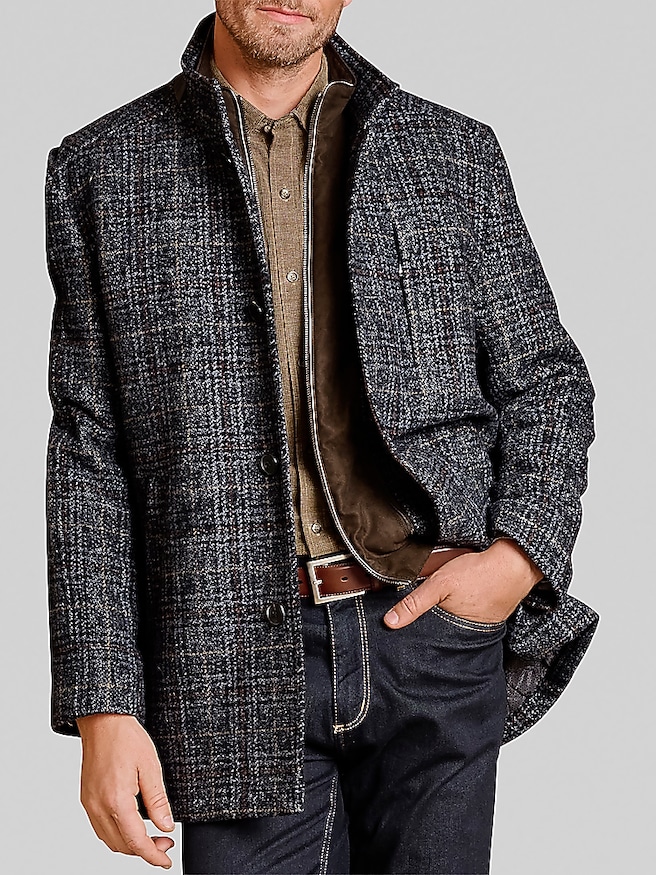
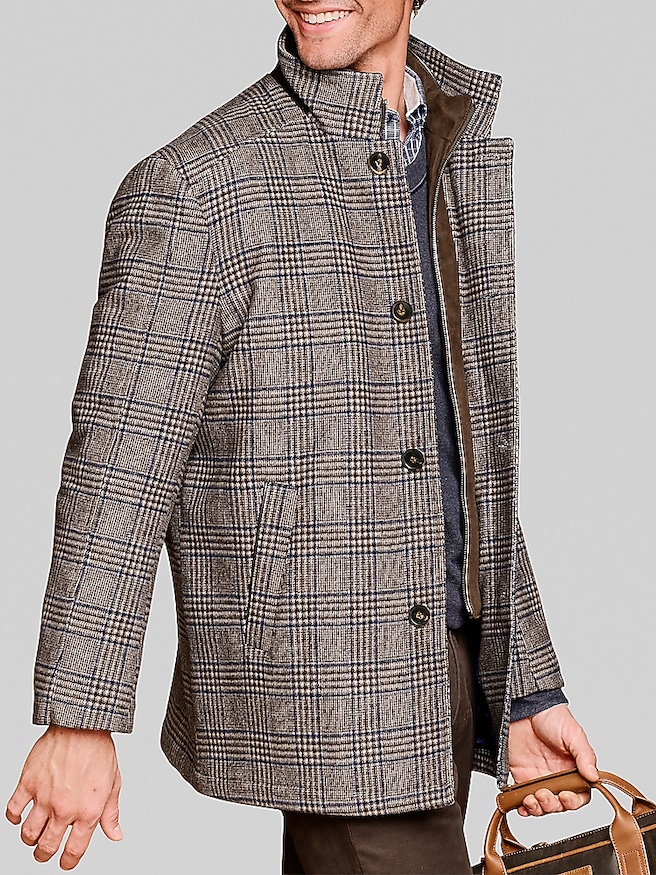
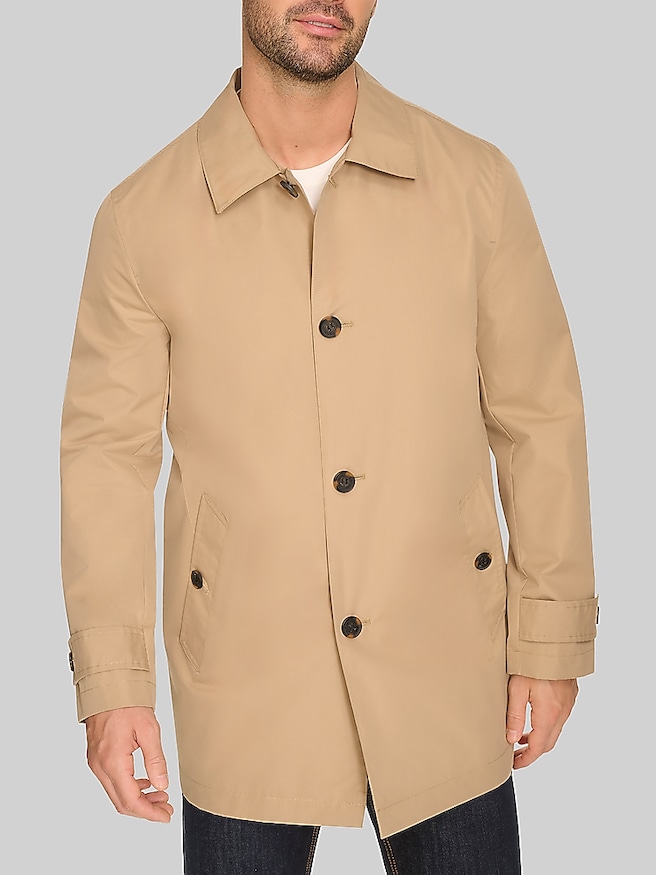
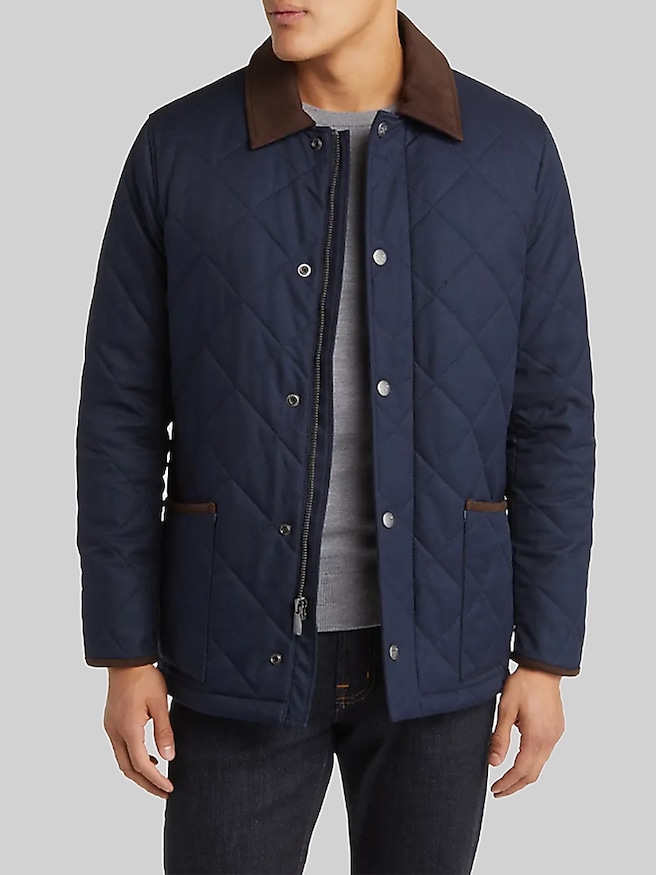
XXL winter coats combine cold-weather coverage with the room needed for comfortable layering, whether the day involves a train platform, a walk across a windy parking lot, or an evening arrival in a suit. XXL and 2XL generally refer to the same size designation, but the actual measurements and proportions can differ by manufacturer and silhouette. The most useful distinctions go beyond the size label: fabric, insulation, coat length, and construction all influence how a coat feels and performs. Wool and wool-blend outerwear provides a structured appearance that works naturally with tailored clothing, while tightly woven fabrics can help reduce the feeling of wind moving through the garment. A blend may add resilience or make the fabric easier to maintain, although its exact composition matters more than the word “blend” alone. Insulated coats offer another approach, using down or synthetic fill to hold warm air close to the body. Down is valued for its warmth relative to its weight, while many synthetic fills maintain more insulating ability when damp and may accommodate simpler care routines, depending on the garment. Neither fill type makes a coat automatically waterproof; protection from precipitation depends on the outer fabric, treatments, seams, and overall design. A water-resistant finish can help with light moisture, but it is not the same as waterproof construction. Features such as an insulated hood, a covered front closure, adjustable cuffs, and a collar that closes comfortably can make a noticeable difference when wind reaches exposed areas. Longer cuts provide additional coverage through the seat and thighs, while shorter lengths allow easier movement in and out of a vehicle. No single material or thickness guarantees comfort at a particular temperature. Walking briskly to an office creates different needs than standing outside for an extended period, and layers underneath affect the result. The right balance is a coat that suits the expected conditions without adding unnecessary weight or restricting ordinary movement.
Men's XXL Coats should leave enough space for the clothing underneath while maintaining a balanced shape through the shoulders, chest, and sleeves. A coat that fits over a thin shirt may feel very different over a substantial sweater or a suit jacket, especially through the upper arms and back. Chest and waist or abdomen measurements, compared with the applicable size chart, provide a more dependable starting point than relying on a usual shirt size. XXL is not automatically interchangeable with a big or tall size: tall proportions generally address additional body and sleeve length, while big sizing may use a different pattern for width and overall balance. Someone with broad shoulders, a fuller midsection, or a longer torso may need to pay particular attention to those differences. With the coat fastened, the front should lie comfortably rather than pulling across the body, and the shoulders should allow an easy forward reach. Sitting down, bending the elbows, and reaching toward a steering wheel can reveal tightness that is less obvious when standing still. Sleeves need to cover the wrists without extending so far that they interfere with the hands, and pockets should remain easy to reach without lifting the shoulders. For wear over tailoring, sufficient length helps keep the jacket beneath from extending past the coat hem. A straighter or more relaxed silhouette can accommodate substantial layers; a closer cut creates a sharper outline but still needs usable room through the torso. Details also influence how easily a coat moves between settings. A smooth front and understated collar pair well with office clothing and dress trousers, while a hooded or quilted silhouette feels natural with denim, sturdy boots, and knitwear. Dark neutrals are versatile alongside navy, gray, and black, while textured fabrics add visual depth without requiring a bold color. Comfortable proportion matters more than a narrowly defined look: a well-fitting XXL winter coat can feel substantial and protective without overwhelming the person wearing it.
Durability in an XXL winter coat comes from the combination of fabric quality, sound construction, and care suited to its materials. Areas that receive repeated stress deserve attention, including pocket openings, sleeve edges, zipper attachments, and the points where buttons meet the front of the coat. Secure stitching and closures that operate smoothly help support regular use, particularly when a coat is fastened and unfastened several times throughout a commute. Lining fabric should allow layers to slide underneath without catching, and pockets should hold everyday essentials comfortably rather than distort the coat when filled. Practical details can matter as much as appearance: an interior pocket keeps small belongings close, a two-way zipper can ease pressure when seated, and a hood adjustment helps keep coverage in place without blocking vision. Care requirements vary considerably, so the garment label remains the authority for cleaning, drying, and pressing. Some wool outerwear calls for professional cleaning, while some insulated designs permit machine washing under specific conditions; neither approach should be assumed from appearance alone. Excessive heat, unsuitable detergents, or incorrect drying can affect fabric finishes and insulation. Between cleanings, allowing a damp coat to dry thoroughly before storage helps protect its condition. A supportive hanger suits many structured coats, while insulated garments benefit from avoiding prolonged compression. Leaving enough closet space prevents unnecessary crushing and gives the fabric room to air. These considerations also make winter outerwear a thoughtful gift for a partner, parent, adult son, or friend whose daily routine includes time outside. Accurate measurements, preferred coat length, usual layers, and tolerance for garment care are more useful than guessing from another piece of clothing. For frequent commuters, weekend walkers, and people who dress formally for work or special occasions, the strongest choice brings warmth, mobility, and an appropriate appearance together. A coat that feels easy to wear and manageable to maintain is better suited to becoming a dependable part of a winter wardrobe.