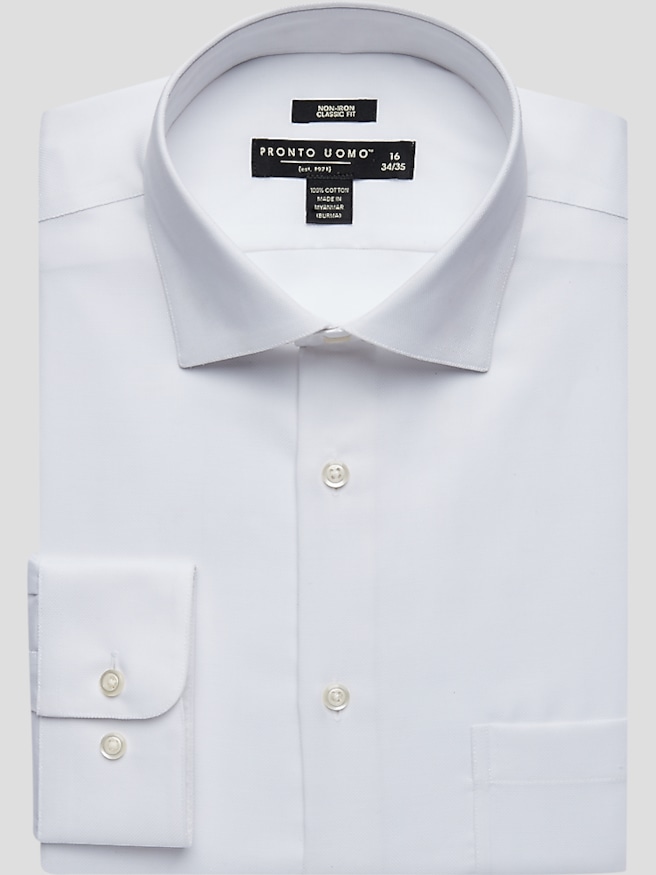
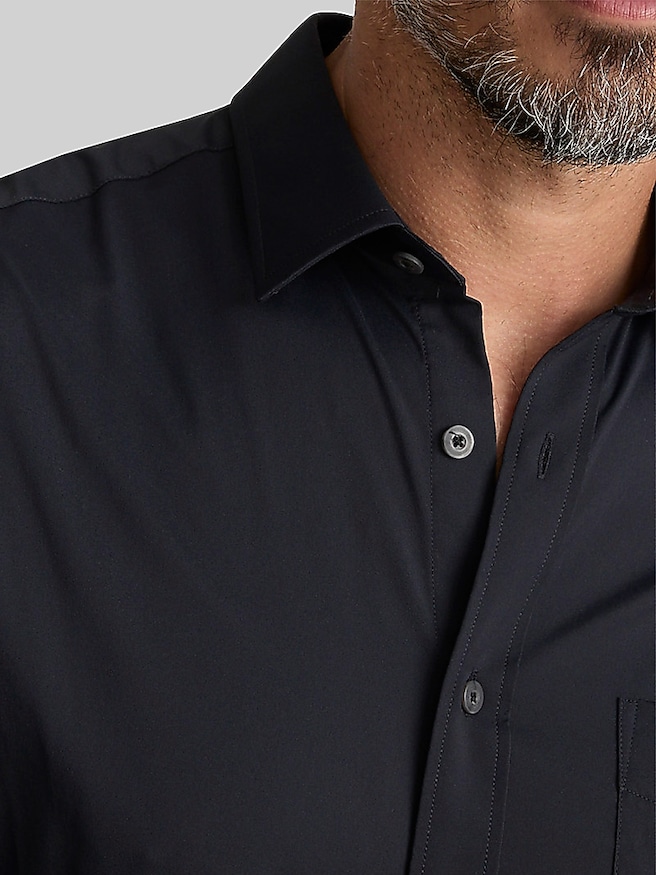
Wrinkle resistant oxford shirts pair the familiar texture of oxford cloth with fabric designed to help reduce creasing through everyday wear and laundering. Oxford cloth is defined by its basket-style weave, which gives the surface a subtle grain rather than the flat, crisp appearance of poplin. That texture is part of its appeal: it looks polished enough for an office setting but relaxed enough to wear with chinos or dark denim. Wrinkle resistance adds a practical benefit for anyone whose day includes a commute, hours at a desk, or a change of plans after work. It does not mean a shirt will stay perfectly smooth under every condition. Pressure from a seat belt, tightly packed luggage, or prolonged sitting can still leave marks, but the fabric may need less attention to look neat again. The effect can come from a finishing treatment, the fiber blend, or a combination of both, so the fabric description and care label matter more than the wording alone. Cotton oxford offers a familiar, absorbent feel and a substantial hand, while cotton blends can bring other qualities, including quicker drying or improved crease recovery, depending on their composition. A small amount of stretch can add give across the shoulders and elbows without changing the shirt’s traditional appearance. Fabric weight also affects how an oxford drapes: a more substantial cloth tends to hold its shape, while a lighter construction may feel less bulky beneath a jacket. For a broader view of easy-care shirt fabrics and styles, the Wrinkle Resistant Shirts collection provides related options beyond oxford cloth. Within the oxford category, the strongest choice is not necessarily the smoothest-looking fabric on a hanger; it is the combination of texture, comfort, and care requirements that suits the way the shirt will actually be worn.
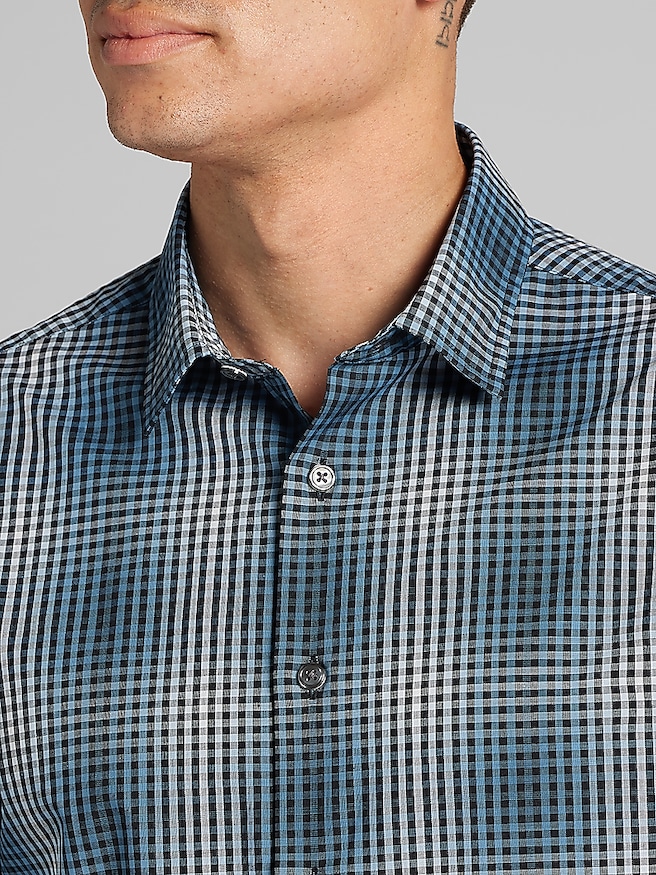
Fit has as much influence on a neat appearance as wrinkle-resistant fabric does. A shirt that pulls across the chest will develop tension lines even when the cloth has been carefully pressed, while excess material around the waist can bunch above a belt or beneath a blazer. Shoulder seams should generally sit near the outer edge of the shoulders, with enough room through the upper back to reach forward comfortably. Sitting at a desk, fastening a seat belt, and bending the elbows are useful everyday tests of that room. A trim fit follows the torso more closely; a classic or roomier fit leaves additional space through the chest and midsection. Neither shape is automatically more polished, and fit labels vary, making measurements especially helpful. If the collar will be buttoned with a tie, it should close comfortably without pressing into the neck. Sleeves should reach the wrist with the arms relaxed, and cuffs should stay in place without feeling restrictive. Hem length deserves attention, too: longer tails help a shirt remain tucked during movement, while a shorter, balanced hem is usually easier to wear untucked. An oxford shirt with a button-down collar has small buttons that secure the collar points, keeping them controlled beneath a sweater or an unstructured jacket. Oxford refers to the cloth, however, so not every oxford shirt has that collar construction. A spread or point collar can give the same textured fabric a dressier expression. White and pale blue are versatile foundations for navy, gray, olive, and tan trousers; stripes and small checks add definition without requiring much else in an outfit. For a client meeting, a tucked oxford with tailored trousers and leather shoes creates a composed business-casual look. For dinner afterward, the same shirt can work with the collar open and sleeves left neatly buttoned. More formal settings may call for a smoother dress shirt, so the oxford’s textured character is worth considering alongside the dress code.
Care determines how consistently wrinkle resistant oxford shirts deliver their easy-care benefits. The label should guide washing temperature, drying method, and ironing settings because cotton fabrics, blended fabrics, and applied finishes do not all respond the same way. When machine washing is permitted, leaving enough space in the washer helps shirts move freely rather than remain compressed into a tight bundle. Prompt removal after the cycle can prevent damp folds from settling into the cloth. If tumble drying is allowed, use the recommended setting and remove the shirt promptly instead of leaving it crumpled in the drum. Smoothing the collar, placket, and cuffs by hand before hanging can make a noticeable difference to the finished appearance. A hanger that supports the shoulders helps maintain shape between wears, and a little space in the closet prevents sleeves and shirt fronts from being crushed together. Some fabrics still benefit from light ironing or steaming, particularly at the collar and cuffs; follow the label rather than assuming a wrinkle-resistant finish can tolerate high heat. Wrinkle resistant and non-iron descriptions are not interchangeable guarantees, and neither removes the need for proper laundering. Durability depends on more than the weave alone. Fabric quality, secure buttons, even stitching, and well-finished seams all contribute to how a shirt holds up through repeated use. Collars and cuffs experience frequent friction, so treating marks promptly according to the care instructions helps avoid repeated aggressive cleaning. Rotating shirts also spreads wear across a wardrobe rather than concentrating it on one everyday favorite. These practical qualities make easy-care oxfords useful for commuters, frequent travelers, teachers, and professionals who want a dependable shirt without an elaborate pressing routine. Packed with room to spare and hung on arrival, an oxford can be a convenient part of a business-travel wardrobe, though occasional touch-ups may still be needed. It can also make a thoughtful graduation or new-job gift when the recipient’s measurements and preferred fit are known. The lasting appeal is straightforward: recognizable texture, adaptable styling, and a tidier finish with manageable upkeep.