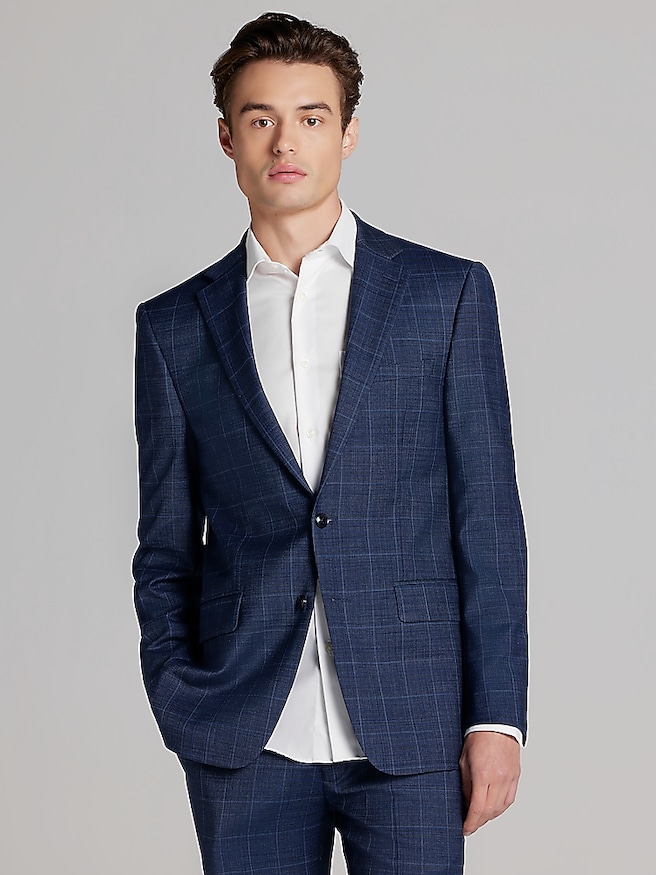
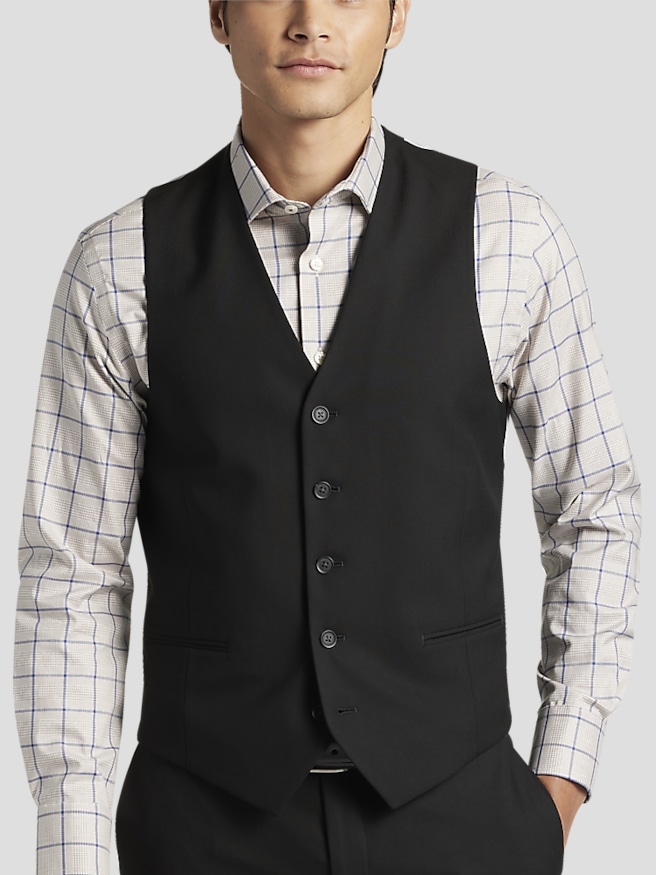
Wool-blend suit separates for prom let you choose jacket and pant sizes independently, creating a coordinated look without requiring both pieces to follow a standard size pairing. That flexibility is useful for someone with broad shoulders and a narrower waist, longer legs and a shorter torso, or proportions that make a traditionally paired suit less comfortable. The result should still look like one suit: a jacket and trousers designed to coordinate in color, fabric, texture, and pattern. Two pieces described as navy can differ noticeably under bright lights, so matching fabric matters more than a shared color name. Wool contributes natural breathability, a refined surface, and a drape that helps an outfit look composed in group photos and in motion. Other fibers influence how the fabric feels and performs. Polyester may improve resistance to everyday wear, viscose can contribute softness and fluidity, and elastane may add stretch when included in the blend. The fiber percentages and construction determine those qualities; a wool-blend label alone does not guarantee stretch, wrinkle resistance, or a particular fabric weight. A smooth finish creates a crisp, formal impression, while subtle texture can add depth without competing with a patterned tie or a distinctive shirt. Solid black, navy, and charcoal provide familiar foundations for prom dressing, with the final choice shaped by the event’s dress code and the look you want in photographs. A restrained check or other understated pattern can also work when the jacket and pants share the same design. For a prom attendee who wants a polished outfit with flexibility beyond one evening, separates offer the structure of traditional tailoring and the practicality of choosing each piece for its fit. Balanced proportions and coordinated fabrics make that flexibility look intentional.
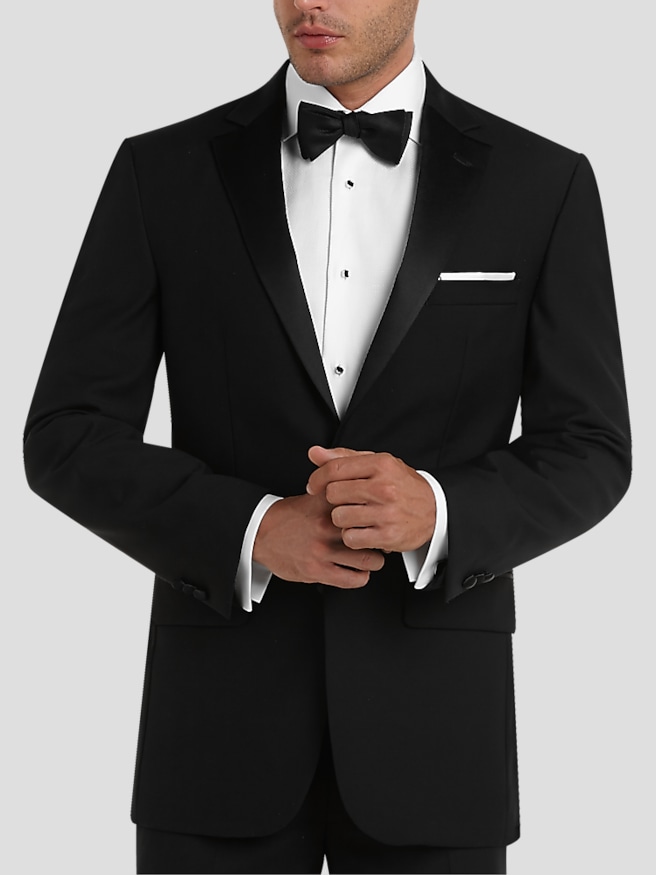
A comfortable prom suit needs to work for more than a standing pose. Sitting through dinner, reaching across a table, and dancing all reveal details that a quick glance in the mirror can miss. A jacket should sit cleanly across the shoulders, with the collar resting close to the shirt rather than pulling away from the neck. When buttoned as intended, the front should lie smoothly without pronounced pulling around the closure. Some shaping through the waist creates definition, but an overly tight jacket can distort the lapels and restrict movement. Slim, tailored, and more generous cuts offer different silhouettes, and those labels are not standardized across every maker. The actual measurements and the way the garment rests on the body matter more than the name of the fit. Pants should sit securely at the intended waist position, with enough room through the seat and thighs to sit comfortably. A clean taper can look sharp without clinging at the knees or calves. Trouser length also changes the overall impression: little or no break creates a streamlined line, while a slight break gives a more traditional finish. The shoes intended for prom help establish the right hem length, since their shape affects how the fabric meets the foot. Jacket sleeve length is another finishing detail, with a small amount of shirt cuff typically visible. Separates allow the jacket and trousers to start closer to the right proportions, although hemming or other alterations may still be needed. They also make it easier to balance a fitted upper half with trousers that provide comfortable room to move. For an event whose dress code calls for a tuxedo rather than a suit, Wool And Wool-Blend Tuxedo Jackets belong to a different formal category, typically featuring contrasting lapel details and pairing with coordinating formal trousers.
The finishing pieces give a wool-blend prom suit its personality without changing its foundation. A white dress shirt creates a clear contrast with darker tailoring, while a pale solid shade offers a softer effect. A collar that sits neatly beneath the jacket and comfortably accommodates the tie helps the entire outfit look deliberate. A necktie or bow tie can echo a color in a date’s outfit without requiring an exact match, and a pocket square adds interest when it complements rather than duplicates every accessory. Pattern and sheen deserve balance: a textured suit often looks strongest with quieter accessories, while a smooth solid fabric leaves more room for an expressive tie. Polished dress shoes and coordinated leather accessories finish the look without drawing attention away from the fit. Beyond appearance, the fabric’s care requirements influence how well separates hold up after prom. The care label is the starting point, because different wool blends, linings, and internal jacket constructions require different treatment. A blend containing synthetic fibers is not automatically machine washable. After wear, a broad, supportive hanger helps preserve the jacket’s shoulder shape, while trousers benefit from hanging in a way that maintains their crease. Empty pockets reduce unnecessary strain, and gentle brushing can remove surface dust before it settles into the fabric. Adequate space in the closet and a breathable garment bag help protect the suit without compressing it. When pressing or steaming is appropriate, the label’s guidance matters; excessive heat can create unwanted shine or affect some fibers. Coordinated care for both pieces also helps limit differences in appearance over time. With thoughtful handling, wool-blend separates can serve beyond prom at graduation celebrations, dressier family gatherings, and other occasions that call for a suit. Their lasting appeal comes from a combination of adaptable sizing, considered fabric, and a silhouette that feels comfortable enough to wear with confidence.