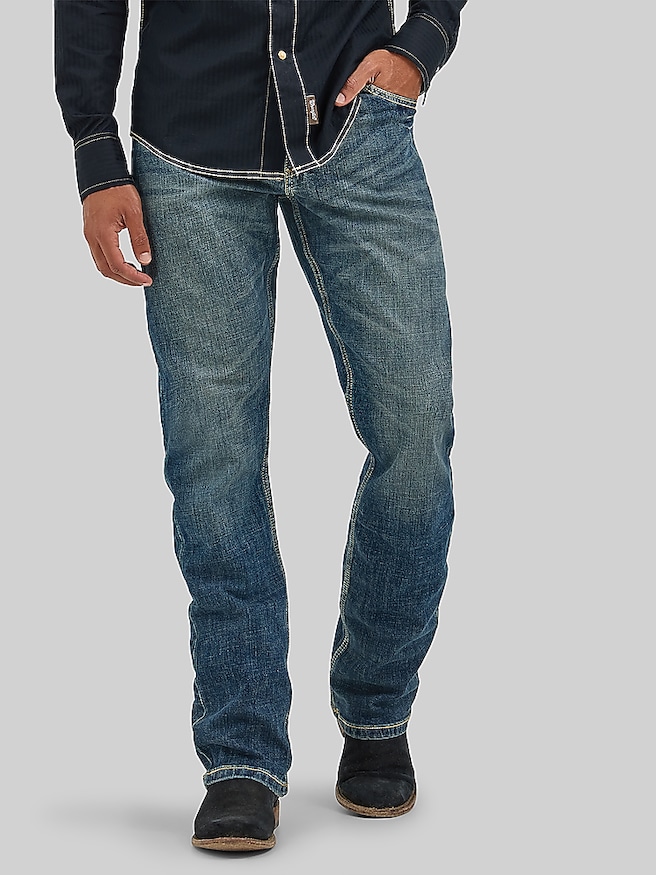
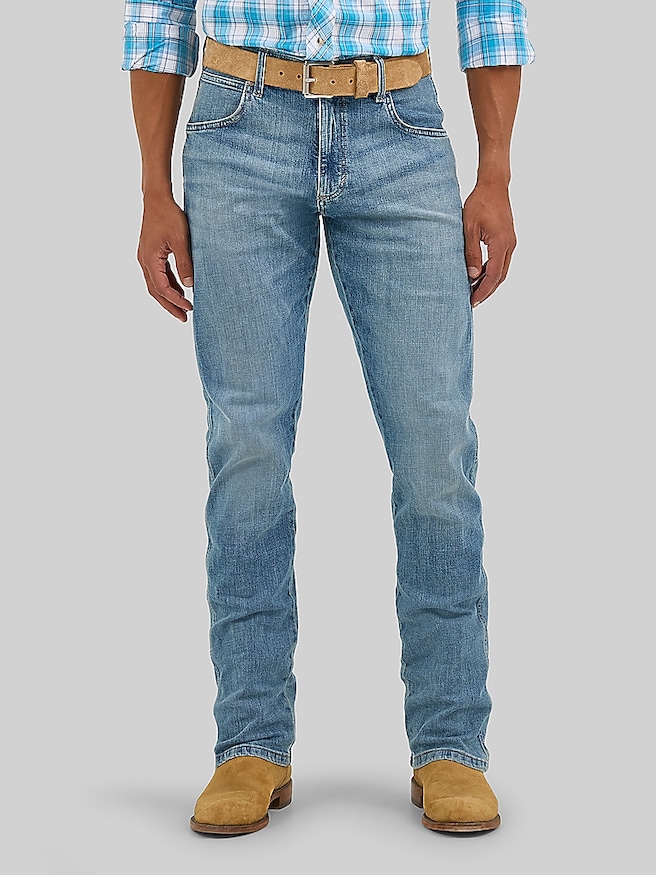
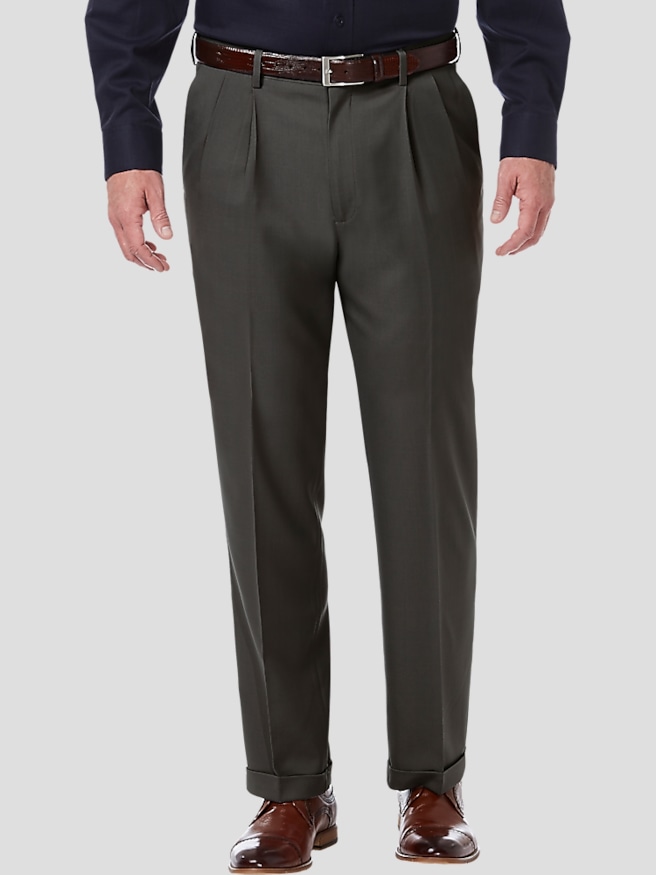
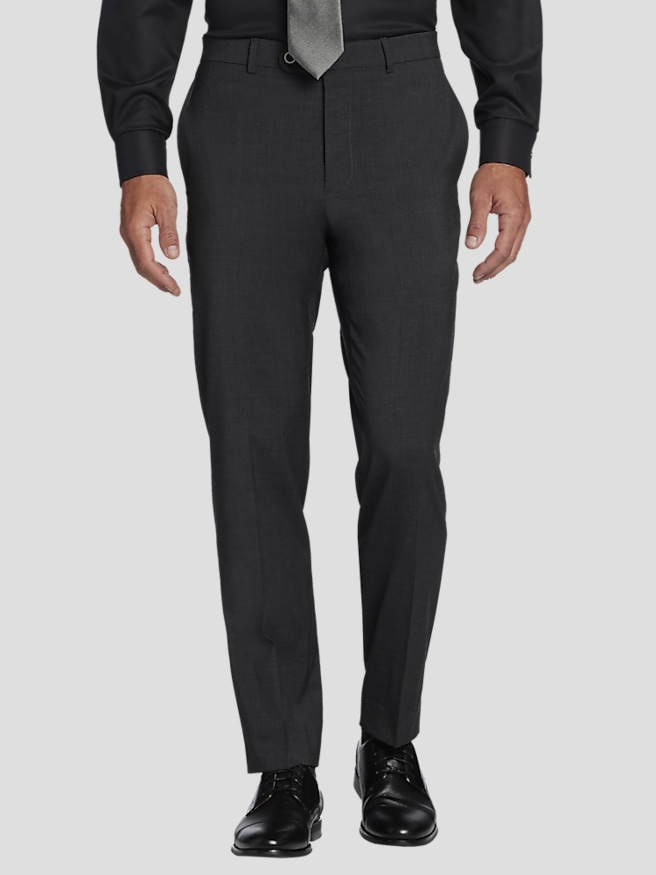
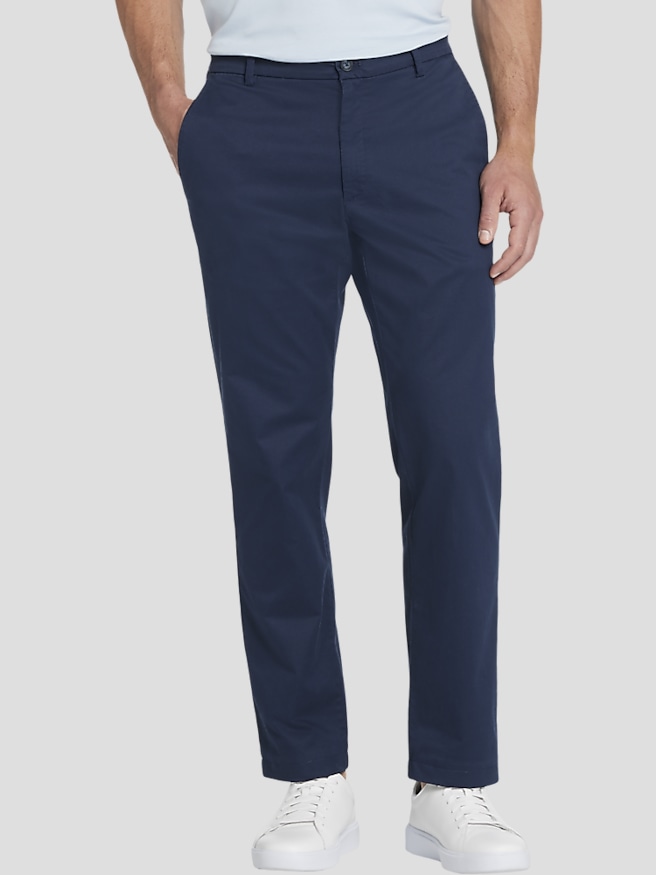
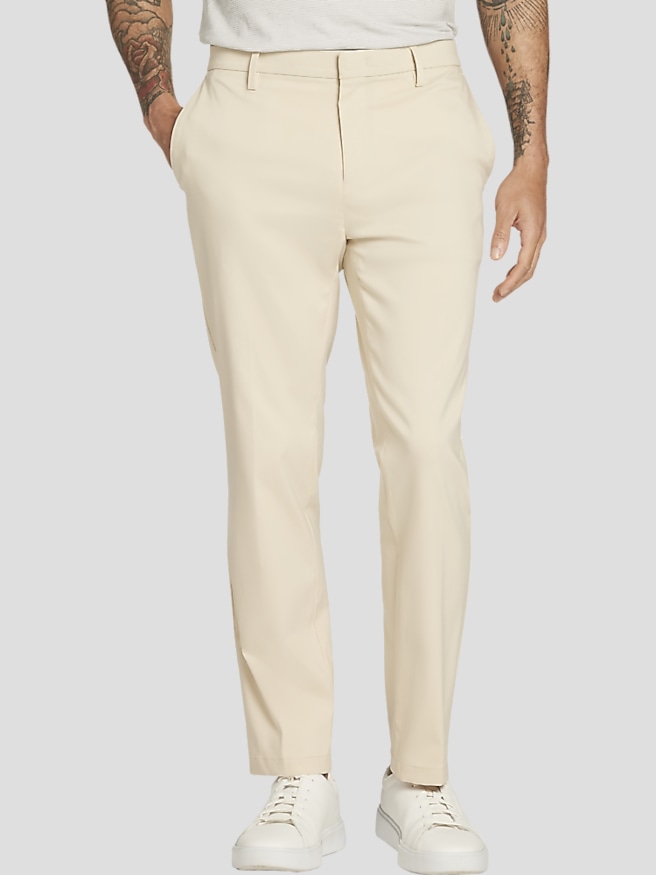
Winter chinos bring the clean lines of classic cotton-twill trousers into a cold-weather wardrobe, with heavier fabrics, substantial textures, and room for thoughtful layering. Their appeal is the balance: more polished than casual denim, less formal than dress trousers, and easy to wear from a morning commute to dinner after work. Fabric weight matters more than color when it comes to warmth. A substantial twill can feel more protective than a lightweight fabric, while a brushed surface or interior can add softness against the skin. Cotton provides a familiar, breathable feel; blends with a small amount of stretch can make sitting, walking, and climbing stairs more comfortable. Stretch alone does not make a pair warmer, so fabric composition, density, and construction deserve attention alongside flexibility. A lining can add insulation, though it also changes how the trousers feel and how much room is needed through the leg. Deep navy, charcoal, olive, chocolate, and tobacco shades fit naturally into winter outfits, while traditional khaki offers contrast against dark sweaters and outerwear. These colors work especially well with textured knits, wool jackets, and leather footwear, giving simple combinations depth without a busy pattern. Picture olive chinos with a cream cable-knit sweater and brown boots, or a dark navy pair with a pale blue button-down and a softly structured sport coat. Both combinations feel considered without looking overly dressed. For days split between heated rooms and short stretches outdoors, chinos can provide a practical middle ground between lightweight trousers and heavily insulated clothing. They are not a substitute for weatherproof outerwear or insulated pants in prolonged cold, wind, or wet snow. On a particularly cold commute, a thin base layer can add warmth beneath a suitably roomy fit. The best winter chinos support the way a day actually unfolds: comfortable at a desk, neat enough for a meeting, and easy to combine with the layers needed outside.
Fit determines whether that balance feels effortless or restrictive. A waistband should sit securely without digging in when seated, and the seat and thighs need enough ease for a natural stride. Extra fabric is not automatically more comfortable; excessive room can bunch beneath a coat or collapse around the shoes. A slim fit creates a close, streamlined outline, but it should not pull across the pockets or grip the calves. A straight leg offers a consistent shape with room for movement and often pairs comfortably with boots. A relaxed cut can accommodate fuller thighs or a lightweight thermal layer without making the outfit look oversized, provided the waist and length are well proportioned. Rise matters, too: a waistband that sits at a comfortable height helps a tucked shirt stay in place and keeps the trousers from sliding when reaching or bending. For office wear, a smooth front and an uncluttered hem keep the overall appearance sharp. For a more casual setting, a little extra ease works naturally with an overshirt or a substantial sweater. Length deserves particular attention when winter footwear enters the mix. A slight break can sit neatly over a boot, while too much length gathers at the ankle and may brush damp pavement. Ankle-baring hems offer less coverage, so full-length trousers are often a more practical choice for cold-weather use. Trying chinos with the shoes and socks intended for them gives a clearer sense of the finished proportions. Pocket openings should lie reasonably flat, seams should hang straight, and the fabric should recover comfortably after sitting. A stretch blend can help with movement, but it cannot correct a waistband or thigh that is too tight. For business-casual workplaces, family gatherings, or a weekend meal out, these small fit details make the same basic trouser feel appropriate across several settings. A tidy hem and comfortable waist often contribute more to a polished appearance than elaborate styling.
Good care helps winter chinos retain their shape, color, and everyday usefulness. The care label should always lead, especially when a fabric includes a lining, a brushed finish, or fibers that need special handling. When machine washing is permitted, turning trousers inside out and using a gentle cycle with similar colors can help reduce surface abrasion. Cold water is often suitable for washable cotton blends, but the garment’s instructions take priority over a general rule. Excessive dryer heat can encourage shrinkage or affect stretch fibers, so drying at the recommended temperature matters as much as the wash cycle. Removing trousers promptly and smoothing the legs can reduce deep wrinkles; a careful press, when permitted, restores a cleaner finish around the pockets and hems. A sharp crease gives chinos a dressier character, while a smooth, uncreased leg feels more relaxed. Between wears, hanging them neatly allows the fabric to air and helps prevent a heap of folds from settling in. Small marks may need only appropriate spot cleaning rather than a full wash, depending on the stain and care instructions. Durability also depends on how the trousers fit and how they are used. Constant tension at the seat, pocket corners, or inner thighs can put added stress on fabric and stitching. Well-finished seams, secure buttons, and a smooth-working zipper are useful construction details to consider, particularly for trousers worn regularly to work. Rotating pairs can give each one time to air between wears. Explore Men's Winter Pants for a broader view of cold-weather trouser styles, with chinos offering an adaptable option for everyday dressing. They can also make a thoughtful gift for someone whose routine spans an office, casual dinners, and weekend plans. Knowing the recipient’s waist, inseam, and preferred leg shape is more helpful than guessing from appearance alone. A familiar neutral shade and a fabric weight suited to that person’s daily routine make the choice feel personal and practical.