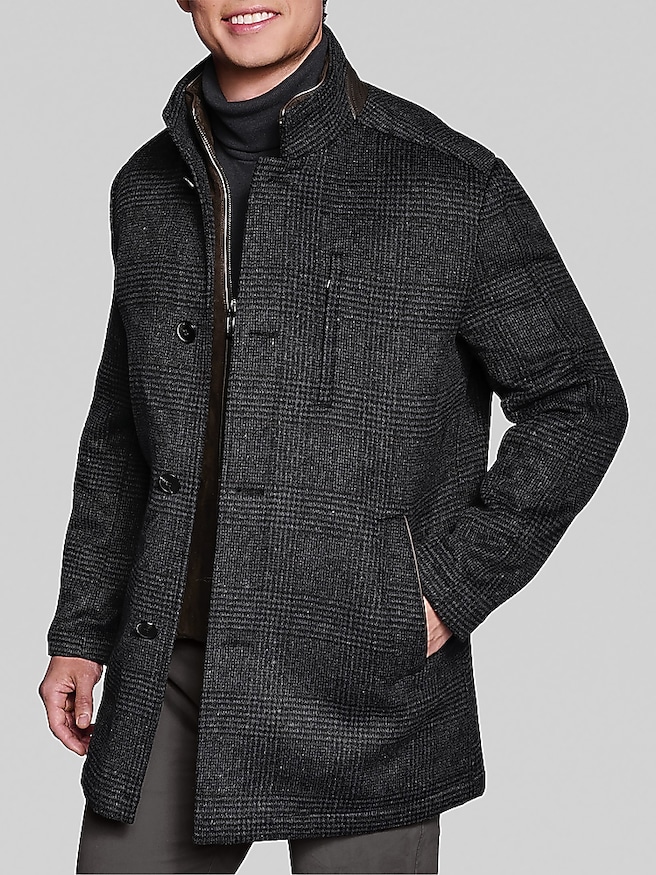
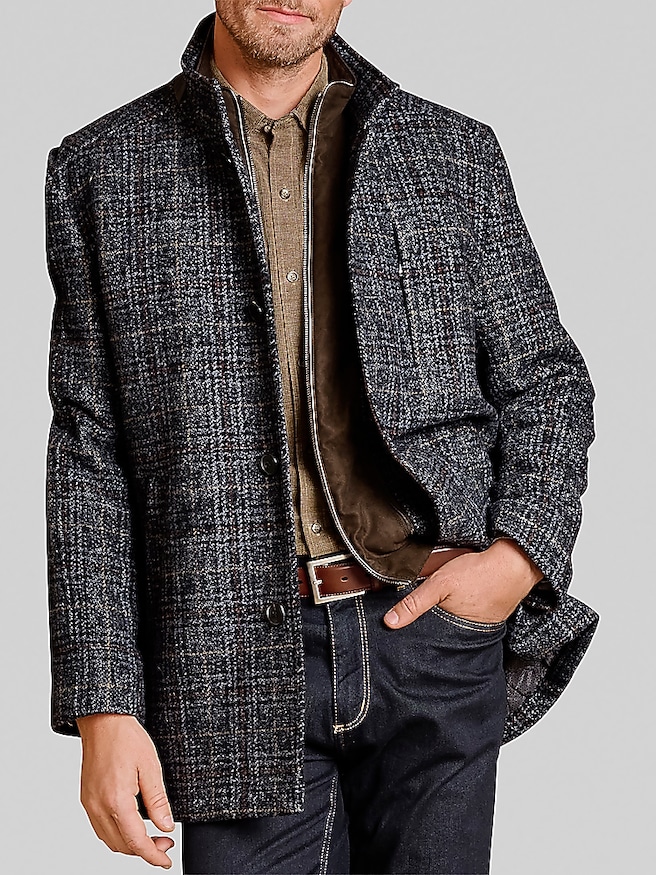
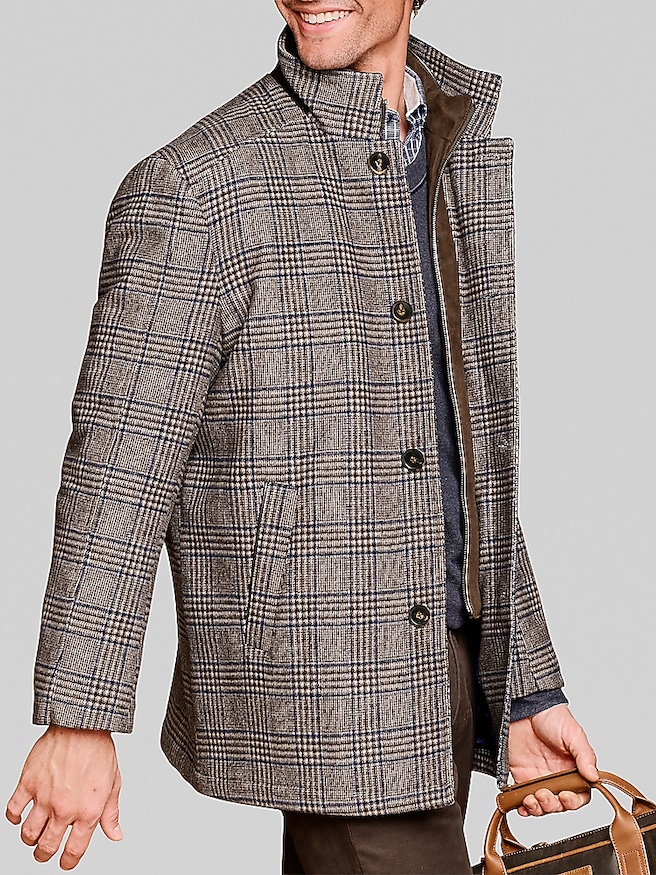
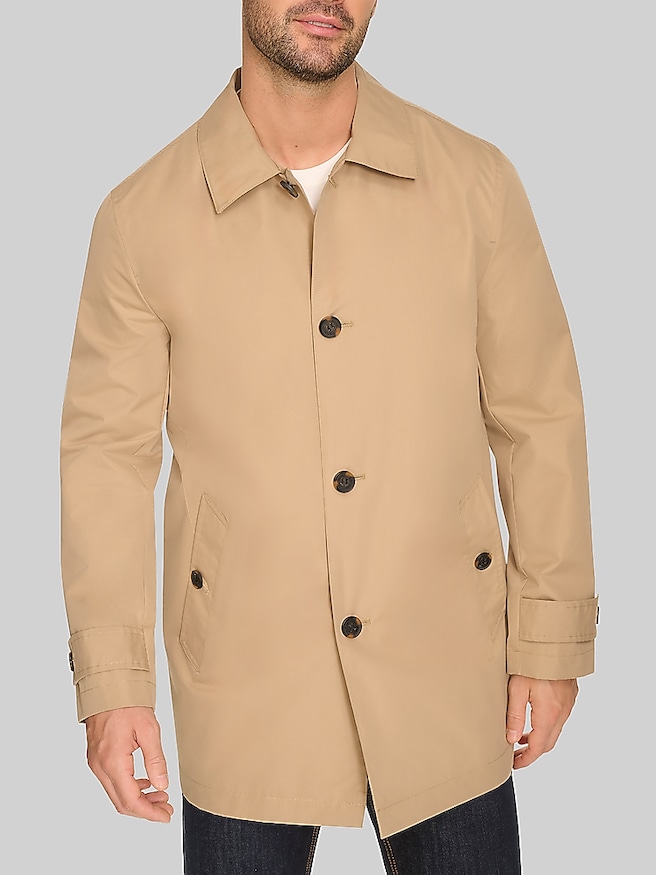
Windproof coats are designed to block wind from passing through the fabric, helping reduce the body heat lost when moving air carries warmth away from the skin and clothing beneath. That barrier can make a noticeable difference on an exposed train platform, along a blustery waterfront, or between tall buildings where gusts seem to come from every direction. Wind protection and insulation serve separate purposes: a windproof outer layer limits airflow, while insulation holds warm air close to the body. A lightweight coat may provide wind protection without much added warmth, while an insulated design combines that protection with a lining or fill suited to colder conditions. Materials and construction determine how a coat performs. Tightly woven nylon or polyester can limit air penetration, and some fabrics incorporate a membrane or coating that creates a more substantial wind barrier. Stretch woven fabrics can offer easier movement, although stretch alone does not indicate how effectively a coat blocks wind. Wool and wool-blend outerwear bring texture, structure, and warmth, but a substantial fabric does not automatically make a coat windproof; the weave, backing, and overall construction matter. The front closure is another important part of that construction. A zipper protected by an overlapping flap helps limit drafts, while a collar that closes comfortably at the neck reduces an obvious entry point for cold air. Adjustable cuffs, secure hems, and well-designed hoods can provide similar benefits at the edges. Wind-resistant and windproof descriptions are not interchangeable, and neither automatically means waterproof. Protection from sustained rain depends on additional features, including suitable fabric technology and seam construction. A water-repellent finish may help light moisture bead on the surface, but it is not the same as a waterproof barrier. These distinctions matter when a coat needs to handle more than a brief walk from the parking lot to the door.
Fit shapes both comfort and protection, especially when a windproof coat needs to work over office clothing. Enough room through the shoulders and upper arms allows a suit jacket or substantial sweater to sit naturally underneath without bunching at the sleeves. The coat should close without pulling across the chest, yet excessive space around the torso can make the silhouette feel bulky and leave more room for drafts at the openings. Reaching for a handrail, carrying a briefcase, or settling into a car seat reveals practical fit details that standing still can miss. Sleeves that cover the wrists with the arms extended help maintain coverage, while cuffs that adjust around gloves can be useful on exposed walks. Length also changes the experience. A longer hem offers more coverage over tailored clothing and the upper legs; a shorter cut can feel less restrictive when driving or moving quickly through a crowded station. For longer designs, a two-way zipper or a thoughtfully placed vent can make sitting and climbing stairs more comfortable. A hood should stay secure without blocking side vision, and a high collar should protect the neck without pressing uncomfortably against the chin. Breathability matters alongside these details because moisture can build up inside a protective layer during a brisk walk or a crowded commute. Breathable Coats offer a useful point of comparison for moisture management, and breathability can work alongside wind protection rather than replacing it. A coat that allows water vapor to escape can feel more comfortable when activity levels rise, although performance depends on the fabric, the layers underneath, and conditions outside. For someone moving between sidewalks, buses, and heated buildings, moderate insulation with flexible layering may be more practical than maximum bulk. Longer stretches spent standing outdoors can call for greater insulation and fuller coverage. The most useful combination reflects how the coat will actually be worn, not simply how substantial it feels on a hanger.
Durability comes from more than a heavy outer fabric. Secure stitching, reinforced pocket openings, smooth-running closures, and lining fabric that moves easily over clothing all contribute to everyday wear. Shoulder areas can receive repeated friction from a backpack or work bag, while cuffs and pocket edges often show wear from frequent contact. A smooth outer surface may slide more easily beneath a shoulder strap, though abrasion resistance depends on the fabric itself. Pockets deserve attention for practical reasons: accessible openings make it easier to retrieve gloves, and secure closures help keep small belongings in place when the wind picks up. Care requirements vary, particularly between washable technical fabrics and structured wool blends. The care label should determine whether a coat is machine washable, suitable for professional cleaning, or subject to special drying instructions. Some membranes, coatings, and water-repellent finishes require specific detergents or drying methods, and fabric softener can interfere with the performance of certain technical materials. Higher heat is not a shortcut to better drying, especially where laminated layers, trims, or insulation are involved. After exposure to rain or snow, allowing the coat to dry fully before storage helps protect both the fabric and the lining. A supportive hanger can help structured outerwear retain its shape, and avoiding prolonged compression helps preserve the loft of insulated designs. Prompt attention to a loose button, damaged zipper, or opening seam can prevent a small issue from becoming a larger repair. As a gift, a windproof coat is especially useful for someone who walks to work, attends outdoor events, or values dependable protection over everyday clothing. Familiarity with the recipient’s usual layers, preferred coat length, and tolerance for bulky insulation makes the choice more personal. Neutral colors and a clean profile can move comfortably between weekday tailoring and relaxed weekend clothing, while a well-considered fit keeps the coat useful across both settings. The lasting value is straightforward: reliable shelter from gusts, comfortable movement, and construction suited to repeated wear.