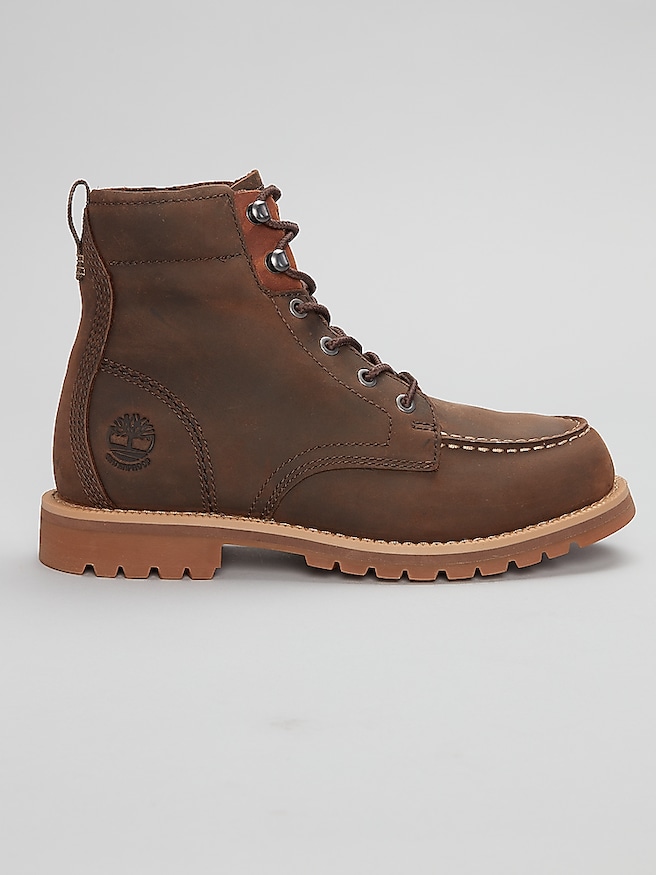
Wide leather shoes offer additional room across the foot without relying on extra length to create a comfortable fit. For men whose feet feel compressed in standard-width footwear, that distinction matters: a longer shoe can leave the heel slipping and place the shoe’s flex point too far forward, while an appropriate wide fit better accommodates the foot’s natural proportions. In U.S. men’s sizing, D commonly indicates a standard width, E or EE may indicate wide, and 3E or 4E may indicate extra wide, although these labels vary by maker. A W designation also signals a wide option, but it does not guarantee the same dimensions across every shoe. The shape used to form the shoe, known as the last, influences toe room, heel fit, and space over the instep. Two leather shoes marked with the same size and width can therefore feel noticeably different. When comparing Men's Wide Shoes, width is only one part of the fit equation. A comfortable pair should leave the toes free from crowding, keep the ball of the foot near the shoe’s widest point, and hold the heel without persistent rubbing or excessive movement. A rounded or softly squared toe may provide a different feel from a tapered silhouette, even when the marked width matches. Leather can soften and conform with wear, but it should not be expected to correct a shoe that pinches from the start. Socks also affect the fit: a thin dress sock takes up less space than a cushioned casual sock, so the intended combination deserves consideration. For someone who spends the day moving between a desk, meeting rooms, and a walk to lunch, the right balance of forefoot room and heel security can be more useful than padding alone. Cushioning adds comfort, but it cannot compensate for pressure at the toes or a poorly matched shape.
Leather gives wide-width footwear a polished appearance that works across business, occasion, and casual wardrobes. Smooth black leather creates a clean line beneath charcoal or navy tailoring, while brown shades can bring depth to gray trousers, textured jackets, and dark denim. An oxford’s closed lacing offers a streamlined profile often associated with dressier outfits. A derby’s open lacing can allow more adjustment over the instep, though its comfort still depends on the shoe’s construction and overall fit. Loafers bring a less structured look to chinos and tailored separates, with the absence of laces making a secure fit through the heel and instep especially important. Brogue detailing, apron stitching, and different toe shapes change the character of a shoe without necessarily changing its width. A plain toe keeps the focus on the leather and silhouette; a cap toe adds definition that pairs naturally with pressed trousers. For a wedding guest, office professional, or graduate preparing for interviews, these details help connect footwear to the occasion rather than making it feel like an afterthought. The line of the trouser hem matters, too. A hem that rests neatly above or lightly on the shoe allows its shape to remain visible without excess fabric gathering over the laces. Leather selection contributes just as much to the overall effect. Full-grain leather retains the hide’s natural grain and may develop a distinctive patina with appropriate care. Top-grain leather has a more refined surface, with its appearance and feel influenced by finishing methods. Suede offers a soft, textured alternative with a more relaxed character, but requires different cleaning tools from smooth leather. Thickness, tanning, lining, and construction all affect flexibility, so the leather description alone does not determine comfort or quality. A supple upper may feel accommodating immediately, while a firmer leather may take more time to become flexible without ever needing to feel painfully tight.
Durability in wide leather shoes depends on more than the upper. Outsoles, seams, heel construction, and the way the upper attaches to the sole all contribute to how a pair handles repeated wear. Leather soles can provide a slim, traditional profile, while rubber soles may offer added cushioning and traction; actual grip depends on the compound, tread, and surface underfoot. Some stitched constructions allow worn soles to be replaced, but repairability should be confirmed rather than assumed from visible stitching alone. Inside the shoe, a smooth lining and neatly finished seams help reduce friction, while a removable footbed may be useful for someone who uses a compatible insert. Any insert changes the space inside the shoe, making overall depth and heel hold important alongside the width label. Routine care helps preserve both appearance and structure. Dust and surface dirt should be removed with a soft brush or cloth before they work into creases. Smooth leather benefits from a suitable conditioner used according to the leather’s finish, followed by an appropriate cream or polish when needed. Too much product can leave buildup, so a light application is generally preferable to repeated heavy coats. Suede calls for a dedicated brush and products intended for its nap rather than conventional shoe polish. After wear, allowing shoes to air out and using properly sized shoe trees can help maintain their shape. Direct heat can dry leather excessively, and damp shoes should dry naturally before further wear. Rotating between pairs gives the lining and footbed time to dry and helps reduce the strain of continuous use. These practical details matter whether the shoes are intended for regular office wear, occasional celebrations, or a gift marking a graduation or career milestone. For a gift recipient, knowing the usual width, preferred fastening, and everyday dress habits is more valuable than choosing by appearance alone. A well-matched pair brings together the room a broader foot needs, leather suited to its purpose, and a shape that feels at home in the wearer’s wardrobe.