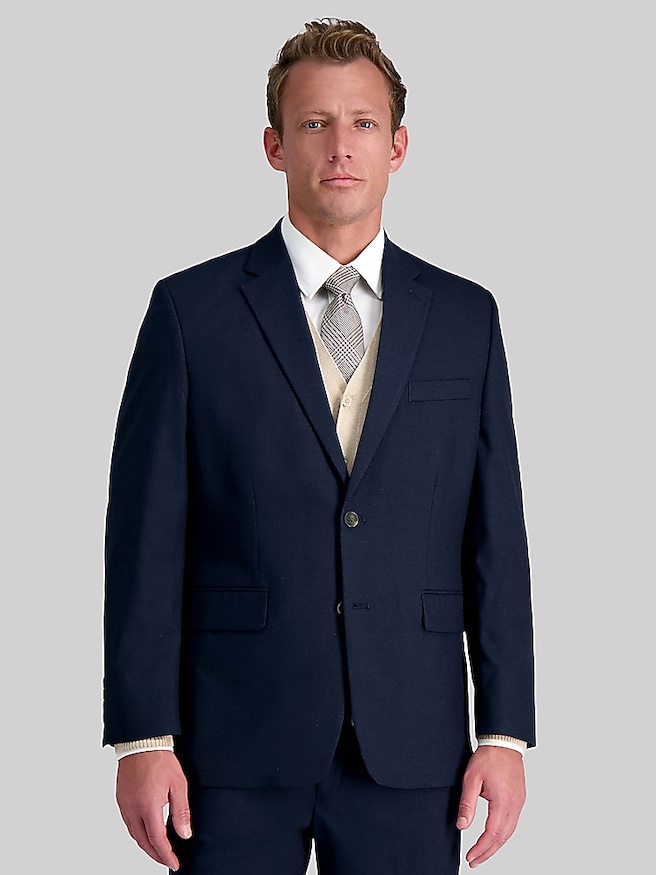
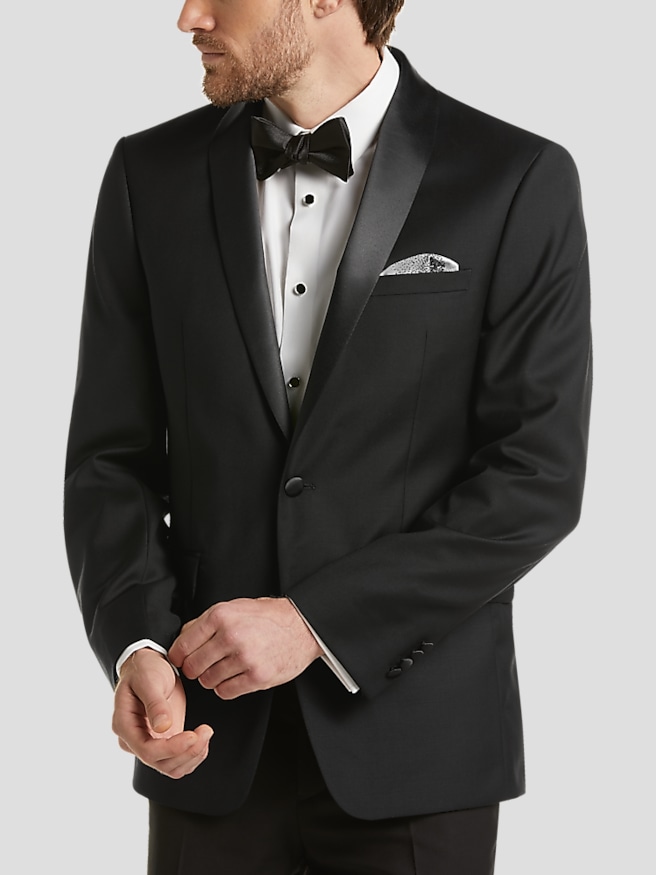
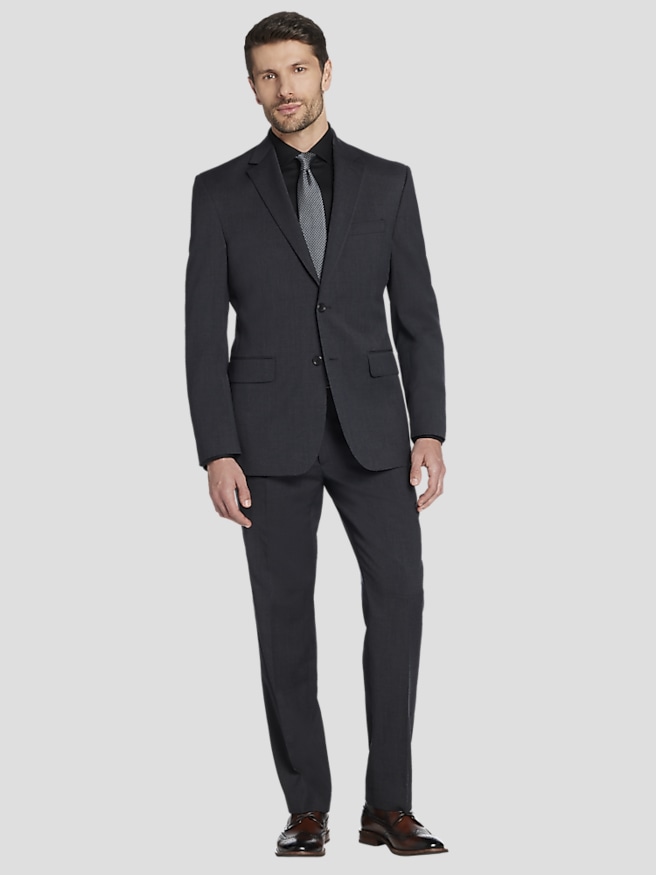
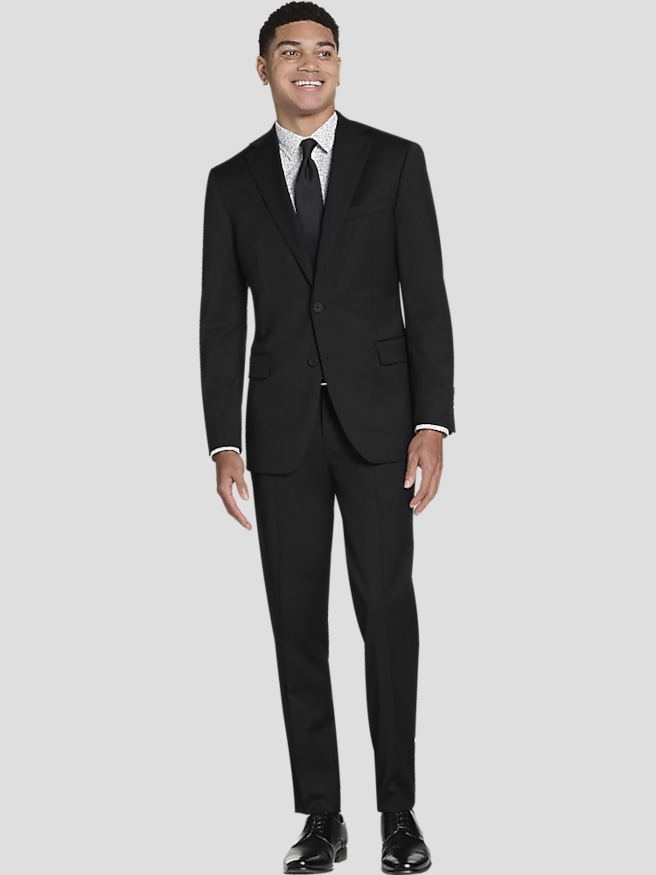
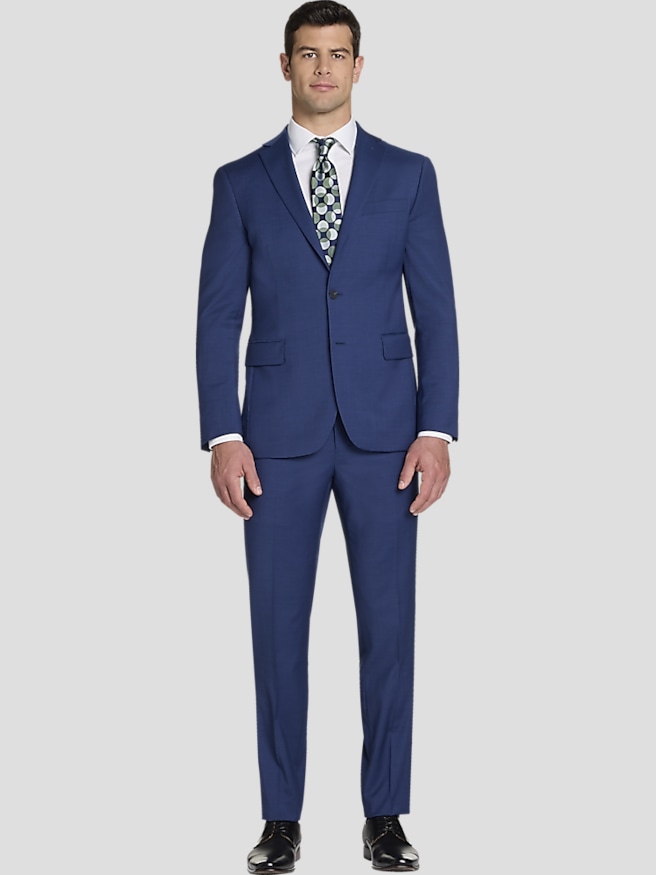
White suits for homecoming bring a crisp, confident look to an evening built around photographs, school traditions, and time on the dance floor. Against a dark backdrop or beneath warm ballroom lighting, white tailoring creates a strong silhouette without needing a loud pattern or elaborate accessories. The effect can feel classic, contemporary, or expressive depending on the fabric, jacket shape, and finishing details. Optic white has a bright, clean appearance, while ivory and softer off-white shades introduce warmth; the distinction becomes especially noticeable beside a white dress shirt. A coordinated jacket and trousers create a continuous line, and a matching vest adds another layer of structure that remains visible when the jacket comes off. Notched lapels give a suit a familiar tailored character, while peaked lapels create a more pronounced outline through the chest and shoulders. A shawl collar or satin-facing detail brings the look closer to eveningwear, making the event’s dress expectations an important consideration. Matte cloth keeps attention on the shape of the suit, whereas a subtle sheen catches light as the wearer moves. More decorative finishes, including tonal texture or carefully placed embellishment, make a stronger statement without moving away from the white palette. For students who prefer restrained styling, a white suit with a solid shirt and simple tie can feel complete with very little added decoration. For those who enjoy contrast, a black shirt or deep-colored tie gives the light tailoring a sharper edge. School colors can appear in a pocket square or tie rather than taking over the entire outfit. White also provides a flexible backdrop for coordinating with a date or group of friends: a shared accent shade creates a connection without requiring identical clothing. Within the broader range of Formal Suits for Homecoming Night, white tailoring offers a distinctive alternative to darker shades while retaining the polished structure expected of a dressed-up occasion.
Fabric and fit shape how a white homecoming suit looks in photographs and how comfortable it feels through dinner, presentations, and dancing. Wool and wool-blend fabrics can provide a smooth drape and useful crease recovery, although weight and weave matter as much as fiber content. Lightweight cloth may feel comfortable in a crowded room, while a more substantial weave can give pale trousers a cleaner outline and better coverage. Cotton has a comparatively matte appearance and can develop visible creases with wear. Linen and linen blends bring recognizable texture and a relaxed character, but their natural wrinkling creates a less crisp finish than some evening settings call for. Synthetic blends may contribute durability and wrinkle resistance; breathability and softness still vary with the construction. A small amount of stretch can make sitting and movement easier, but it cannot compensate for a jacket or waistband that is too tight. Lining and opacity deserve particular attention with white fabric, since pocket outlines, shirt tails, and contrasting underlayers can show through lighter cloth. Smooth underlayers close to the wearer’s skin tone are often less conspicuous than bright white beneath pale trousers. Slim fits generally follow the body more closely, modern fits often balance shape with a little extra room, and classic fits usually offer more ease, though those labels are not standardized. The most convincing silhouette comes from proportions that suit the wearer rather than the name on the fit. Jacket shoulders should sit cleanly, lapels should lie flat, and the front should close without pronounced pulling. Sleeves that reveal a small amount of shirt cuff give the outfit a finished appearance. Trousers need enough room through the seat and thighs for a seated meal and a full stride, with a hem that meets the shoes neatly instead of gathering heavily at the ankle. For a student still growing, modest room for movement and professionally assessed alterations can be more useful than an extremely narrow cut. A comfortable suit should hold its shape without making every handshake, group photo, or dance feel restricted.
The finishing pieces determine whether white tailoring feels understated or dramatic, but they also have practical roles across a long evening. A smooth dress shirt supports the clean lines of the jacket, and a collar that sits comfortably beneath the lapels keeps a tie or bow tie looking intentional. Black leather dress shoes establish strong contrast, while deep brown or burgundy tones give softer white shades a warmer character. The best match depends on the full outfit and the event’s level of formality, with well-kept shoes making a greater contribution than excessive decoration. Socks that stay in place and shoes comfortable enough for standing through photographs help carry the look beyond the first impression. During cooler weather, an overcoat with sufficient room through the shoulders protects the suit without compressing its shape; once indoors, breathable layers are helpful as the room fills. White fabric also makes routine care especially important. Food, dark beverages, makeup, and dust can leave noticeable marks, so a clean place to hang the jacket during dinner helps protect both the color and the tailoring. Fresh spills are best blotted gently rather than rubbed, with further treatment guided by the garment’s care label and the type of stain. Bleach is not a universal solution for white suiting and can damage fibers, finishes, or trim. Professional cleaning may be appropriate for structured garments, while pressing or steaming should follow the fabric’s care requirements. Between occasions, a broad suit hanger supports the jacket shoulders, and properly hung trousers are less likely to develop unwanted folds. Storing the suit clean, dry, and away from prolonged direct sunlight helps preserve its appearance. Durable seams, secure buttons, and sound lining construction matter for repeated wear, particularly at pockets and other areas that receive regular strain. With thoughtful styling and care, a white suit can extend beyond homecoming to school banquets, milestone portraits, or other celebrations where light-colored tailoring suits the dress code, giving an expressive homecoming look a useful life after the final song.