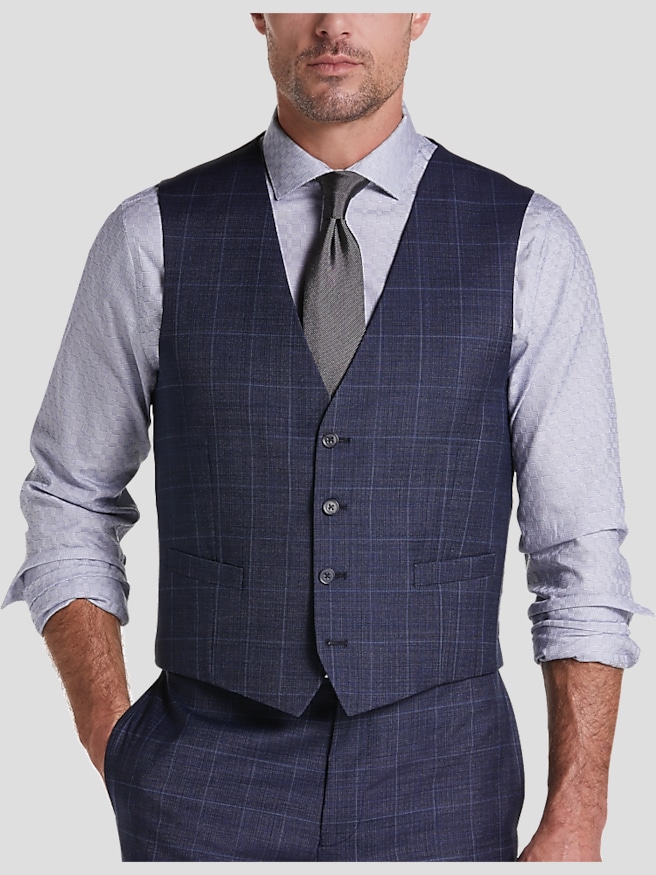
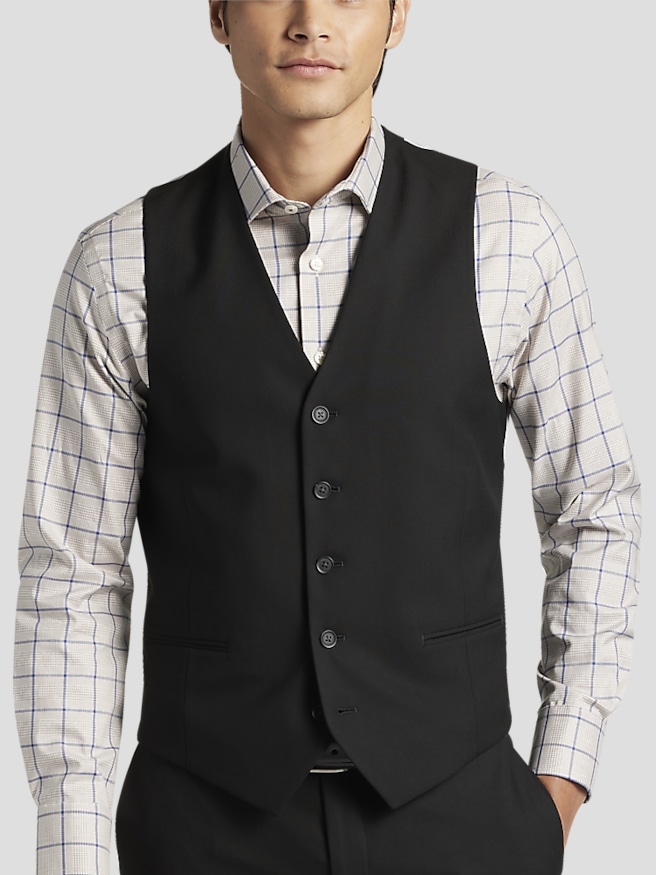
White linen vests are tailored, sleeveless layers that combine linen’s distinctive texture with the clean lines of a waistcoat. Worn over a button-front shirt or beneath a coordinating jacket, they add definition through the chest and waist without covering the sleeves. Linen is made from flax fibers and is valued for its breathability, strength, and naturally textured appearance. Small variations in the weave can give white fabric depth, keeping an otherwise simple outfit from looking flat. Pure linen typically has a crisp hand that softens with wear, while linen blends can change the feel, drape, and tendency to crease. Cotton can contribute softness, and other fibers may improve shape retention or ease of care; the fabric label gives the clearest picture of what to expect. Construction matters just as much as fiber content. A lining helps the vest slide smoothly over a shirt, while the weight and opacity of the outer fabric affect how much of the layer underneath remains visible. With white linen, a smooth, light-colored shirt generally creates a cleaner foundation than a strongly patterned one. Fit should look defined rather than tight: the front should lie close to the body without pulling around the buttons, and the armholes should allow comfortable movement without exposing large folds of shirt fabric. The neckline should frame the collar and, when worn, the tie. At the waist, enough length to cover the trouser waistband helps keep the outfit continuous when standing or sitting. If an adjustable back strap is included, it can refine the silhouette, but it cannot correct an otherwise unsuitable size. Shoulder width, torso length, and the balance between the front and back all contribute to a well-proportioned result. A useful fit check includes sitting at a table, reaching forward, and fastening the vest over the shirt intended for the occasion. Those everyday movements reveal tension that may not be obvious while standing still, especially across the lower buttons and upper back.
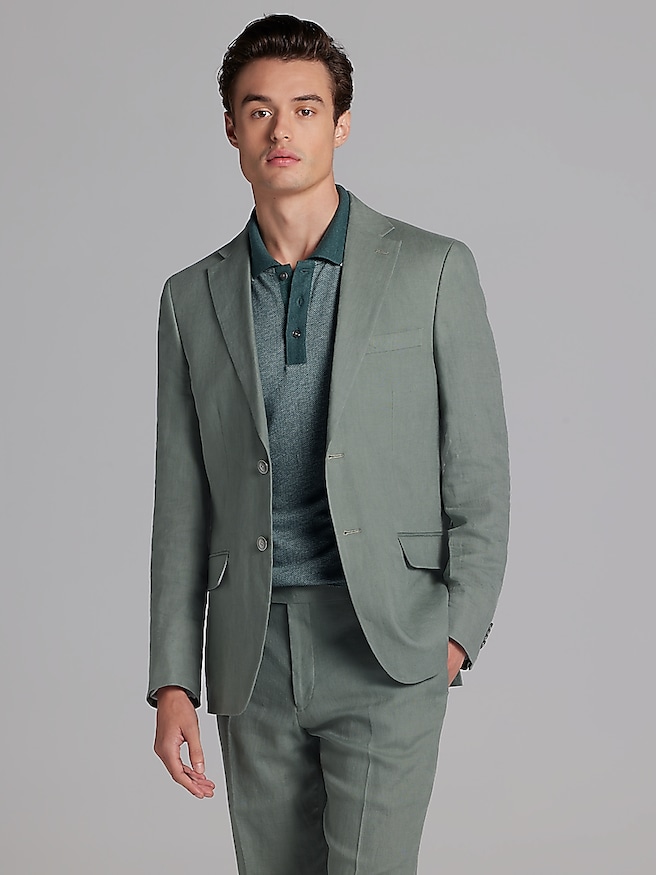
The appeal of a white linen vest lies in how easily its neutral color works with both understated and expressive combinations. Navy trousers and a pale blue shirt create a clear, balanced contrast, while beige or stone trousers keep the overall look softer. With white trousers, differences in shade and texture become especially noticeable, so coordinating the pieces in natural light helps distinguish bright white from ivory or cream. A close match can look intentional and polished; a clearly contrasting neutral can work equally well. The awkward middle ground is two whites that appear intended to match but do not. For a contrasting jacket layer, Green Linen Jackets introduce color while maintaining a connection through the fabric’s texture. The jacket does not need an identical weave, but similar fabric weights help the layers sit comfortably together. White linen vests can suit wedding celebrations, engagement gatherings, anniversary dinners, and other occasions where a tailored outfit feels appropriate without requiring the smooth finish of traditional evening formalwear. For a groom or wedding party, coordinating vest shades, trouser rises, and shirt colors produces a more cohesive appearance than matching the vest color alone. A venue’s dress code still takes priority: linen’s relaxed surface does not automatically make it suitable for every formal occasion. For dinner or a celebration with friends, an open collar and neatly pressed trousers let the vest provide most of the structure. Adding a tie gives the same basic combination a more dressed-up direction, especially when its scale fits comfortably within the vest’s opening. Brown leather footwear offers a softer contrast, while black footwear creates a sharper visual line when the rest of the outfit supports it. Accessories work best when they leave the white fabric room to stand out. A textured tie, a simple watch, or a pocket square in the jacket can supply detail without turning every part of the outfit into a focal point.
Linen’s natural creasing is part of its character, but there is a difference between an easy, lived-in texture and a vest that has lost its shape through unsuitable care. The care label should determine the cleaning method because the finished garment may contain lining, interfacing, trims, and buttons that need different treatment from the outer fabric. A washable linen fabric does not necessarily mean the completed vest belongs in a washing machine. When washing is permitted, following the stated water temperature and drying instructions helps limit shrinkage and distortion. When professional cleaning is specified, home laundering can compromise the way the front panels and lining sit together. Small marks on white fabric are easier to address before they settle, but stain treatment should also follow the garment’s instructions. Blotting rather than rubbing helps avoid spreading a mark or roughening the surface, and any permitted cleaning solution should be tested in an inconspicuous area first. Bleach is not automatically appropriate simply because a vest is white; fiber blends, finishes, and decorative details can react poorly. For pressing, use the recommended iron setting and a clean pressing cloth, taking particular care around buttons, seams, and shaped areas of the front. Excessive pressure can leave impressions from the construction underneath. Between wears, letting the vest air before storing it and hanging it neatly helps preserve its outline. It should be clean and fully dry before longer storage, with enough space to prevent hard folds and crushing. Durability also depends on fit: persistent strain across buttonholes and seams creates unnecessary wear, even in a naturally strong fiber. As a gift for a partner, father, brother, or close friend, a white linen vest is most useful when the recipient’s measurements, preferred silhouette, and existing wardrobe are known. For someone who enjoys tailored separates, its combination of a neutral color, tactile fabric, and defined shape offers a distinctive layer for meaningful occasions and well-dressed everyday plans.