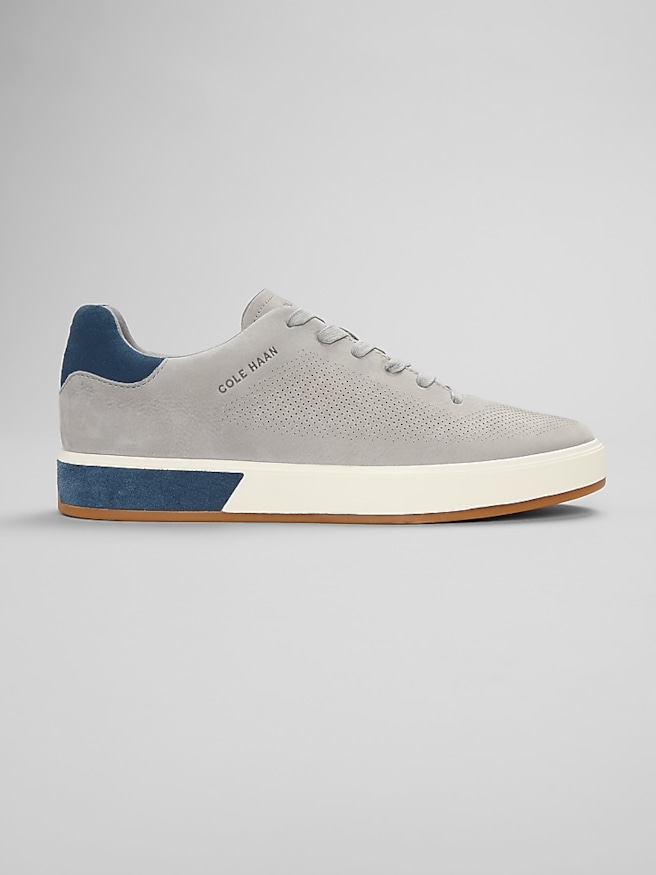
White lace-up sneakers are casual shoes with white uppers and adjustable laces, valued for their clean appearance and versatility with jeans, chinos, and relaxed tailoring. Their appeal comes from a simple balance: the shape feels familiar and easygoing, while the white color gives an outfit a crisp finishing touch. A streamlined pair can sit comfortably alongside a polo and straight-leg pants, while a more substantial silhouette complements denim and a sweatshirt. Materials make a meaningful difference in both appearance and everyday wear. Smooth leather generally creates a polished surface that can be wiped clean, though its flexibility and feel depend on the leather, lining, and construction. Canvas offers a softer, more relaxed look, with a woven texture that works naturally with casual clothing. Synthetic uppers vary widely; some have a smooth, structured finish, while others use textile panels to add flexibility. Breathability depends on the entire shoe rather than the upper alone, so lining materials and ventilation details matter, too. White is not always a single uniform shade. Bright white, soft ivory, and off-white finishes can create slightly different effects beside dark denim, navy trousers, or stone-colored chinos. Tonal stitching and understated detailing tend to keep the overall look quiet, while contrasting trim or a thicker sole gives the shoe more visual weight. Low-profile shapes leave a clean line around the ankle and usually blend easily into smart-casual outfits. Taller or bulkier shapes create a more noticeable casual accent. Construction also influences how the sneakers hold up: neatly finished seams, reinforced areas around the eyelets, and a secure connection between the upper and sole are useful details to consider. White lace-up sneakers are not automatically athletic shoes simply because they have laces and a rubber sole. Their intended use depends on their design, with everyday lifestyle styles generally better suited to walking, commuting, casual gatherings, and relaxed workplaces than to dedicated running or court sports.
A comfortable fit starts with enough space for the toes and a secure feel through the heel and midfoot. The longest toe should not press against the front, and the upper should not squeeze the forefoot when standing or walking. Laces allow small adjustments across the top of the foot, but they cannot correct a shoe that is too short or too narrow. A heel that lifts repeatedly can cause friction, while excessive tightening may create pressure without solving the underlying fit issue. Sizing can differ between shoe shapes, even when the marked size is the same, so the overall feel matters more than the number alone. The socks worn with the sneakers also affect fit. A thicker crew sock takes up more room than a lightweight no-show sock, and either choice should stay in place without bunching beneath the foot. For a day that includes a commute, several hours at a desk, and a walk to dinner, cushioning and stability deserve as much attention as appearance. A padded collar can soften contact around the ankle, and a flexible forefoot can make the stride feel more natural. More cushioning is not necessarily better for every wearer; some prefer a firmer, steadier platform, while others appreciate a softer step. Removable insoles may be helpful for someone who uses an orthotic, provided the shoe has enough depth to accommodate it without crowding the foot. Outsole texture and material influence traction, but a casual sneaker should not be assumed to offer specialized slip resistance. Smooth floors, stairs, and long stretches of pavement place different demands on footwear. Lightweight construction can be appealing for travel, while a more structured shoe may suit someone who values a secure feel. Any initial stiffness should be distinguished from painful pressure: a suitable pair should feel wearable from the start rather than depend on a lengthy break-in to become comfortable. For men who spend much of the day on their feet, room, support, and a stable stride make the difference between an attractive shoe and one that earns regular use.
The styling strength of white lace-up sneakers is their ability to connect casual comfort with a considered outfit. Dark jeans with a clean hem, a knit polo, and a leather belt create an easy combination for dinner or an informal gathering. Chinos and an unstructured jacket give the same footwear a more polished setting without making it look overly formal. Trouser length matters: a hem that rests lightly near the top of the shoe lets the shape remain visible, while excess fabric bunching over the laces can make the outfit look less tidy. Sneakers with a suit work best when the occasion welcomes relaxed tailoring and the shoes have a restrained silhouette. They are not a substitute for dress shoes at an event with a formal dress code, and wedding guests should follow the expectations stated by the hosts. For a darker neutral with a different visual effect, Black Lace Up Sneakers offer a useful point of comparison, particularly with dark trousers or tonal outfits. Keeping white footwear looking presentable involves regular, material-appropriate care rather than aggressive cleaning. Loose dirt can be brushed away gently before it is worked into the upper. Smooth leather often responds well to a soft cloth and a cleaner intended for that finish, while canvas and other textiles may require a different treatment. Care directions should take precedence, especially for mixed-material construction. Machine washing is not appropriate for every sneaker, and harsh cleaners can affect color, surface coatings, adhesives, or stitching. Laces can often be cleaned separately, making it easier to refresh their appearance without soaking the entire shoe. After cleaning, shoes should dry naturally away from direct heat. Letting the interior dry between wears and rotating footwear helps manage moisture and gives cushioning time to recover. Durable construction still benefits from this routine attention, particularly at flex points and around the sole edge. As a gift, white lace-up sneakers can suit a graduate, a frequent traveler, or someone building a versatile casual wardrobe. Knowing the recipient’s usual size, preferred width, and taste for streamlined or substantial shapes helps make the choice personal, practical, and likely to become part of everyday dressing.