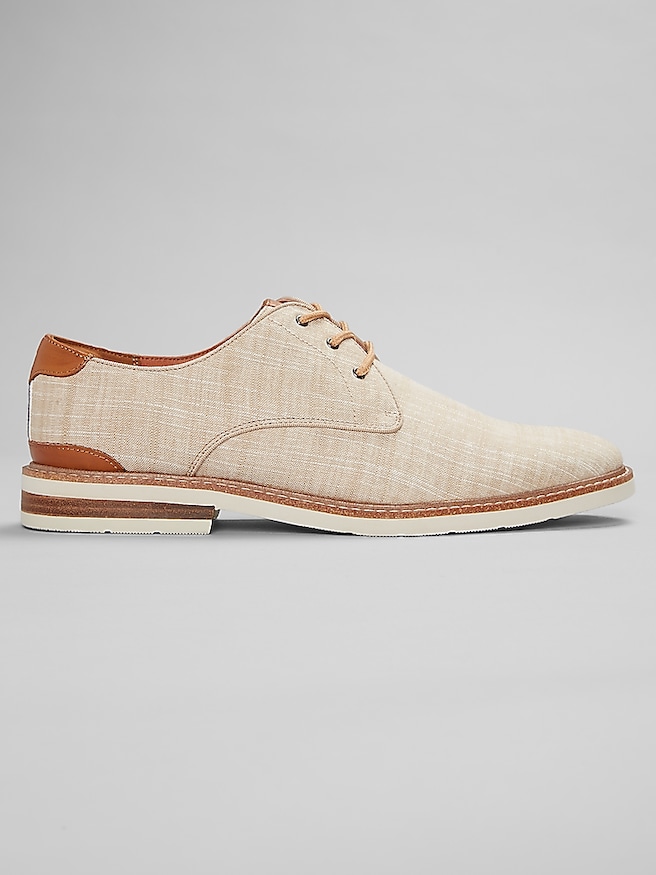
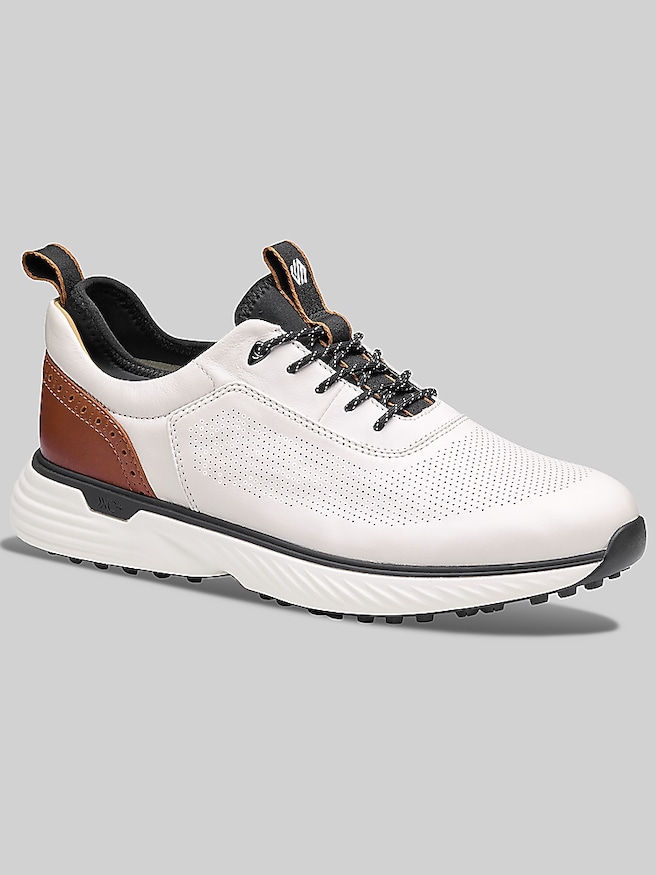
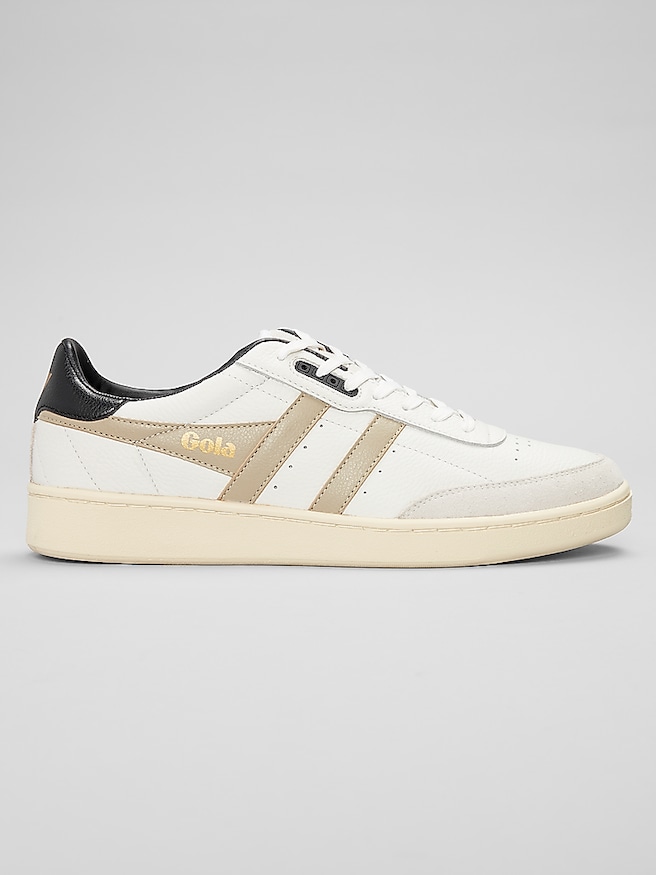
White and brown shoes combine the clean look of white with the warmth and depth of brown, creating a versatile color pairing for casual outfits and more polished looks. The combination can take several forms: a white upper with brown accents, a brown upper set against a white sole, or a two-tone design with contrasting panels. Each has a distinct character. A slim white sole beneath a dark brown leather upper creates a quieter contrast, while larger white panels and tan detailing give a shoe a more pronounced, sporty appearance. Brown shades also make a difference. Cognac and caramel tones introduce a lighter, more relaxed feel; chocolate and espresso offer deeper contrast against white. Smooth surfaces tend to look streamlined, while visible grain, perforations, and stitched details add texture. In dress sneakers, these colors can bridge the space between tailored clothing and everyday denim. In traditional lace-up silhouettes, contrasting panels can lend a classic, distinctive appearance that works best when the rest of the outfit stays relatively simple. Navy chinos, straight-leg jeans, and medium-gray trousers all provide a useful backdrop without competing with the shoes. A white shirt can echo the lighter details, while a brown belt can relate to the darker sections without needing an exact color match. For a lighter overall direction, White Shoes offer another way to carry a clean, neutral palette through an outfit. White and brown combinations are especially useful for someone who wants more contrast than an all-brown shoe but a warmer finish than an entirely white design. They can suit relaxed office settings, dinners, graduation celebrations, and wedding guest outfits when the dress code allows. The shape and construction matter as much as the colors: a substantial athletic sole reads differently from a low-profile sole, and a rounded casual toe has a different presence from a tapered dress shape. With tailored trousers, a neat hem that does not pool over the upper helps keep those proportions visible.
Materials, fit, and construction determine how white and brown shoes feel beyond their first impression. Smooth leather can provide a structured appearance and develop creasing with wear, while suede brings a softer surface and a more understated contrast between the colors. Textile panels may create a lighter, less structured feel, and synthetic materials vary in flexibility, breathability, and cleaning requirements. Mixed-material shoes deserve particular attention because the white and brown sections may need different treatment. A smooth leather panel and a suede overlay, for example, should not automatically receive the same cleaner or conditioner. Inside the shoe, the lining, seams, and footbed can matter just as much as the upper, especially for someone moving between a desk, a commute, and an evening out. Cushioning can soften the feel underfoot, but a padded footbed does not compensate for a poor fit. There should be room for the toes to lie naturally without pressure across the forefoot, and the heel should feel secure without rubbing. Lace-up designs allow some adjustment over the instep, while slip-on shapes depend more heavily on the relationship between the foot and the shoe opening. Trying shoes with the type of socks intended for everyday wear gives a more useful sense of fit than testing them with an unusually thin or thick pair. Leather may soften, but uncomfortable pressure or cramped toes should not be treated as something that will necessarily disappear. Underfoot, rubber soles often provide flexibility and a casual profile, while leather soles are associated with a more traditional dress appearance. Traction depends on the actual sole design and surface, not simply the material name. For long days with substantial walking, secure fit, stable footing, and comfortable flex through the forefoot deserve priority. For dinners or seated events, a sleeker shape may take precedence. Durability also reflects the full construction, including stitching, attachment of the sole, and reinforcement at frequently flexed areas, rather than color or surface texture alone.
Keeping the contrast clear is an important part of caring for white and brown shoes. White sections make scuffs and transferred color more noticeable, while brown leather can show unevenness if treated with an unsuitable product. Routine care usually starts with removing loose dirt using a soft brush or cloth, followed by a cleaner appropriate for the material. A small, hidden test area helps establish whether a treatment changes the finish. On mixed-color leather shoes, brown polish belongs only on the matching brown areas; allowing it to spread onto white panels, pale stitching, or a light sole edge can leave marks that are difficult to remove. A neutral treatment may be suitable for some smooth leathers, but the care label should determine the approach. Suede needs its own brush and material-specific products to preserve the nap, and aggressive scrubbing can alter its appearance. Soles and uppers are best cleaned separately so residue does not travel from one surface to another. After cleaning, shoes should dry naturally away from direct heat. Appropriate shoe trees can help structured leather uppers retain their shape, while breathable storage protects the finish from unnecessary rubbing. Giving shoes time to air between wears can also help manage interior moisture. These practical considerations are useful when choosing a pair as a gift, particularly for someone building a work wardrobe, marking a graduation, or looking for footwear that moves comfortably between casual plans and dressed-up occasions. The recipient’s usual shoe size is only a starting point; preferred width, instep shape, favorite silhouettes, and typical daily activity all influence whether a pair will feel right. Someone who spends hours walking may value a flexible sole more than decorative detailing, while someone who regularly wears tailored trousers may favor a narrower profile and restrained contrast. White and brown shoes offer room for both preferences, with the balance of color, texture, and shape defining how relaxed or refined the finished look feels.