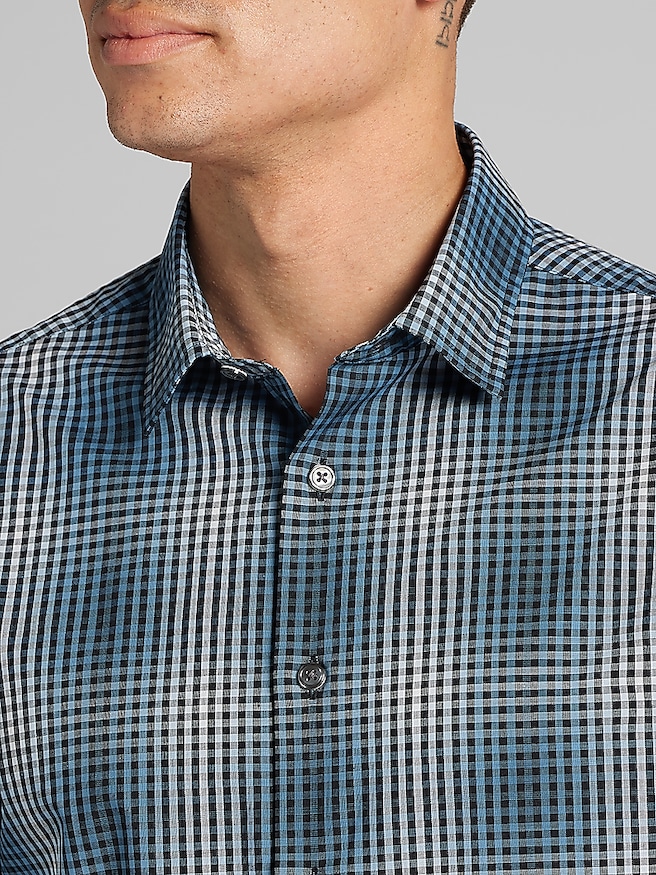
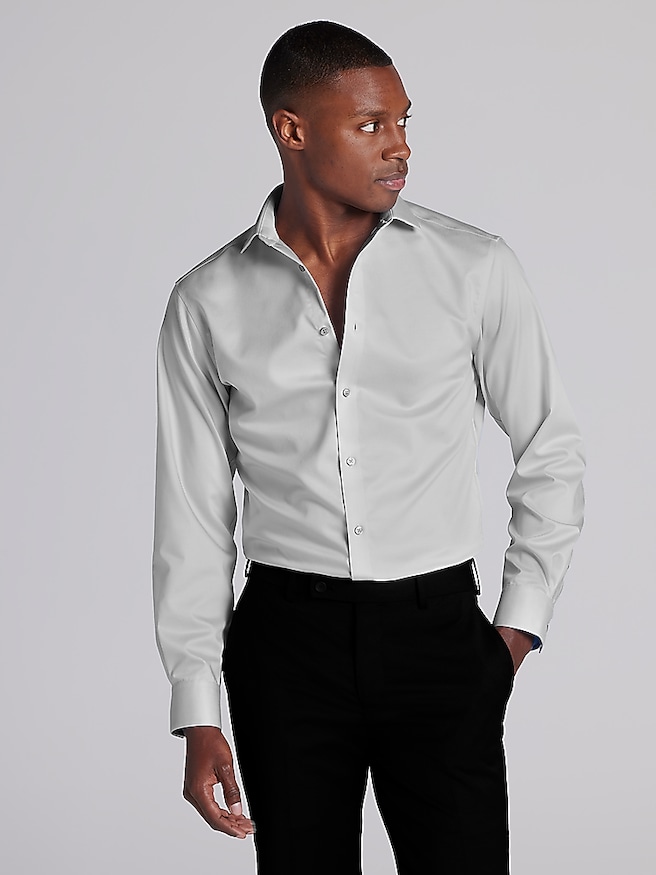
Western shirts for men combine the familiar structure of a collared shirt with details rooted in ranch and rodeo clothing: pointed shoulder yokes, chest pockets, shaped pocket flaps, and snap or button closures. Not every western shirt includes every feature, which leaves room for everything from understated everyday designs to more expressive styles with contrast piping or embroidery. A yoke is the shaped panel across the shoulders or upper back, and its outline often gives a western shirt its most recognizable character. Pearl-look snaps add another traditional touch, while a conventional button front can make the same silhouette feel more restrained. These details translate comfortably beyond their workwear origins, fitting into wardrobes built around jeans, boots, chinos, and casual jackets. Fabric plays a large role in how the shirt looks and feels. Denim generally brings a substantial texture and a familiar diagonal weave, while chambray often delivers a similar visual effect with a lighter, plain-woven construction. Cotton twill can provide a smooth surface with some body, and cotton poplin tends to look cleaner and crisper. Cotton blends may offer easier wrinkle management, depending on their fiber content and finish; fabrics with a small amount of stretch can provide additional give through the shoulders and elbows. Weight, weave, and finishing matter as much as the fiber name, so two cotton shirts can have noticeably different textures and drapes. A washed fabric may feel relaxed from the first wear, while a firmer cloth holds the shape of its collar, cuffs, and pocket flaps more distinctly. Solid colors put the focus on construction, checks emphasize the shirt’s casual character, and embroidery creates a stronger focal point. The result can be practical and quiet or distinctly decorative without losing the western identity. For someone who wears these shirts often, that range makes it possible to keep a familiar silhouette while varying the fabric, pattern, and level of detail.
The best fit leaves enough room for ordinary movement without creating unnecessary volume around the waist or under the arms. Shoulder seams should sit close to the natural shoulder edge, and the front should lie smoothly when fastened rather than pulling between snaps or buttons. Reaching forward, sitting down, or bending an elbow should not make the shirt feel restrictive across the upper back. A trim cut creates a neater line under a jacket, while a roomier cut may suit someone who prefers more space through the chest and torso. Stretch can make movement more comfortable, but it does not replace the need for an appropriate size. Shirt length also affects how naturally a western shirt fits into an outfit. Longer tails generally help a tucked shirt stay in place, particularly when worn with jeans and a belt. An untucked shirt usually looks more balanced when its hem does not extend too far below the hips. Sleeve cuffs should sit near the wrist without covering the hand, with enough room to accommodate a watch if needed. For an everyday outfit, a modest check or solid chambray shirt works well with straight-leg jeans and leather boots. A denim shirt can also work with denim pants when the washes are clearly distinct, such as a lighter shirt over dark indigo jeans. Chinos and simple leather shoes give western details a less traditional setting, especially when the shirt has minimal embroidery and a subdued color palette. For an alternative to checks or decorative embroidery, Cotton Striped Shirts For Men offer clean, repeating lines that pair naturally with denim and leather accessories. More decorative western shirts can suit concerts, dancing, or celebrations where western attire is welcome. At a western-themed wedding, the invitation’s dress expectations still matter: a polished shirt, neatly pressed trousers, and well-kept boots create a more considered outfit than distressed denim. Keeping the belt and other accessories relatively simple allows distinctive yokes, piping, or stitching to remain the focus.
Durability comes from more than a rugged appearance. Fabric density, secure seams, neatly finished buttonholes, and firmly attached fasteners all contribute to how a western shirt holds up through repeated wear. Pocket corners and cuffs deserve particular attention because they see frequent handling, and raised embroidery or decorative trim may need gentler treatment than a plain woven surface. The care label is the best starting point for washing, drying, and ironing, since similar-looking shirts can have different requirements. Cotton may shrink with excessive heat, some dyes can transfer, and blended fabrics may need lower ironing temperatures. Washing with similar colors and turning a shirt inside out can help limit visible abrasion on its outer surface. Promptly removing a shirt from the washer or dryer can also reduce deep creasing, provided the drying method follows its care instructions. When pressing is appropriate, working around snaps and decorative stitching helps preserve their appearance; an inside-out approach or a pressing cloth may be useful for delicate surface details. A collar that sits neatly and pocket flaps that lie flat often make as much difference to the finished look as an elaborate pattern. Small repairs, such as replacing a loose button or addressing an opening seam, can help extend useful wear before a minor issue becomes harder to fix. Western shirts can also make thoughtful gifts for men who already favor boots, denim, country music, or clothing with a clear connection to traditional American workwear. The most useful clues are the recipient’s usual shirt measurements, preferred fit, and comfort with decorative details. Someone who regularly wears plain button-front shirts may appreciate a subtle yoke and quiet snap detail, while a longtime western dresser may enjoy more pronounced stitching or a bolder pattern. Whether worn for a casual dinner, an evening of live music, or a familiar daily routine, a well-chosen western shirt balances recognizable character with the comfort and care requirements of regular use.