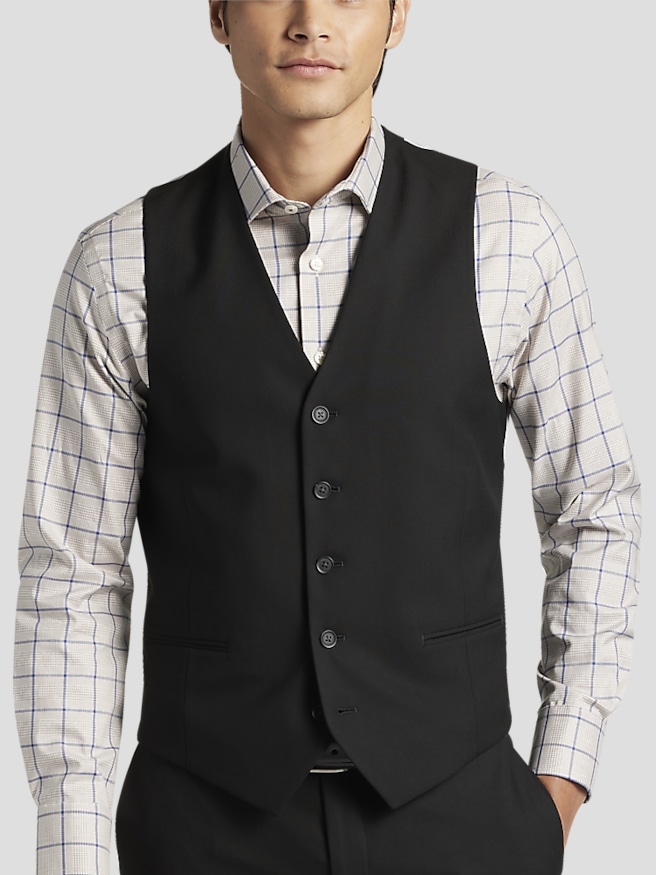
A wedding vest gives the groom’s attire a finished, intentional look, adding definition through the torso and keeping the outfit composed when the jacket comes off. Also called a waistcoat, it sits over a dress shirt and beneath a suit or tuxedo jacket, creating the layered silhouette associated with a three-piece ensemble. Matching vests use the same fabric and color as the jacket and trousers for a continuous appearance, while contrasting vests introduce a separate shade or texture. The right direction depends on the wedding’s dress code, the setting, and how distinctly the groom wants to stand apart from the wedding party. A charcoal vest with a charcoal suit creates a restrained, cohesive effect; a pale gray or ivory waistcoat can provide a more visible point of contrast. Closely related colors work best when their undertones complement one another, particularly when cream, white, and ivory appear elsewhere in the wedding attire. Texture also changes the impression. A smooth woven fabric keeps the look streamlined, while a subtle herringbone or other textured weave adds depth without relying on a bold pattern. For a traditional suit, a single-breasted vest offers familiar proportions and leaves room for a tie to remain part of the overall look. A double-breasted waistcoat creates a more pronounced, overlapping front and a stronger formal statement. Black-tie attire calls for a different approach: a low-cut formal waistcoat is designed to complement a tuxedo and leave the shirtfront visible, rather than cover it like a higher-buttoning suit vest. A formal waistcoat and a cummerbund generally serve the same purpose and are not worn together. Whether the ceremony takes place in a ballroom, a place of worship, or a garden, the vest should belong to the same level of formality as the rest of the outfit. That consistency matters in full-length portraits, during the vows, and later at the reception, when the vest may become the most visible tailored layer.
The fit of a wedding vest for the groom should feel close and controlled without restricting normal movement. Its front should lie smoothly against the shirt, with no pulling across the buttons, flaring at the armholes, or excess fabric gathering at the sides. A vest that looks sharp while standing still also needs to feel comfortable through a seated dinner, an embrace, and a turn on the dance floor. Shoulder sections should rest flat, and the neckline should frame the shirt collar and tie without crowding them. Length is especially important: the front should cover the trouser waistband so that a strip of shirt does not interrupt the outfit when the groom stands naturally. Trouser rise affects that relationship, which is why judging the vest alongside the intended trousers gives a more useful impression than trying it on alone. A rear adjustment strap can refine the waist, but it cannot correct an unsuitable chest size or a front that is too short. Many traditional single-breasted vests are worn with the lowest button left undone, although the garment’s design should determine whether that convention applies. Fabric deserves the same attention as fit. Wool offers natural resilience and a tailored drape, making it a dependable choice for a coordinated suit ensemble. Wool blends can combine that appearance with other practical characteristics, depending on their fiber content and construction. Linen and linen blends bring a visibly relaxed texture and breathable feel, with natural creasing that suits less rigid wedding styling. Cotton can offer a matte, understated finish, while satin introduces sheen and a more decorative effect. Satin describes a weave rather than a single fiber, so its feel and care needs depend on its composition. Lining, seam finishing, secure buttons, and neatly constructed buttonholes also influence comfort and durability. A fully backed vest presents a consistent appearance without the jacket; a contrasting lining back creates a different effect that deserves consideration if jacket-free reception photographs are part of the plan.
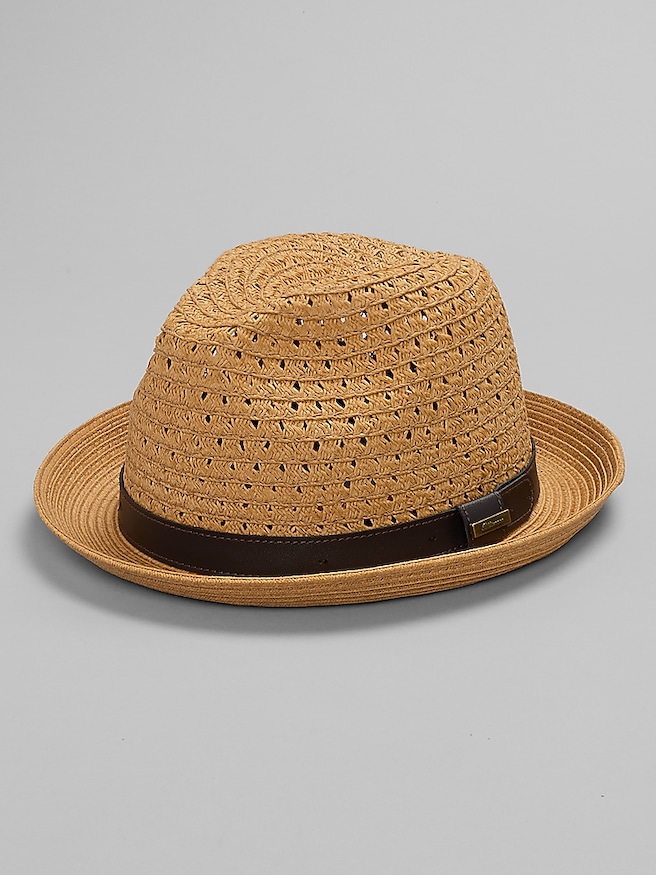
A groom’s wedding vest works best when the surrounding details support it rather than compete for attention. A white dress shirt provides a clear backdrop for most suit colors, while other shirt shades need enough separation from the vest to keep the layers distinct. The tie should sit neatly within the opening, and a tie bar, if worn, should not create an awkward interruption at the neckline. Pocket squares can echo a color elsewhere in the outfit without matching the vest exactly. For weddings where headwear suits the setting and ceremony etiquette, Wedding Hats For Groom offers another avenue for coordinating the overall look, with the hat’s formality and proportions considered alongside the suit. Keeping one or two details distinctive often creates a clearer impression than combining pronounced texture, strong contrast, and several statement accessories at once. The groom might wear a contrasting waistcoat while attendants wear matching three-piece suits, or everyone might share the same vest color with the groom distinguished by a tie or boutonniere. After the celebration, a versatile vest can remain useful for anniversary dinners, formal gatherings, and other occasions that call for tailored clothing. A matching three-piece combination retains its strongest sense of unity when its pieces receive consistent care, since uneven cleaning or wear can gradually affect their appearance. The garment’s care label should govern cleaning; wool, linen, satin, and blended fabrics do not all tolerate the same treatment. Between wears, airing the vest and gently brushing appropriate fabrics can help remove surface dust. Spills deserve prompt attention without vigorous rubbing, and professional cleaning may be appropriate when the label recommends it or a stain needs specialized treatment. Storage should allow the fabric to rest without sharp folds or pressure on the front. With thoughtful fit, compatible fabrics, and careful upkeep, a wedding vest becomes more than an extra layer: it helps the groom look fully dressed throughout the celebration and preserves a meaningful part of the occasion for future wear.