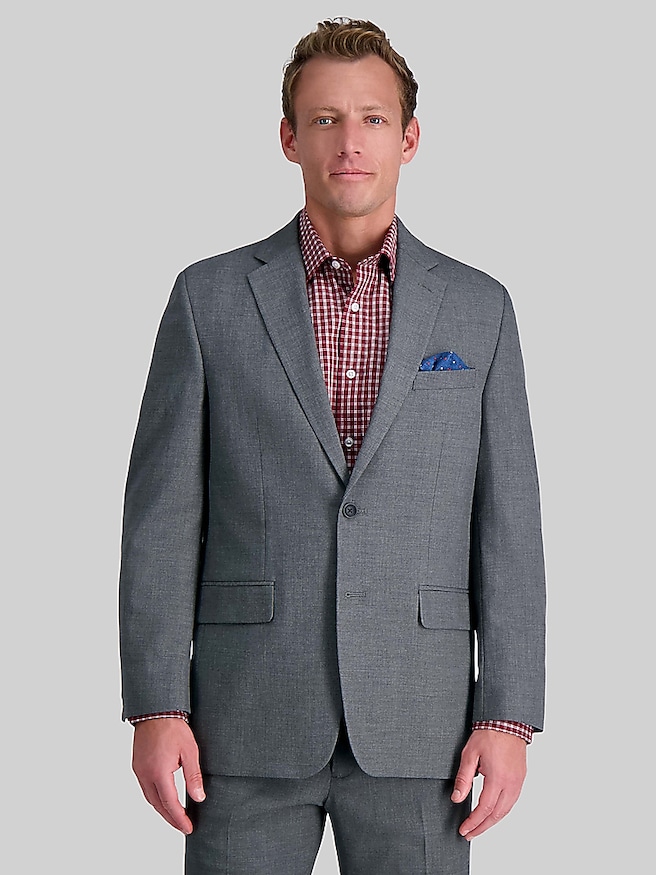
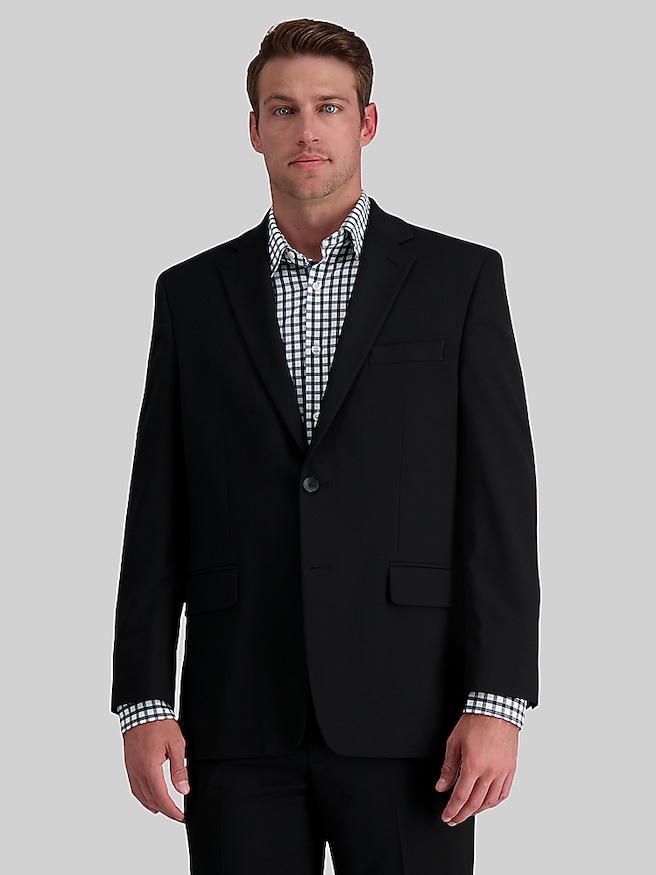
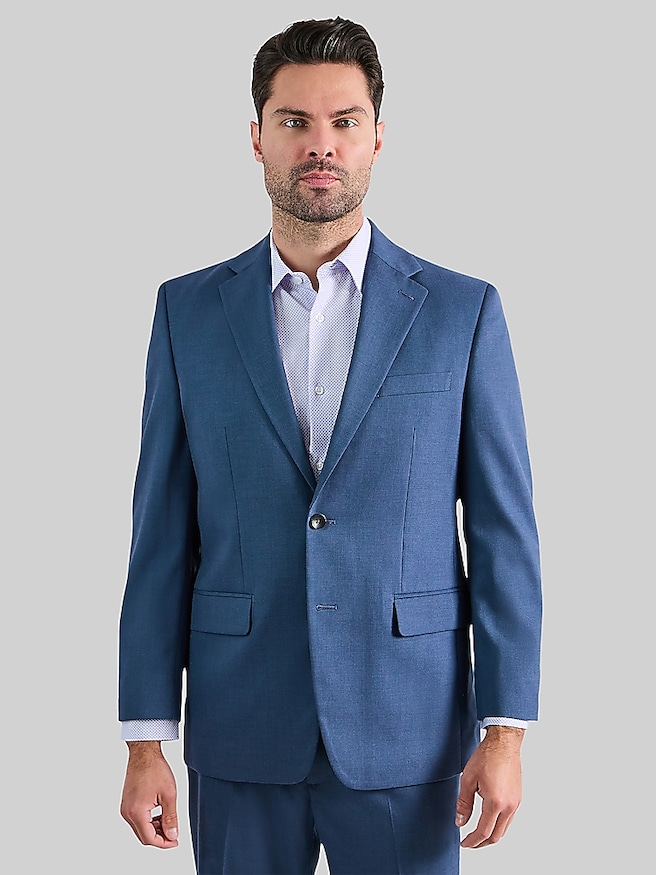
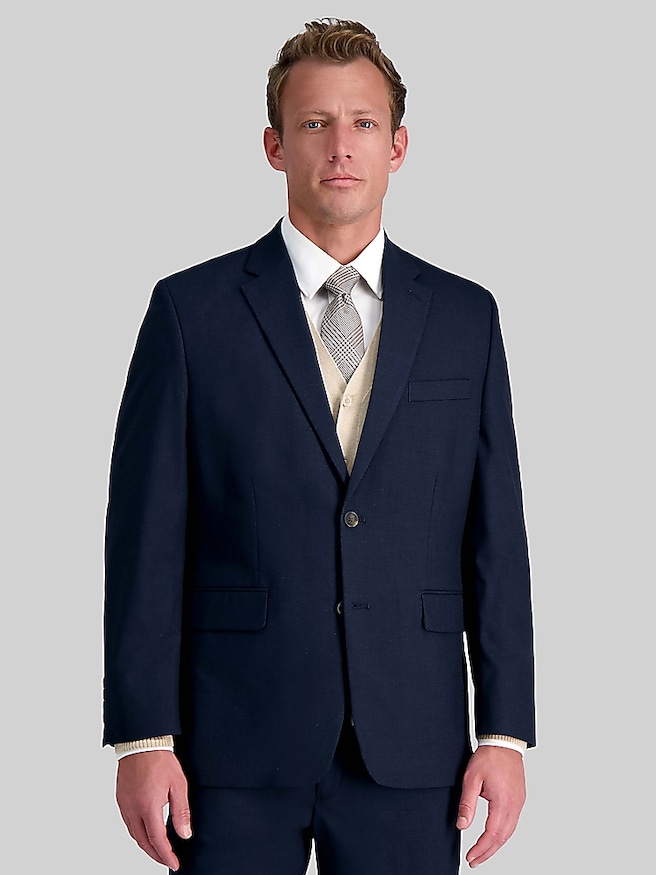
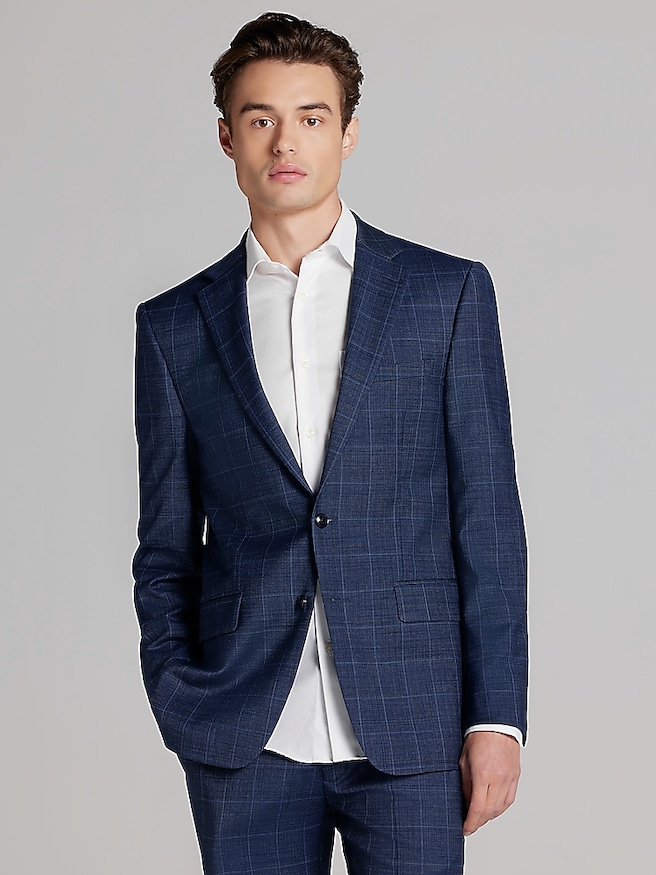
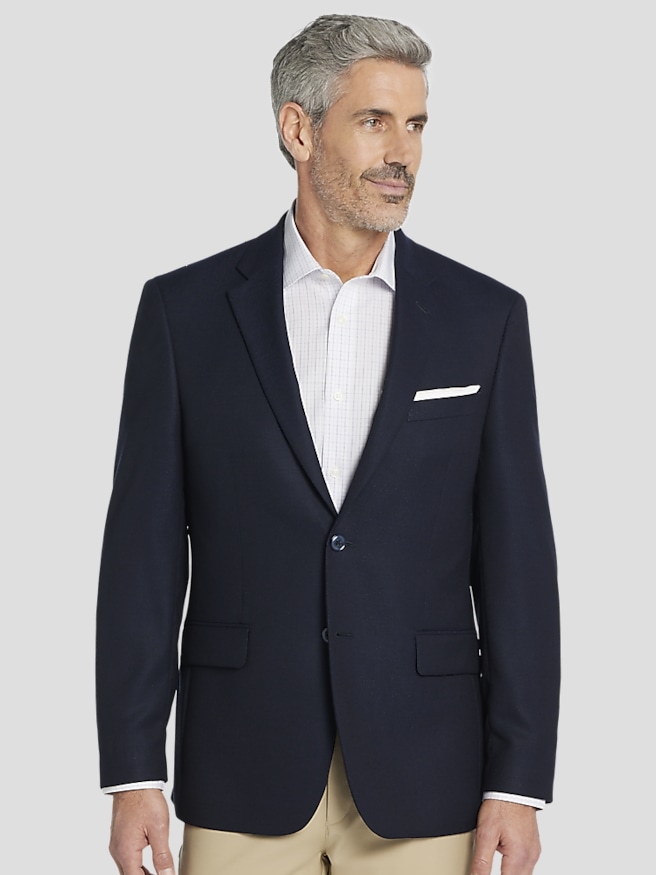
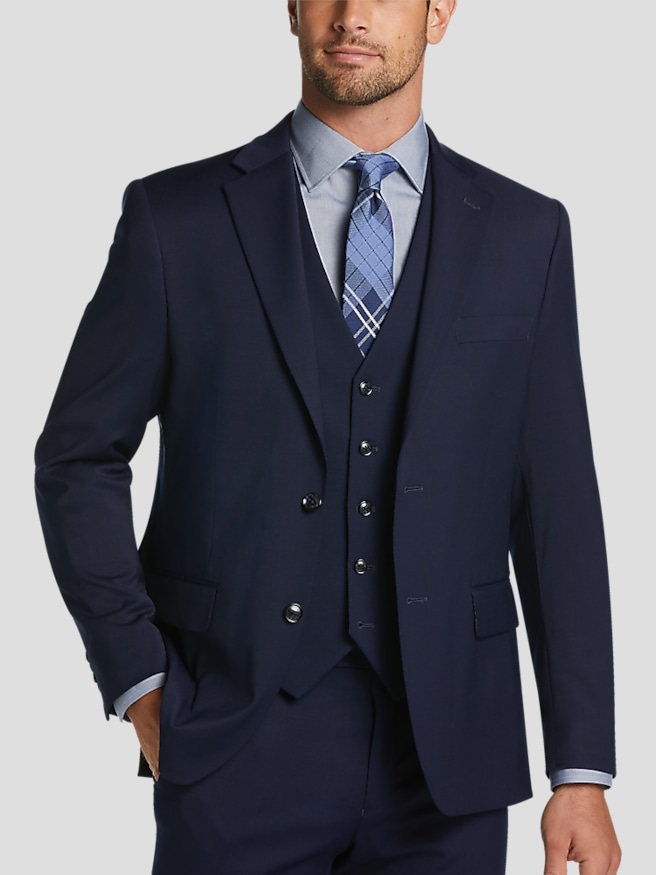
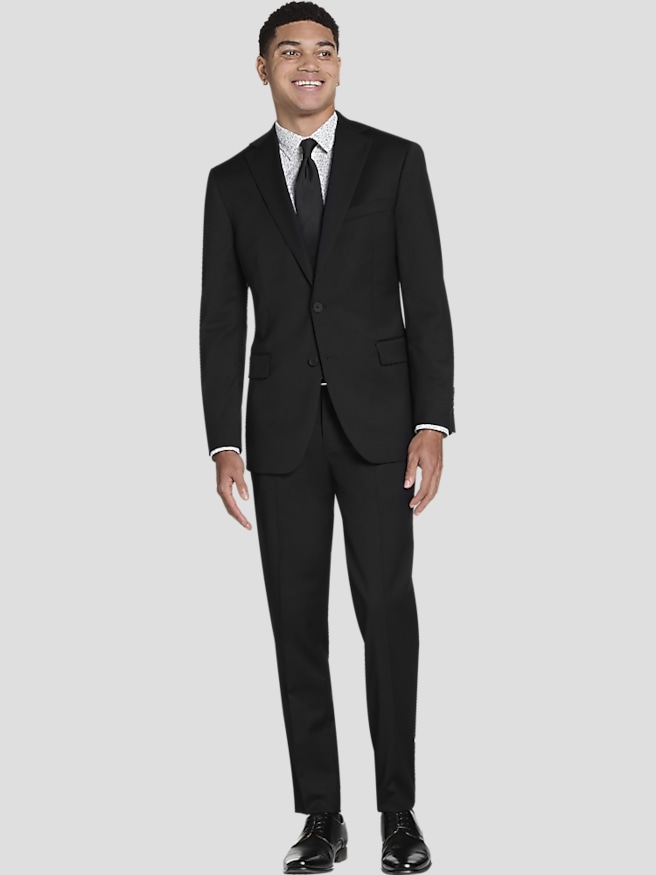
The right wedding guest coat completes formalwear while keeping you comfortable from the first photographs to the final dance. Because weddings often involve moving between a ceremony, reception, parking area and outdoor gathering space, wedding guest coats should offer practical warmth without looking like an afterthought. Start with the venue, dress code and expected conditions. An evening celebration at a country club, hotel or elegant event hall typically calls for polished outerwear with a clean silhouette, while a relaxed outdoor ceremony may allow a lighter jacket with more texture and ease. During warmer weather, choose breathable layers that can be carried over one arm once the temperature rises, such as an unstructured blazer, lightweight sport coat or refined linen-blend layer. As the weather cools, a tailored wool-blend overcoat or topcoat adds warmth and formality without overwhelming the suit beneath it. A formal coat should look intentional when worn over a tuxedo, suit or dress shirt, rather than resembling everyday cold-weather gear. Elevated materials such as wool, cashmere blends, velvet, satin, fine cotton or polished technical fabrics can help maintain the tone of the occasion. Neutral shades including black, charcoal, navy, camel and deep gray are versatile choices that coordinate easily with wedding guest outfits, while muted seasonal colors can bring personality to a less traditional celebration. If the wedding includes an outdoor cocktail hour, a coat with a comfortable lining and enough room through the shoulders makes it easier to move, greet other guests and sit without pulling at the back. Pay attention to the forecast, but also consider the setting: a breezy waterfront venue may require more coverage than an enclosed ballroom, and a late-day ceremony can feel noticeably cooler by the time dinner begins.
Proportion is one of the most important details when choosing wedding guest coats. The outer layer should complement the length and shape of the clothing underneath, creating a smooth line rather than cutting the outfit in an awkward place. A longer overcoat generally works well with a full suit or formal trousers because it keeps the silhouette balanced from shoulder to hem. A shorter jacket can be a natural choice with tailored trousers, a shirt and tie, or a more relaxed cocktail look, especially when the event calls for flexibility. The coat should close comfortably over the chest and suit jacket, with enough space for natural movement but not so much that the shoulders appear broad or the waist loses definition. Sleeves should reach the wrist while allowing the shirt cuff to remain neatly positioned, and the hem should sit cleanly without bunching around the legs. Details matter in photographs: a crisp collar, smooth lapels, secure buttons and a wrinkle-resistant finish help the outfit look composed during long ceremonies and group portraits. Match the formality of the fabric and construction to the invitation. A sleek, refined coat suits black-tie and formal dress codes, while a textured wool layer, tailored jacket or lightweight blazer can fit cocktail and semi-formal celebrations. Everyday puffer jackets, bulky canvas outerwear and heavily distressed pieces may be useful elsewhere, but they can compete with the polished character of wedding attire. Color coordination does not require an exact match. Instead, look for a coat that supports the tones already in the outfit. A navy suit can pair naturally with charcoal, camel or navy outerwear; gray tailoring works with black, navy or rich brown; and a black formal ensemble is best supported by a coat with a similarly refined, understated finish. Simple accessories such as a folded pocket square, leather shoes or a coordinating scarf can connect the layers without making the look feel overly styled. For more ways to build a complete celebration-ready wardrobe, explore Wedding Guest Outfits.
Wedding guest coats can also be a thoughtful and useful gift for someone attending several celebrations, moving to a cooler climate or building a more complete formal wardrobe. A versatile topcoat or tailored jacket is especially practical for a recent graduate, a member of the wedding party or anyone who has invested in a new suit but needs an appropriate layer to wear over it. When selecting a coat as a gift, focus on adaptable color, dependable construction and a fit that leaves room for the clothing it will cover. If the recipient prefers classic dressing, a streamlined neutral coat can become a reliable part of workwear and occasionwear alike. Someone with a more expressive style may appreciate subtle texture, a distinctive collar or a richer color that still coordinates with formal clothing. Check measurements carefully, including chest, sleeve and overall length, and consider whether the recipient usually wears slim, modern or traditional fits. A coat that is slightly roomier through the shoulders can be more useful for layering than one designed to fit like a shirt. Before the wedding, remove temporary tags, inspect the buttons and seams, and try the coat on with the intended suit or formal trousers. Keep it on a sturdy hanger, allow space for the fabric to breathe, and follow the care instructions so it remains ready for future ceremonies, holiday gatherings, dinners and professional events. The best wedding guest coats are the ones that disappear into the experience in the best possible way: warm enough during a cool walk between venues, polished enough for a close-up photograph, and comfortable enough to leave on through a lively reception. With the right length, fabric, fit and level of formality, a well-chosen coat makes dressing for a wedding feel effortless across changing conditions and celebrations.