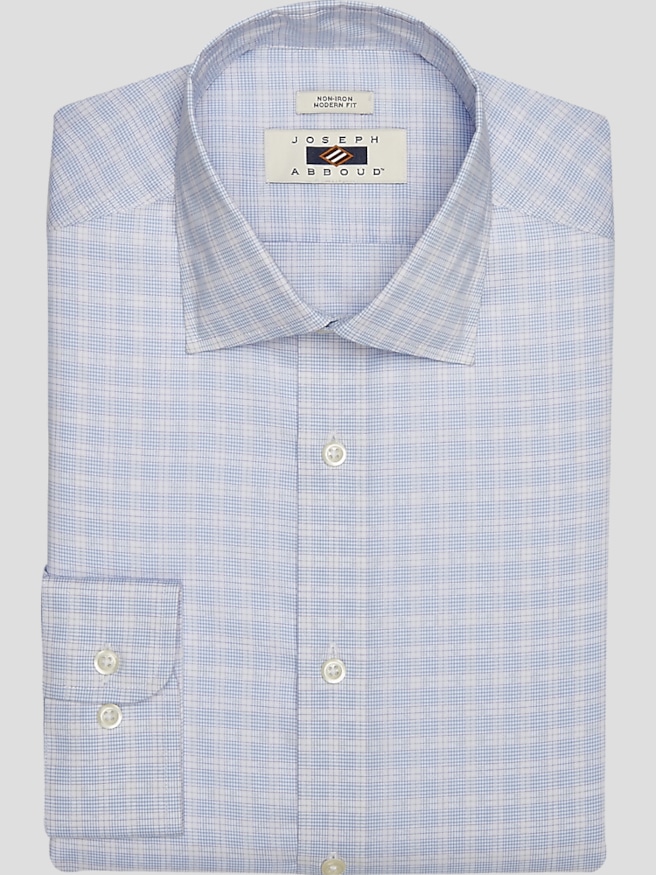
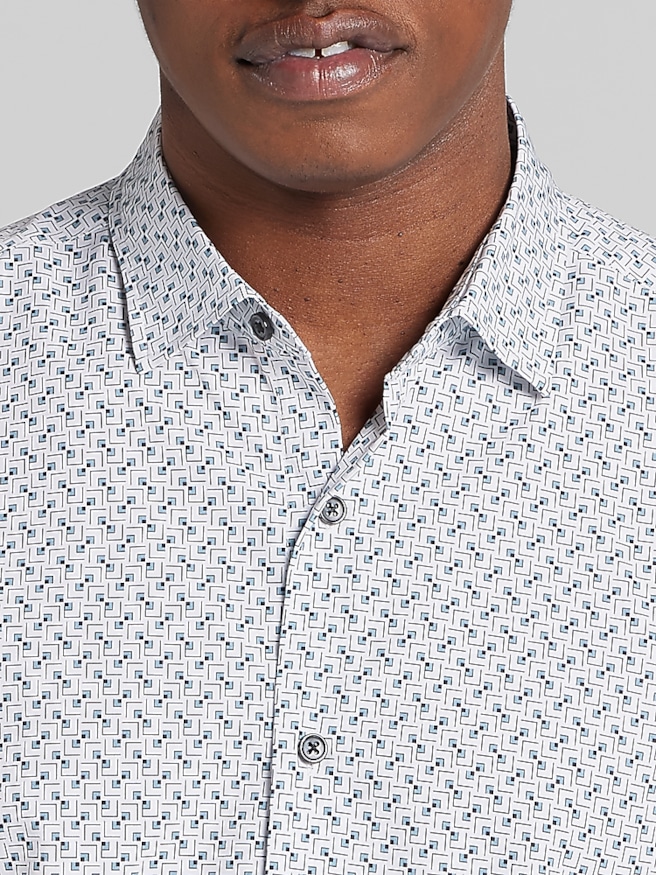
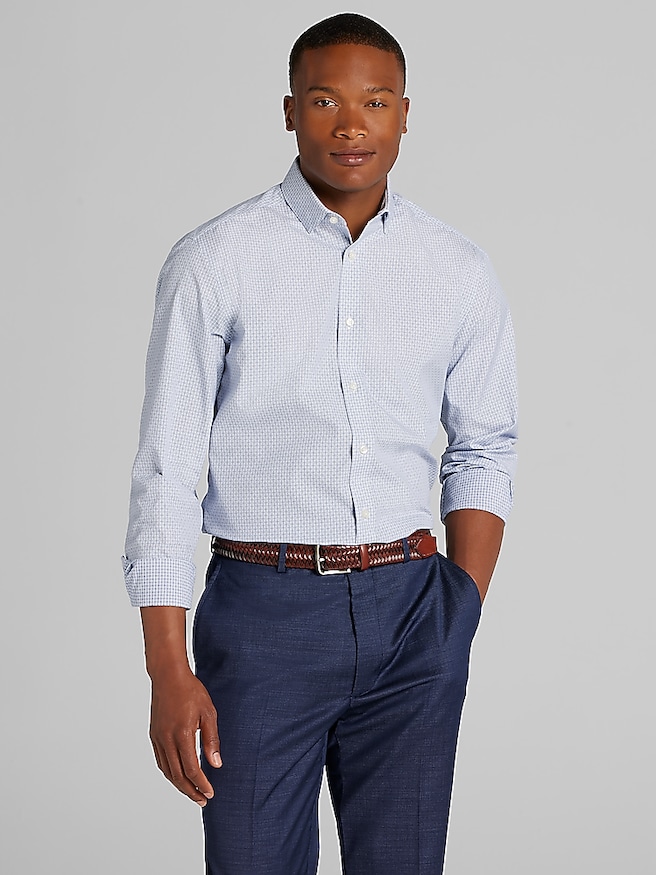
Vintage plaid shirts bring together recognizable checks, lived-in character, and the practical appeal of classic menswear. Plaid describes a pattern of intersecting horizontal and vertical stripes, while vintage refers either to an older garment or, when described as vintage-inspired, a newer design that draws on earlier styles. That distinction matters: a heritage-looking check does not necessarily mean a shirt is pre-owned or decades old. The appeal often comes from the combination of pattern, color, texture, and proportion rather than age alone. Muted reds, tobacco browns, deep blues, and olive greens can create a familiar, broken-in look, while sharper contrasts give the same basic pattern a more graphic presence. Large checks tend to feel casual and expressive; smaller, closely spaced patterns can sit comfortably alongside chinos or tailored trousers. Some designs recall traditional work shirts through substantial collars, chest pockets, and straightforward button fronts. Others take a cleaner approach, keeping the pattern prominent while simplifying the details. These variations make vintage-inspired plaid useful beyond a single aesthetic. A shirt worn open over a plain T-shirt with straight-leg jeans has an easy, everyday feel, while a tucked-in version with dark trousers and a leather belt looks more deliberate without becoming overly formal. The pattern also creates visual interest without requiring much else: a solid base layer and uncomplicated pants usually give the checks enough room to stand out. The most convincing combinations do not need to recreate an entire decade. A slightly faded-looking plaid, clean denim, and simple shoes can suggest the past while still feeling natural in a modern wardrobe. For men who prefer clothing with recognizable character rather than conspicuous decoration, plaid offers a balance of familiarity and individuality. Its connection to everyday dressing also makes it approachable for someone trying a patterned shirt for the first time, especially when one color in the check echoes pants, shoes, or a favorite jacket.
Fabric makes a considerable difference in how vintage plaid shirts look, drape, and hold up to repeated wear. Cotton is common in casual shirting because it can feel comfortable against the skin and takes well to a wide range of woven patterns. Brushed cotton flannel has a soft, slightly fuzzy surface that gives checks a less sharply defined appearance, but plaid and flannel are not interchangeable terms: plaid is a pattern, and flannel is a fabric. A smooth woven plaid shirt may look crisper and layer neatly beneath a casual jacket, while a heavier twill can have a more substantial, workwear-influenced character. Cotton blends may offer additional wrinkle resistance or easier maintenance, depending on the fibers and construction, and a small amount of stretch can make reaching or sitting more comfortable. Fabric weight alone does not establish quality. Even stitching, secure buttons, sound seams, and neatly finished buttonholes contribute to everyday durability. Pattern alignment across a pocket or front opening can also create a more considered appearance, although construction details vary by design. Fit shapes the overall impression just as much as the cloth. A relaxed cut allows a plaid shirt to sit comfortably over a T-shirt, while a closer silhouette can look tidier when tucked into trousers. Neither should require pulling across the chest or leave the button placket strained when seated. Shoulder seams that sit near the shoulder edge, sleeves that allow easy elbow movement, and cuffs that stay comfortably at the wrist help a shirt feel proportionate. Hem shape matters, too: a shorter, relatively even hem often works well untucked, while a longer curved shirttail provides more fabric to stay in place when tucked. For a layered outfit, enough room through the upper arms and chest keeps the fabric from bunching. A vintage-inspired appearance does not require an oversized fit; the right balance depends on the intended use and the proportions of the rest of the outfit. A roomier shirt often pairs well with straight-leg pants, while a more tailored cut can complement a cleaner, less bulky silhouette.
The versatility of a plaid shirt becomes especially clear in ordinary settings: a casual office with a relaxed dress code, a weekend lunch, a family gathering, or an evening at a neighborhood restaurant. Dark denim can ground a vivid check, while tan or olive chinos can pick up quieter tones within the pattern. Under a solid sports coat, a restrained plaid adds depth without competing with another prominent design. For a broader look at how check scale, color, and styling details influence the overall effect, Stylish Plaid Shirts offers a related perspective on this enduring category. Care is another part of keeping that character intact. The sewn-in care label should determine washing, drying, and ironing methods, since cotton, blended fabrics, and wool-containing materials can have different requirements. When machine washing is permitted, closing buttons as directed, turning the shirt inside out, and washing with similar colors can help limit friction and color transfer. Excessive heat can contribute to shrinkage or affect the surface finish, so drying instructions deserve the same attention as washing instructions. Brushed fabrics may develop surface pilling through wear; gentle handling and an appropriate fabric-care tool can help maintain their appearance without aggressive pulling. Prompt attention to a loose button or an opening seam can keep a minor repair from becoming a larger problem. Storage also affects how a shirt looks between wears: a suitable hanger supports its shape, while neat folding can keep bulkier fabrics organized without crowding. As a gift, a vintage-inspired plaid shirt can suit a birthday, a graduation, or another personal milestone, particularly for someone who already enjoys denim, boots, casual tailoring, or heritage-influenced clothing. Familiar colors and a known preferred fit make the choice more personal than an unfamiliar pattern selected only for impact. Whether worn as a dependable everyday layer or as the main visual element of an outfit, a well-chosen plaid shirt brings texture, useful versatility, and a distinctive sense of character to regular rotation.