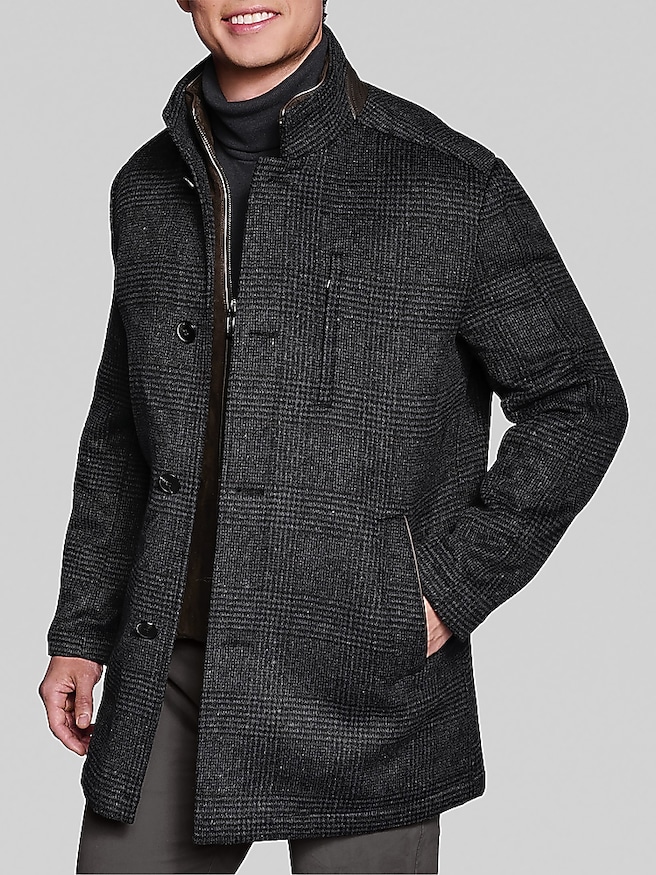
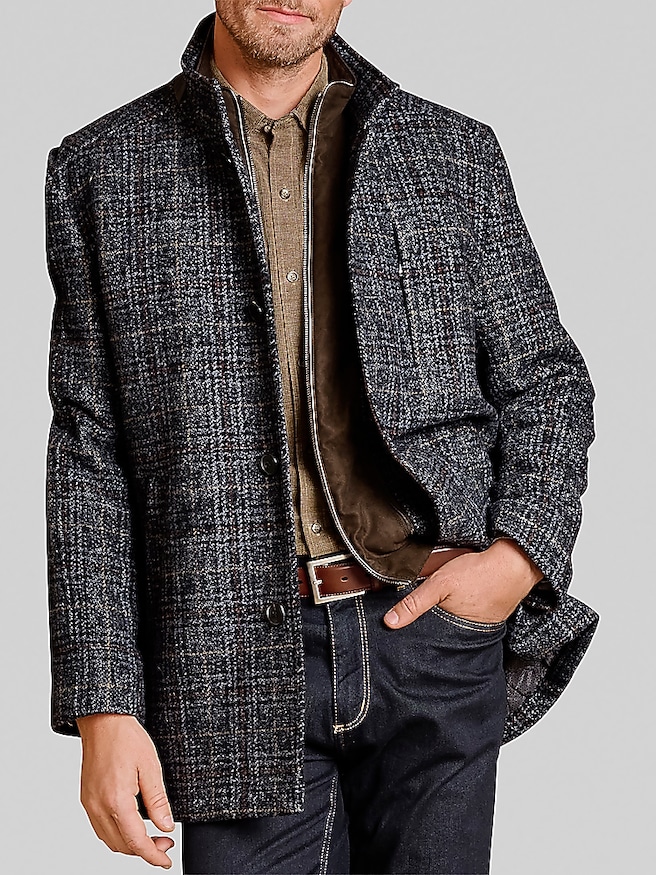
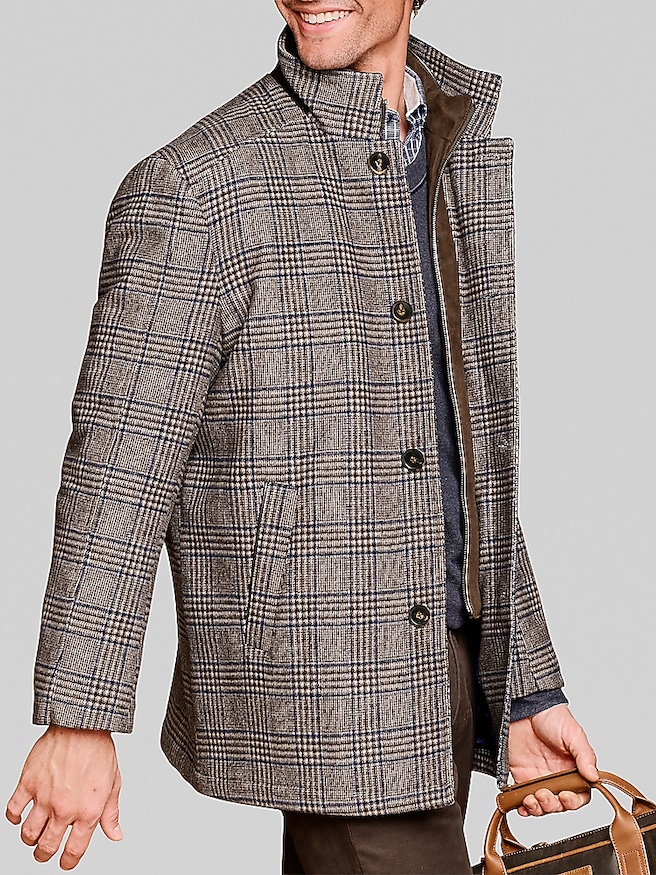
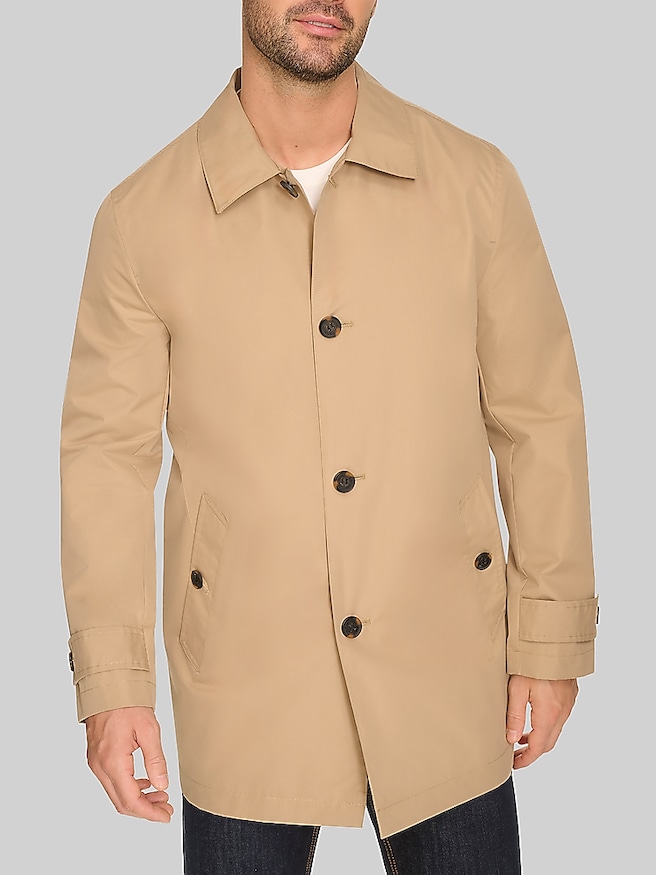
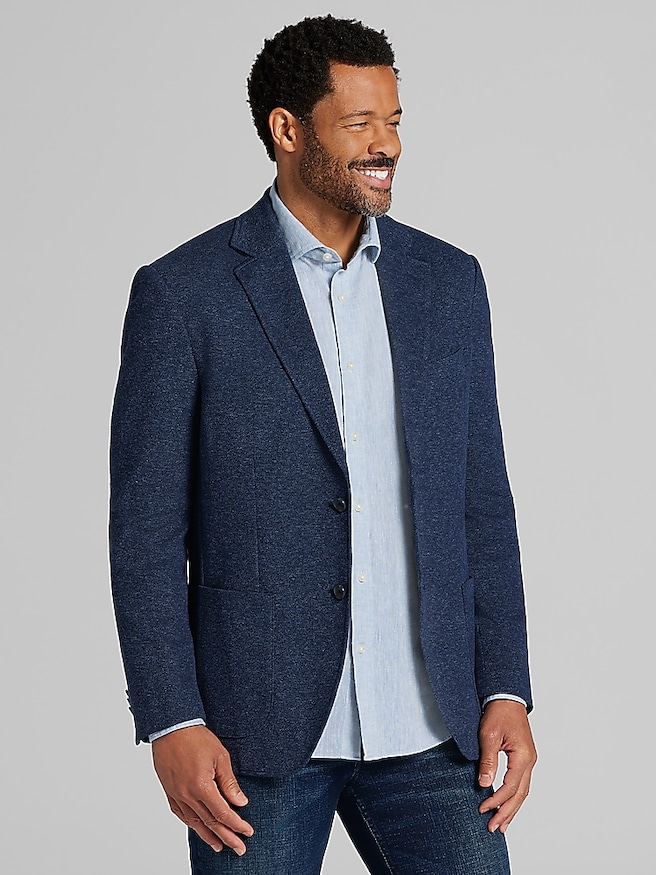
A twill blazer is a tailored jacket made from fabric with a diagonal weave, visible as fine, slanting lines across the surface. Twill describes how the threads are woven, not the fiber itself, so twill blazers can be made from cotton, wool, synthetic fibers, or blends. That distinction matters: two jackets with a similar appearance may have noticeably distinct textures, weights, and care requirements. Cotton twill often has a matte finish and a substantial, easygoing feel, while wool twill can provide a smoother drape and a more refined appearance. Blended fabrics may combine softness with shape retention, and fabrics containing elastane can offer stretch for movement. The diagonal structure often gives twill good durability, although resistance to abrasion and long-term wear also depend on fiber quality, fabric density, and construction. Some twills have a pronounced rib; others look nearly smooth until viewed up close. On a blazer, that subtle texture adds depth to a solid color without requiring a bold pattern. Navy, charcoal, tan, and other neutral shades can work across a broad wardrobe, with the weave providing visual interest beside plain trousers or a crisp shirt. Unlike a suit jacket intended to be worn with matching pants, a blazer is generally styled with separate trousers, making it useful for occasions that call for polish without a full suit. A twill blazer can look appropriate at a business-casual office, a dinner reservation, or a celebration with a smart-casual dress code. It is not a substitute for formal attire when an invitation specifies black tie. Its appeal lies in the middle ground: enough structure to frame a shirt neatly, with texture that can feel natural alongside chinos or dark denim. For someone whose day moves from a client meeting to an evening meal, that balance makes a twill blazer a practical wardrobe piece rather than something reserved for a single occasion.
Fit determines whether that versatility translates into comfortable, convincing wear. The shoulder line should sit close to the natural shoulder without extending into a ledge or pinching across the upper back. With the blazer fastened as intended, the front should lie relatively flat; pronounced pulling around the button or lapels lifting away from the chest can signal that the cut is too tight. A slim fit typically follows the torso more closely, while a classic fit generally provides additional room through the chest and waist, though those labels vary by maker. Neither shape should restrict ordinary movements such as reaching across a table, carrying a work bag, or sitting through a presentation. Stretch can help with mobility, but it does not correct an undersized jacket. Trying on a blazer over the type of shirt or knit top intended for regular wear gives a more useful sense of fit than judging it over an unusually thin layer. Sleeve length should leave the hands clear and, when paired with a dress shirt, can allow a small amount of cuff to show. Jacket length should balance the torso and legs, with enough coverage through the seat to support the intended silhouette. Tailoring can often refine sleeve length or shape through the waist, but substantial shoulder changes are more involved. Construction also influences how a twill blazer feels: a structured chest creates a sharper outline, while softer construction allows a less rigid appearance. Lining can help the jacket slide over a shirt, and back vents provide room when sitting or walking. For a coordinated outfit, smooth chinos and a fine-gauge knit emphasize the blazer’s texture without competing with it. A woven shirt brings a crisper edge, and Twill Fabric Shirts can complement the jacket when their color or weave scale provides enough distinction. Texture does not have to match exactly; a finer shirt beneath a more visibly ribbed blazer keeps the combination from looking overly uniform. Clean leather shoes complete a dressier outfit, while understated sneakers can suit a more relaxed setting where the dress code permits them.
Care and construction deserve as much attention as color, especially when a twill blazer will be worn frequently. The weave can stand up well to ordinary use, but no weave makes a tailored jacket immune to friction, stains, or loss of shape. Areas beneath bag straps, along pocket edges, and at the elbows tend to receive more contact, so rotating jackets and avoiding overfilled pockets can help preserve their appearance. Fiber content alone does not establish whether a blazer is washable. Even a cotton shell may be combined with lining, interfacing, shoulder padding, or other components that require professional cleaning. Follow the care label for the whole garment rather than treating it like an unstructured cotton shirt. Between cleanings, a gentle brushing with a suitable garment brush can remove surface dust, and a broad, shaped hanger supports the shoulders better than a thin wire hanger. Leave enough closet space for the lapels and sleeves to hang without being compressed. If wrinkles need attention, follow the label’s guidance for pressing or steaming; excess heat or direct pressure can mark some fabrics, flatten texture, or affect internal construction. A pressing cloth may help protect the surface when ironing is permitted. For spills, blot gently rather than rubbing, and seek appropriate cleaning advice before applying a treatment that could leave a ring or alter the finish. When packing, avoid crushing the jacket beneath heavy belongings and hang it after arrival. These habits are particularly useful for commuters, frequent travelers, and anyone who reaches for a blazer several times during a typical workweek. As a gift, a twill blazer can suit a graduate building a professional wardrobe, someone beginning a client-facing role, or a recipient who enjoys dressing thoughtfully for dinners and gatherings. Accurate measurements and a clear sense of preferred fit matter more than guessing from a shirt size. Whether chosen for daily office wear or occasional events, the most useful twill blazer combines an appropriate fabric, balanced proportions, and manageable care with a style that feels comfortable beyond the fitting room.