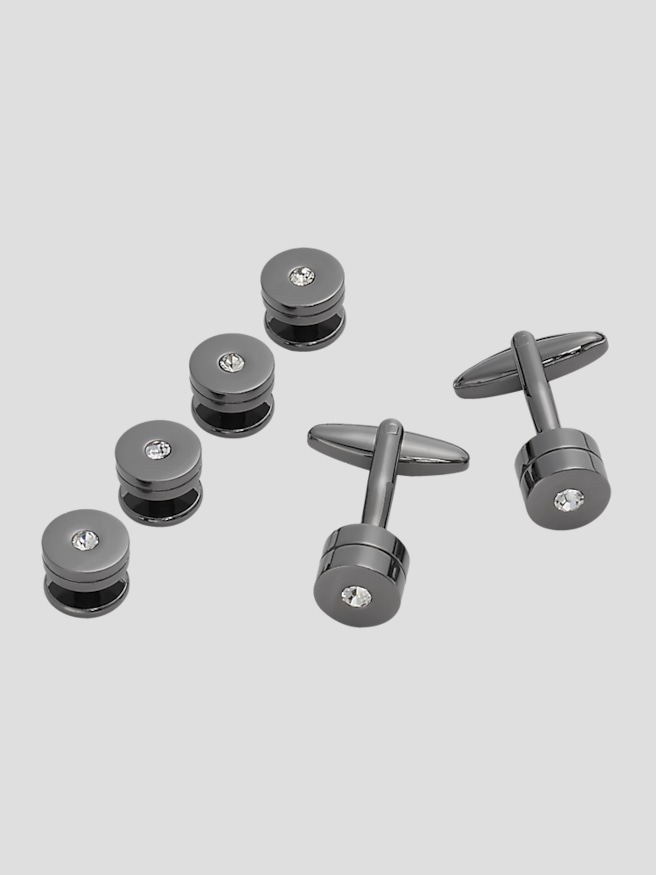
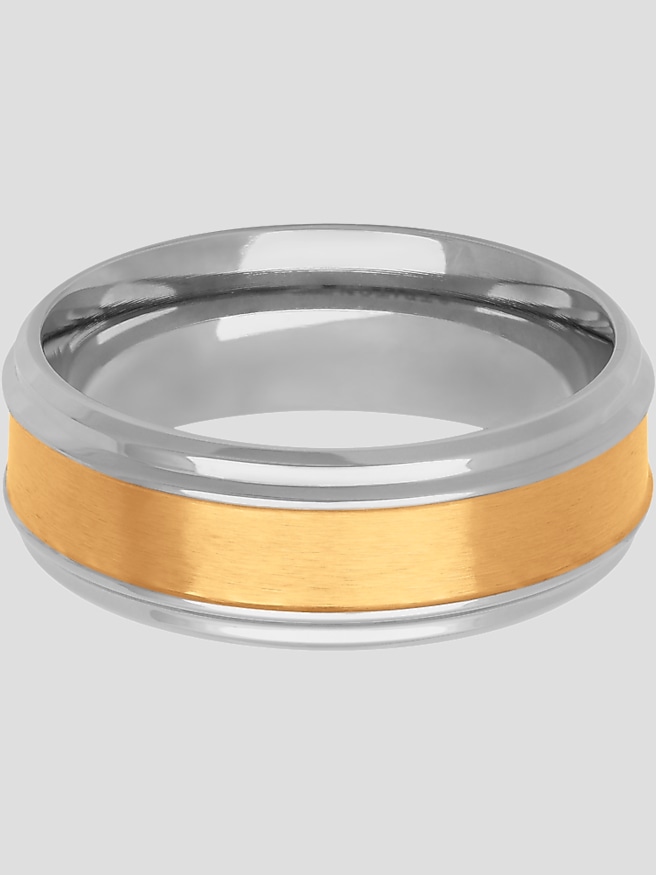
Tungsten rings are substantial, highly scratch-resistant bands typically made from tungsten carbide, a hard material formed from tungsten and carbon and combined with a metallic binder. Their appeal comes from a distinctive balance of clean design, noticeable weight, and a surface that stands up well to everyday friction. A polished band catches the light with a crisp, mirrorlike gleam, while a brushed or matte finish creates a quieter effect beside a watch, cuff links, or a simple shirt cuff. Natural tungsten carbide generally has a gray tone, though coatings and other surface treatments can create black, gold-toned, and additional colored finishes. Those finishes matter when comparing rings: the underlying tungsten carbide may resist scratches exceptionally well, but a decorative coating can show wear over time. Tungsten carbide is also hard rather than flexible. It resists bending, yet a strong impact against a hard surface can chip or crack it, so scratch resistance should never be confused with being unbreakable. For someone who likes a band with a solid presence and a straightforward silhouette, that combination of heft and hardness can be especially appealing. Tungsten wedding bands suit daily wear as a symbol of commitment, while other styles work as personal accessories or gifts for an anniversary or meaningful milestone. Alongside other Men's Wedding Bands, tungsten designs offer a distinct alternative to traditional precious-metal rings, particularly for a wearer who prefers a weighty feel over something barely noticeable. A plain domed band has a familiar, understated look; a flat profile feels more architectural; and beveled edges introduce a narrow line of reflected light without elaborate decoration. The best visual choice often comes down to the accessories already worn most often. A subdued gray band can sit comfortably alongside a stainless steel watch, while a darker finish creates stronger contrast against a white dress shirt. Matching every metal exactly is not necessary, but repeating a tone or finish can make an outfit feel considered.
Fit deserves particular attention with tungsten rings because tungsten carbide bands generally cannot be resized using conventional jewelry techniques. Getting an accurate measurement before choosing a size is more useful than relying on the size of an old ring with a completely distinct shape. Band width changes how a ring feels: a broad band covers more of the finger and may feel snugger than a narrow one in the same stated size. Someone accustomed to a slim band may notice that difference immediately when making a fist, holding a steering wheel, or slipping a hand into a pocket. Wider styles also create a stronger visual statement, while narrower bands tend to feel less prominent between adjacent fingers. Interior shape is another consideration. A comfort-fit ring has a rounded inner surface designed to ease movement over the knuckle and reduce the amount of metal resting directly against the finger. It can feel smoother during ordinary hand movements, but the fit still depends on the specific dimensions and the wearer's hand. Professional sizing with a sample close to the intended width and interior profile provides a more useful reference than a string measurement alone. A well-fitting band should pass over the knuckle with some resistance and rest securely without pinching or leaving the finger feeling compressed. Checking the measurement more than once can help account for normal changes in finger size throughout the day. Weight is equally personal. Tungsten carbide generally feels heavier than titanium or stainless steel, an appealing quality for someone who enjoys substantial accessories but a potential adjustment for someone who rarely wears jewelry. For a gift, confirming both ring size and preferred width helps avoid a thoughtful gesture becoming an uncomfortable fit. Skin sensitivity also deserves a close look at the material details. Tungsten carbide jewelry is not universally hypoallergenic; binders, coatings, and inlay materials vary, and some compositions include nickel or cobalt. Anyone with a known metal allergy should verify the full composition rather than treating the word tungsten as a guarantee of compatibility.
The way a tungsten ring is constructed influences both its appearance and its care requirements. A plain tungsten carbide band presents a relatively uniform surface, while inlays introduce other materials that may respond differently to moisture, abrasion, and cleaning products. Wood can bring visible grain and warmth to an otherwise industrial-looking ring; carbon fiber adds a patterned, technical character; and precious-metal accents create contrast in color and texture. These details can make a band feel more personal, but the hardest material in the design does not determine the durability of every component. An inlay, adhesive, protective seal, or colored coating may need more cautious treatment than the tungsten carbide body itself. For routine cleaning, a soft cloth, lukewarm water, and mild soap are generally a sensible starting point when permitted by the ring's care instructions. Rinse away residue and dry thoroughly, especially around grooves where soap or lotion can collect. Abrasive cleaners, harsh chemicals, and polishing compounds can damage decorative surfaces, and ultrasonic or steam cleaning should not be assumed safe for every construction. Storing the ring separately in a soft pouch or lined compartment helps protect neighboring jewelry from contact with its hard edges. Everyday durability also has practical limits. Removing a ring before weightlifting, working with heavy tools, or handling machinery reduces exposure to impacts, concentrated pressure, and snagging hazards. A tungsten band may retain its shape instead of bending, but that does not make it protective equipment or eliminate the risks of wearing jewelry during physical work. If an injury or swelling traps a tungsten carbide ring on a finger, prompt professional help is important; emergency removal may require specialized cracking tools rather than a conventional ring cutter. With sensible care and the right fit, tungsten rings can serve as dependable daily accessories without demanding elaborate upkeep. Their strongest appeal is tangible: a smooth edge against the hand, a satisfying sense of weight, and a finish that complements everything from a tailored suit to a favorite casual shirt. Choosing the right band means balancing that look and feel with the wearer's routine, preferred width, and willingness to protect decorative details.