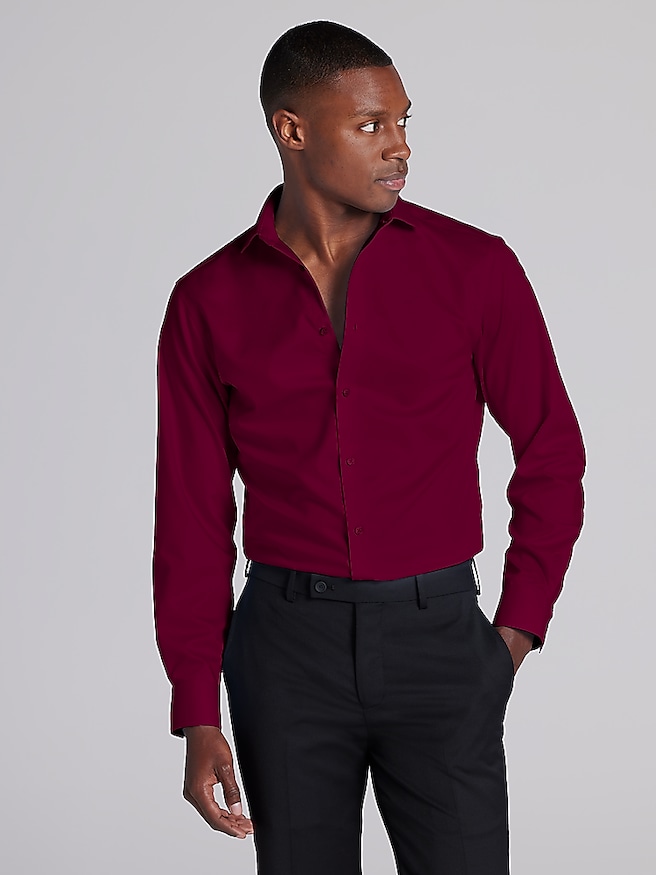
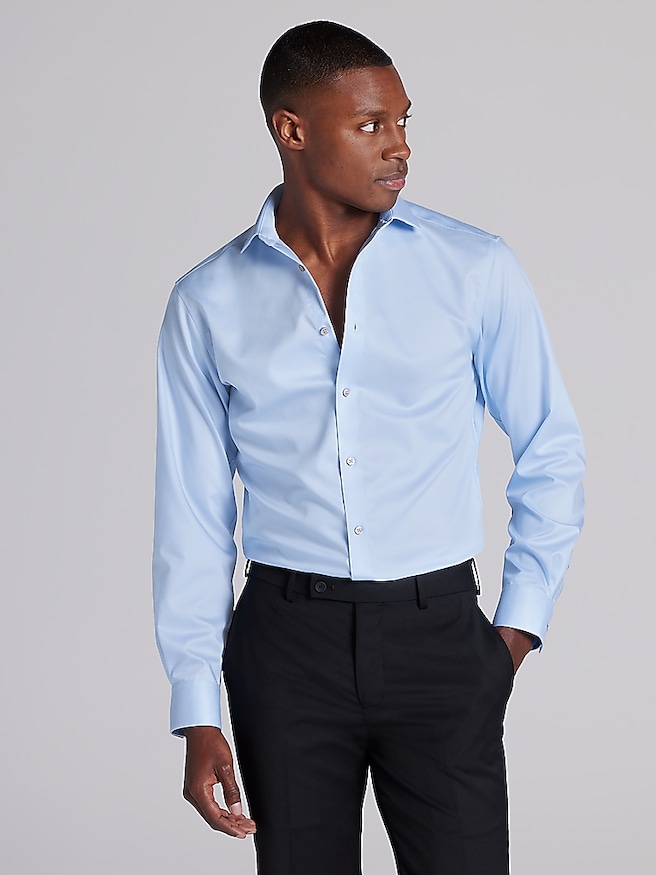
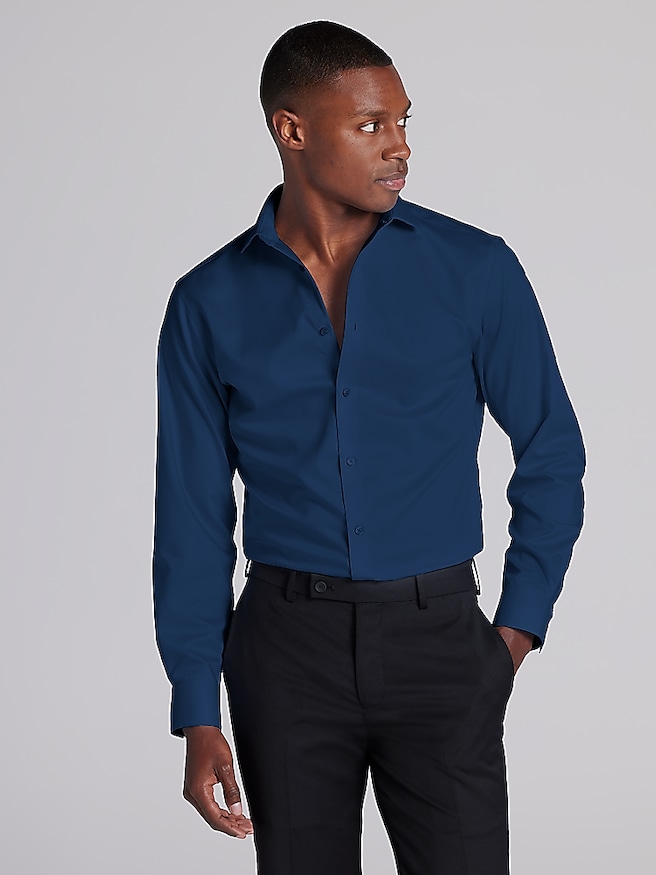
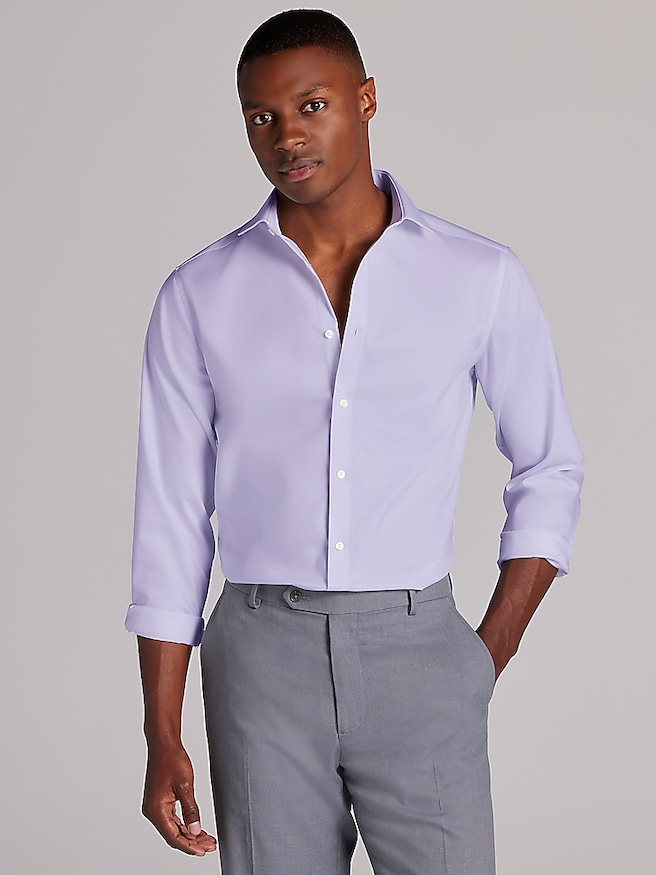
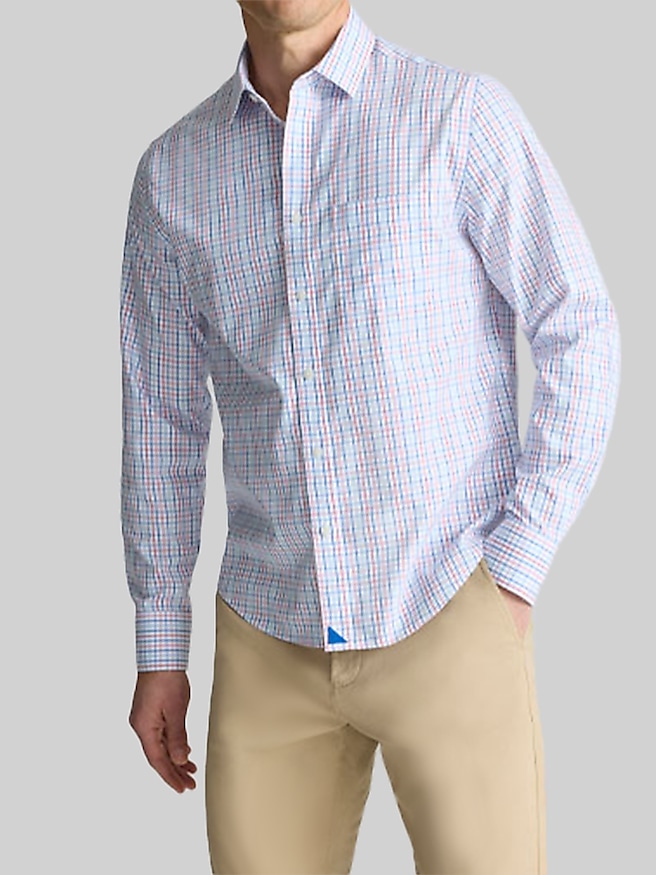
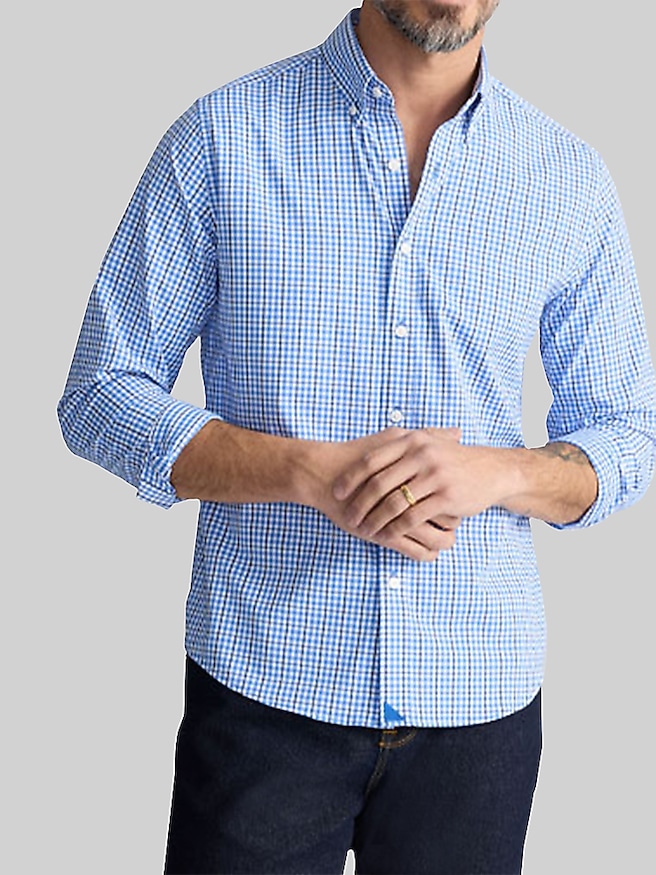
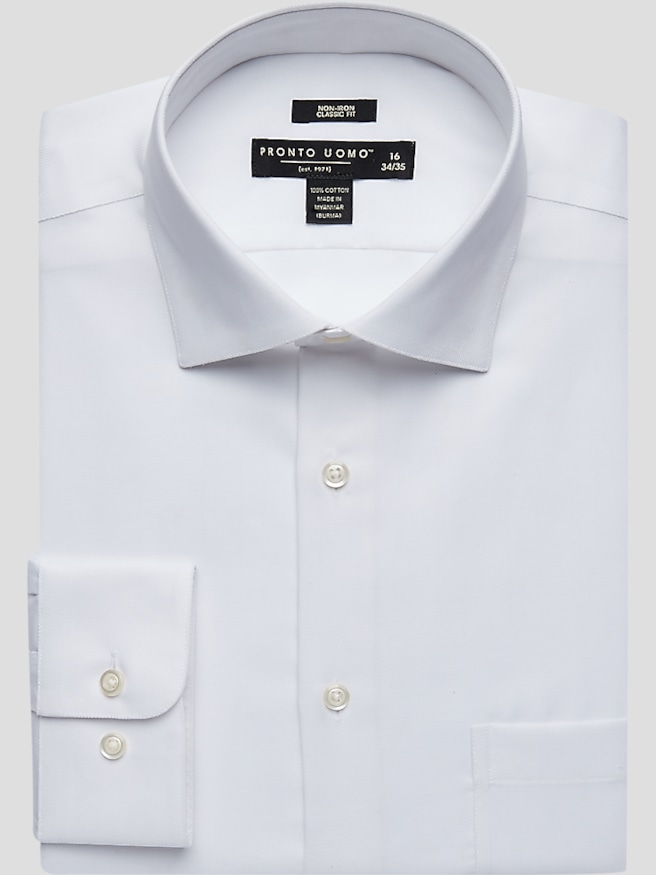
Tucked-in shirts bring a clean, intentional shape to everyday dressing, whether the outfit is headed to the office, a family gathering, a wedding-related event or a relaxed dinner during the cooler months. The right shirt creates a smooth line from the shoulders to the waistband without looking stiff or overly formal, making it a useful foundation for trousers, chinos, dress pants and other tailored separates. When choosing from a collection of tucked in shirts, consider the fabric, fit, length and level of structure together. A shirt with enough length to extend several inches past the belt line will stay anchored more reliably than a shorter style, while a trim but comfortable cut helps prevent excess fabric from gathering around the waist. The shoulder seams should sit near the natural edge of the shoulders, and the sleeves should allow easy movement when reaching across a desk, carrying a coat or raising a glass at a celebration. Softer fabrics can make a tucked-in outfit feel approachable for everyday wear, while a crisper weave gives a more polished appearance for professional settings and dressier occasions. For an especially neat silhouette, pair the shirt with mid-rise or high-rise trousers so the waistband supports the tuck instead of forcing the shirt to pull loose. Low-rise pants often leave too little fabric below the waist to hold the shirt in place, which can lead to constant readjustment throughout the day. A belt that fits comfortably and coordinates with the rest of the outfit can provide another point of support, but the shirt should still be long enough and properly proportioned to remain secure without relying on a tight waistband. For men building a versatile wardrobe, tucked in shirts can serve as dependable staples that move easily from a morning commute to an evening meal. They also make thoughtful gifts for a father, partner, son, graduate or colleague who appreciates clothing that looks put together without requiring complicated styling. A well-chosen shirt can refresh familiar trousers, add polish beneath a sweater during cooler weather and create a composed base layer under a jacket. Those who prefer a more defined outline may also appreciate the tailored appearance of Structured Shirts, especially when dressing for occasions where a crisp presentation matters.
The way a shirt is tucked has a noticeable effect on the finished outfit. For a standard tuck, put on the shirt and trousers, smooth the hem straight down into the waistband and fasten the closure before adjusting the fabric. A small amount of movement at the waist is helpful: gently pull the shirt up by a fraction of an inch after tucking to create a subtle, natural blouson effect rather than a stretched, rigid line. This allows room to sit, walk and bend while keeping the front smooth. When there is extra fabric at the sides, a military tuck can create a closer fit. After tucking the shirt in, pinch the excess material at each side of the waist, fold those small pleats back toward the rear and secure them with the waistband or belt. This method is particularly useful with a fuller cut or when a sharper outline is desired, though the folds should remain flat and comfortable rather than tightly gathered. A French tuck, in which only the front portion is tucked while the sides and back remain loose, offers a more relaxed option for casual settings and can work well with softer shirts and less formal trousers. The best approach depends on the shirt’s hem, fabric and intended setting; a full tuck generally looks most refined with a longer shirt designed to be worn that way, while a partial tuck is better suited to an easygoing outfit. Undergarments also affect the result. A smooth, tapered undershirt can reduce friction and limit bulk around the waist, helping the outer shirt fall cleanly. Before heading out, check the back of the shirt in a mirror, sit down once and lift your arms to see whether the hem remains covered and comfortable. If the shirt pulls sharply across the buttons, balloons at the waist or comes loose with ordinary movement, a different size, fit or trouser rise may solve the problem more effectively than repeated retucking. During the cooler months, a tucked-in shirt works especially well beneath a knit layer or tailored jacket because the defined waist keeps the additional layers from appearing bulky. As the day moves from indoors to outdoors, that tidy foundation makes it easy to add a coat, scarf or other layer while preserving a balanced silhouette. With thoughtful proportions and a comfortable tucking method, these shirts offer a practical way to look prepared for workdays, dinners, ceremonies and the everyday moments in between.