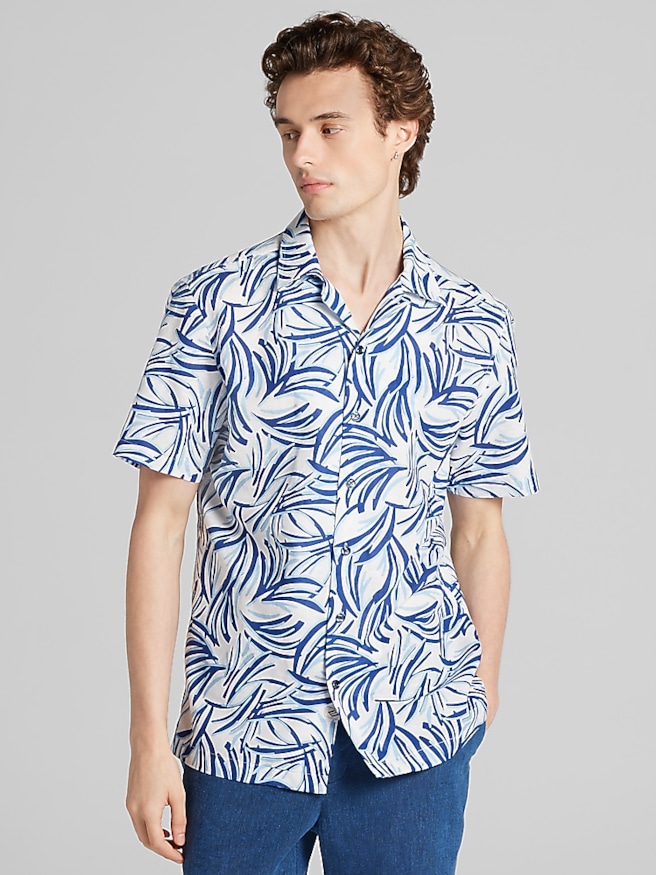
Tropical vacation wear is clothing made for the easy pace and varied plans of a warm-climate getaway: a walk along the waterfront, lunch on a shaded terrace, or dinner after a day near the beach. For men, that often means breathable shirts, lightweight shorts, relaxed trousers, and simple layers that look appropriate beyond the pool. The best combinations feel comfortable in humid air without looking like beachwear at every stop. Fabric makes a noticeable difference. Linen has a textured surface and a naturally airy feel, with creases that suit its relaxed character. Cotton can feel soft against the skin, while an open weave allows more airflow than a dense construction. Cotton-linen blends balance those qualities, though the feel and wrinkle resistance depend on the fabric’s composition and finish. Rayon and lyocell can offer a smooth, fluid drape that works particularly well in relaxed shirts; neither should be treated as though it has the same care needs as cotton. Lightweight performance blends may provide stretch or faster drying, but those benefits should be confirmed on the garment label rather than assumed. Fabric weight matters alongside fiber content: a densely woven cotton shirt can feel heavier than a lightly woven blend. Pale neutrals, washed blues, and muted greens create a versatile foundation, while palm motifs, botanical patterns, and brighter colors bring a more expressive resort look. A printed shirt paired with solid shorts feels easygoing without competing patterns, and a textured solid shirt can be just as convincing for a coastal setting. Tropical clothing does not need to be covered in island graphics to belong in a vacation wardrobe. Its defining qualities are more practical: comfortable movement, breathable construction, and enough polish to carry an outfit from a casual daytime stop to an evening table. For travelers spending several days in one destination, coordinating colors also make a small group of clothes feel varied rather than repetitive.
Fit gives tropical vacation clothing much of its comfort and character. A shirt should have enough room through the chest and back for reaching across a table or lifting a bag without pulling at the buttons. Shoulder seams that sit near the shoulder’s natural edge usually create a cleaner shape than an oversized cut chosen simply for extra airflow. An easy fit can still look intentional, especially when the shirt’s length works with the way it will be worn. A shorter, straight hem often suits an untucked outfit, while a longer curved hem generally stays tucked more securely. From tropical vacation shirts for men to lightweight trousers, proportions help keep relaxed clothing from looking shapeless. A roomy camp-collar shirt pairs well with shorts or pants that have a clean line through the leg, while a more fitted shirt can balance trousers with a little extra volume. Shorts should allow comfortable sitting and walking without gripping the thigh, and a waistband should remain comfortable through a long lunch or an afternoon excursion. For trousers, a comfortable rise and room through the seat are often more useful than stretch alone. Intended use matters, too. Woven casual shorts suit sightseeing and resort dining, but they are not automatically substitutes for swimwear. Long trousers and a collared shirt can be useful for restaurants with dress requirements, although the destination’s own standards determine what is appropriate. A lightweight, unstructured jacket can add definition for a dressier dinner or a destination wedding event when the invitation calls for it. Simple footwear completes these combinations without making every outfit feel formal: breathable casual shoes suit extended walking, while loafers can work with linen trousers at dinner. Sandals fit more relaxed settings, subject to the venue’s expectations. The result is a vacation wardrobe that reflects the itinerary, whether that includes quiet resort mornings, a cruise itinerary, or evenings spent exploring a coastal town.
Travel adds another consideration to tropical vacation wear: clothing needs to feel good after time in a suitcase and hold up to repeated use. Linen’s wrinkles are part of its appeal, but shoppers who prefer a smoother appearance may favor a blend or a fabric specifically labeled for wrinkle resistance. No fabric is completely maintenance-free, and care instructions take priority over general packing advice. Cotton garments may shrink when exposed to unsuitable washing or drying conditions, while some rayon garments require especially gentle handling or professional cleaning. A steamer can help refresh certain fabrics if the care label permits it, and a padded hanger can support a shirt’s shape better than leaving it compressed in a travel bag. Airing clothing after wear and allowing it to dry fully before packing can also help prevent lingering odors. Well-finished seams, secure buttons, and stable stitching at pockets and belt loops are useful signs of construction intended to withstand regular wear. Lightweight fabric does not have to mean fragile fabric, though delicate open weaves can snag against rough surfaces or bag hardware. Versatility contributes to lasting usefulness as much as construction does. A neutral pair of trousers that works with several shirts, or a restrained botanical print that looks right at both a resort and a backyard gathering, can remain useful after the trip ends. These qualities also make tropical vacation clothing a thoughtful gift for a partner, father, friend, or groom preparing for a honeymoon. Familiar sizes, preferred fits, and colors already worn comfortably are better starting points than a dramatic change in style. A soft, breathable shirt can feel personal without requiring an entire coordinated outfit. Whether chosen for a long-awaited island trip or a few days by the coast, tropical vacation wear works best when its relaxed appearance is backed by comfortable fit, suitable fabrics, and straightforward care. Those details leave more room to enjoy the setting instead of adjusting an outfit throughout the day.