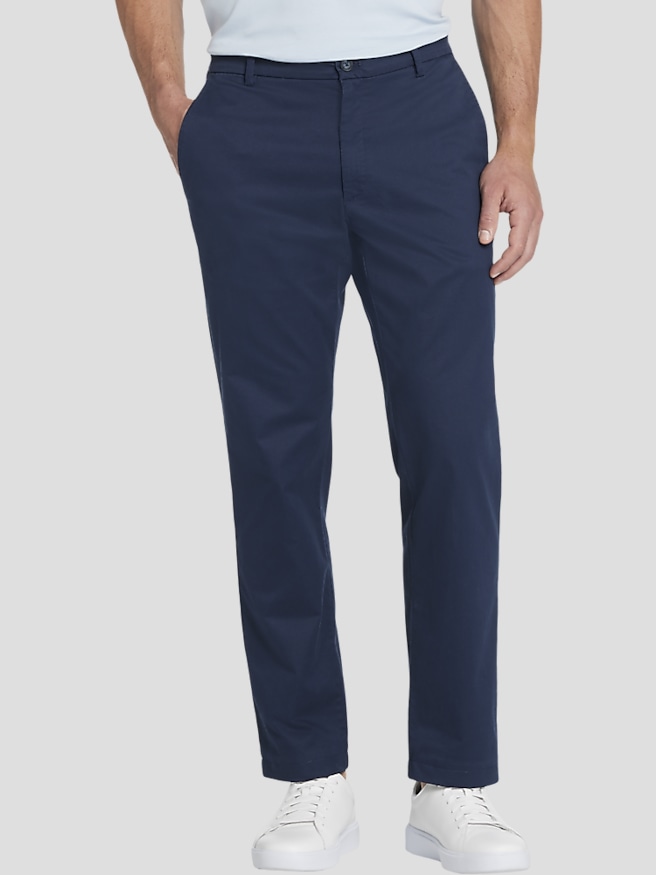
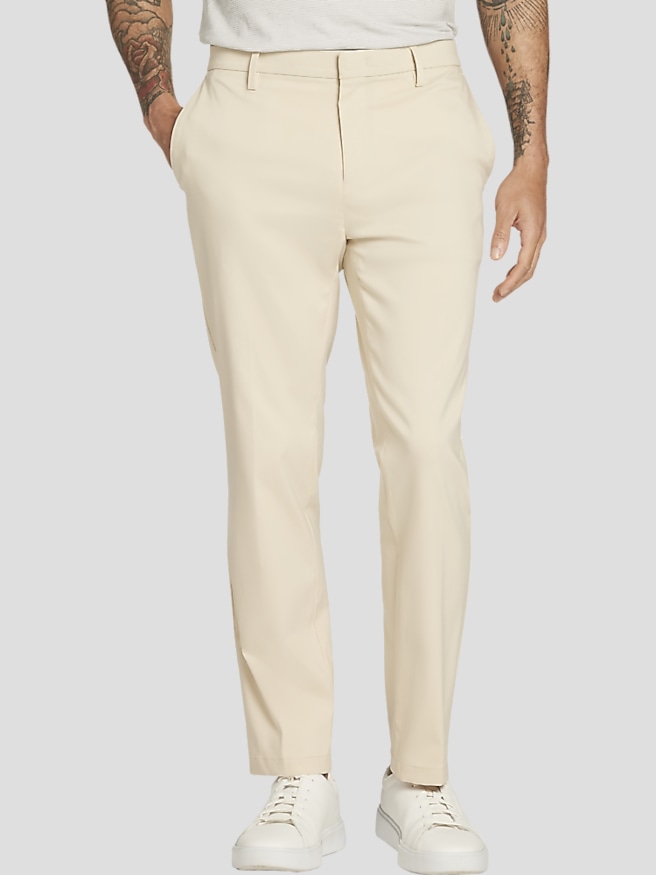
Chino pants bring a clean, tailored look to everyday dressing without the formality of suit trousers. Typically made from cotton twill, they have a smooth surface and a diagonal weave that gives the fabric structure while allowing it to soften with wear. Some chinos blend cotton with stretch fibers, adding flexibility for sitting through meetings, walking across town, or spending several hours behind the wheel. The exact fabric composition matters: predominantly cotton fabrics often have a more traditional feel, while stretch blends can offer extra ease through the seat and knees. Neither replaces a good fit, but each brings something useful to a regular rotation of pants. Chinos are also distinct from khaki as a color. Although the familiar tan shade is closely associated with this category, chino pants can be navy, gray, black, olive, or other colors, with the same understated character. Their appeal comes partly from that versatility. A pair can look appropriate at a business-casual office, a family dinner, or a relaxed gathering where jeans might feel a little too informal. Slanted front pockets, restrained detailing, and a neatly finished leg help create that middle ground between casual and dressed up. Fabric weight and finish influence the effect as well. A substantial twill tends to hold its shape, while a softer, lighter construction can feel less structured. A crisp press emphasizes the tailored side of chinos; a gently relaxed finish gives them an easier attitude. For someone building a practical wardrobe, this flexibility means chinos can work with clothing already worn regularly rather than requiring an entirely separate outfit. An Oxford shirt and leather shoes create a polished combination, while a plain T-shirt and clean sneakers keep the same pants casual. The result is a useful foundation for days that include more than one setting, such as an afternoon at the office followed by dinner with friends.
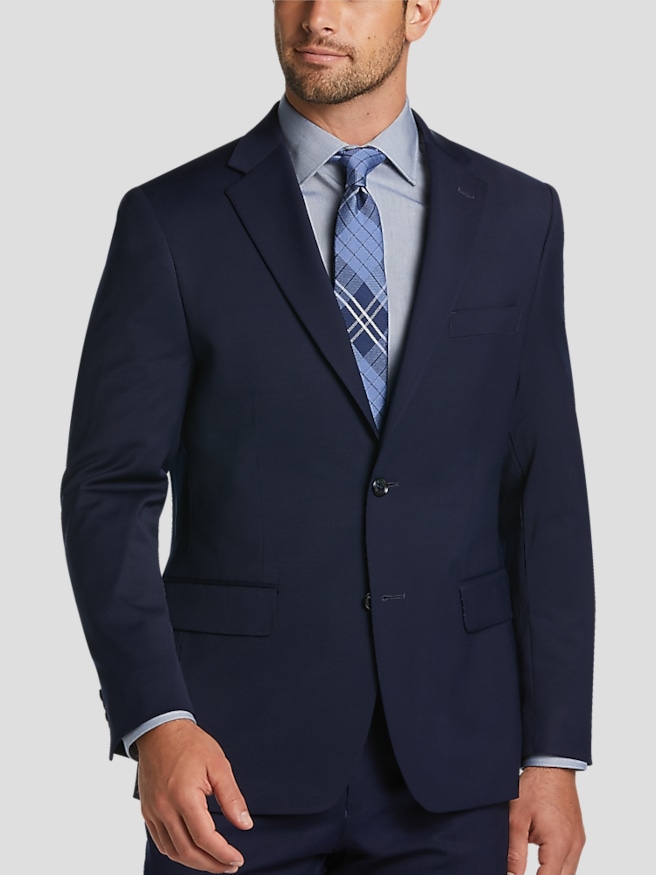
Fit determines how comfortably chinos move and how naturally they sit within an outfit. A slim fit generally follows the leg more closely, a straight fit maintains a more consistent line toward the hem, and a relaxed fit provides additional room, especially through the seat and thigh. Those descriptions are starting points rather than guarantees, since measurements and proportions vary by style. Taper describes how much the leg narrows toward the ankle, so a pair can offer room above the knee while still having a narrower opening below it. A comfortable waistband should stay in place without relying on a tightly fastened belt, and the front pockets should lie reasonably flat rather than pulling open. Enough space through the seat and thigh makes ordinary movements easier, from climbing stairs to taking a seat at a restaurant. The rise also changes the feel of the pants, affecting where the waistband rests and how a tucked shirt sits above it. Length finishes the silhouette. A slight break over loafers or lace-up shoes creates a traditional appearance, while a hem that just meets the shoe can look particularly neat with a tapered leg. Excess fabric pooling at the ankle can obscure an otherwise good fit, making a simple hem adjustment worthwhile. Color offers another way to shape the overall impression. Navy and charcoal pair easily with lighter shirts, tan works naturally with blue and white, and olive provides a subdued alternative to familiar neutrals. Texture adds interest without requiring a bold pattern: a knit polo, an Oxford shirt, or a softly structured jacket can each give smooth twill a distinct character. For a coordinated layer, the Tommy Hilfiger Men Jacket collection is a natural complement to the clean lines of chinos. Keeping the shirt, belt, and shoes in a restrained palette lets the proportions and fabric do most of the work, whether the occasion calls for a tucked shirt or an easy, untucked finish.
Well-made chinos can become a dependable part of an everyday wardrobe, and their longevity depends on both construction and care. Secure stitching, neatly finished seams, firmly attached buttons, and reinforcement around pocket openings are useful details because these areas experience repeated movement and friction. Fabric should have enough substance for its intended use without feeling stiff across the lap or restrictive behind the knees. For someone who spends much of the day seated, comfortable thigh room and a flexible waistband can matter more than a sharply narrowed leg. For frequent walking, freedom through the stride and a hem that clears the ground help the pants feel practical. Care begins with the garment label, since cotton content, stretch fibers, dyes, and finishing treatments can call for different methods. When machine washing is permitted, turning chinos inside out and washing with similar colors can help reduce visible abrasion and color transfer. Excessive dryer heat may contribute to shrinkage or affect stretch fibers, so the recommended drying method deserves attention. Promptly smoothing the fabric after washing can limit deep wrinkles, and pressing at the appropriate setting can restore a clean finish around pockets, seams, and hems. Treating marks promptly according to the care instructions also helps prevent a small spill from becoming a lasting distraction. Hanging pants neatly or folding them along the seams keeps them ready for repeat wear without unnecessary creasing. Chinos can also make a thoughtful gift for a graduate entering a business-casual workplace, a partner who prefers understated clothing, or a family member whose daily routine calls for something more polished than denim. Familiar waist and inseam measurements, a known fit preference, and colors that coordinate with the recipient’s existing clothes make the choice more personal. Their lasting usefulness comes from this balance of comfort, straightforward styling, and adaptability: pants that feel at home with a dress shirt at a celebration and just as natural with a polo for an ordinary afternoon.