Timeless Brogues

Step into sophistication with timeless brogues, a staple in men's footwear that seamlessly blends classic elegance with modern versatility. Perfect for elevating any ensemble, these shoes are renowned for their distinctive perforated detailing and enduring style. Whether you're dressing for a formal occasion or adding a touch of refinement to your everyday look, timeless brogues offer unmatched versatility and charm. Explore our curated selection to find the perfect pair that complements your personal style and stands the test of time.
Sort: Relevance
Filter
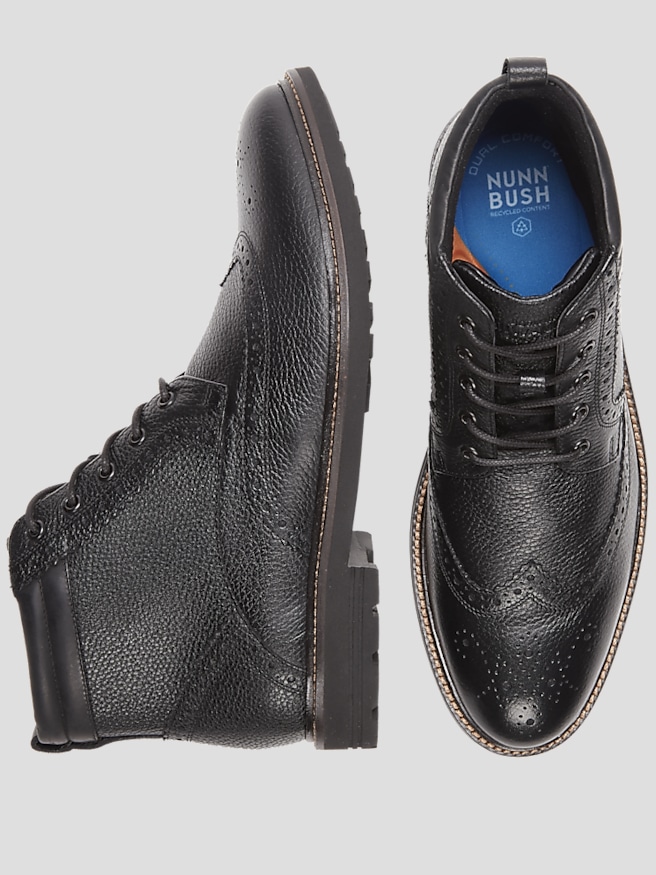
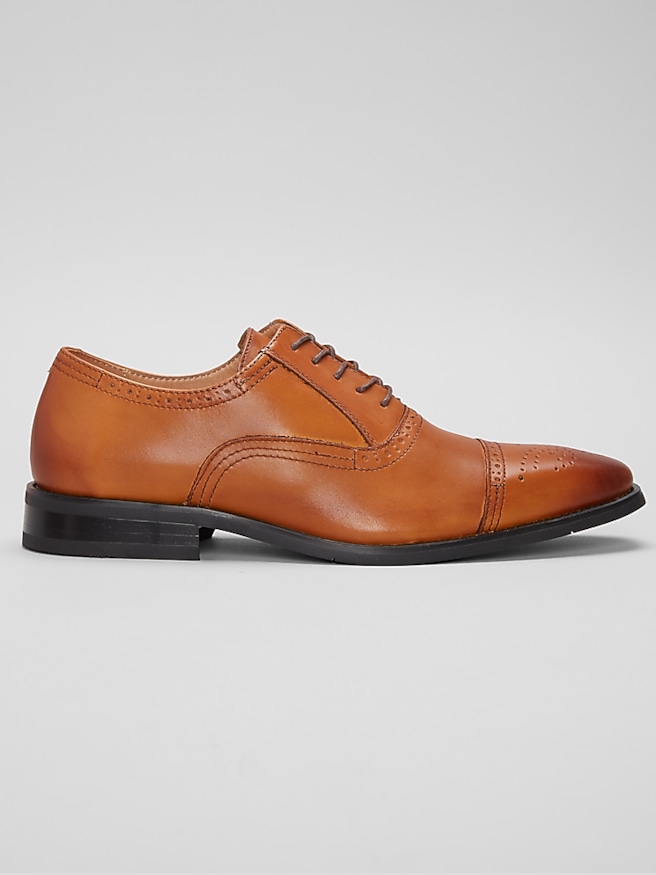
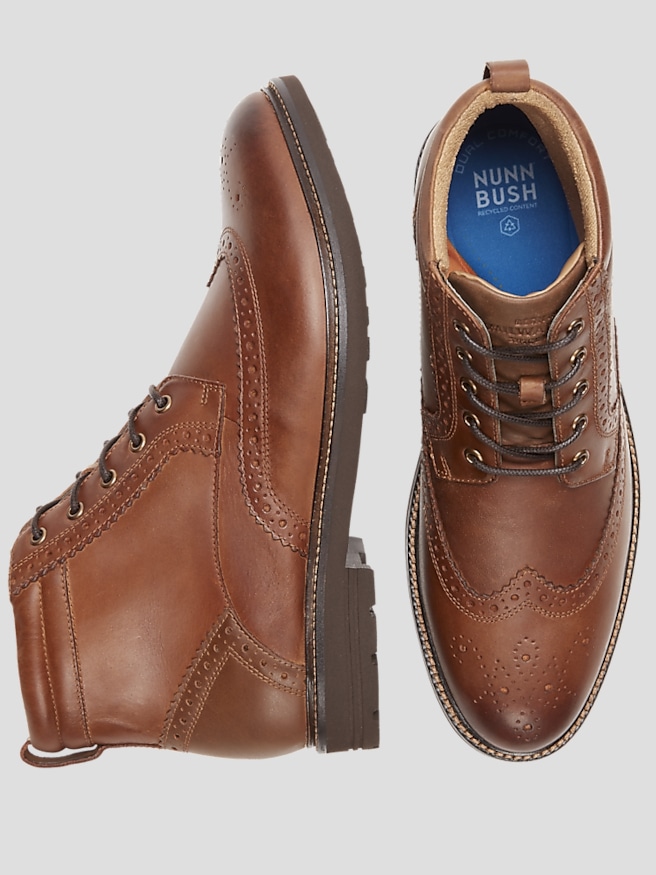
Timeless brogues are classic dress shoes distinguished by decorative perforations, known as broguing, arranged along the toe cap, seams, and edges of the upper. Their appeal comes from the balance between a polished shape and visible craftsmanship: small punched details give otherwise simple leather shoes texture, depth, and character. Broguing describes the decoration rather than the way a shoe fastens, so both Oxfords and derbies can be brogues. An Oxford has closed lacing for a streamlined appearance, while a derby has open lacing that creates a slightly more relaxed look and can offer greater adjustment across the instep. The amount of decoration also shapes the overall impression. Full brogues, often called wingtips, have a pointed toe panel that extends back along both sides of the shoe. Semi-brogues combine a straight toe cap with perforations and a decorative toe medallion, while quarter brogues generally keep the detailing to the cap seam. These distinctions give brogues a place in wardrobes ranging from traditional business clothing to tailored separates. Black leather creates a restrained pairing with charcoal trousers or a dark business suit; brown brings warmth to navy, gray, olive, and textured fabrics. The shades associated with Men's Brown Brogues span the visual space between lighter tan and deep chocolate, with darker finishes generally appearing dressier than lighter ones. A wingtip beneath neatly hemmed trousers can add interest without competing with a patterned shirt or tie. With chinos and an unstructured jacket, the same decorative language feels less formal but still considered. Brogues suit office days, business dinners, wedding guest outfits, and celebrations that call for dress shoes without the strict conventions of black tie. For a particularly formal setting, a simpler shoe with minimal decoration may be the better match. Their lasting usefulness lies in that range: recognizable detail, familiar proportions, and enough personality to make a straightforward outfit feel complete.

Materials and construction influence how brogues look, feel, and hold their shape through repeated wear. Smooth leather provides a defined surface that shows the perforated patterns clearly, while suede softens those details and gives the shoe a more relaxed character. Full-grain leather retains the natural surface of the hide and can develop creasing and a richer appearance with use; its quality still depends on the hide, tanning, and finishing rather than the label alone. A heavily corrected finish may look especially uniform, although its feel and response to conditioning can differ from less coated leather. Inside the shoe, a smooth lining, a well-finished heel area, and an insole that supports the foot comfortably matter as much as the appearance of the upper. Leather soles tend to create a traditional profile, while rubber soles can provide useful grip and cushioning on hard surfaces. Neither material guarantees comfort by itself; flexibility, sole thickness, heel stability, and the fit of the last all contribute. Welted construction may make future resoling possible, depending on the shoe and its condition, whereas other construction methods can offer a lighter or more flexible feel. Fit deserves particular attention because decorative panels and structured toe caps do not compensate for a shape that crowds the foot. Toes need room to rest naturally without pressing against the front or sides, and the widest part of the foot should sit comfortably within the widest part of the shoe. A secure heel should not require tightly drawn laces or persistent pressure across the instep. Trying brogues with the socks intended for everyday wear gives a more realistic sense of volume, especially when comparing a sleek dress shape with a roomier derby. Leather may soften and adapt, but an uncomfortable length or a pinched toe box is not a dependable break-in strategy. For a commute followed by meetings or a reception with hours of standing, comfort on the first fitting is a stronger foundation than appearance alone.

Regular care helps preserve the sharp outline and detailed surface that make brogues distinctive. Dust can settle around the perforations and along the welt, so a soft brush is useful for lifting debris before any conditioning or polishing begins. Smooth leather benefits from a conditioner suited to its finish, used sparingly, followed when appropriate by a small amount of matching or neutral cream polish. Excess product can collect in the punched detailing and dull the pattern rather than improve it. A light buff with a clean brush brings back an even finish without requiring a mirror shine across the whole shoe. Suede needs a separate approach, typically a suede brush and care products intended for that material, rather than conventional leather cream or wax. Any treatment is best tested on an inconspicuous area first. After wear, allowing shoes to air out and using properly sized shoe trees can help manage moisture and support their shape. Damp leather should dry naturally away from direct heat, which can cause stiffness or damage. Rotating footwear gives each pair time to recover between outings, and attention to worn heel tips or thinning soles can prevent minor wear from becoming a larger repair. These habits are especially worthwhile for someone who relies on brogues throughout the workweek or brings the same trusted pair to dinners, ceremonies, and family celebrations. As a gift, brogues can mark a first professional role, a graduation, or another milestone where dependable dress footwear becomes part of daily life. The most thoughtful choice reflects the recipient’s usual clothing, preferred leather color, and established size and width rather than an unfamiliar shape chosen for looks alone. A person who wears navy tailoring regularly may get frequent use from a dark brown pair, while someone with a more restrained business wardrobe may prefer black with subtle perforations. With a comfortable fit and consistent upkeep, brogues can remain a familiar part of a wardrobe for years, gaining character without losing their clean, composed appearance.

FAQs