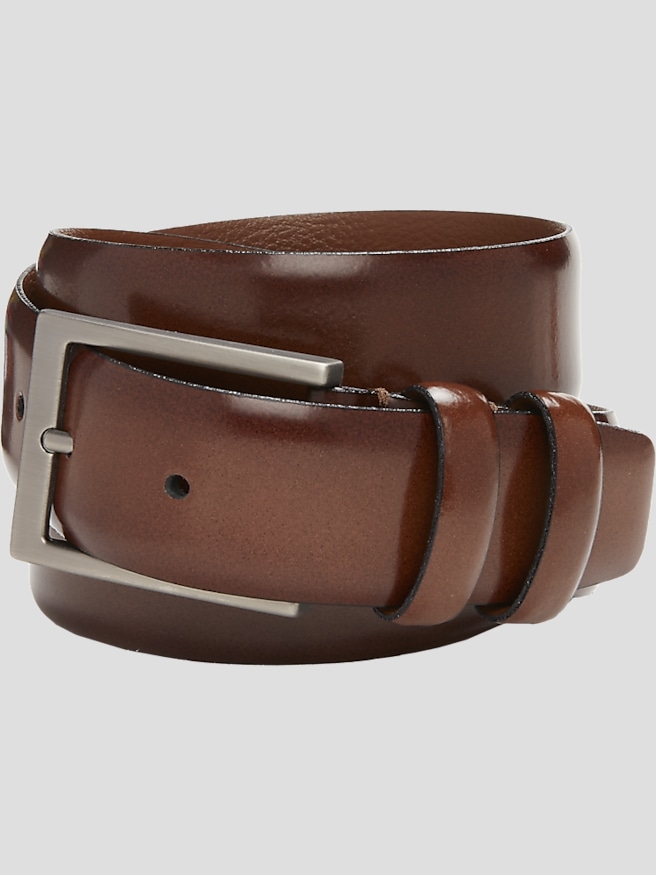
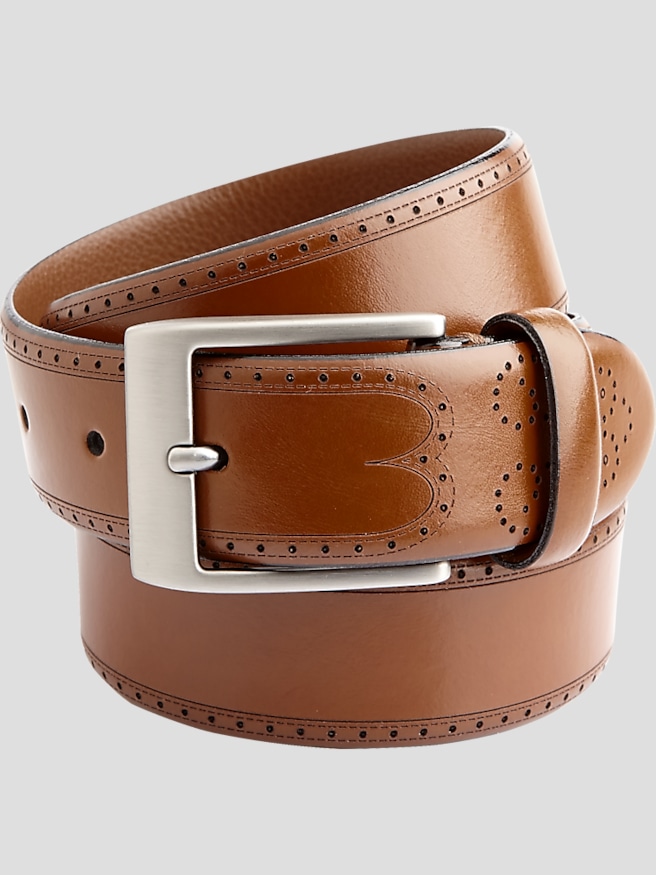
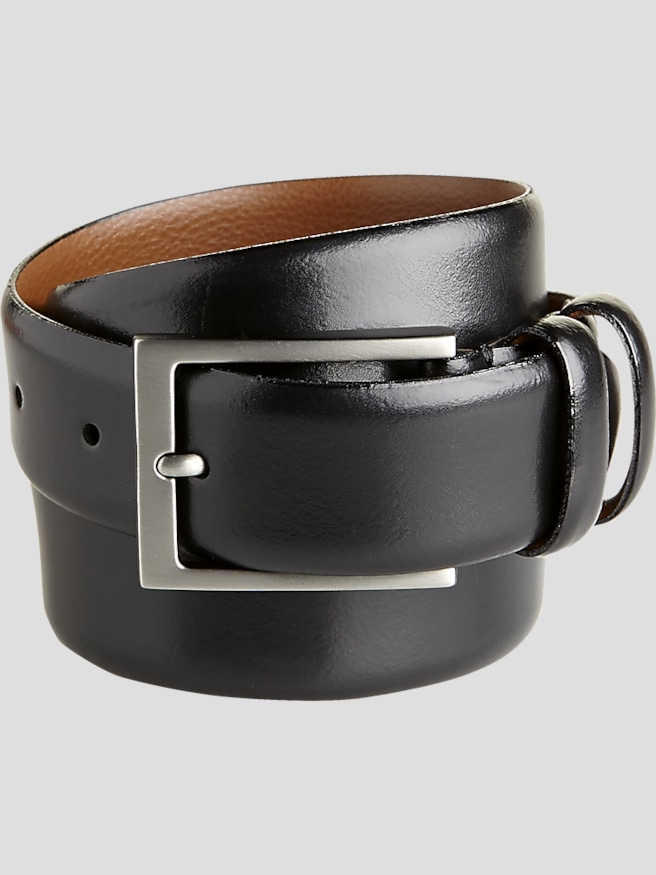
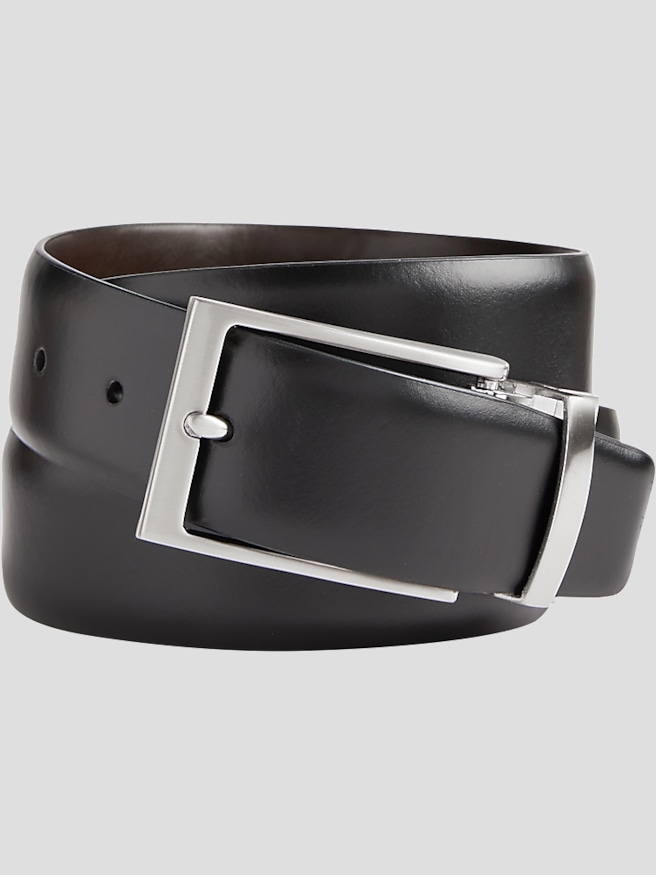
Thin leather belts bring a clean, understated finish to everyday dressing. Their narrow profile sits neatly through belt loops without adding bulk, making them especially useful with tailored trousers, slim chinos, dark denim and other streamlined outfits. A well-chosen belt does more than keep your waistband comfortably in place; it helps connect the details of an outfit, creating a polished line from shirt to shoes. Smooth leather can look refined with office attire, while a lightly textured or subtly grained finish adds relaxed character to weekend clothing. When selecting a thin leather belt, begin with the color and finish that will work most naturally with the shoes you already wear. Black leather offers a crisp, formal appearance and pairs easily with black or charcoal footwear. Brown leather brings warmth to khakis, navy trousers, olive chinos and blue jeans, with lighter brown shades feeling especially at home in casual wardrobes. A deep espresso tone can bridge the gap between work and weekend dressing. Matching the belt and shoes does not require an exact shade, but keeping their visual weight and general color family in harmony makes an outfit feel intentional. The buckle matters as well. A simple silver-tone buckle can complement cool-toned accessories and create a modern appearance, while a warm metal finish can sit comfortably alongside brown leather, watches with gold details or other understated accents. Since a thin belt is often visible in small moments—when a blazer is unbuttoned, a shirt is tucked in or a sweater lifts slightly as you move—a restrained design tends to offer the greatest versatility.
Comfort and fit are just as important as appearance. A belt should feel secure without pinching, and it should fasten near the middle hole rather than relying on the very first or last position. For the best starting point, consider the waist size of the trousers you wear most often and compare it with the belt’s listed sizing, keeping in mind that belt measurements are not always the same as pant measurements. The width should also suit the belt loops on your clothing; thin styles are designed for narrower loops and create a more balanced look on dress trousers or tailored casual pants. Examine the leather’s hand and construction when comparing options. Supple leather tends to feel comfortable from the first wear and develops a natural patina over time, while a firmer belt may hold its shape particularly well with frequent use. Edges that are cleanly finished, stitching that lies flat and a buckle that feels securely attached are useful signs of thoughtful construction. A thin leather belt can be an everyday staple for a professional who moves between meetings and commuting, a reliable finishing piece for someone building a versatile wardrobe, or a practical accessory for a college student assembling outfits for class, interviews and evenings out. It also works well for travel because it takes up little room in a suitcase and can serve several settings without calling attention to itself. During warmer weather, a slim belt pairs naturally with lightweight chinos, tucked-in short-sleeve shirts and unstructured layers; as the weather cools, it slips easily beneath cardigans, overshirts and sport coats. For wardrobes that need a little more flexibility in fit, Adjustable Leather Belts offer another practical direction while keeping the same polished leather look.
Because a thin leather belt is useful without being overly personal, it can make a thoughtful gift for a father, partner, brother, friend or recent graduate. It is the kind of accessory that often earns more wear than expected: the belt chosen for a new job may become part of a favorite travel outfit, and the one given for a birthday may eventually pick up the subtle creases and softened finish that reflect years of use. For a gift, neutral colors and uncomplicated buckles are usually the safest choices, especially when you are not certain about someone’s full wardrobe. Consider the recipient’s daily routine. Someone who dresses formally may appreciate a smooth, polished belt with a discreet buckle, while a person who spends more time in denim and chinos may prefer a lightly textured finish with a little visual character. A belt can also be a useful addition to a larger clothing gift, complementing a new pair of trousers, a shirt for work or an outfit intended for a celebration. In the cooler months, it provides a small but noticeable finishing touch beneath layered clothing, and through late summer it helps sharpen lighter, relaxed looks without making them feel overly dressed. Store leather belts loosely coiled or hanging from the buckle rather than tightly rolled, and give them room to rest between wears when possible. With the right size, proportion and finish, a thin leather belt becomes one of those dependable wardrobe pieces that quietly improves almost everything around it—from a first-day outfit to a familiar pair of jeans worn on an ordinary weekend.