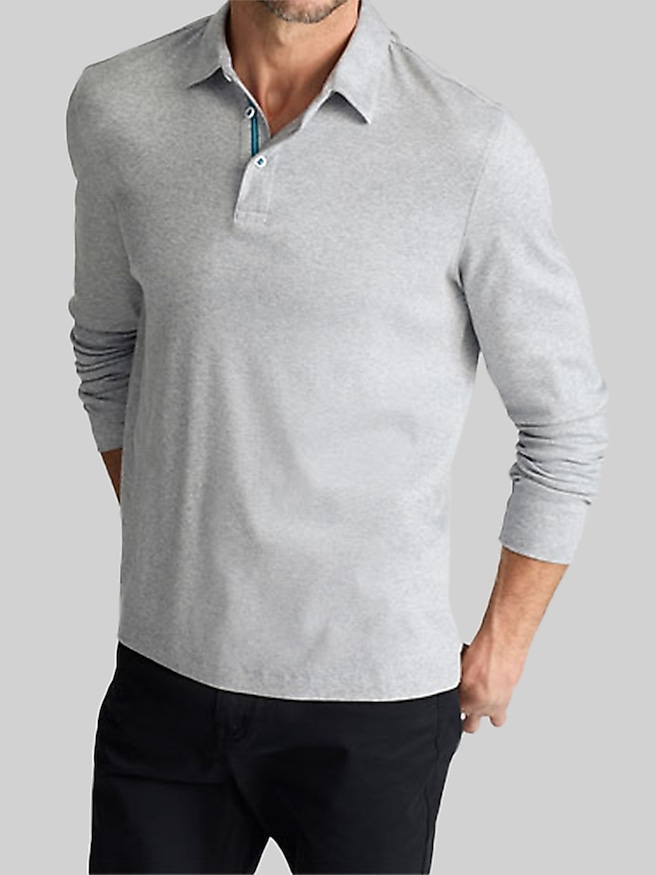
Tennis shirts for men bring together freedom of movement, comfortable fabrics, and a clean athletic look that works on the court and beyond it. The two familiar silhouettes are the collared polo, often finished with a short button placket, and the crewneck performance shirt, which keeps the neckline simple. Both can suit practice sessions, doubles matches, and casual hitting; the better choice depends on fabric, construction, personal preference, and any club dress requirements. For active play, polyester or nylon blends with a little elastane can provide stretch and help a shirt recover its shape after repeated movement. Moisture-wicking fabrics are designed to move perspiration away from the skin toward the fabric’s surface, where it can evaporate, while breathable knits and mesh panels can encourage airflow. Those features are worth checking in the fabric description rather than assuming every athletic-looking shirt has them. Cotton offers a soft, familiar feel and can be especially appealing for relaxed practice, spectating, or everyday wear, though it generally holds moisture longer than lightweight performance fabrics. Cotton blends can balance that natural feel with added stretch or easier shape recovery, depending on their composition. Piqué, recognized by its small textured surface, gives many tennis polos their classic appearance; smooth jersey creates a softer, less structured look. Fabric weight matters, too: a substantial knit may feel polished for social wear, while a lighter construction can feel less restrictive during a long rally. Short sleeves leave the arms unrestricted, while long sleeves provide more coverage without changing the shirt’s basic purpose. Neither sleeve length guarantees sun protection; that requires a stated UPF rating. The best tennis shirt is not defined by a collar or logo alone. It is a shirt whose material, cut, and details match how it will be worn, whether that means working through a basket of serves or heading from the court to a casual lunch.
Fit becomes especially important when a shirt has to move through a full tennis swing. A comfortable men’s tennis shirt should allow the shoulders and upper back to expand as the arms reach forward, without excess fabric gathering across the chest. Raising both arms into a serving position is a useful way to assess length and mobility: the hem may lift, but it should not pull sharply against the torso or leave the wearer continually adjusting it. Reaching across the body for a backhand can reveal tightness that is easy to miss while standing still. Stretch fabric helps, but it does not replace a well-proportioned cut. A trim fit can reduce loose fabric around the body, while a more relaxed fit offers extra room; either should leave enough space at the armholes and sleeves for an unrestricted reach. Underarm gussets, side vents, and thoughtfully placed seams may improve movement when those details are part of the design. Smooth seam finishes can also help reduce rubbing during repeated swings. On a polo, the collar should sit comfortably against the neck, and the placket should lie flat rather than pulling open across the chest. Crewnecks should feel secure without pressing tightly at the throat. For an untucked look, a hem that falls around the hips often balances coverage with ease of movement, although the right length varies with torso proportions. Pairing a shirt with athletic shorts gives it a straightforward court-ready feel, while a polo with chinos creates a more polished casual combination. Solid colors make coordination simple, and stripes or restrained geometric patterns add character without requiring much else. Some clubs and events specify collars, approved colors, or other attire details, so those rules are worth confirming before choosing a match-day outfit. A sharp appearance matters most when it comes with enough comfort to keep attention on the next point.
Care and construction play a large part in how well tennis shirts hold up to repeated wear. Even stitching, neatly finished hems, and a collar that lies evenly are useful details to inspect, while a stretch knit should return toward its original shape after a gentle pull. Mesh can add ventilation, but its open structure may need protection from rough surfaces and exposed fasteners in the wash. The care label should always take priority, particularly when a shirt combines several fibers or includes specialized fabric treatments. Prompt washing after play helps prevent perspiration and body oils from lingering in the material. Turning shirts inside out and washing them with similar colors can help preserve their appearance, and keeping them away from abrasive garments can reduce unnecessary wear. Fabric softener may interfere with the moisture-management properties of some performance materials, so check the manufacturer’s directions before using it. Excessive dryer heat can affect stretch fibers and contribute to shrinkage in some cotton fabrics; use the drying method specified on the label, then reshape collars and plackets as needed. Letting a shirt dry completely before putting it away also helps keep it fresh between outings. For a tennis player receiving a gift, preferred fit and neckline are often more useful clues than a bold pattern: someone who always plays in crewnecks may appreciate that familiar shape, while a regular club player may favor a collared option that fits the setting. Checking the size and fabric composition of a well-loved shirt can make the choice more personal. Tennis-inspired dressing also has a place away from the baseline, from watching a local tournament to meeting friends after a lesson. For everyday outfits with a similar emphasis on comfort and an easygoing finish, Men's Cotton Sport Shirts offer a related direction. Keeping on-court performance needs distinct from casual styling makes it easier to choose a shirt that earns repeat wear, feels right through movement, and remains presentable after regular care.