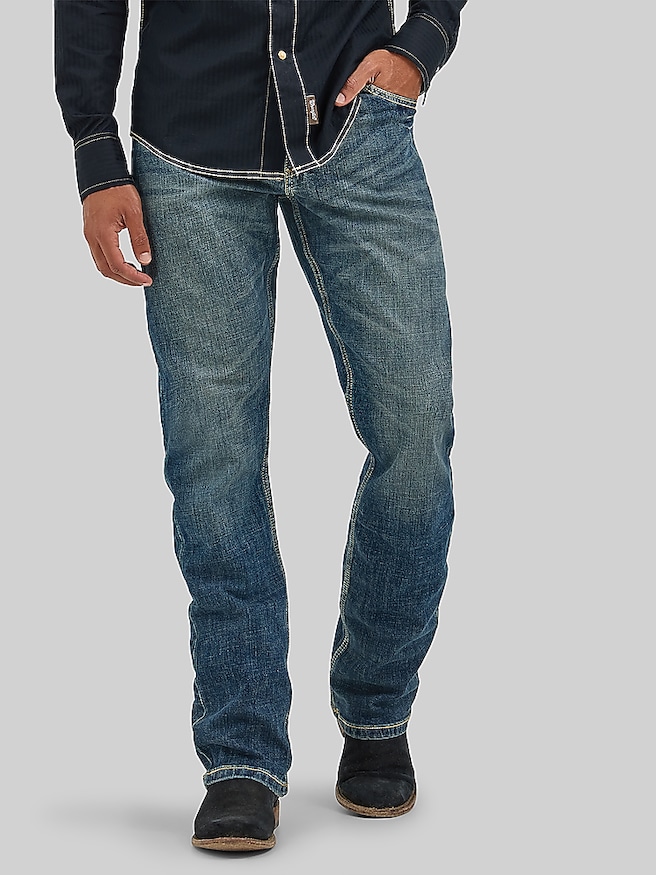
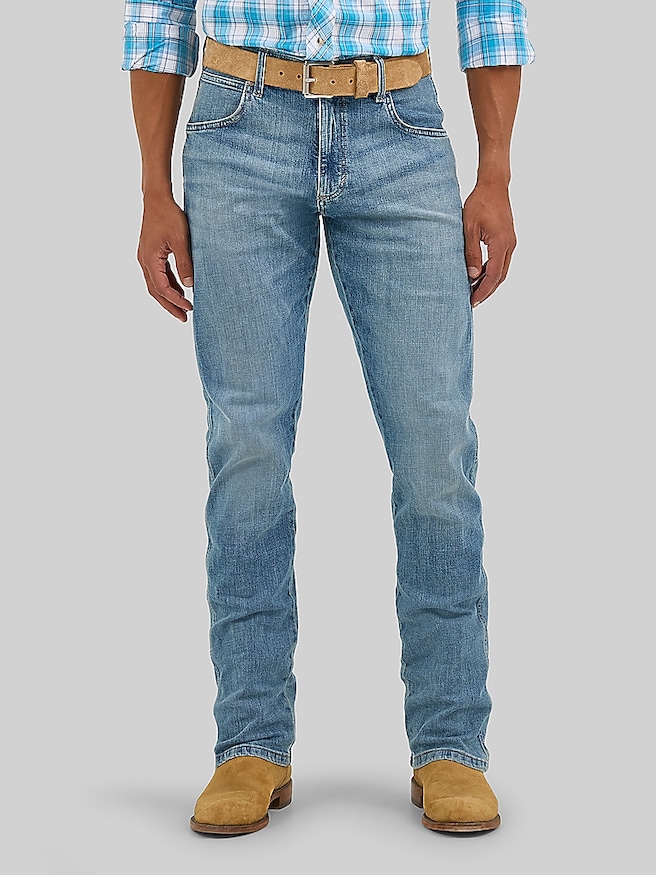
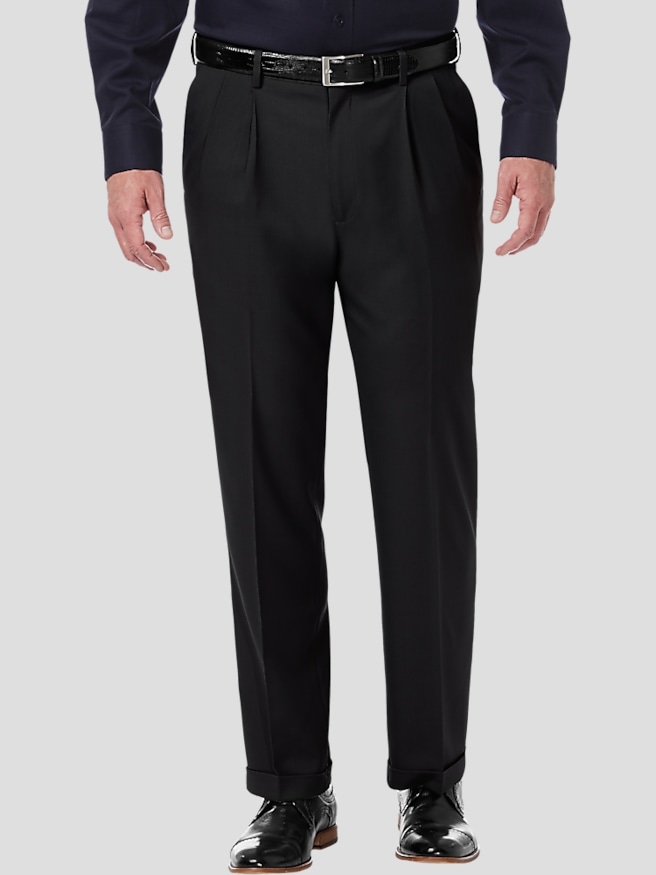
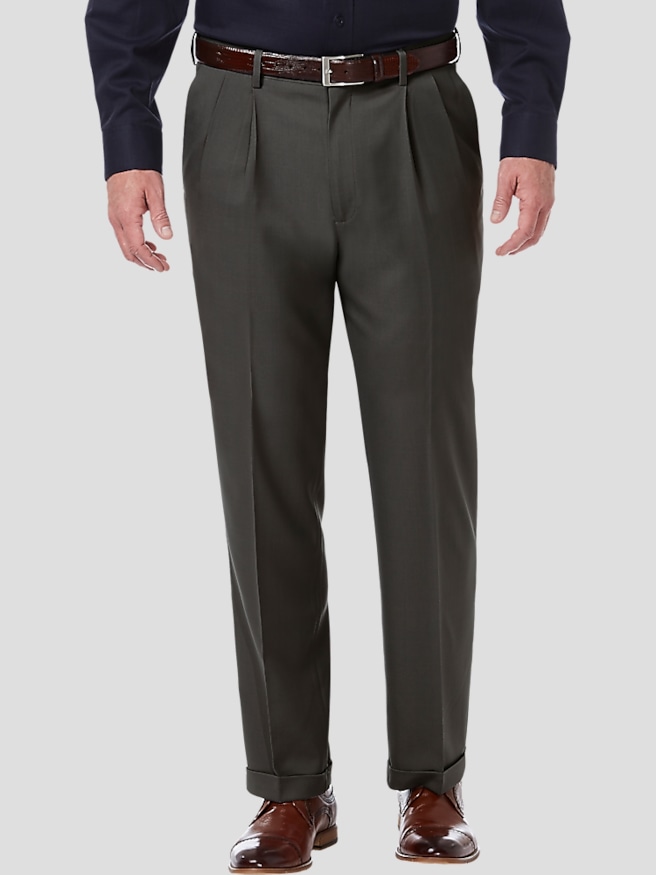
Tech work pants combine performance-oriented fabrics with the structure and practical details expected from everyday work trousers. Depending on their construction, they can serve desk-based professionals, people who move between offices and active workspaces, or workers whose routines involve frequent bending, walking, and reaching. The category spans streamlined pants with discreet pockets and more utility-focused designs with reinforced areas and additional storage. What connects them is an emphasis on movement, manageable care, and durability rather than a single silhouette. Nylon and polyester are common components in technical fabric blends, sometimes paired with elastane for stretch. Nylon can contribute abrasion resistance, while polyester can support shape retention and relatively quick drying; the finished fabric, weave, and construction determine how those qualities translate into daily wear. Cotton blends offer a more familiar hand while incorporating some of the flexibility associated with performance fabrics. Two-way stretch generally allows movement along one direction, while four-way stretch accommodates movement both across and along the fabric. That distinction can become noticeable when stepping onto a platform, crouching beside equipment, or settling into a chair after a long commute. Moisture-wicking construction helps move perspiration away from the skin, while quick-drying fabric releases absorbed moisture more readily. These are separate qualities, and neither automatically means a pant has a water-repellent finish. Similarly, a ripstop weave can help limit the spread of a small tear, but it does not make fabric impossible to damage. Reinforced seams, secure pocket openings, and sturdy closures also contribute to how well pants handle repeated use. For work that includes contact with rough surfaces, durability depends on those construction details as much as fiber content. A lightweight, smooth-faced fabric may suit an office-to-site schedule, while a denser weave and reinforced high-wear areas may be more appropriate for physically demanding tasks. The most useful technical features are the ones that address actual movements and working conditions, without adding unnecessary bulk or making the pants feel more specialized than the day requires.
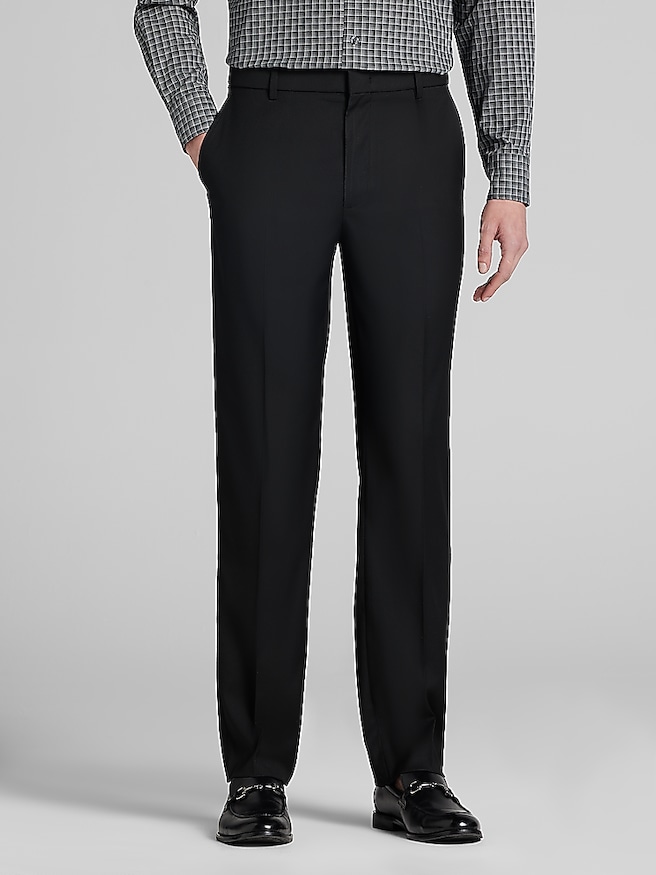
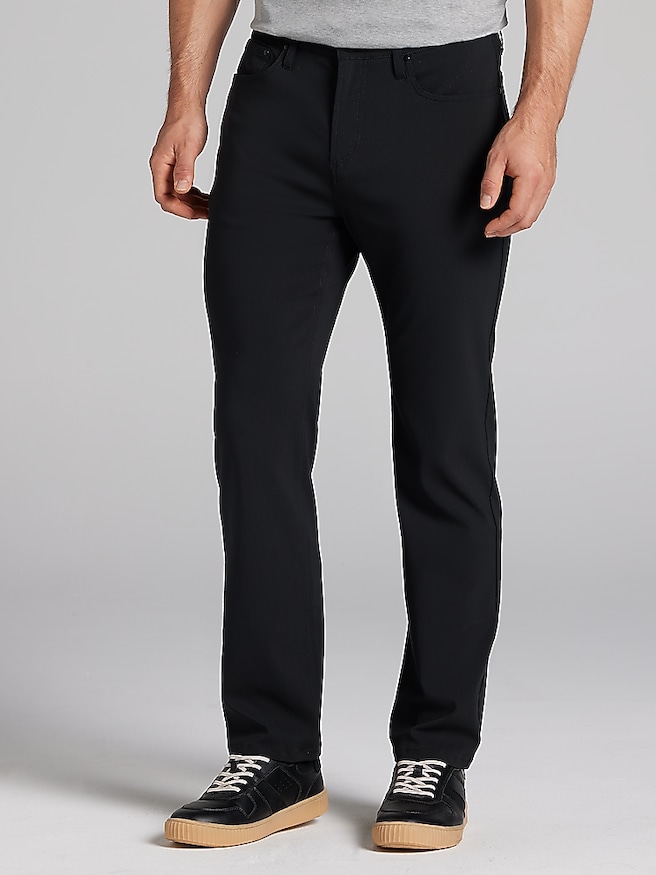
Fit gives those fabric features room to work. Tech work pants should sit securely at the waist without relying on excessive belt tension, and the seat and thighs need enough ease for sitting, climbing stairs, and reaching toward the floor. Stretch can improve comfort, but it cannot fully compensate for a cut that pulls across the hips or binds behind the knees. Slim fits create a narrower outline through the leg, straight fits provide a more consistent line from thigh to hem, and athletic cuts can offer additional room through the seat and thighs while keeping the lower leg more defined. The right proportions depend on body shape and movement rather than the fit name alone. A waistband that feels comfortable while standing may behave differently during a lengthy drive or an afternoon of seated meetings. Inseam length matters, too: excessive fabric gathering at the ankle can look untidy and interfere with an otherwise clean silhouette, while an overly short hem may rise noticeably when seated. Within the broader category of Men's Work Pants, technical styles are especially relevant when a schedule calls for both a presentable appearance and freedom of movement. A matte finish, restrained detailing, and flat-front construction can work naturally with a tucked-in button-down, a knit polo, or an unstructured jacket. More visible stitching, articulated knees, and larger pockets give other styles a distinctly utilitarian character. Articulated knees use shaped panels or seams to accommodate a bent leg, while a gusset adds fabric at the crotch to reduce restriction. Pocket placement deserves similar attention: a phone carried along the outer thigh creates a different feel than one positioned in a front pocket, particularly while driving. Zippered compartments can help keep small essentials secure, although extra hardware and layers may create bulk. For someone moving from a client meeting to an equipment check, subtle storage and a clean drape may be more useful than numerous oversized compartments. Workplace dress expectations remain important; technical fabric alone does not make a casual utility silhouette appropriate for every professional setting.
Long-term performance also depends on how tech work pants are cared for and how closely their construction matches the job. Care labels take priority because stretch fibers, bonded details, and fabric finishes can require different treatment from conventional cotton trousers. Many technical blends are machine washable, but appropriate water settings, detergent, and drying methods vary. Excessive dryer heat can affect elastic fibers and certain finishes, and fabric softeners may interfere with some moisture-management treatments. Closing zippers before washing and keeping abrasive fasteners away from smoother fabrics can help reduce snags. Prompt attention to spills is useful, though a water-repellent surface should not be confused with stain resistance or protection against chemicals. Wrinkle resistance also varies: some fabrics recover readily after sitting, while others benefit from careful drying or pressing according to the label. Repeated wear tends to reveal stress at pocket edges, the seat, inner thighs, and hems, so sound stitching and an appropriate fit matter beyond initial comfort. Overfilled pockets can distort the silhouette and place extra strain on seams, especially when heavy objects remain in the same pocket throughout the day. For men whose work includes frequent travel, presentations, property visits, or active retail responsibilities, easy-care construction and a tidy appearance can make technical trousers a practical part of a regular wardrobe. They can also make a thoughtful gift for someone starting a position or building a more functional rotation of work clothes, provided waist size, inseam, preferred fit, and workplace requirements are known. General-purpose tech pants are not automatically protective workwear; tasks involving specific hazards may require garments that meet applicable safety standards. The distinction keeps expectations realistic without overlooking the everyday benefits of well-designed performance trousers. Useful stretch, considered pocket placement, durable seams, and a fabric that holds its shape can make the difference between pants that merely look suitable and pants that remain comfortable through a full schedule of sitting, standing, walking, and getting the job done.