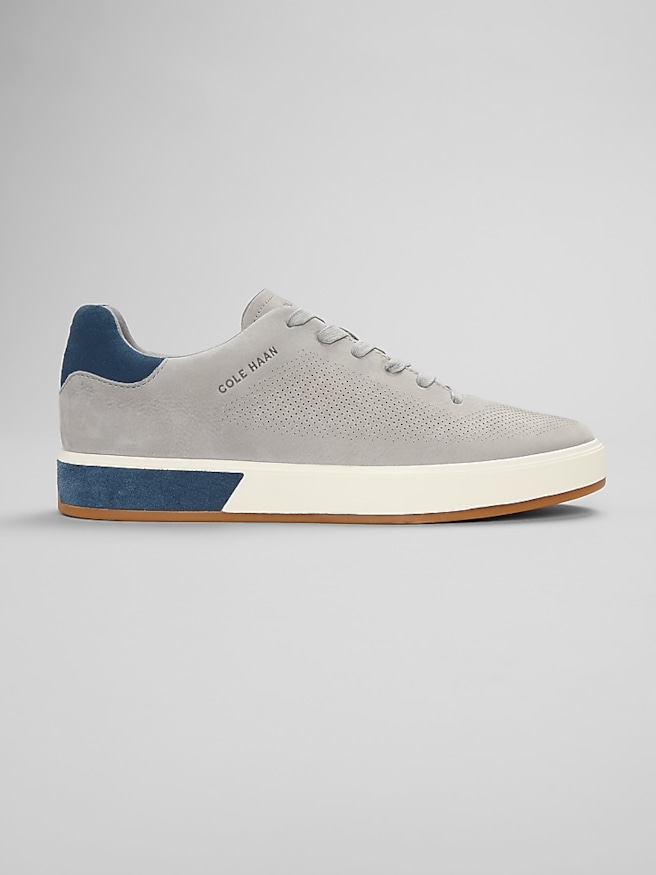
Tan suede sneakers combine the relaxed comfort of a casual shoe with the soft, matte texture of suede, making them a versatile choice for everyday outfits that call for a little polish. Their warm, neutral color works with dark denim, olive chinos, navy trousers, and shades of gray without creating a sharp contrast at the ankle. Compared with smooth leather, suede has a fine, raised surface called a nap, which catches the light and gives even a simple silhouette depth. Tan can range from pale sand to richer camel, so the overall effect may feel understated or distinctly warm depending on the shade. A low-profile shape with minimal detailing pairs naturally with tapered pants and unstructured jackets, while a fuller, sport-inspired silhouette brings a more casual character to straight-leg denim and relaxed chinos. Sole color also changes the look: a light sole adds definition, a gum-colored sole emphasizes the earthy palette, and a tonal sole keeps the transition from upper to outsole subtle. These details make tan suede sneakers useful for a casual office, a dinner out, a weekend gathering, or travel days that include both walking and sitting down somewhere nice. They are casual footwear, however, rather than a substitute for dress shoes when an invitation or workplace calls for formal attire. During the cooler months, their texture sits comfortably alongside corduroy, brushed cotton, flannel, and wool knitwear. Picture dark indigo jeans with a neat hem, a cream sweater, and a navy overshirt: the shoes introduce warmth without competing with the rest of the outfit. With tailored trousers, a modest taper and a hem that rests near the top of the shoe help keep the proportions clean. For a deeper shade within the same textured palette, Brown Suede Sneakers For Men offer a natural color alternative. Tan is particularly useful when the goal is a lighter finishing touch that still feels grounded against heavier seasonal fabrics.
The appeal of suede starts with its feel, but construction and fit determine how comfortably sneakers become part of a regular rotation. Traditional suede is leather with a napped surface, often made from the underside of the hide; synthetic suede offers a similar visual texture with its own performance and care requirements. Material descriptions matter because appearance alone does not establish how an upper will breathe, soften, or respond to moisture. A supple suede upper may ease with wear, but it should not need substantial stretching to feel comfortable. Toes need room to move without pressing against the front, the widest part of the foot should sit comfortably within the forefoot, and the heel should feel secure rather than lifting noticeably with each step. Trying sneakers with the socks intended for everyday wear gives a more useful sense of fit than relying on size alone. Thin dress socks and cushioned casual socks take up noticeably distinct amounts of space, especially in a low-volume shoe. Laces can fine-tune how closely the upper holds the foot, though they cannot correct a shape that is too narrow or too short. Underfoot cushioning, arch contour, lining, and flexibility all influence comfort, particularly for someone moving between a commute, a desk, and errands on foot. A thick-looking sole does not automatically provide better support, and a flexible shoe is not necessarily the right match for every foot. Rubber outsoles are common in casual sneakers, but traction depends on the tread pattern, compound, wear, and walking surface. For extended sightseeing or a day spent standing, a secure fit and comfortable footbed deserve as much attention as the silhouette. Casual suede sneakers are generally suited to everyday wear rather than demanding workouts, trail use, or icy sidewalks. As a gift for a partner, parent, graduate, or friend who enjoys understated clothing, tan suede can be an approachable choice, especially when the recipient’s size, width, and preferred sneaker shape are already known. The neutral shade leaves plenty of room for personal style without requiring a matching wardrobe.
Good suede care helps preserve both the tan color and the soft texture that make these sneakers distinctive. Because the napped surface can absorb moisture and hold dust, a little routine attention is more effective than allowing dirt to build up through repeated wear. Before using any protective treatment, check the footwear maker’s care directions and choose a product specifically labeled as suitable for the material. Testing on a discreet area first helps reveal possible darkening or changes in texture. A compatible protector may reduce the impact of light moisture and everyday marks, but it does not make suede waterproof or suitable for slush. On days with steady rain, snow, or salted pavement, footwear designed for wet conditions is the more practical choice. After dry-weather wear, a suede brush used gently can lift loose dust and refresh flattened areas of nap; excessive pressure can roughen the surface rather than restore it. Let mud dry before carefully brushing it away, and avoid treating suede like smooth leather with ordinary polish or heavy conditioning creams. For stubborn marks, a suede eraser or material-appropriate cleaner may help when used according to its directions, while oily stains or extensive discoloration may call for a professional cleaner experienced with suede. If the shoes become damp, blot excess moisture without rubbing, loosely fill them with clean, unprinted paper, and let them air-dry away from direct heat. A radiator or hot dryer can stiffen leather and affect the shoe’s shape. Allowing sneakers to dry fully between wears also gives linings and footbeds time to release moisture. Durability depends on more than the upper: stitching, outsole attachment, heel-lining wear, and tread condition all contribute to how a pair holds up. Store suede sneakers somewhere dry and ventilated, away from prolonged direct sunlight, and keep heavy objects from crushing the uppers. With sensible use and consistent care, the nap can retain its character while developing subtle signs of wear. That easygoing texture is part of the appeal, bringing a softer finish to neat chinos, familiar jeans, and the clothes worn most often.