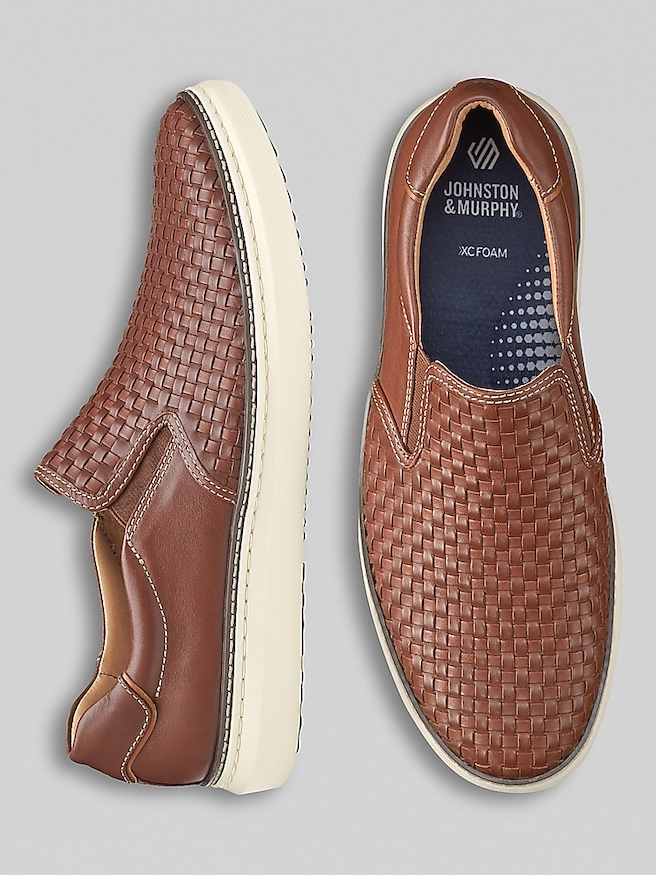
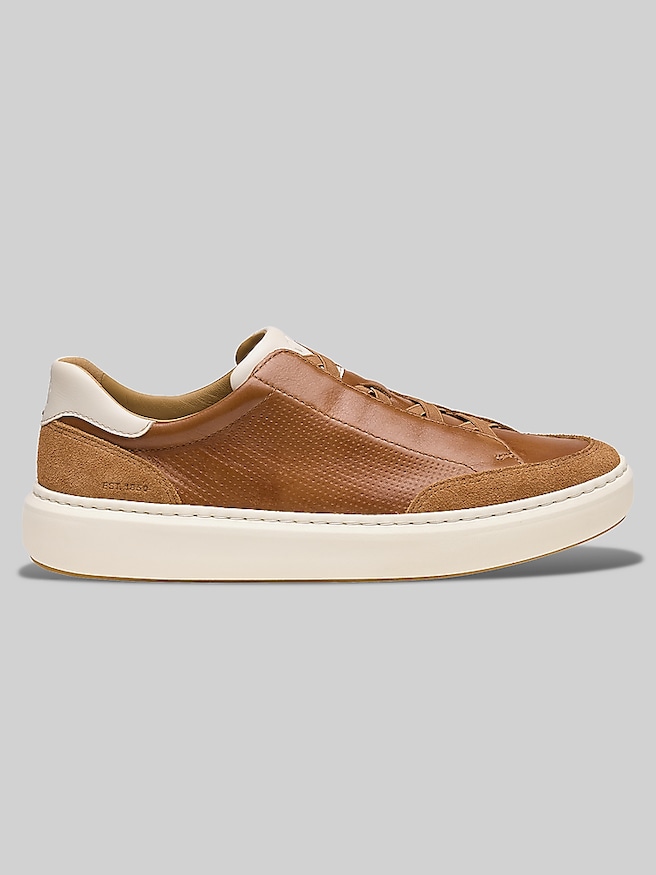
Tan slip-on boots bring the coverage of an ankle boot together with the convenience of a pull-on design, typically using elastic side panels, a flexible opening, or pull tabs instead of laces. For men, the appeal is straightforward: a pair can look more finished than sneakers without feeling as formal as traditional dress shoes. Chelsea boots are a familiar example, with close-fitting ankles and elastic gores that stretch when putting them on and settle against the foot once in place. Other pull-on silhouettes have broader toes, heavier soles, or more relaxed proportions. Tan adds another layer of versatility, ranging from pale sand and camel to richer honey-brown tones. Smooth leather tends to create a clean, defined appearance, while suede offers a soft, textured surface that feels especially natural with denim, corduroy, and cotton twill. The shape matters just as much as the material. A tapered toe and a low-profile sole work well with tailored trousers and an unstructured sport coat; a rounded toe and a more substantial sole feel at home with straight-leg jeans and an overshirt. For a business-casual office, tan leather slip-on boots can anchor navy chinos, a light blue button-down, and a brown belt without making the outfit look overly coordinated. For dinner or a casual celebration, dark denim and a knit polo offer an easy alternative. A trouser hem that rests near the top of the boot keeps the line clean, while excess fabric bunching around the ankle can hide the silhouette. Tan footwear also creates noticeable contrast against charcoal or indigo, so the boots naturally become part of the outfit’s visual focus. Matching every accessory exactly is unnecessary; keeping leather accessories within a related brown color family usually creates enough connection. For occasions with a strict formal dress code, traditional dress footwear may be the more appropriate choice, but many everyday settings leave plenty of room for a streamlined pull-on boot.
Materials, fit, and construction determine how tan slip-on boots feel long after the first try-on. Full-grain leather retains the hide’s natural surface and can develop creases and a deeper patina with wear, while other leather finishes may have a more uniform appearance. Suede has a raised nap that gives tan shades depth, though it needs care suited to that texture rather than ordinary leather polish. Neither material alone guarantees comfort or durability; lining quality, sole attachment, stitching, and the way the boot fits all contribute. Because there are no laces to adjust, a secure fit through the instep and heel is particularly important. The foot should feel comfortably held without pressure across the top, and the toes need room to move without touching the front. A small amount of heel movement can occur in a new pull-on boot, but pronounced lifting or a foot that slides forward suggests the fit needs another look. Trying boots with the socks intended for regular wear gives a more useful sense of fit than relying on size alone. Walk, turn, and stand for several minutes, paying attention to rubbing at the heel, pressure near the little toe, and the edge of the shaft against the ankle. Leather may soften, but breaking in a boot should not be expected to correct cramped toes or an unsuitable width. Underfoot details deserve equal attention. Cushioning can soften each step, while the shape and firmness of the footbed influence how supported the foot feels over a longer day. Rubber outsoles often suit everyday walking, and tread design affects grip, although a rugged appearance does not establish a slip-resistance rating. A slimmer sole generally looks dressier; a thicker or lugged sole changes both the profile and the feel underfoot. Resoling potential depends on construction, so anyone who values repairability should check that detail rather than assuming every leather boot can be rebuilt. For commuting, desk work, and dinner afterward, the most useful balance is often a secure fit, manageable weight, and a sole suited to the surfaces encountered throughout the day.
Keeping tan slip-on boots looking good starts with care that matches the upper material. On smooth leather, remove surface dust with a soft brush or cloth before applying a compatible cleaner or conditioner according to its directions. Use small amounts and test in an inconspicuous spot, since some treatments can darken light brown leather. A neutral cream may help maintain a natural finish, while a carefully matched pigmented cream can address minor scuffs when appropriate for the leather. Suede calls for a suede brush and, for suitable marks, a suede eraser; rubbing in ordinary polish can flatten the nap and change the appearance. Any protective treatment should be labeled for the material and tested first. If boots become damp during cleaning or wear, allow them to dry naturally away from direct heat, which can stiffen leather or affect adhesives. Cedar shoe trees can help absorb interior moisture and maintain shape between wears, provided they fit without stretching the boots. Give each pair time to air out, and use the pull tabs and elastic opening as intended rather than crushing the heel to step inside. Occasional attention to worn heel edges, loosening seams, and damaged elastic can help catch small problems before they interfere with comfort. Intended use matters, too: everyday slip-on boots are not automatically designed for demanding trails or occupational hazards. For outings that call for terrain-specific support and traction, Tan Hiking Boots are a separate category to consider, with fit and construction evaluated for that activity. As a gift, tan pull-on boots make the most sense when the recipient’s size, width, and preferred silhouette are already known. Someone who wears tailored chinos may appreciate a sleek leather shape, while a denim regular may favor suede and a rounder toe. Familiarity with the recipient’s foot shape is more useful than choosing by appearance alone. The lasting appeal comes from that practical match: boots that complement an existing wardrobe, feel secure through an ordinary day, and respond well to consistent, material-appropriate care.