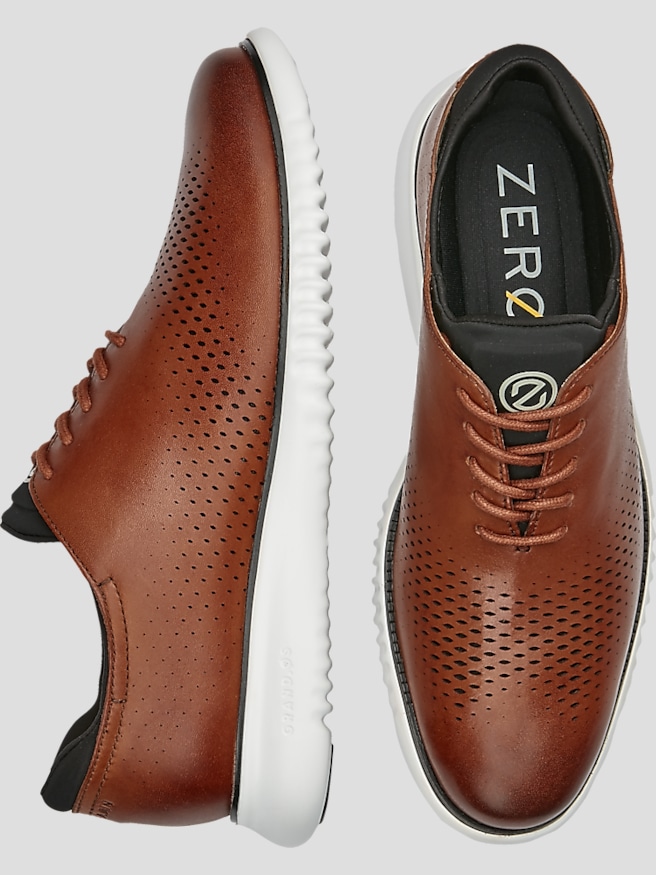
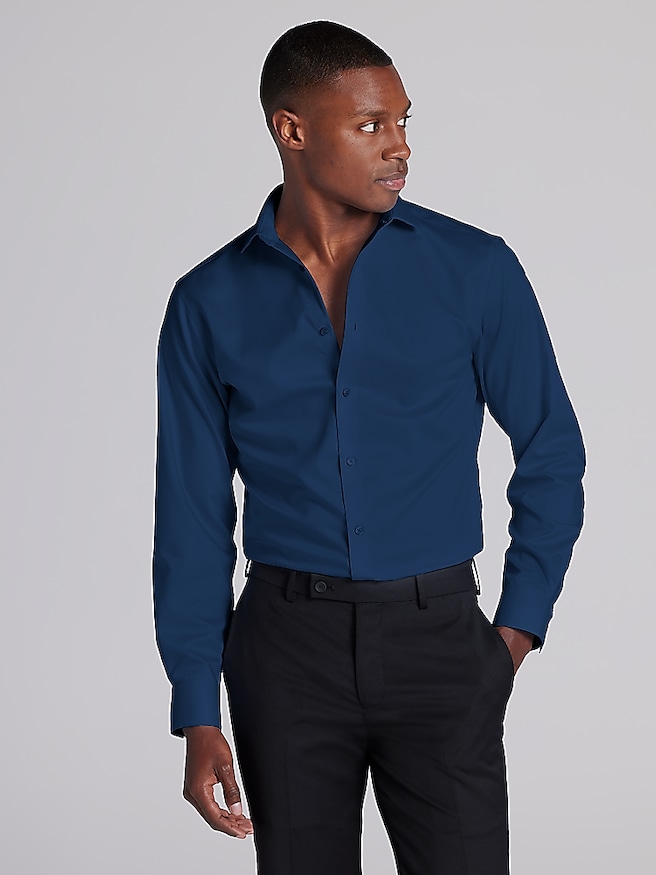
A tan designer shirt brings a warm neutral color to a wardrobe, with options ranging from cotton T-shirts and knit polos to tailored button-front shirts and fluid silk styles. The appeal lies in the balance: tan is understated enough to pair with familiar trousers and jackets, yet distinct enough to change the character of an outfit built around white or blue shirts. Within that color family, sandy beige looks light and relaxed, camel has a richer golden cast, and taupe leans toward gray. Those differences matter when coordinating an outfit, especially when several neutral shades sit close together. A sandy shirt creates a clear contrast against dark indigo denim, while a muted taupe shirt can look particularly refined with charcoal trousers. Designer styling may show up in the proportions of a collar, the shape of a pocket, a distinctive pattern, or the way a fabric drapes rather than in a prominent logo. A clean, solid-color shirt keeps attention on its silhouette; a subtle check or woven texture adds dimension without making the outfit feel busy. For office settings that allow alternatives to traditional business dress, a tan button-front shirt can work under a navy sport coat with dark trousers and brown leather shoes. For dinner or a gallery opening, an open collar and a neatly finished hem offer a less structured approach. A tan polo sits comfortably between a T-shirt and a dress shirt, making it useful for a casual workplace or an evening gathering. The most suitable choice depends on the setting as much as the designer label. Collar construction, fabric finish, sleeve length, and hem shape help distinguish a shirt intended for tailoring from one designed to be worn casually. For events with a stated dress code, that dress code should take priority over color preference, particularly when a traditional white dress shirt is expected.
Fabric determines much of how a tan designer shirt feels, moves, and holds its shape. Cotton is a familiar choice for its softness and breathability, but the weave makes a noticeable difference. Cotton poplin generally has a smooth, closely woven surface that suits a crisp button-front shirt, while Oxford cloth has a more visible basket-weave texture and a slightly more relaxed character. Twill is recognizable by its diagonal weave and can offer a supple feel, depending on its weight and construction. Cotton jersey gives T-shirts their flexible, easy drape, and piqué adds the small-scale texture often associated with polos. Linen has a distinctive slubbed surface and develops visible creases with wear, which suits an intentionally relaxed appearance rather than a sharply pressed finish. Silk can provide fluid movement and a subtle luster; satin describes a weave rather than a fiber, so a satin shirt is not necessarily made from silk. Blended fabrics may combine softness with stretch, wrinkle resistance, or easier care, but the fiber label and care instructions are more useful than broad assumptions about performance. Color also reads differently across these surfaces. A matte tan cotton shirt tends to look quiet and grounded, while a lustrous fabric can make a similar shade appear dressier and more pronounced under indoor lighting. Fit deserves equal attention. On a conventionally tailored shirt, the shoulder seams should sit near the shoulder edges, and the front placket should lie flat without pulling across the chest or stomach. A slim fit follows the torso more closely, while a classic fit generally leaves additional room; those terms are not standardized across designers. An intentionally oversized style will have different proportions by design. Sitting down, reaching forward, and bending the elbows can reveal restrictions that are easy to miss while standing still. For a shirt worn with a tie, the collar should close comfortably, and the sleeves should reach the wrist without covering the hand.
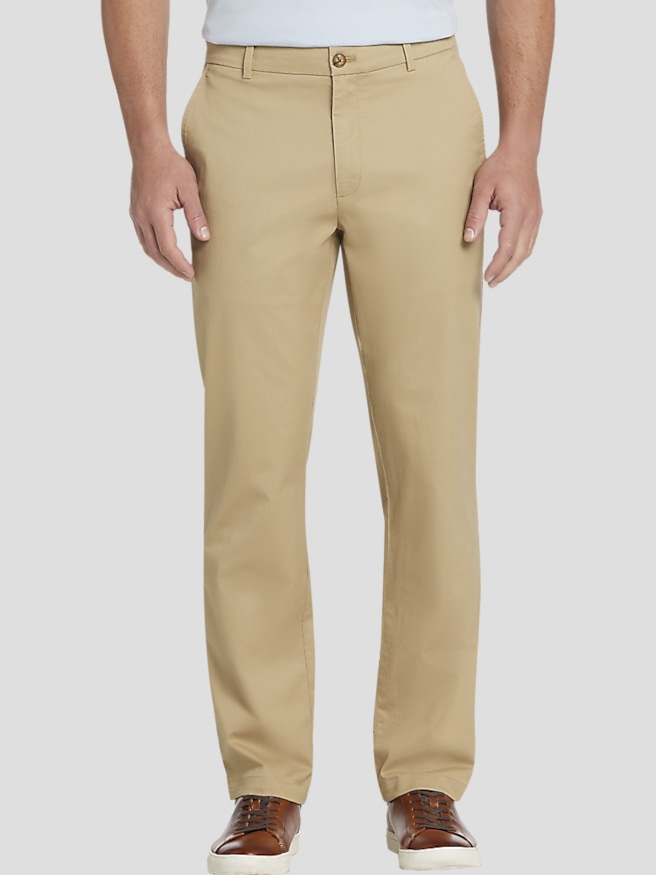
How a shirt fits into an existing wardrobe often determines how much use it receives. Tan works especially well with navy, olive, cream, charcoal, and darker denim, giving it a practical place among everyday separates. A tan shirt with navy trousers creates enough contrast to feel polished without relying on a bright color. Black trousers produce a stronger contrast, particularly with a smooth fabric and minimal detailing. For a tonal outfit, Tan Cotton Pants can complement a tan shirt when the shades or textures are clearly distinct: a pale sand shirt above deeper tan trousers usually looks more deliberate than two nearly matching colors that differ only slightly. A dark brown belt or textured jacket can help define that combination. Hem length matters, too. Longer shirttails are generally better suited to tucking, while a shorter, straighter hem often works untucked; the finished outfit should look balanced rather than as though a dress shirt has simply come loose. For someone who moves between desk work, client lunches, and dinner plans, a restrained pattern and a versatile collar may be more useful than an elaborate design detail. As a gift, a tan designer shirt can suit someone who already enjoys neutral clothing, provided the size, preferred cut, and usual care habits are known. Long-term wear depends on construction and maintenance as well as fabric. Even stitching, tidy seam finishes, securely attached buttons, and a placket that stays aligned are useful details to assess. No designer designation alone guarantees durability. Follow the garment’s care label for washing, drying, ironing, or professional cleaning, since cotton, silk, and blended fabrics can require very different treatment. Promptly addressing marks according to the care instructions helps protect a light neutral surface, and avoiding unnecessary heat can reduce the risk of shrinkage or damage. Woven shirts generally benefit from supportive hangers, while heavier knits may hold their shape better folded. With thoughtful care and a cut that feels comfortable throughout the day, a tan shirt can become a dependable alternative to the usual white, gray, and blue.