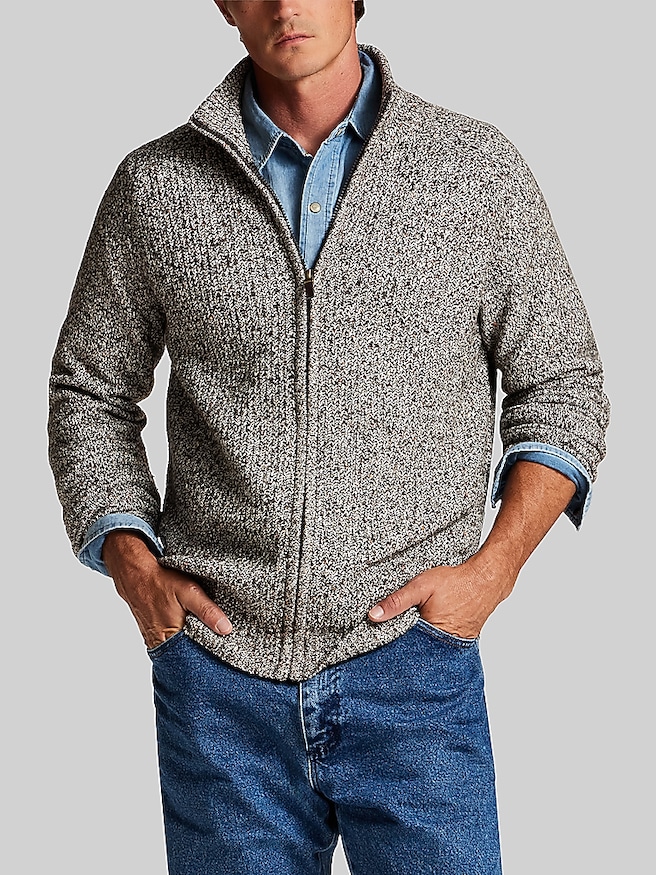
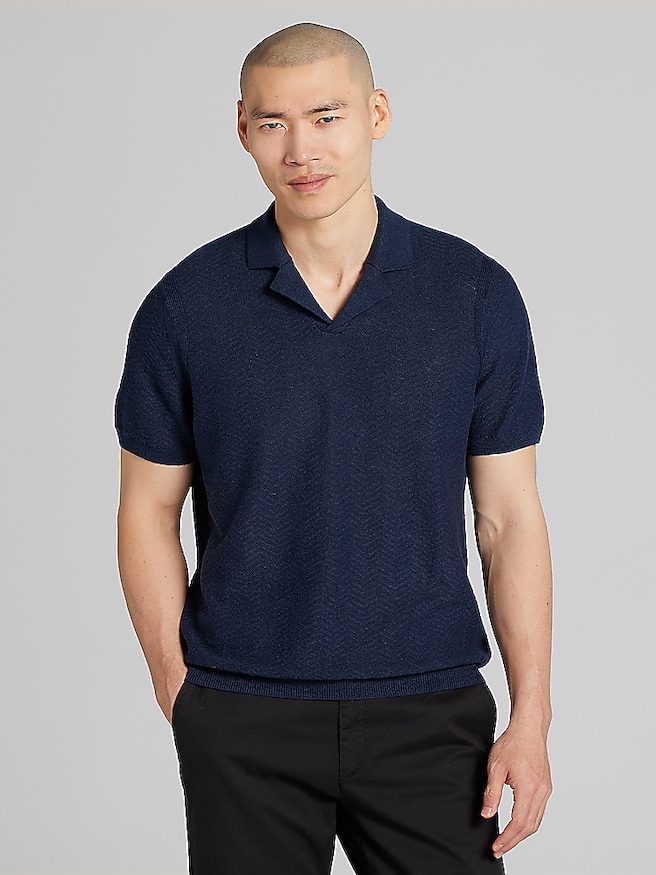
Tall size sweaters are designed with longer proportions in mind, typically adding length through the body and sleeves without necessarily adding the width of a larger standard size. For men with longer torsos or arms, that distinction can make the difference between a sweater that simply fits around the chest and one that sits comfortably from shoulder to hem. A well-proportioned tall sweater keeps the wrists covered when reaching across a desk, maintains coverage when sitting down, and leaves enough room for a shirt underneath without pulling across the upper back. Simply sizing up can create dropped shoulders, loose fabric at the waist, or an oversized neckline while still falling short in sleeve length. Dedicated tall sizing addresses length more directly, although measurements and proportions vary by maker and style. Chest circumference, sleeve length, and body length are useful points of comparison, especially for someone whose height is concentrated more in the legs than the torso. Shoulder seams generally sit near the natural shoulder in a traditional set-in-sleeve design, while the hem should provide comfortable coverage without bunching excessively at the hips. Ribbed cuffs can help sleeves stay in place, but they should not have to be stretched down to reach the wrists. Fit also depends on the intended silhouette: a closer cut creates a clean line beneath a jacket, while a more relaxed shape leaves space for a substantial shirt. Tall does not automatically mean broad, and a lean build may need added length with a relatively narrow body. A broader frame may benefit from additional room through the chest, upper arms, and midsection as well. For men who need that combination of room and length, Big and Tall Sweaters is a related category worth exploring. The goal is balanced coverage and ease of movement, rather than excess fabric that disguises an otherwise poor fit.
The character of a tall sweater comes from its neckline, knit structure, fiber content, and finishing details as much as its measurements. Crewnecks create a straightforward frame for the face and work comfortably over a T-shirt or a collared shirt, with enough neckline space to keep the layers from looking crowded. V-necks leave more of a shirt visible and can give a shirt-and-tie combination a less formal finish. Quarter-zip styles offer an adjustable neckline that can sit open over a polo or close neatly above an undershirt. Cardigans bring the flexibility of a front opening, making them useful at a desk, on a flight, or anywhere a layer may come on and off throughout the day. A turtleneck gives the upper body a continuous line and can stand in for a collared shirt beneath a tailored jacket. Each shape changes how a sweater feels in an outfit, but good tall proportions remain important across all of them. Cotton knits often have a familiar, soft hand and can suit frequent casual wear, while wool offers resilience and natural moisture management. Fine wool can create a smooth, refined surface without requiring a bulky knit. Cashmere is valued for its soft feel, though its delicate fibers benefit from thoughtful handling. Blends combine fibers to influence texture, stretch, weight, or ease of care; the fiber percentages and care label offer more useful information than a broad material name alone. Smooth, fine-gauge knits tend to slide more easily beneath a blazer, while cables, ribs, and other textured stitches give a sweater more visual depth. A substantial texture can look at home with denim or corduroy, whereas a quieter surface pairs naturally with dress trousers. Charcoal, navy, and other understated colors make repeat wear easy, while a richer shade can become the focal point of a simple outfit. These details help tall sweaters serve business-casual offices, dinners, travel days, and relaxed gatherings without requiring an entirely separate wardrobe for each setting.
Comfort and durability depend on how the knit is constructed and how it is treated between wears. A neckline that lies flat, cuffs that recover after gentle stretching, and seams that sit smoothly all contribute to a sweater’s appearance over time. Denser knitting can give a garment structure, while a more open stitch may feel softer and less restrictive; neither alone determines quality. The right balance depends on whether the sweater will be worn beneath tailoring, layered over a shirt, or used as an easy standalone piece. Friction from a shoulder bag, desk edge, or repeated contact beneath the arms can cause surface pilling, particularly in soft knits. Pilling does not automatically mean a sweater has reached the end of its useful life, and careful removal with an appropriate fabric tool can improve its appearance. The care label remains the best reference for washing or professional cleaning because similar-looking sweaters can have very different requirements. When washing is permitted, the recommended water temperature, cycle, and detergent help protect the fibers and any trim. Wet knits can stretch under their own weight, so flat drying is often important when specified. Folding rather than hanging also helps prevent shoulder bumps and lengthwise stretching during storage. That attention is especially worthwhile with tall sizing, where keeping the intended sleeve and body proportions matters to the overall fit. For gifting, a tall sweater can be a thoughtful choice for a partner, sibling, friend, or graduate who regularly struggles with sleeves that stop above the wrist. Height alone is not enough to determine size; a familiar, well-fitting sweater provides useful chest, sleeve, and body measurements for comparison. Familiar preferences matter, too, from a soft crewneck worn with jeans to a cardigan kept near a workspace. A successful choice feels natural in the recipient’s routine, with enough length for comfortable movement and a shape that looks intentional rather than merely oversized.