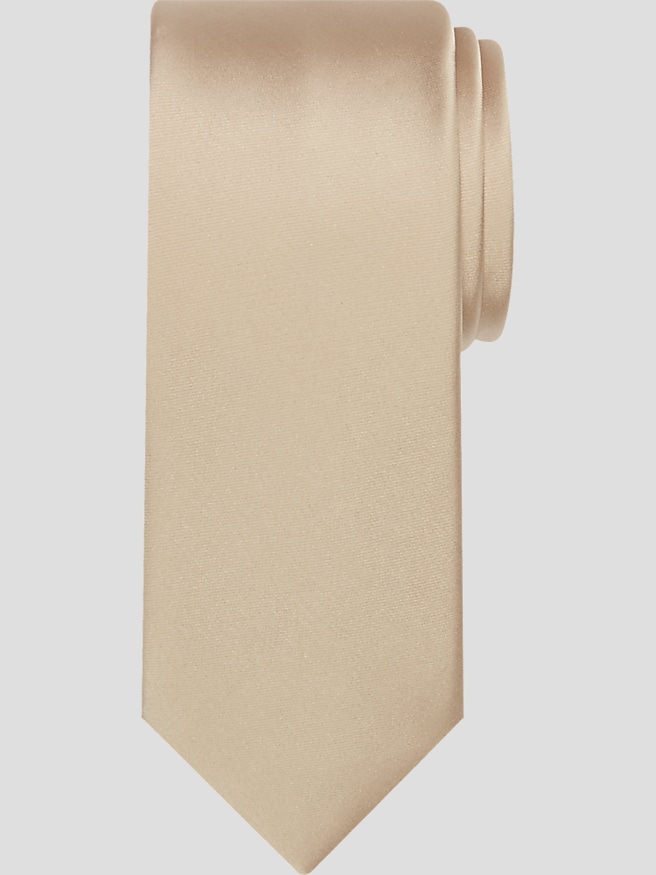
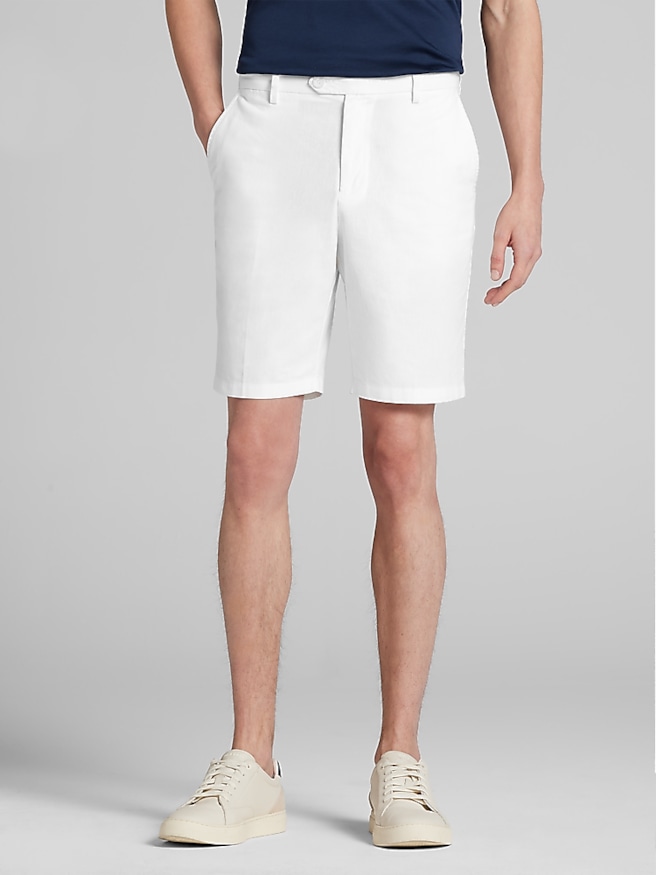
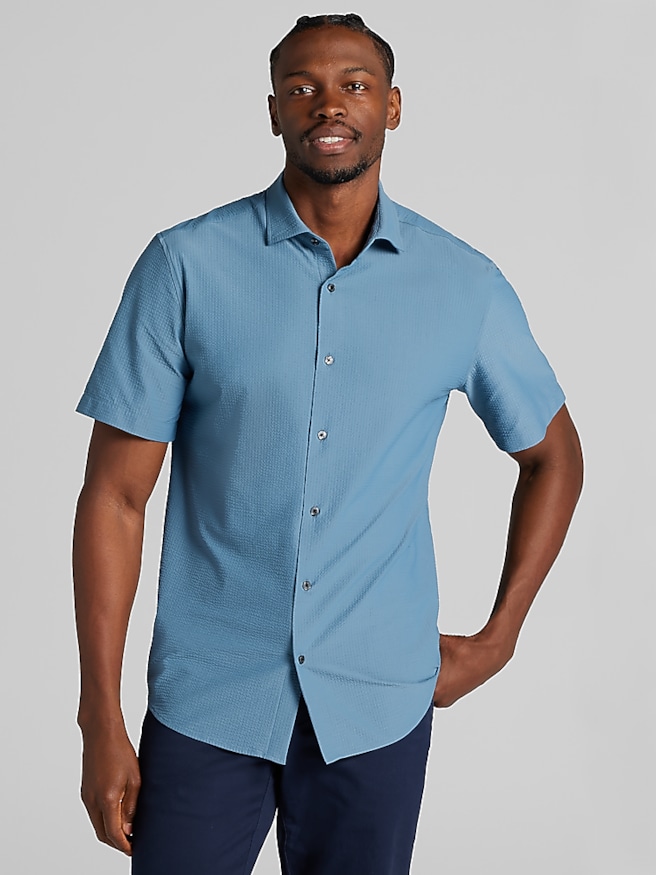
Summer gear for men centers on breathable fabrics, comfortable fits, and versatile clothing that suits everything from a backyard cookout to dinner on a shaded patio. Fabric weight and construction matter just as much as fiber content: a loosely woven shirt allows more airflow than a dense one, while an unlined layer generally feels less substantial than a fully lined alternative. Cotton offers a familiar, soft feel for everyday wear, and linen brings an airy texture with the relaxed creasing that gives it much of its character. Cotton-linen blends can balance those qualities, providing some of linen’s lightness with a smoother appearance. Seersucker’s puckered surface keeps portions of the fabric lifted away from the skin, making it a practical choice for warm-weather clothing. Performance fabrics serve another purpose, particularly for active days or extended travel; moisture-wicking properties, stretch, and quick-drying construction can help clothing feel more comfortable, though those features depend on the fabric and finish rather than the fiber name alone. Across these materials, a comfortable summer fit leaves enough space for movement without looking oversized. Shirt shoulders should sit close to the natural shoulder line, sleeves should allow an easy reach, and buttons should lie flat rather than pull across the chest. Shorts and lightweight pants benefit from room through the seat and thighs, especially for sitting through a long lunch or walking several blocks after dinner. A slightly relaxed cut can encourage airflow, but extra fabric is not a substitute for the right size. Length also changes the overall impression: shorts that end above or near the knee usually create a balanced casual silhouette, while pants with a clean hem keep lightweight outfits looking intentional. Light colors offer a classic summer look, but opacity deserves attention, particularly with pale pants and thin shirts. Fabric that feels pleasant in the hand should also provide the coverage and structure its intended setting requires.
The most useful summer clothing works across the actual occasions on the calendar, not just an idealized beach vacation. A breathable collared shirt and neatly fitted shorts suit a casual lunch, while lightweight trousers give a similar outfit a more polished direction for an evening gathering. Polos occupy a useful middle ground between a T-shirt and a button-front shirt, with collar shape, fabric texture, and fit determining how refined they look. For an office with a business-casual dress code, smooth fabrics, restrained patterns, and a tidy tuck can make warm-weather separates feel appropriate without unnecessary bulk. A lightweight jacket adds definition when the setting calls for it, but its lining, shoulder construction, and room through the sleeves influence comfort as much as its outer fabric. Summer weddings and dressier celebrations require a closer reading of the invitation: relaxed fabric does not override a formal dress code, and casual footwear may be unsuitable even at an outdoor venue. In less formal settings, texture creates interest without requiring bold color. A softly slubbed shirt, a subtle woven pattern, or a muted stripe can add dimension to navy, stone, olive, and off-white separates. Those colors also combine easily, which makes a small travel wardrobe more flexible. For a wardrobe focused on casual settings, Summer Sportswear for Men puts the emphasis on easy movement, breathable construction, and versatile separates. Footwear should match both the outfit and the amount of walking involved; a streamlined silhouette is useful, but secure fit and a comfortable sole matter during a full afternoon on foot. Socks should work with the shoe rather than bunch at the heel or slide beneath it. Accessories can be practical finishing touches, too. A comfortable belt helps maintain a clean waistline, while a brimmed hat adds shade. Sun-protective clothing should be evaluated by its labeled UPF rating rather than by color or fabric weight alone.
Care and durability are part of what makes summer gear useful beyond a single trip or occasion. Lightweight fabric does not have to feel fragile, but seams, buttons, pocket openings, and hems should withstand the movements the clothing will regularly encounter. Reinforced stress points are helpful in frequently worn shorts and pants, while smooth stitching around collars and cuffs supports a neat appearance through repeated wear. Stretch can improve comfort, although a garment should still fit properly without relying on constant tension across the fabric. Care labels remain the best reference for laundering, drying, and pressing because similar-looking materials can have different requirements. Excessive heat may shrink some fabrics, damage elastic fibers, or set wrinkles, so drying methods deserve as much attention as wash settings. Promptly removing washable clothing from the machine and reshaping it before drying can reduce deep creasing; any ironing or steaming should follow the garment’s instructions. Linen’s natural wrinkles are part of its relaxed appeal, while a sharper setting may call for a more carefully pressed finish. Sweat, sunscreen, and food spills are easier to address when treated promptly using a method suitable for the fabric, rather than left until a suitcase is unpacked days later. For travel, versatile separates reduce the need to pack a distinct outfit for every activity. A shirt that works untucked with shorts and tucked into trousers earns its space, provided its hem length suits both uses. Hanging clothing after unpacking also gives folds a chance to relax before wear. Summer clothing can make a thoughtful gift for someone planning a vacation, enjoying outdoor meals, or refreshing everyday casual attire. Familiar colors, known sizing, and easy-care materials help match the gift to the recipient’s habits. The strongest summer wardrobe feels personal rather than complicated: breathable pieces for long afternoons, polished layers for social plans, and dependable construction that supports regular wear.