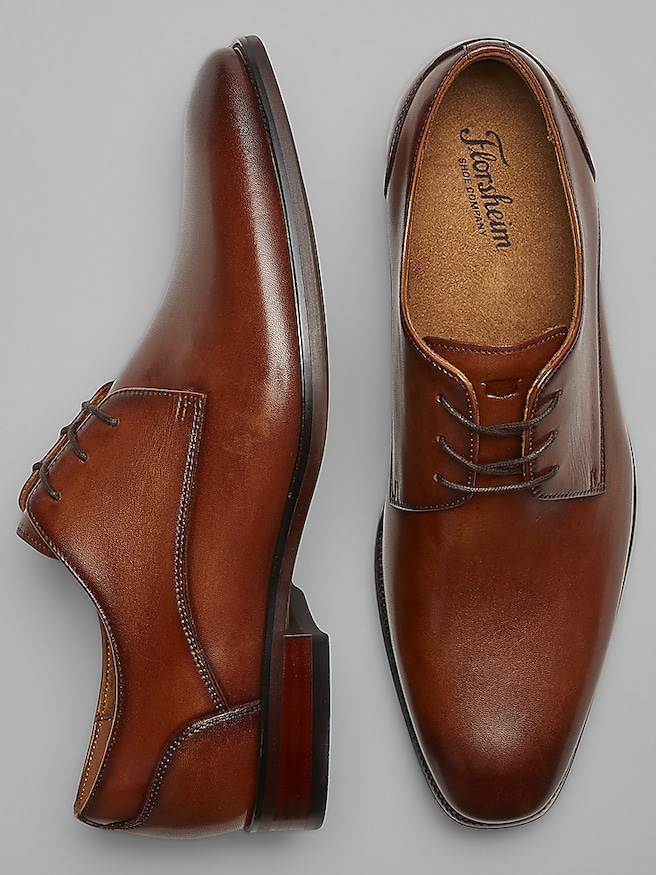
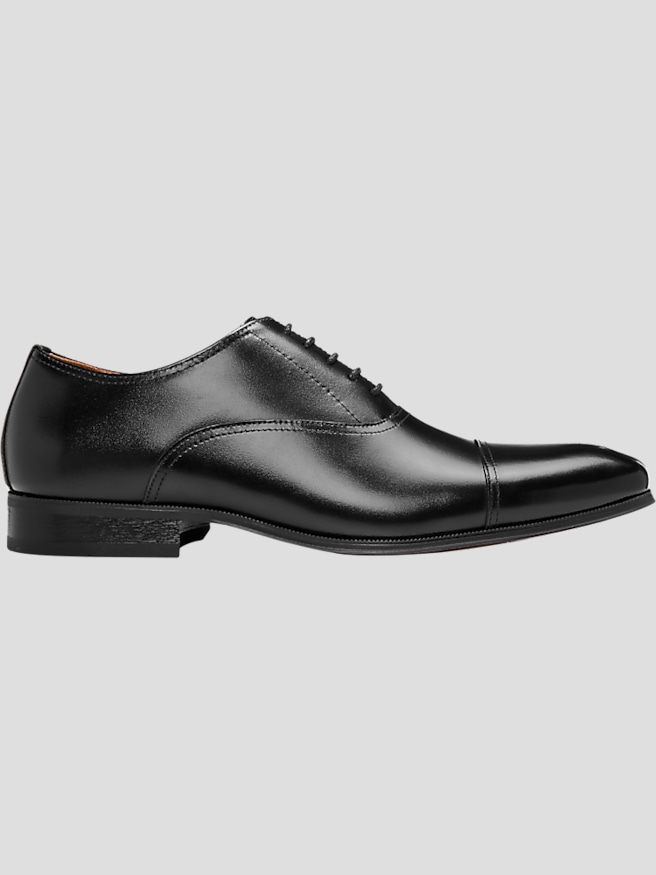
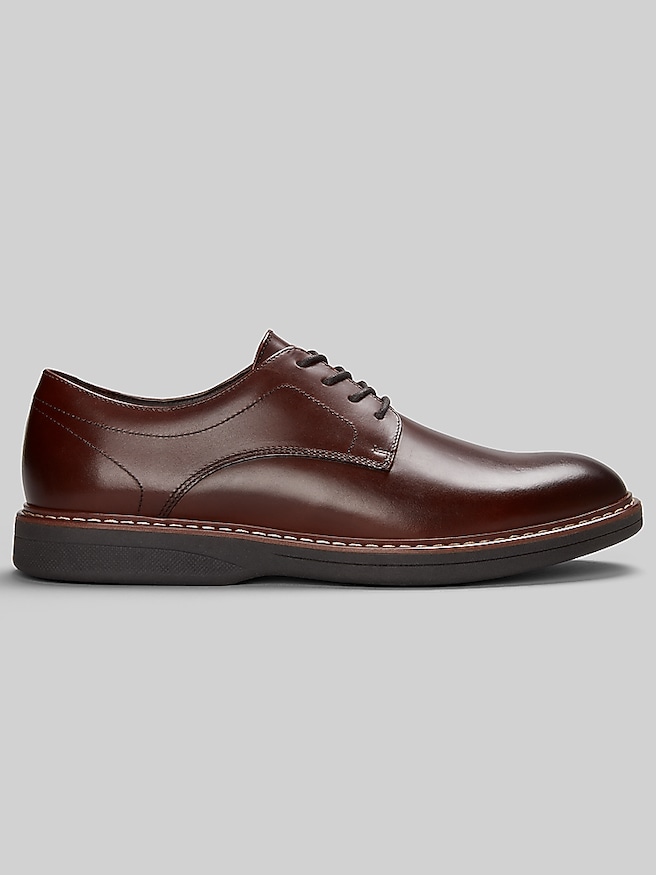
Summer dress shoes for men bring a polished finish to warm-weather outfits, with loafers, Oxfords, and Derby shoes offering distinct levels of formality. The most useful choices balance the occasion’s dress code with comfortable fit, suitable materials, and a shape that works with lightweight tailoring. A brown leather loafer can look at home beneath linen trousers at a daytime reception, while a tan Derby complements a light gray suit for an outdoor ceremony. Closed-lacing Oxfords have a more streamlined appearance that suits business settings and dressier celebrations. Loafers offer an easy slip-on profile, with penny and tassel details adding character without the visual weight of a substantial lace-up shoe. Drivers lean more casual and generally work better with relaxed trousers than with formal evening attire. Material makes a noticeable difference in both appearance and feel. Smooth leather creates a crisp finish and can develop an attractive patina with proper care; suede has a softer, matte texture that pairs especially well with linen, cotton, and subtly textured suit fabrics. Woven leather introduces pattern and, depending on its construction and lining, may allow additional airflow. Breathability comes from the complete design, however, rather than decorative detailing alone. An unlined or partially lined shoe may feel less substantial than a heavily structured alternative, although support and fit remain important. Shades of tan, cognac, and medium brown coordinate naturally with many summer colors, but lighter footwear is not a requirement. Dark brown provides useful contrast with pale trousers, and black remains appropriate when the dress code calls for it. A sleek black Oxford can still be the right choice for a formal evening event, even when the setting is distinctly summery. The defining quality of a good summer dress shoe is not simply a light color or an exposed ankle; it is the ability to complement the outfit and setting without feeling unnecessarily heavy or casual.
Comfort becomes especially important when the day includes a walk from the hotel, an outdoor ceremony, and several hours standing at a reception. Summer dress shoes should hold the heel securely, support the foot through the midsection, and leave enough room for the toes to rest without pressure. A loafer needs a close fit across the instep to stay in place, but that should not mean pinching or forcing the foot into a narrow shape. Lace-up styles offer more adjustment, and the open lacing of a Derby can be helpful for accommodating differences in foot volume. Trying shoes with the socks intended for the occasion gives a more realistic sense of fit. Thin dress socks maintain a clean line beneath tailored trousers, while no-show socks can create a bare-ankle appearance with loafers without putting the foot directly against the lining. Neither approach changes the need for a comfortable, secure fit. Leather may soften with wear, but a shoe that is too short or painfully tight is not a sound choice for an event that lasts all day. Interior seams, heel lining, and the shape of the toe box can matter as much as cushioning, particularly where repeated movement might create friction. Underfoot construction also affects how a pair feels throughout the day. A flexible forefoot supports a natural stride, while cushioning can soften the feel of hard floors and sidewalks. Leather soles offer a traditional, refined profile; rubber soles or discreet rubber inserts may provide additional grip, depending on the tread and surface. For garden receptions, gravel paths, or travel days, a stable sole and secure fit deserve particular attention. A slim silhouette does not have to mean minimal support, and a substantial sole does not automatically guarantee comfort. Durable stitching, neatly finished edges, and a well-attached outsole are useful signs of construction quality, especially for shoes intended to move between office wear and special occasions.
The versatility of summer dress shoes often comes down to proportion and texture. A tapered trouser with a clean hem gives a loafer or slim lace-up room to look intentional, while excess fabric pooling over the shoe can make lightweight tailoring appear heavy. Tan suede brings softness to cream trousers and a navy jacket; medium brown leather adds definition beneath a pale blue suit; a dark, minimally detailed Oxford keeps attention on the tailoring at a more formal event. A belt in a similar color family usually creates a cohesive result without requiring an exact shade match. For an outfit built around textured linen or a patterned jacket, a simpler shoe can provide balance. A warm-weather wardrobe may include relaxed Summer Shoes alongside more polished footwear, with dress shoes serving the occasions that call for tailored trousers, a jacket, or a complete suit. Their usefulness can extend beyond a single celebration to client meetings, graduation ceremonies, anniversary dinners, and destination events. For someone building a first professional wardrobe or preparing for an important milestone, a versatile pair can also make a thoughtful gift when sizing and personal style are known. Keeping that pair looking sharp requires care suited to the material. Smooth leather benefits from gentle cleaning, appropriate conditioning, and polish when needed, while suede calls for a suitable brush and material-specific treatment rather than ordinary shoe cream. Protective treatments should be compatible with the finish and tested discreetly before wider application. After wear, shoes need time to air out away from direct heat, especially after a long day in humid conditions. Cedar shoe trees can help maintain shape and absorb some moisture, and alternating pairs allows more drying time between outings. Dust bags help protect the finish during travel, while prompt attention to worn heels or loose stitching can prevent a small issue from becoming more extensive damage. With considered care, summer dress shoes can remain a dependable part of a polished wardrobe across many occasions.