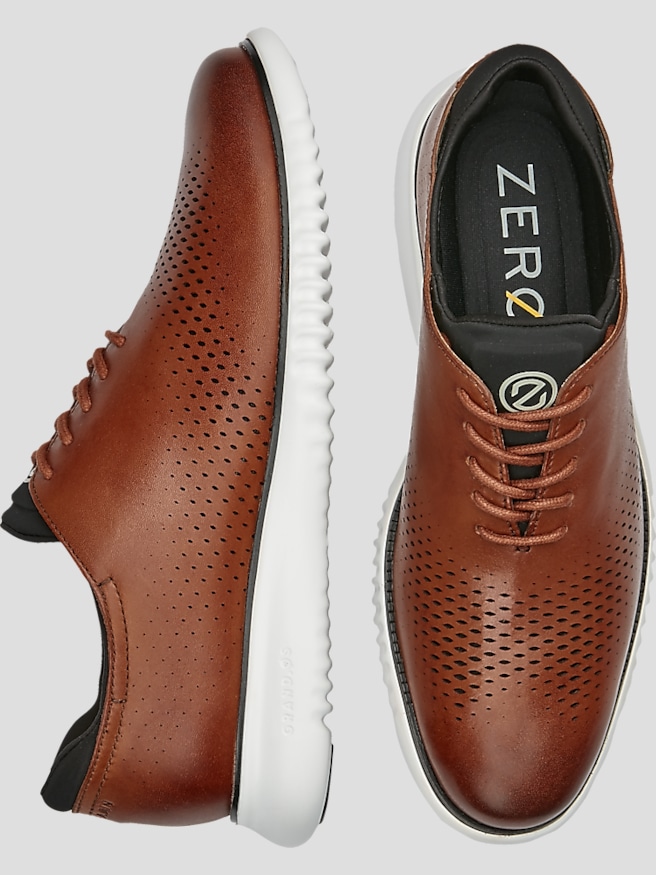
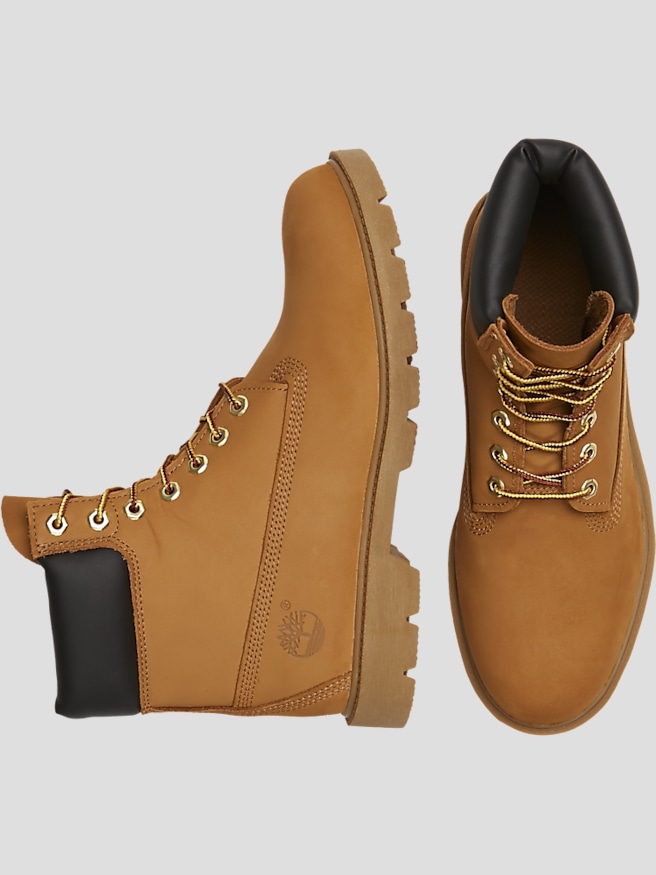
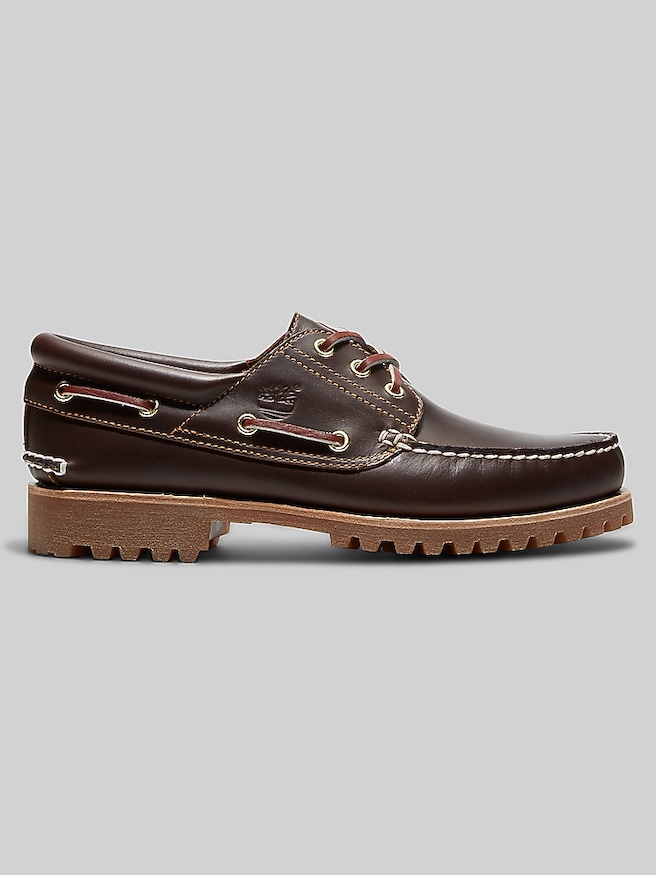
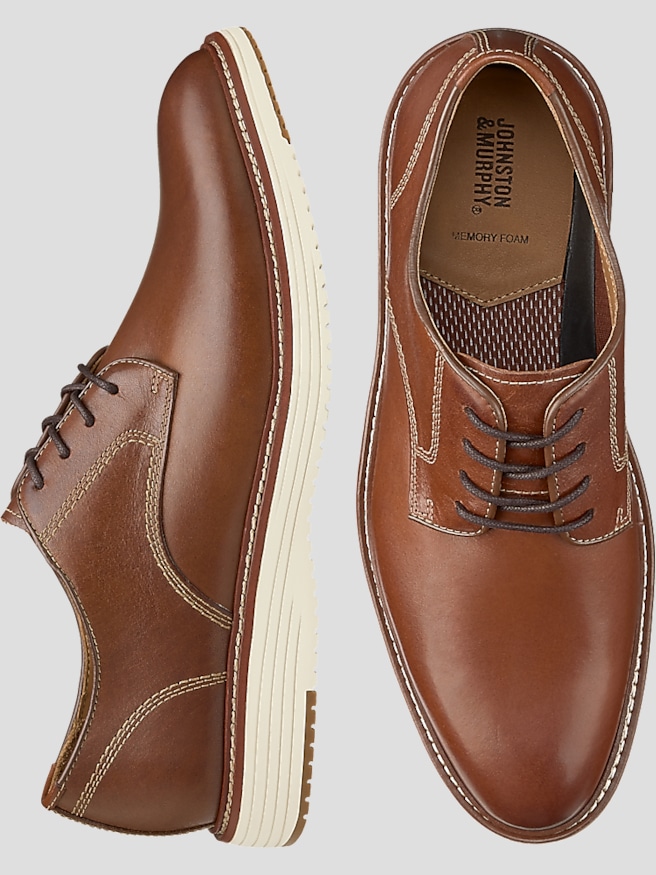
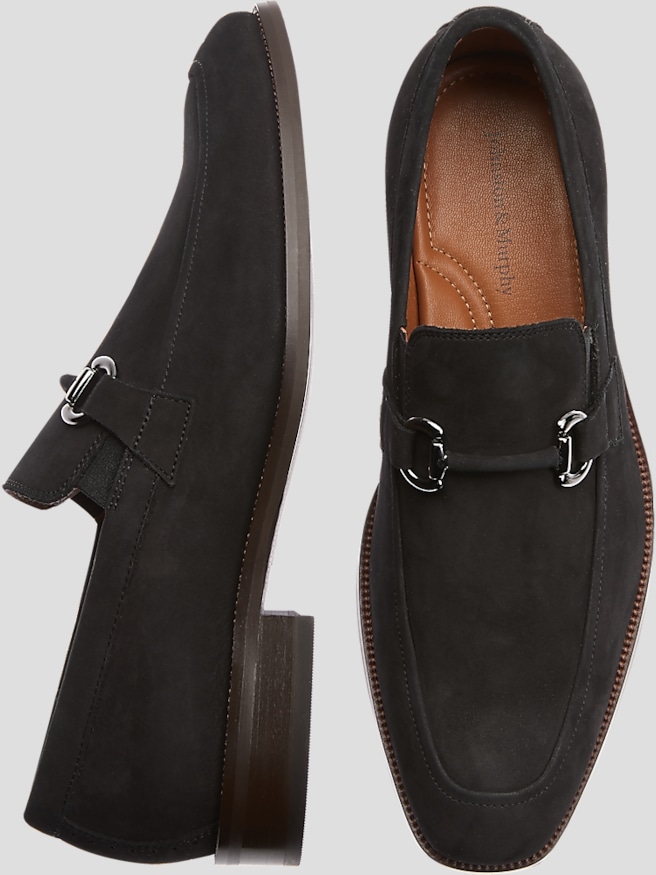
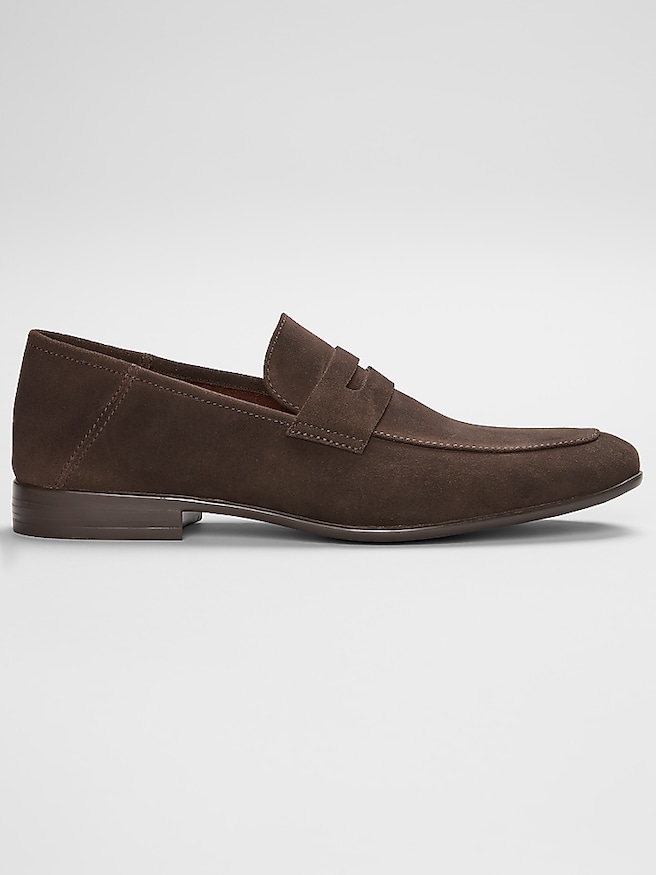
Suede shoes for Valentine’s Day bring a soft, matte texture to an outfit that feels considered without looking overly formal. Their appeal comes from the nap: the fine, raised fibers on the leather’s surface that catch light gently and give colors depth. Chocolate brown, cognac, taupe, and navy can look especially rich in suede, making them natural companions for tailored trousers, dark denim, and understated knitwear. For a dinner reservation, brown suede loafers with charcoal trousers and a fine-gauge sweater create a relaxed but polished combination; a softly structured jacket adds definition without making the outfit feel stiff. A lace-up silhouette offers a more tailored impression, while a clean suede sneaker suits a casual meal, a gallery visit, or an evening built around walking between stops. The shape matters as much as the color. A streamlined toe and a restrained sole tend to complement slimmer trouser openings, while a more substantial shoe can balance straight-leg pants. Neither approach needs to feel elaborate: suede often provides enough visual interest on its own. Its muted finish also leaves room for a patterned shirt, a textured tie, or a burgundy accent without competing for attention. Valentine’s Day dressing does not require red or pink, and an earthy shoe color can make a romantic evening outfit feel more personal than a literal holiday palette. For someone who prefers a subtle nod to the occasion, a warm brown shoe beneath navy tailoring offers depth without looking themed. Suede is particularly well suited to settings where the dress code falls between everyday casual and formal evening attire. It can soften the appearance of tailoring and sharpen the impression of denim, giving familiar clothing a distinct sense of occasion. The result is footwear that feels appropriate for a special evening while remaining useful for dinners, celebrations, and everyday occasions well beyond Valentine’s Day.
Material and construction influence how suede shoes feel, look, and hold up over time. Traditional suede is leather with a buffed, fibrous surface, commonly created from the flesh side or a split layer of a hide. Its texture differs from smooth leather, which generally has a more uniform surface and a clearer sheen. Nubuck can look similar, but it is made by lightly sanding the grain side of leather; synthetic suede-like materials have their own characteristics and care requirements. Those distinctions make material descriptions important, especially for anyone choosing footwear as a gift. A soft upper may feel accommodating, but the lining, seams, insole, and sole also shape comfort. For an evening that includes standing at a reception or walking to a theater, cushioning and a stable fit deserve as much attention as appearance. Toes should have room to rest naturally without pressing against the front or sides, and the widest part of the foot should sit comfortably within the widest part of the shoe. A secure heel helps limit rubbing, although fit expectations vary by silhouette. Lace-up shoes offer adjustment across the instep, whereas loafers depend more heavily on the relationship between the shoe’s shape and the wearer’s foot. Suede may ease slightly with wear, but that is not a reliable solution for pinching or insufficient length. Trying shoes with the socks intended for the outfit gives a more useful sense of fit than judging them in isolation. Sole construction also affects intended use: flexible rubber can provide a practical foundation for an evening with several stops, while a slimmer leather sole gives a dressier profile. Traction depends on the outsole design and the surface underfoot, not simply the material name. For occasions calling for a sleeker finish, leather shoes for Valentine’s Day offer another way to complement tailoring, particularly when the dress code leans more formal.
Suede’s distinctive surface rewards a little regular attention, and thoughtful care helps preserve the texture that makes it appealing in the first place. A suede brush can lift flattened fibers and remove loose surface dirt once the shoes are dry; gentle strokes are preferable to vigorous scrubbing that could roughen the finish unevenly. A suede eraser may help with small dry marks, while oily spots and persistent stains often call for a cleaner formulated for the material or professional attention. Standard shoe polish and ordinary leather conditioning creams are generally unsuitable for suede because they can darken or flatten the nap. A protective spray labeled for suede may help reduce staining and moisture absorption, but it should be tested on an inconspicuous area and applied according to the shoe maker’s and spray manufacturer’s directions. Protection does not make suede waterproof. If shoes become damp, allowing them to dry naturally away from direct heat helps protect their shape and texture; brushing should wait until the surface is fully dry. Storage matters, too. Shoe trees that fit without stretching the upper can support the shape between wears, and a breathable storage space helps keep the shoes from remaining damp. Giving a pair time to air out between outings can also benefit the lining and footbed. Durability ultimately reflects the quality of the leather, the construction, the conditions of use, and the consistency of care rather than softness alone. As a Valentine’s Day gift for a partner or spouse, suede footwear can feel both personal and practical when it matches the recipient’s habits. Someone who usually wears tailored separates may appreciate a refined silhouette, while a person whose evenings revolve around casual restaurants and live music may get more use from a relaxed shape. Familiar colors, the correct width, and an understanding of preferred sock thickness are more useful than guessing based only on appearance. With a comfortable fit and a finish that complements an existing wardrobe, suede shoes can become a lasting reminder of the occasion rather than something reserved for a single night.