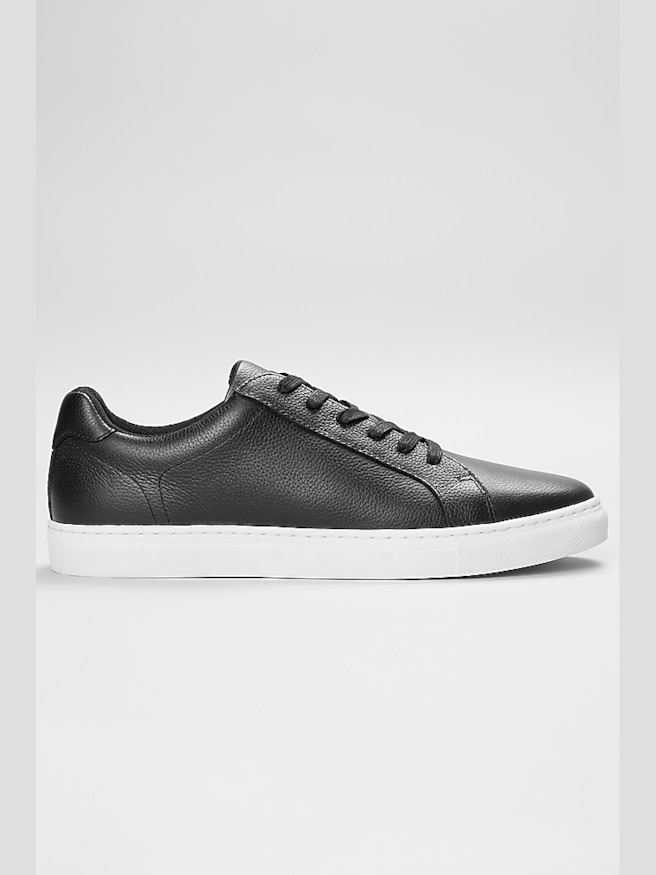
Stylish men's business casual shoes balance the polish of dress footwear with the ease of a less formal workday. Their appeal comes from clean proportions, thoughtful materials, and details that complement tailored clothing without making every outfit feel like a suit. A smooth leather derby, for example, looks natural beneath chinos and a button-down shirt, while a penny loafer brings a relaxed finish to trousers and a fine-gauge knit polo. Derbies have open lacing, with the lace-bearing sections attached over the upper, giving them a less formal appearance than closed-laced oxfords. Both can suit business casual settings, although simpler designs tend to move most easily between office expectations. Loafers offer a streamlined slip-on shape, with penny straps, tassels, or understated metal accents providing varying degrees of decoration. Suede chukkas and sleek Chelsea boots add another option, especially when their toe shape and sole remain refined enough to sit neatly beneath a trouser hem. In workplaces with a relaxed dress code, minimalist leather sneakers can also complement business casual clothing; restrained detailing and a low-profile sole keep the overall effect closer to tailored footwear than athletic gear. The right level of formality depends on the setting: client meetings at a traditional firm may call for leather lace-ups, while a design studio may welcome clean sneakers with unstructured tailoring. Color helps establish that balance, too. Medium brown works easily with navy, olive, and beige, dark brown adds depth to gray trousers, and burgundy provides character without a bright contrast. Black creates a crisp finish with charcoal or dark denim when the dress code permits jeans. A softly rounded or almond-shaped toe usually feels versatile, while a very pointed shape or oversized sole makes a stronger statement. The relationship between shoes and trousers matters as much as either piece alone. A modest trouser break allows the shoe's shape to remain visible, and a streamlined profile keeps an outfit composed rather than heavy at the ankle.
Materials influence both the appearance and everyday feel of men's business casual shoes. Smooth leather can take on a polished finish and develop creases that reflect regular wear, while suede offers a softer, matte texture that pairs especially well with chinos and textured trousers. Full-grain leather retains its natural surface, though the quality of the hide, finishing, and construction also affects how a shoe performs over time. Suede is not automatically less durable than smooth leather, but its nap benefits from dedicated brushing and protection suited to the material. Textile panels and synthetic uppers create other combinations of weight, flexibility, and maintenance needs, so material descriptions are useful when comparing styles. Inside the shoe, a smooth lining, secure heel, and well-positioned cushioning can make a noticeable difference across a day of commuting, standing through a presentation, and walking to lunch. Cushioning alone does not determine comfort; the shape of the shoe must also suit the foot. A good fit holds the heel securely without painful rubbing, leaves room for the toes to move, and avoids pressure across the widest part of the forefoot. Lace-ups offer some adjustment over the instep, whereas loafers rely more closely on the relationship between the foot and the upper. Slight movement can occur in some slip-on designs, but repeated lifting that causes friction suggests a fit issue rather than a feature to accept. Leather may soften with wear, yet a painful squeeze or toes pressing into the front should not be treated as a necessary break-in stage. The socks intended for everyday wear also affect fit, particularly when moving between thin dress socks and more cushioned options. Underfoot, leather soles tend to offer a traditional look, while rubber soles can provide flexibility and traction, depending on their design. A restrained rubber outsole can preserve a dressy silhouette without the visual bulk of a rugged tread. Construction matters as well: some stitched designs permit resoling, while other constructions emphasize lightness and flexibility.
Lasting style depends partly on how shoes are maintained between wears. Dust and surface dirt can dull even a well-chosen pair, while neglected scuffs make an otherwise thoughtful outfit look unfinished. Smooth leather generally benefits from gentle cleaning, occasional conditioning appropriate to its finish, and polish when a richer color or more defined shine is desired. Suede needs its own approach: a suitable brush helps lift the nap, and a suede eraser can address some surface marks without coating the material in cream polish. Care products should always match the upper and be tested discreetly before wider application. Shoes that become damp should dry naturally away from direct heat, which can damage leather and adhesives. Cedar shoe trees can help preserve shape and absorb some interior moisture, and allowing a pair to rest between wears gives the lining time to dry. These habits support durability, but everyday performance also depends on walking surfaces, frequency of wear, and the shoe's construction. Worn heel edges, loose stitching, and thinning soles are worth addressing before they affect comfort or the upper. For someone whose day includes a train ride, a standing conversation with coworkers, and an evening dinner, a secure fit and an unobtrusive sole may matter more than elaborate decoration. For a person spending most of the day at a desk but regularly meeting clients, a clean leather finish and balanced proportions may take priority. The range of Modern Business Casual Shoes reflects the space between those needs, where familiar dress-shoe shapes meet more relaxed ways of getting dressed. Business casual footwear can also make a useful gift for a recent graduate, a professional beginning a new role, or someone refreshing a work wardrobe, provided size, fit preferences, and workplace expectations are understood. The most versatile choice is not necessarily the most formal one; it is the pair that feels comfortable, complements the clothing already worn, and looks appropriate from the first meeting through the last appointment.