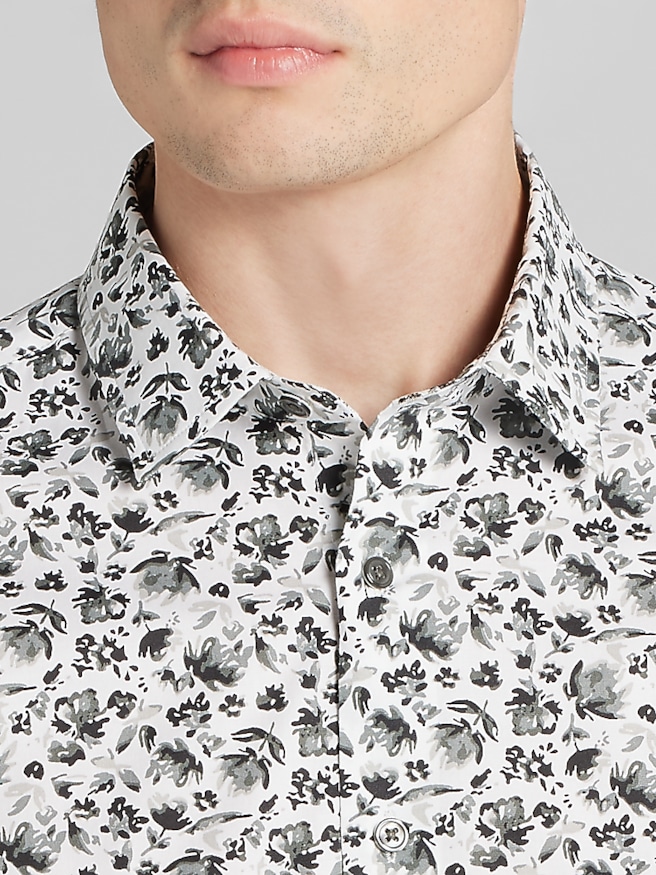
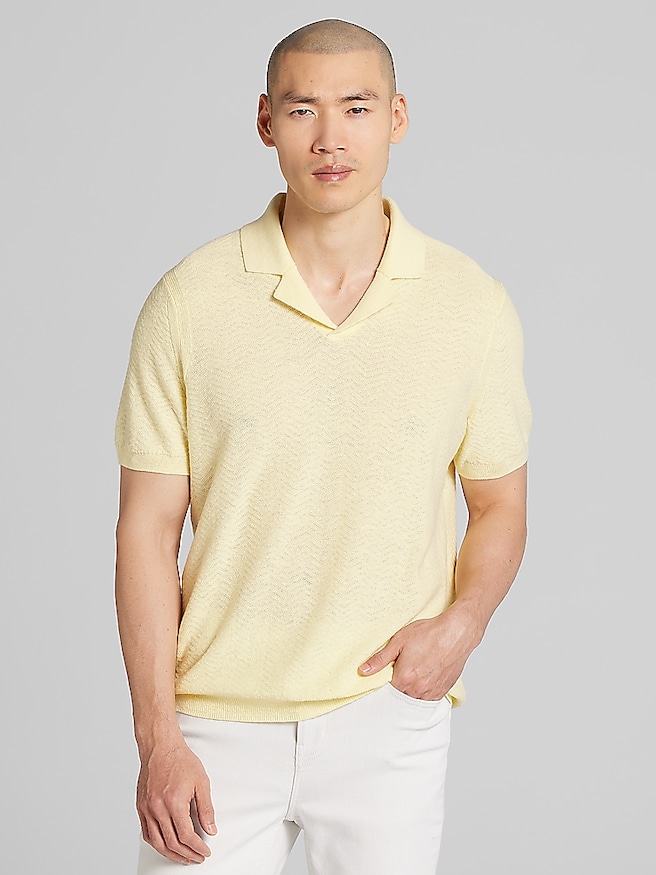
Stylish clothes for men combine a comfortable fit, balanced proportions, and fabrics that suit the occasion. Clean lines and thoughtful combinations often make a stronger impression than bold details competing for attention. A coordinated wardrobe can move from a client meeting to dinner with friends without making either setting feel like an afterthought. Tailored clothing brings structure to dressier occasions, while chinos, denim, knitwear, and casual shirts support a more relaxed approach. The connection between them is fit: shoulder seams that sit near the edge of the shoulder, collars that rest comfortably against the neck, and trousers that fall smoothly rather than pulling across the pockets. Slim fits sit closer to the body, straight fits leave a more consistent line through the leg, and relaxed cuts provide additional room without necessarily looking oversized. Those descriptions are starting points, not guarantees, because proportions vary across clothing categories. A shirt should allow comfortable movement when reaching forward, and a jacket should button without creating pronounced tension across the front. Trouser length also changes the overall impression. A slight break creates a familiar tailored finish, while a cleaner hem with little or no break puts more emphasis on the shape of the leg and the footwear. Navy, charcoal, gray, olive, and shades of brown provide a useful foundation because they work across many combinations. White and light blue add contrast near the face, while a deeper accent color can give an otherwise understated outfit some personality. Patterns work best when their scale feels intentional: a fine stripe reads quietly from a distance, while a larger check becomes a more noticeable feature. For someone who prefers a restrained look, texture can supply the interest that a bold print would otherwise provide. The result is clothing that feels considered rather than complicated, with enough flexibility for personal taste, workplace expectations, and the way a day actually unfolds.
Fabric makes a substantial difference in how clothing hangs, feels, and holds its shape. Wool is valued in tailoring for its drape and natural resilience, though the weave, weight, and construction influence how a garment performs. Cotton offers a familiar feel in shirts, trousers, and knitwear, with smooth poplin, textured Oxford cloth, and sturdy twill each creating a distinct impression. Linen has visible character and a naturally relaxed finish; its tendency to crease is part of that appearance rather than a sign of poor quality. Blended fabrics can combine qualities such as softness, shape retention, or stretch, but the fiber label alone does not tell the whole story. Fabric density, stitching, and finishing deserve attention, too. A modest amount of stretch may make sitting and bending more comfortable, while a well-cut garment still needs sufficient room to move without relying entirely on elasticity. Texture is especially useful when coordinating similar colors. A smooth shirt beneath a softly textured jacket creates separation without a sharp color contrast, and a knit layer can soften the formality of tailored trousers. Options such as stylish sweaters for men bring additional depth through fine-gauge knits, ribbing, and more pronounced stitch patterns. Finer knits generally sit more neatly beneath a jacket, while thicker textures need enough space to avoid bunching through the shoulders and sleeves. Layering looks more natural when the garments have compatible proportions: a close-fitting outer layer can restrict a fuller shirt, and an overly long underlayer may interrupt an otherwise clean line. Matte finishes tend to feel understated, while a subtle sheen can make clothing look dressier. Neither is inherently more stylish; the useful distinction is whether the finish supports the setting and the rest of the outfit. Consistency matters more than exact matching, particularly when combining shades of blue, gray, or brown across separate garments.
The most useful men's clothing reflects real routines as well as appearance. Someone who spends much of the day seated may appreciate comfortable waistbands, adequate room through the thighs, and shirts that stay neatly tucked. A role that involves presentations or frequent face-to-face meetings may call for more structure, while a creative workplace may leave room for expressive colors and relaxed tailoring. Dinners, graduations, interviews, and wedding celebrations each bring their own expectations, and the invitation or venue often provides a better cue than a broad dress-code label alone. Small adjustments can change the character of familiar clothing: an open collar feels less formal than a tie, while a neatly fitted jacket adds definition to an otherwise casual combination. Clothing can also make a thoughtful gift for a father, brother, partner, or friend when it reflects the recipient's established preferences. Familiar colors, preferred necklines, and an accurate size are more useful than choosing an entirely new look on someone else's behalf. Long-term satisfaction also depends on care. The sewn-in care label should determine whether a garment is washed, professionally cleaned, reshaped, or dried flat. Excessive heat can cause shrinkage or affect stretch fibers, and aggressive washing can contribute to fading and surface wear. Knitwear generally keeps its shape better when folded rather than left hanging, while structured jackets benefit from supportive hangers and enough space to avoid crushing. Prompt attention to stains, loose buttons, and small seam repairs helps prevent minor problems from becoming more noticeable damage. Durability comes from a combination of fabric, construction, fit, and maintenance; even sturdy cloth can wear prematurely where it is repeatedly strained. Thoughtful rotation also gives frequently worn clothing time to air between uses. A wardrobe built around comfortable proportions, compatible colors, and manageable care requirements makes getting dressed less of a negotiation. Good style feels personal in the details, but its foundation is practical: clothing that fits the body, suits the occasion, and remains comfortable beyond the first impression.