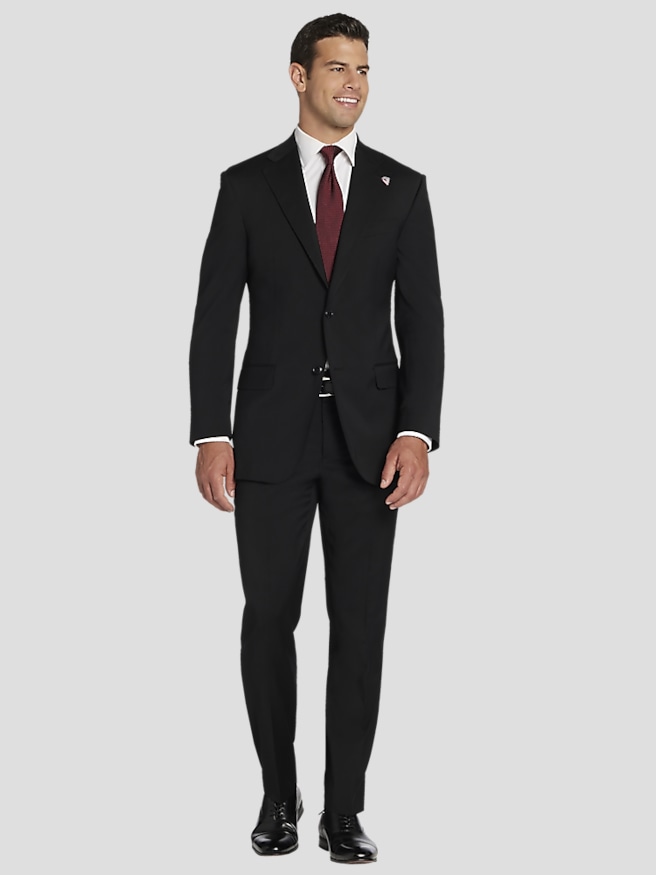
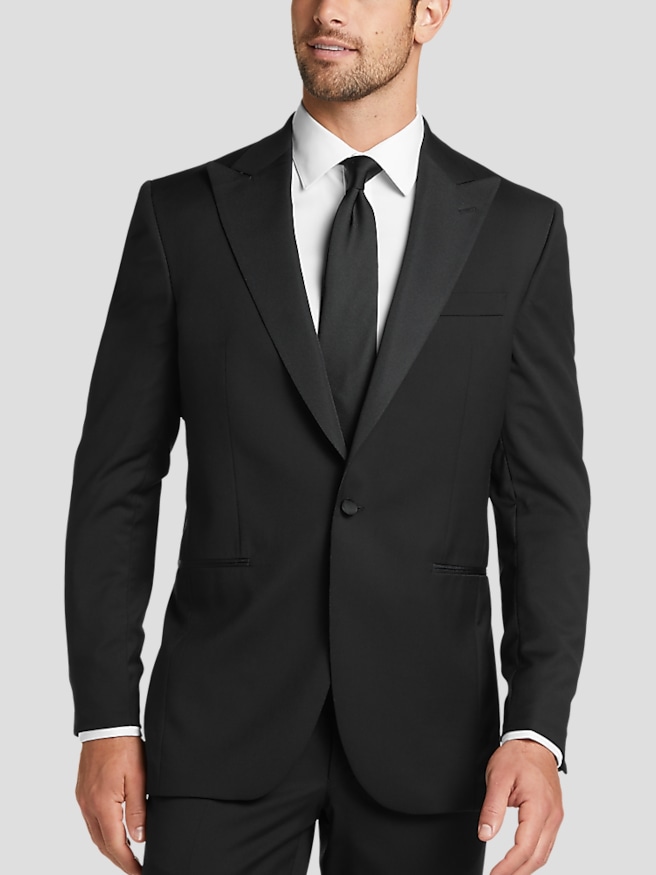
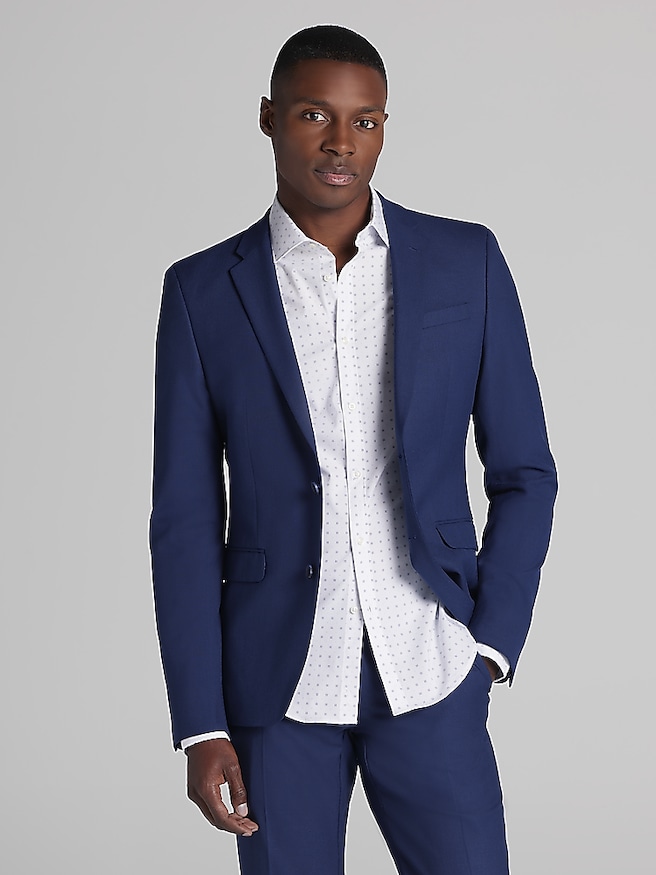
Stylish black jackets give men a versatile foundation for outfits that range from relaxed denim and sneakers to tailored trousers and polished dress shoes. Their appeal comes from more than the color: a clean shoulder line, a well-shaped collar, and the texture of the fabric determine whether a jacket feels understated, rugged, or refined. A black blazer adds definition to a button-down shirt without requiring a full suit, while a bomber creates a more casual silhouette with its shorter length and ribbed edges. A moto-inspired jacket brings sharper lines through its collar, hardware, and panel construction. These distinctions matter when dressing for an office with a flexible dress code, a dinner reservation, a concert, or a weekend gathering. For a restrained combination, black over a white T-shirt and dark jeans keeps the focus on proportion and texture. With gray trousers and a pale blue shirt, the same color takes on a more polished character. An all-black outfit can work equally well when the surfaces have some contrast, such as a softly textured jacket over a smooth knit shirt. Matching every fabric exactly is not necessary, but noticeable differences in fading or undertone can affect how coordinated the outfit looks. Matte finishes tend to feel quieter, while pronounced sheen and bold metal details draw more attention. Pockets, lapels, closures, and stitching also help establish the mood without relying on bright color or large graphics. For occasions that call for a more tailored silhouette, Dressy Black Jackets offer a related direction for dressing with greater polish. A black jacket should still suit the event’s dress code; a casual zip-front design does not serve the same purpose as a dinner jacket, and a black blazer is not automatically a substitute for formal attire. The strongest combinations make those distinctions feel natural rather than forced, with shoes, shirt details, and trouser shape supporting the jacket’s level of formality.
Materials give black jackets much of their personality, influencing how they drape, move, and hold their shape. Wool can create a refined surface and a clean line through the body, with the weave determining whether the finish looks smooth or more textured. Cotton twill has a grounded, casual appearance, while denim brings visible seams and a firmer feel that can soften with wear. Leather offers distinctive grain and structure, though its weight, finish, and flexibility vary considerably. Suede has a soft, low-sheen surface that gives black a particularly rich appearance, but it also requires care suited to its finish. Synthetic fabrics and blends can provide smooth surfaces, lighter construction, or stretch, depending on their composition. No single fiber guarantees comfort or durability; fabric weight, construction, lining, and finishing all play a part. A fully lined jacket may slide more easily over a shirt, while an unlined or partially lined design can feel less structured. Fit deserves the same attention as fabric. Shoulder seams should generally sit near the natural shoulder on a conventional fitted style, without a pronounced overhang or pulling across the upper back. The chest should close comfortably, and the front should hang without strong diagonal strain lines. Reaching forward, sitting down, and bending the elbows can reveal restrictions that are easy to miss while standing still. Trying a jacket over the type of shirt or knitwear intended underneath gives a more useful sense of fit than judging it over a thin undershirt alone. Length should follow the design: a bomber often ends near the waistband, while a tailored blazer typically extends farther over the seat. Sleeves should look balanced with the overall silhouette rather than covering much of the hand. A trim jacket can look sharp without feeling tight, and a relaxed cut can look deliberate when the shoulders, sleeves, and body length remain in proportion. Some sleeve or body adjustments may be possible, but shoulder construction and certain zipper or pocket placements can limit alterations.
The details that make a black jacket enjoyable to wear also influence how well it holds up over time. Neat seams, secure buttons, smoothly operating zippers, and pocket openings that lie flat are useful signs of thoughtful construction. Areas that receive frequent friction, including cuffs, elbows, pocket edges, and the collar, deserve particular attention because wear can become visible against a dark surface. Care should follow the garment’s label rather than a rule based only on color or fiber. Some fabric jackets can be washed as directed, while structured tailoring, leather, and suede often need specialized treatment. Excessive washing or unsuitable cleaning products can affect the finish, shape, or depth of black fabric. A garment brush or fabric-appropriate lint remover can help maintain a clean appearance between cleanings, especially because pale fibers and pet hair stand out against black. Spills are best addressed promptly with a method suited to the material; aggressive rubbing can spread a mark or disturb the surface. Tailored jackets benefit from supportive hangers that preserve the shoulders, while leather should be stored according to its care guidance without being compressed beneath other garments. Letting a jacket air out before putting it away and avoiding overfilled pockets can help preserve its shape. Intended use matters just as much as maintenance. Someone who regularly carries a phone, keys, and a wallet may appreciate secure interior storage, while a cleaner exterior can complement dressier outfits. A man who spends much of the day seated may prefer a cut that stays comfortable at the waist and through the arms. Black jackets can also make thoughtful birthday or graduation gifts when the recipient’s measurements, preferred fit, and usual wardrobe are known. A familiar silhouette is often easier to wear than a dramatic departure from his style. Whether the jacket accompanies dark jeans to a casual dinner or tailored trousers to a celebration, balanced proportions and material suited to the occasion give it a clear place in an everyday wardrobe.