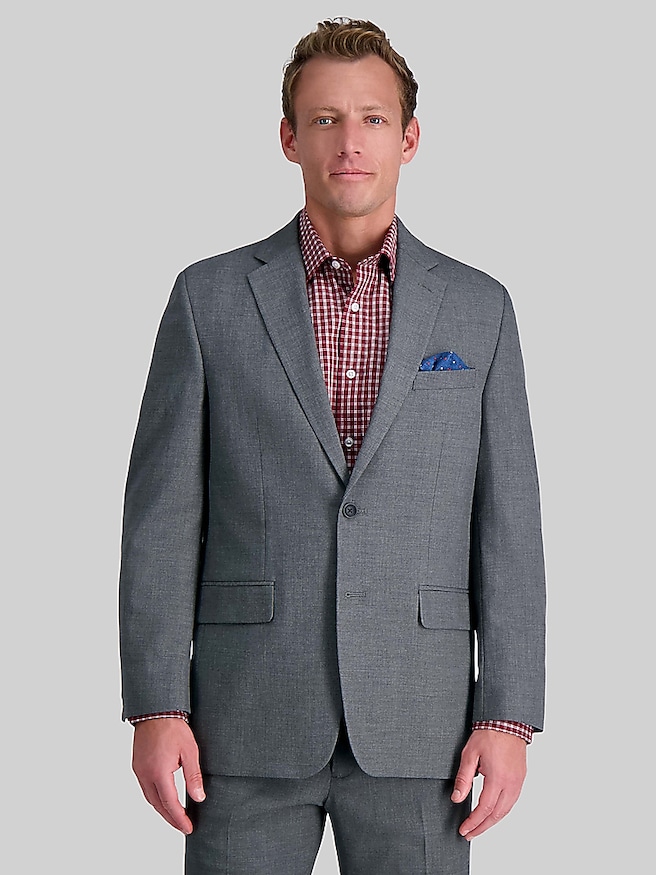
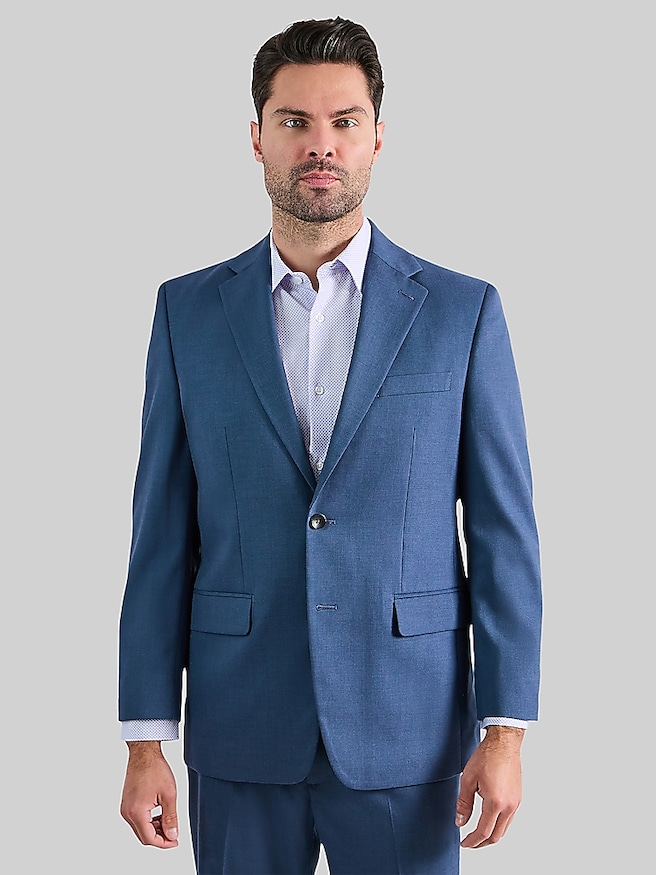
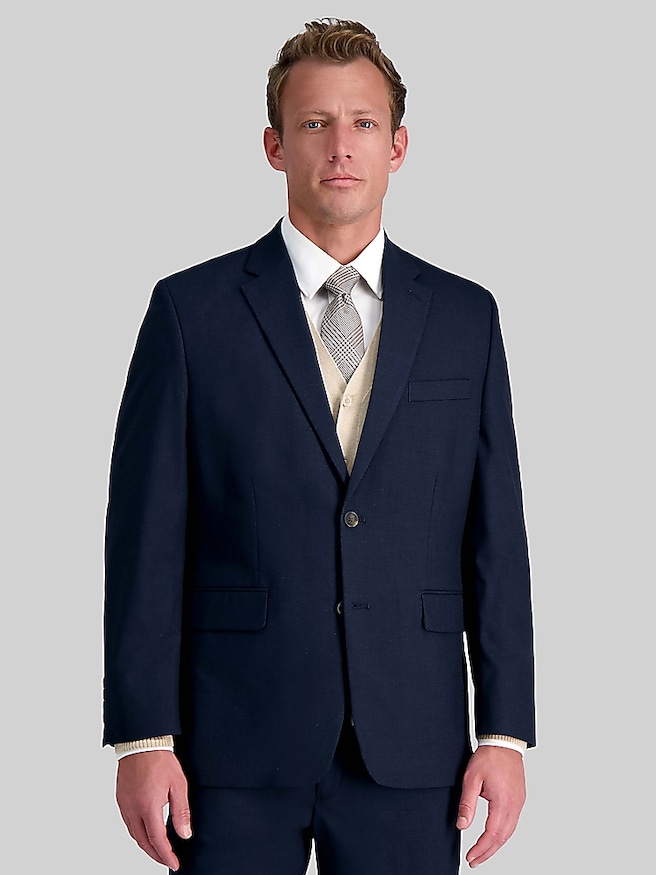
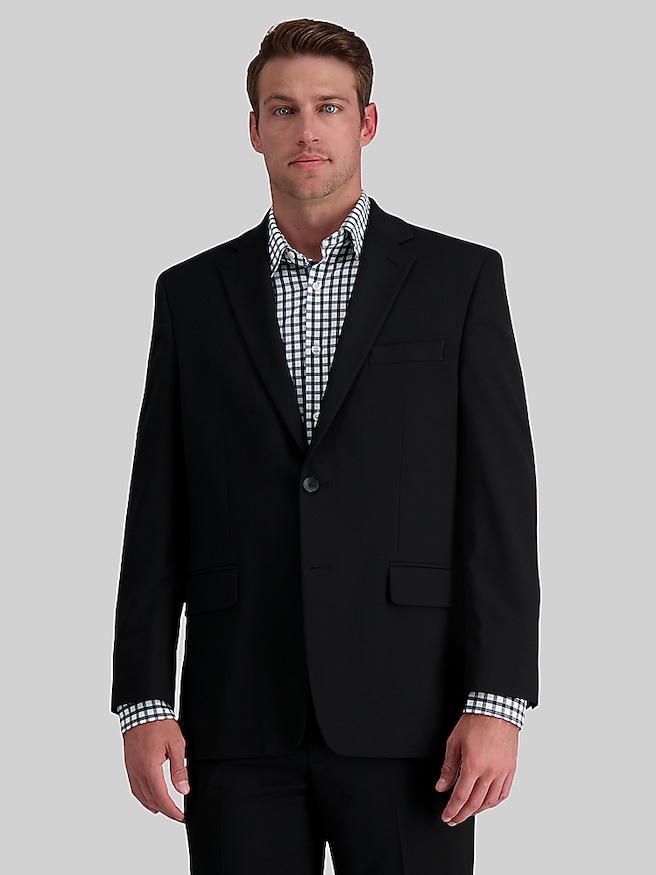
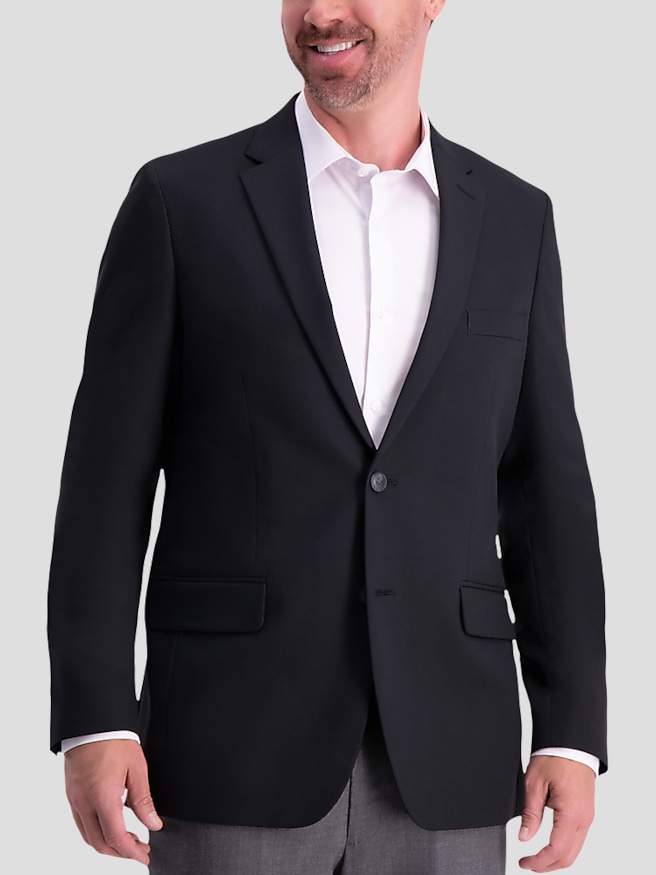
Structured shoulder blazers bring a defined, confident shape to a classic layer, using built-in padding, carefully set sleeve heads, and a clean shoulder line to create a crisp silhouette. Unlike softer, unstructured jackets that drape close to the body, this style is designed to hold its form, making it a dependable choice when you want an outfit to look polished from the moment you walk through the door. The stronger shoulder can visually balance the frame, while a tailored waist keeps the overall shape from feeling boxy. Look for details that support the effect without making the jacket uncomfortable, including a smooth lining, comfortable arm movement, sleeves that reach the wrist, and a hem that covers the seat without pulling when you sit. A single-breasted front is often an adaptable choice for work and dress-casual settings, while a double-breasted design creates a more pronounced, architectural appearance. Notched lapels tend to feel versatile and familiar, whereas peak lapels add a sharper, more formal accent. The fabric also plays an important role in how the blazer wears. Wool and wool blends have natural body and a refined texture that work well during cooler months, while durable woven blends can offer easy care and dependable shape retention for frequent wear. A heavier fabric generally supports a more structured line, but it should still feel comfortable across the shoulders and chest. When trying on a structured shoulder blazer, fasten the front and check that the lapels lie flat, the collar rests neatly against the back of the neck, and the shoulder seam ends close to the natural edge of the shoulder. The jacket should follow your shape without restricting a full reach or causing strain across the buttons. A proper fit is especially important with this silhouette because excess fabric can obscure its clean lines, while a jacket that is too narrow may make the shoulders appear overly rigid.
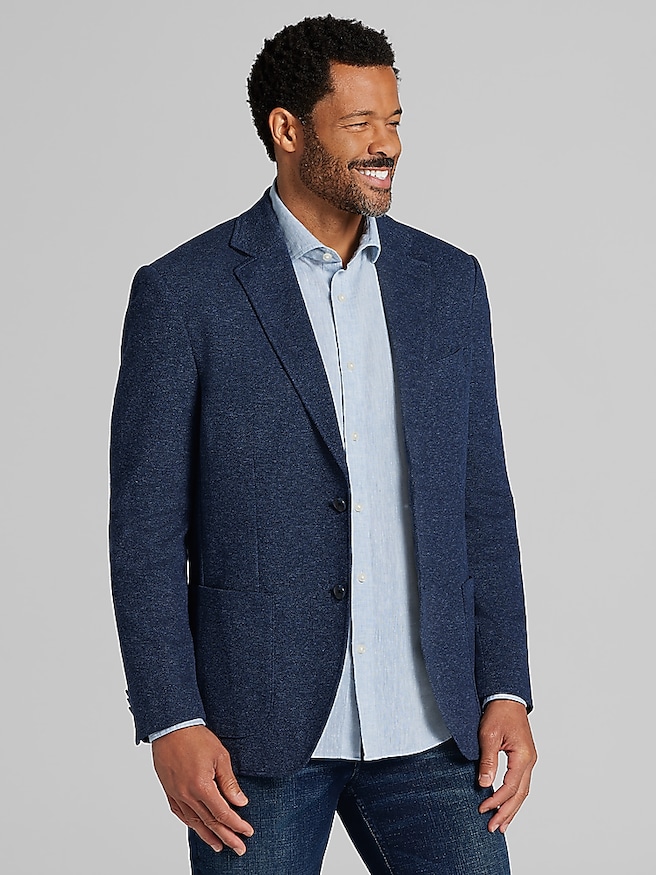
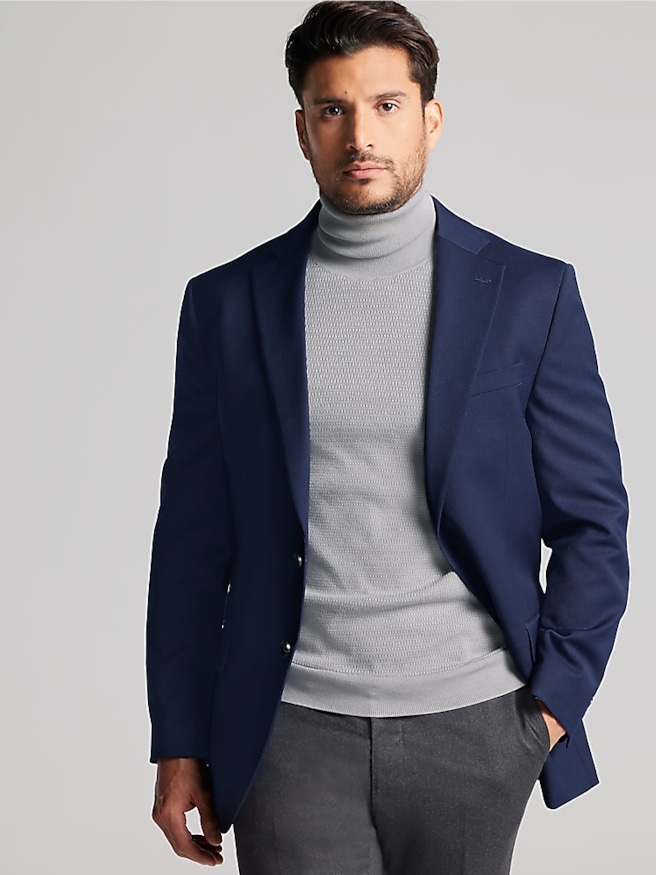
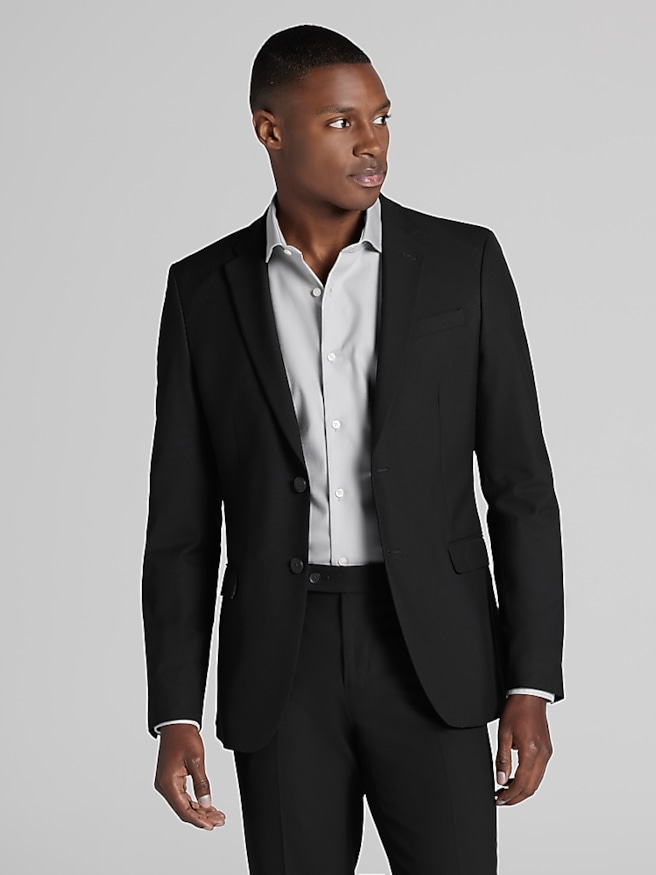
These blazers can move easily between professional, formal, and relaxed settings depending on the pieces worn with them. For an office-ready suit, pair one with coordinating trousers in a matching or complementary fabric, a pressed dress shirt, and polished leather shoes. Matching the texture and depth of color across the jacket and trousers creates a composed appearance, while a subtle shirt pattern or understated tie can add personality without competing with the strong shoulder line. For presentations, interviews, ceremonies, and evening gatherings, sharper tailoring and refined accessories help the blazer feel intentional; a pocket square, leather belt, and clean dress shoes can complete the look without excessive detail. Structured tailoring can also be dressed down. Wear the blazer over a fine-gauge knit, polo, or simple T-shirt with dark denim or tailored chinos for a balanced contrast between form and ease. Clean loafers, minimalist sneakers, or casual lace-up shoes can shift the mood, while darker trousers and a tucked-in shirt preserve a more refined finish. During the cooler months, the defined shape layers naturally over lightweight sweaters, provided the knit is slim enough to avoid bunching beneath the sleeves and across the back. Color is another useful way to determine versatility. Navy, charcoal, black, and medium gray work across business, travel, dinners, and special events, while earth tones and subtle checks can bring a more relaxed seasonal character. Consider the existing wardrobe before choosing a new blazer: a jacket that complements several shirts, trousers, and shoes will earn more wear than a statement color that only works for one occasion. Structured shoulder blazers may also be a thoughtful gift for someone beginning a new job, building a professional wardrobe, attending a wedding, or looking for a reliable layer for dinners and events. For gifting, focus on flexible colors, comfortable construction, and sizing information, and leave room for tailoring if the recipient prefers a precise fit. A small alteration to the sleeve length or waist can make an already well-made blazer look distinctly personal. Additional inspiration for refined, versatile layering can be found in Stylish Blazers.
The most successful way to wear a structured shoulder blazer is to let its shape provide the definition while keeping the rest of the outfit considered and comfortable. Because the shoulders create a clear horizontal line, trousers with a clean break or a gently tapered leg can help maintain proportion from top to bottom. A shirt collar that sits neatly beneath the lapels reinforces the tailored effect, while open-neck styling gives the jacket a more relaxed presence. Pay attention to length and balance when combining layers: a thin undershirt or knit keeps the front smooth, and outerwear should have enough room to pass over the blazer without crushing the shoulders. Care matters as well. Hang the jacket on a broad, supportive hanger after wearing it, allow it to air out before returning it to the closet, and use professional cleaning when the care label recommends it. Brushing away surface lint and rotating the blazer with other jackets can help preserve the fabric and shoulder shape. Avoid overfilling the pockets, since weight can distort the front and interrupt the clean line that makes this style distinctive. With thoughtful fit and care, a structured shoulder blazer can serve as a dependable foundation for many parts of a wardrobe: a sharp layer over office separates, a confident finish for formal trousers, or an unexpectedly polished touch with jeans. It offers the visual presence of traditional tailoring while remaining flexible enough for changing plans, cooler days, and occasions that call for a little more structure.