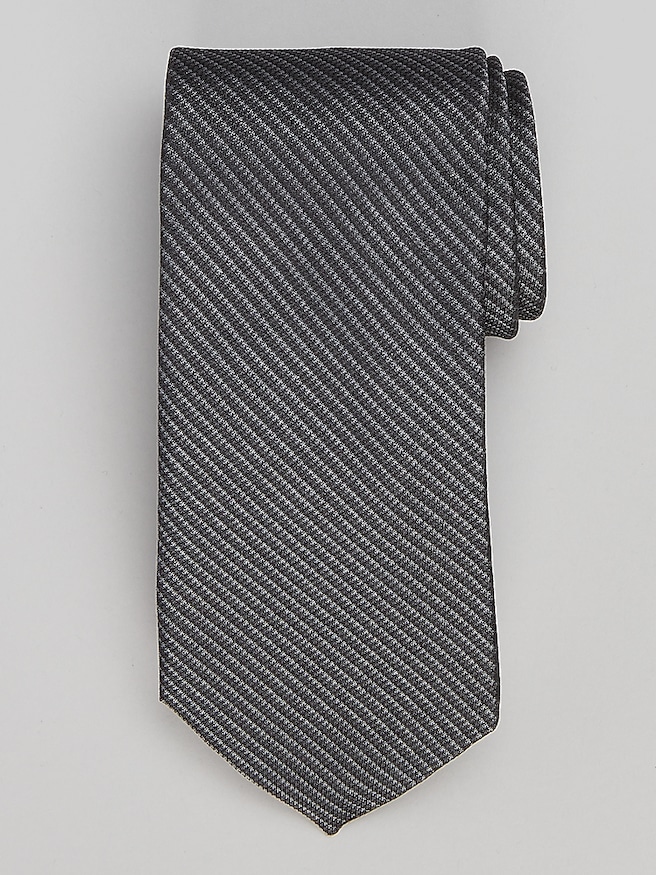
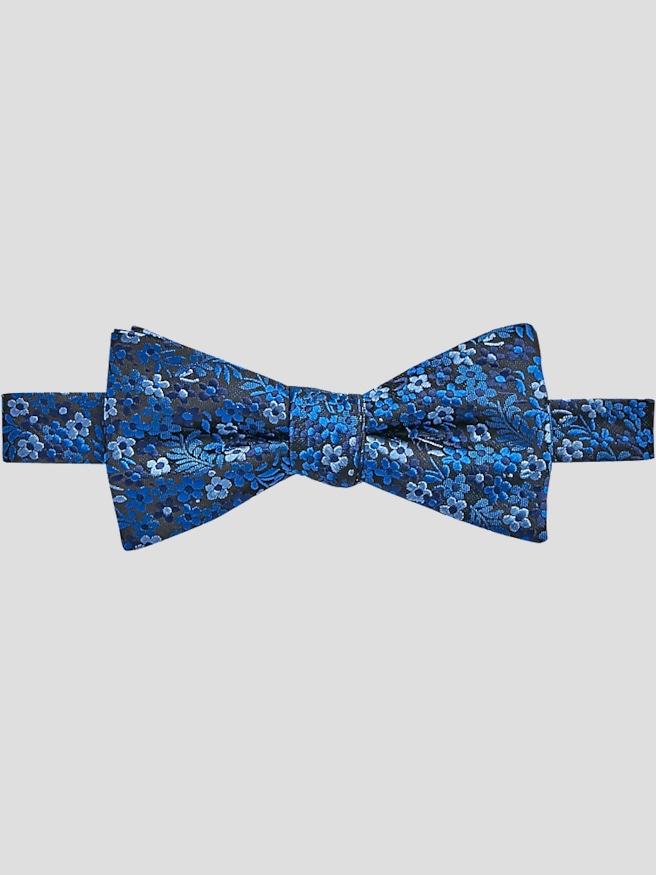
Striped formal bow ties bring a measured touch of pattern to dress shirts, suits, and tuxedos, with parallel lines that can look understated or expressive depending on their width, color, and contrast. Narrow, closely spaced stripes tend to blend into a subtle texture from across a room, while broader bands make the bow a more noticeable part of an outfit. Diagonal stripes create movement across the wings; horizontal or vertical lines give the shape a more graphic appearance. For a wedding reception, prom, awards dinner, or evening celebration, that distinction can help set the tone without adding another accessory. A dark bow with tonal stripes keeps the effect restrained, especially when the pattern becomes visible only as the fabric catches the light. Brighter contrasting stripes bring more personality and generally suit occasions where the dress code allows individual expression. Material matters as much as color. Silk can offer a fluid drape and a soft luster, while polyester can provide a crisp shape and consistent color; the final appearance depends on the weave and finish as well as the fiber. Satin describes a weave rather than a specific material, so a satin bow tie may be made from silk or a synthetic fiber. Its smooth surface reflects light more readily than a matte finish. Jacquard construction can create stripes within the weave, adding depth that looks distinct from a printed stripe on a smooth ground. Neither approach is automatically more formal: the scale of the pattern, the contrast between colors, and the surrounding clothing all contribute to the result. Against a white dress shirt, a fine tonal stripe can supply just enough detail to keep a dark outfit from looking flat. With a more colorful suit, a quieter stripe gives the eye somewhere to settle. The most useful choice is one whose pattern remains clear at conversational distance without competing with every other part of the outfit.
Fit determines whether a striped bow tie looks composed and feels comfortable through dinner, photographs, and time on the dance floor. Self-tie styles allow the wearer to form the knot and adjust the wings, producing the slight asymmetry often associated with a traditionally tied bow. Pre-tied styles hold an established shape and typically use an adjustable neckband, making them practical for someone who prefers a consistent result or needs to get dressed quickly before an event. With either construction, the stated neck-size range deserves attention, particularly when the dress shirt will be buttoned all the way to the top. The band should sit securely beneath the collar without pulling it inward or making the shirt feel tighter. Bow width also changes the impression: a compact shape keeps the pattern contained, while a fuller butterfly shape gives broad stripes more room to show. The bow should look balanced with the face, shirt collar, and jacket lapels rather than appearing oversized or disappearing beneath the chin. A turn-down collar usually conceals the neckband, whereas a wing collar can leave more of it visible, making the band's finish and placement more noticeable. Pattern placement matters, too. Stripes may meet at different angles around a self-tied knot, creating small variations that are part of its character. Coordinating the rest of the outfit is often simpler when one color in the bow repeats a tone from the suit or jacket. A navy-and-silver combination, for example, can connect naturally with a navy suit and a white shirt without requiring every accessory to match. A plain pocket square lets the stripes stand out; a second strong pattern needs more separation in scale to avoid looking crowded. Dress-code wording remains important. Traditional black tie generally calls for a solid black bow tie, while creative black tie or a host-approved formal look may leave room for stripes. The invitation and the host's expectations should take priority over the desire to introduce a pattern.
Construction and care influence how well a striped formal bow tie holds its shape over repeated wear. Even stitching, neatly finished edges, and a secure adjustment mechanism contribute to a tidy appearance, while well-supported wings help the bow retain definition without feeling rigid. On a self-tie style, the fabric should move through the knot without excessive bulk; on a pre-tied style, the center wrap should sit securely and keep the wings aligned. Stripes make twisting or uneven folding easier to notice, so a quick check in a mirror after fastening can prevent a distracting slant. For long-term care, follow the attached care label rather than assuming all silk or polyester accessories tolerate the same treatment. Some constructions require professional cleaning, and interlinings or fastenings can affect the recommended method. Avoid rubbing a spill into the fabric, which can spread the mark or disturb the surface, and do not apply direct heat without checking the care instructions. After wearing a self-tie bow, gently undo the knot instead of pulling forcefully on the ends. Store it untied and flat or loosely draped, away from sharp hardware that could catch the weave. Pre-tied bows benefit from enough space to keep their wings from being crushed beneath other accessories. These small habits help preserve the crisp outline that makes striped neckwear distinctive. As a gift, a striped bow tie can suit a graduate preparing for formal celebrations, a frequent wedding guest, or someone who enjoys adding character to tailored clothing. An adjustable style can make sizing more forgiving, although the recipient's neck measurement and preferred construction still matter. For someone drawn to structured designs, stripes offer a clear-lined alternative to the dots and other motifs associated with Patterned Bow Ties. Whether chosen for one important evening or repeated occasions, a well-proportioned stripe works best when its material, shape, and level of contrast feel at home with the outfit.