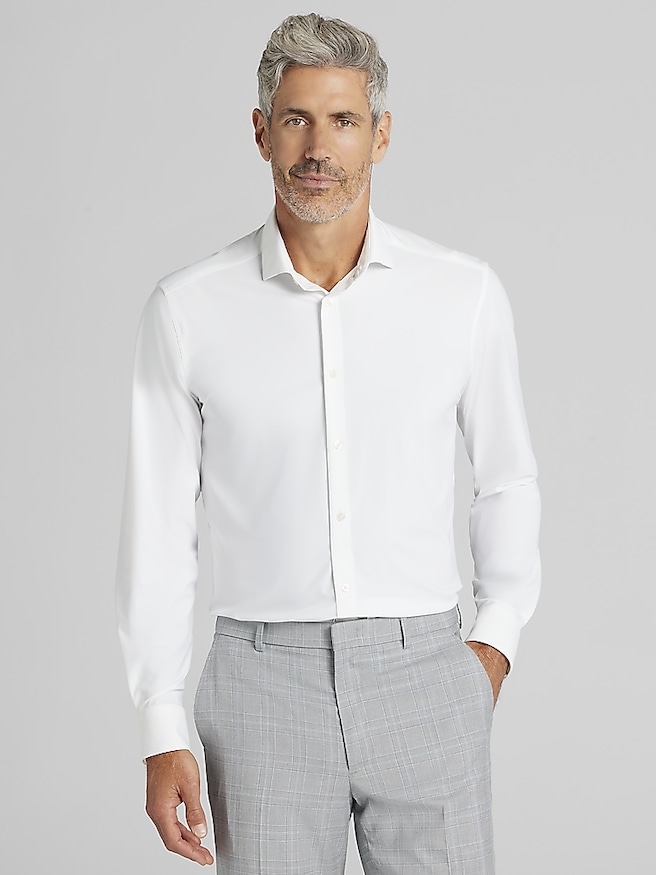
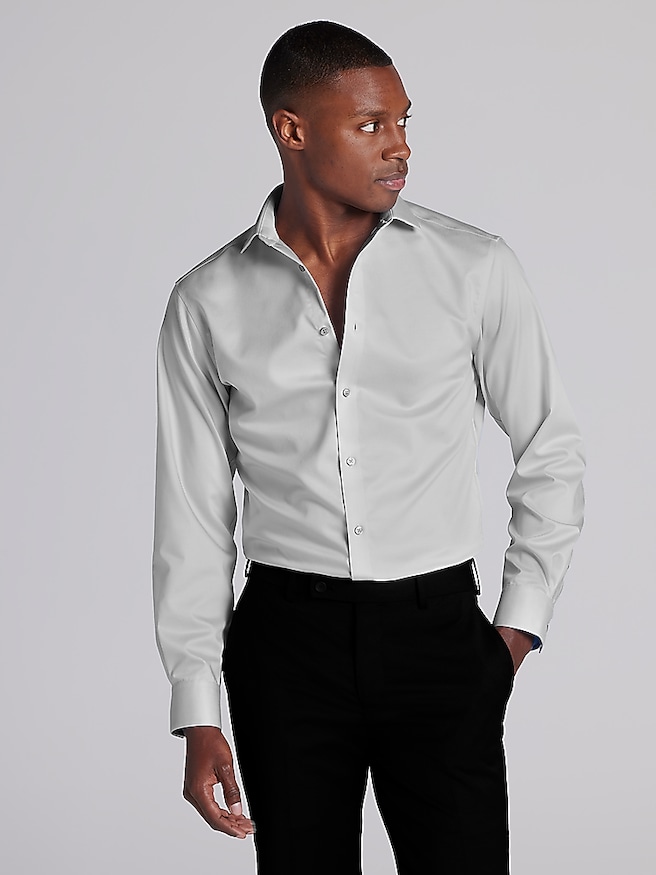
Stretchable shirts combine the familiar look of a button-front shirt with fabric that gives as the body moves. That flexibility can make a noticeable difference when reaching for a briefcase, sitting through a meeting, or lifting a carry-on into an overhead compartment. Rather than relying on extra fabric alone for comfort, stretch shirts use elastic fibers, a flexible knit structure, or a specially engineered weave to allow movement. Many stretch fabrics blend cotton, polyester, or nylon with a small amount of elastane, also called spandex. Cotton contributes softness and an absorbent feel, while polyester and nylon can contribute strength, shape retention, and faster drying, depending on the fabric construction. Elastane adds elasticity and helps the material recover after stretching. Some fabrics achieve a degree of stretch through yarn treatment or construction without added elastic fibers, so the fiber label tells only part of the story. Two-way stretch generally provides give along one axis, while four-way stretch typically extends both across and along the fabric; terminology can vary, making the stated fabric details important. More stretch is not automatically better. A shirt that stretches readily but does not recover well may lose its clean outline, while balanced stretch and recovery can help it maintain its shape through repeated movement. Woven stretch dress shirts often have a crisp surface suited to tailoring, whereas knit constructions tend to drape more softly and feel closer to a polo or T-shirt. Fabric weight, texture, and opacity matter alongside elasticity: a smooth, substantial fabric may look more structured, while a lighter construction may feel less restrictive beneath a jacket. Stretch alone does not establish that a shirt is moisture-wicking, wrinkle-resistant, or easy-care. Those are separate characteristics to check in the fabric description and care information. The most useful combination depends on whether the shirt will spend its day under a suit jacket, at a desk, or paired casually with jeans.
Fit gives stretchable shirts their finished appearance, and flexibility should complement the cut rather than compensate for a size that is too small. Shoulder seams on a traditionally constructed shirt should sit close to the shoulder edges, with enough room across the upper back to reach forward without strain. The front placket should lie flat when standing and sitting; gaps between buttons or horizontal pull lines across the chest suggest that more room is needed. A slim fit follows the torso closely, while a classic or more relaxed fit leaves additional space through the chest and waist. Neither requires a tight feel to look neat. For a fuller chest, broader shoulders, or a larger upper arm, room in those areas is especially important because a shirt can stretch across the body yet still restrict movement at the armhole. Sleeves should allow the elbows to bend comfortably, and cuffs should close without pinching the wrist or catching uncomfortably on a watch. When worn with a tie, the collar needs to button comfortably without pressing into the neck. A stretch body fabric does not necessarily mean that the collar, cuffs, or seams will stretch equally. Length also changes how a shirt functions. A longer hem helps a tucked shirt stay anchored when reaching or sitting, while a shorter hem designed for untucked wear gives casual outfits more balanced proportions. For office routines that involve both desk time and frequent movement, Stretch Work Shirts bring this focus on flexibility into workplace dressing. A smooth shirt with a structured collar pairs naturally with dress pants and a blazer, while an understated texture or small-scale pattern can work with chinos when a tie is unnecessary. Under a fitted jacket, fabric should settle smoothly at the waist and upper arms rather than bunch into folds. Trying the shirt while seated, with arms extended forward, offers a more useful sense of comfort than checking the mirror alone. A well-chosen fit looks composed in stillness and leaves room for the ordinary movements that fill a day.
Care and construction influence how well a stretch shirt holds its shape over time. Always follow the garment’s care label, since cotton-rich blends, synthetic fabrics, and specialty finishes may require different treatment. When machine washing is permitted, cool water and an appropriate gentle cycle can help limit unnecessary stress on the fabric. Avoid excessive dryer heat, which can weaken elastic fibers and contribute to shrinkage or distortion in some blends. Air drying on a suitable hanger or using low heat, when the label allows it, is generally a gentler approach than prolonged high-heat drying. Remove the shirt promptly and smooth the collar, placket, and sleeves to reduce set-in wrinkles. If pressing is needed, use the recommended iron setting rather than assuming the shirt can tolerate the heat used for plain cotton. Chlorine bleach and fabric softener may be unsuitable for certain stretch materials or finishes, so care directions should guide their use. Durability also depends on details beyond fiber content. Even stitching, secure buttons, and neatly finished seams help a shirt withstand repeated wear, while good fabric recovery helps elbows and other frequently stretched areas retain their original outline. Pilling can occur where fabric rubs against jacket linings, bag straps, or desk edges; its likelihood depends on yarn quality, construction, friction, and laundering, not simply whether the shirt contains synthetic fibers. Rotating shirts between wears and addressing small repairs early can help keep them looking presentable. For travel, a flexible shirt can ease long periods of sitting, but crease resistance and drying speed should be evaluated separately. For presentations, celebrations, and dinners, a refined collar and suitable fit keep comfort from looking overly casual. Stretchable shirts can also make practical gifts for graduates beginning office jobs, frequent travelers, or anyone who prefers a tailored appearance without a rigid feel. Knowing the recipient’s neck size, sleeve length, usual fit, and laundering preferences makes the choice more personal and useful. The lasting value is in a shirt that suits its wearer’s routine: comfortable through a full day, compatible with familiar pants and jackets, and manageable to care for between wears.