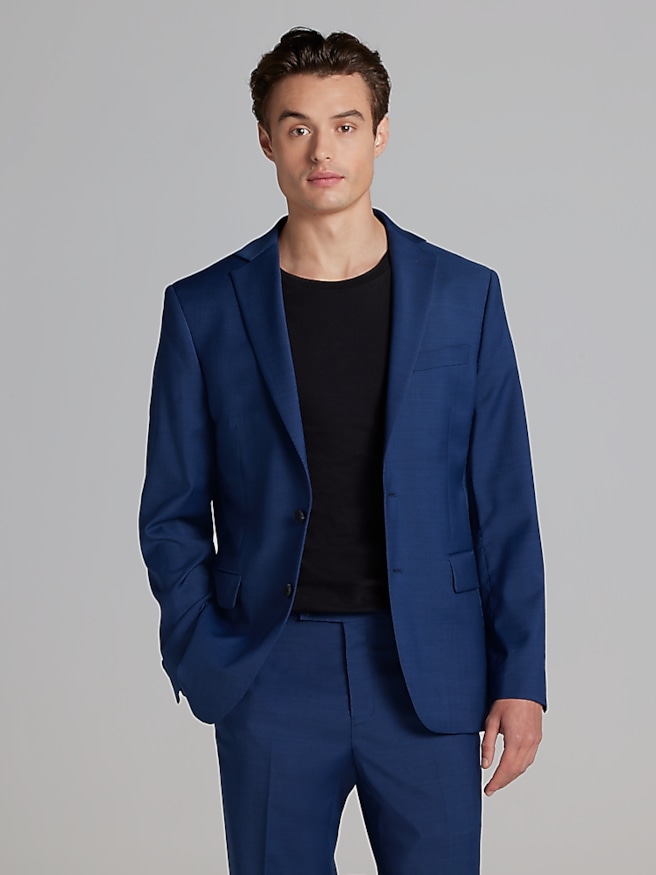
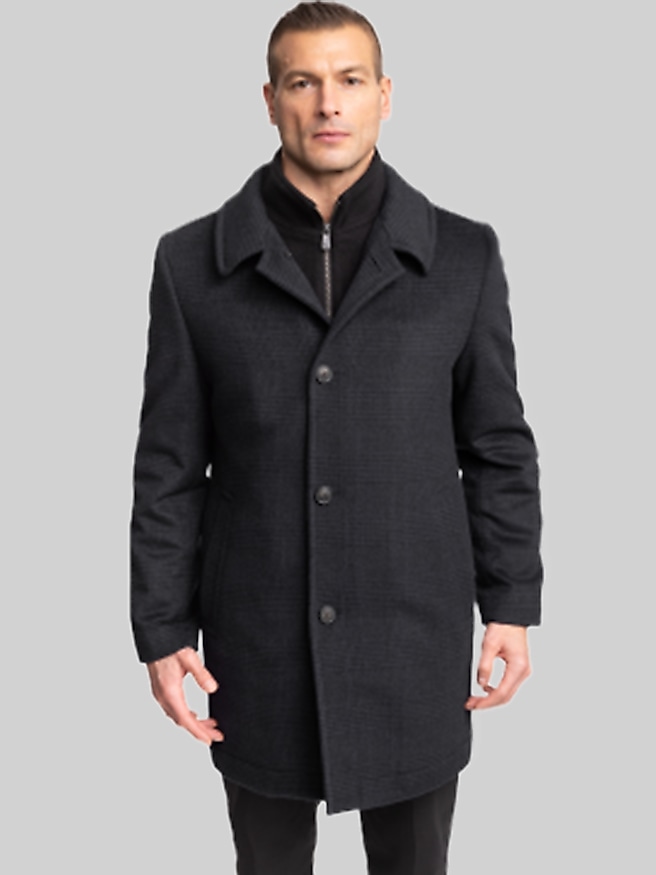
Statement jackets are outer layers that become the focal point of an outfit through distinctive color, expressive pattern, rich texture, or an unusual silhouette. In tailored menswear, that statement might come from a jewel-toned blazer, a patterned sport coat, or a dinner jacket with a subtle sheen. The effect does not have to be loud: a deep burgundy fabric can be just as memorable as an oversized plaid when the surrounding pieces are restrained. What sets these jackets apart is the way one prominent detail gives an otherwise familiar outfit a clear point of view. Material plays a large role in that impression. Velvet has a directional pile that catches light differently as the wearer moves, creating depth even in a solid color. Jacquard fabrics incorporate their patterns into the weave, adding dimension that differs from a flat printed design. Wool and wool-blend fabrics can provide a fluid drape and a defined tailored shape, while textured weaves introduce visual interest without relying on bright shades. Smooth fabrics tend to emphasize the jacket’s cut; nubby or raised surfaces make the fabric itself more noticeable. A little stretch may add flexibility, although the amount of give depends on the full fabric composition and construction. Fiber content alone does not determine how a jacket will feel or hold up. Fabric weight, weave, lining, and finishing all contribute to its character. For frequent wear, tightly secured buttons, neatly finished seams, and a fabric surface suited to regular handling matter as much as appearance. More elaborate details, including decorative stitching or embellishment, may need gentler handling. The right balance is personal: some wearers want a jacket that makes an entrance at a celebration, while others prefer a distinctive texture that feels natural at dinner or in a creative workplace.
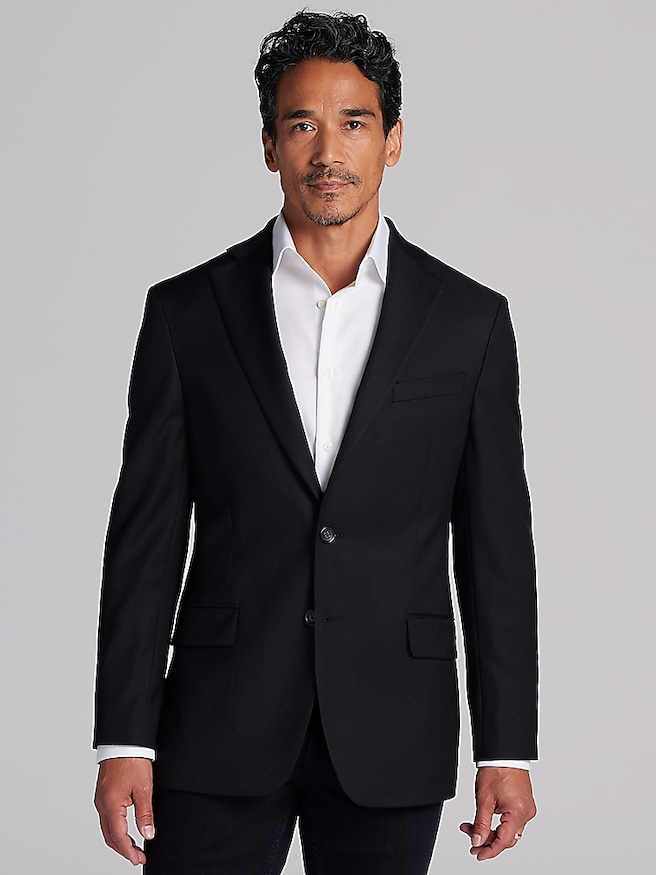
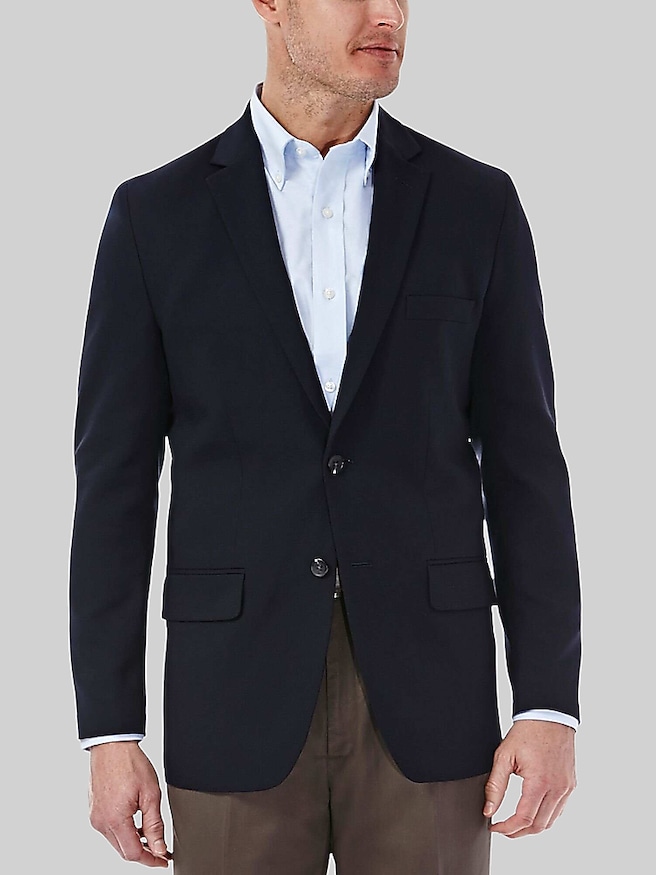
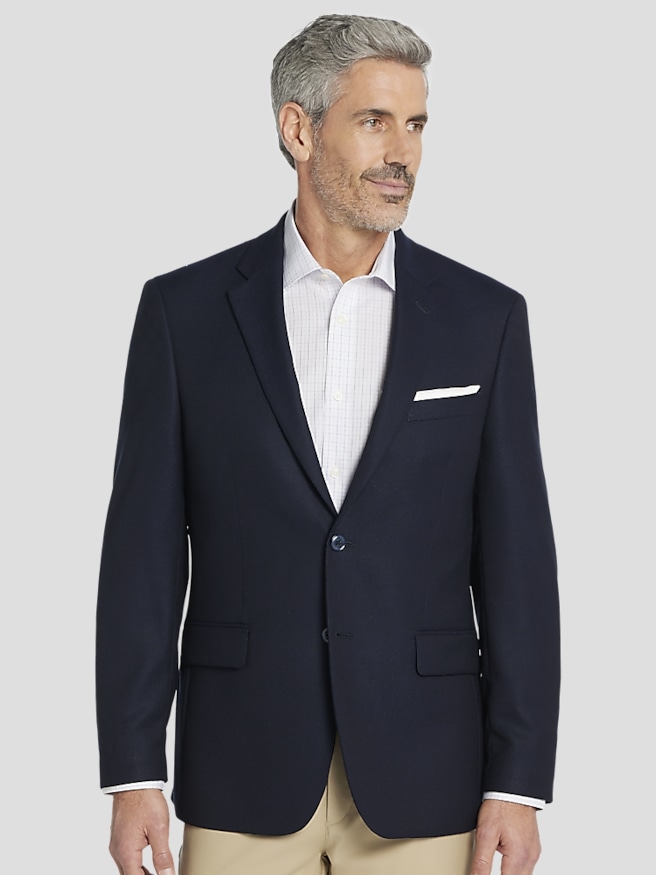
Fit gives a statement jacket its foundation, particularly when the fabric already draws attention. A bold pattern looks more intentional when the shoulder line sits cleanly and the collar rests close to the back of the neck rather than pulling away. Across the chest, the jacket should follow the body without pronounced strain at the button or excess fabric collapsing near the armholes. Slim, tailored, and more relaxed cuts can all work; the important distinction is between deliberate shape and a fit that restricts movement or loses its outline. A wearer who spends much of an event seated needs room through the upper back and arms, not just a flattering view while standing still. Reaching forward, bending the elbows, and sitting down reveal how the jacket behaves over the shirt or knitwear intended underneath. Sleeve length also affects the overall impression. With a dress shirt, a small amount of visible cuff can create a crisp finish, while sleeves that cover too much of the hand can make an otherwise sharp jacket appear oversized. Jacket length influences proportion as well: a shorter body reads differently from a traditional length, especially alongside high-rise or wide-leg trousers. Lapels, pockets, and buttons add another layer of visual balance. Broad lapels reinforce a dramatic look, while cleaner details let an intricate fabric take the lead. For a sharper outline, structured jackets emphasize defined shoulders and a shaped silhouette, features that can support an expressive fabric without competing with it. Lining and internal construction matter, too. A smooth lining helps the jacket move over clothing, and the amount of structure affects whether the result feels crisp or easygoing. Alterations can refine sleeve length and the waist, but a sound fit through the shoulders and chest is the most useful starting point.
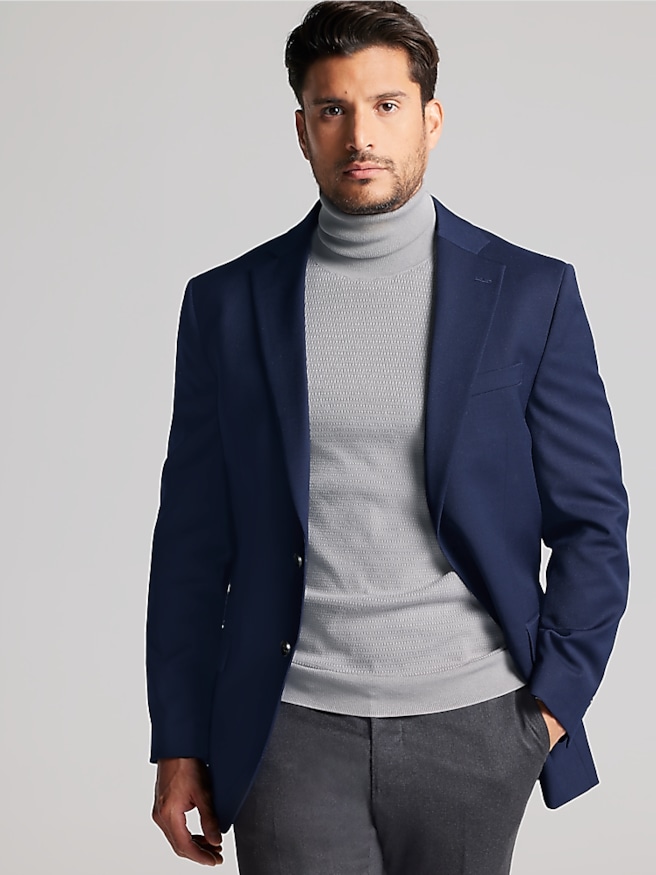
A statement jacket is especially useful when an occasion calls for more personality than a standard outfit but still benefits from a polished finish. Wedding receptions, anniversary dinners, theater visits, cocktail parties, and celebratory evenings each offer room for distinctive tailoring, provided the jacket suits the invitation and setting. A dark patterned jacket with plain trousers can feel festive without turning every element into a competing feature. A textured blazer over a fine-gauge knit creates a less formal combination, while a crisp shirt brings more definition to the neckline. Dark denim can work in relaxed settings when its clean finish matches the character of the jacket. Color relationships help keep these combinations coherent: picking up one quiet shade from a pattern in the trousers or shirt ties the outfit together without requiring an exact match. Accessories can remain restrained when the jacket already has shine, strong contrast, or elaborate texture. For someone who enjoys dressing for special occasions, a statement jacket can also be a thoughtful gift, especially when the recipient’s measurements, preferred fit, and typical dress codes are familiar. A recurring favorite color or a preference for understated texture often says more about likely wear than a dramatic design chosen for novelty alone. Care is part of keeping that distinctive appearance intact. The sewn-in care label is the authority, since velvet, woven patterns, trims, and mixed-fiber fabrics may require different treatment. Some jackets need professional cleaning, and direct ironing or aggressive brushing can damage certain surfaces. A broad, shaped hanger helps support the shoulders between wears; leaving space around the jacket reduces crushing and friction against decorative details. Empty pockets before storage so heavy objects do not distort their shape, and address loose buttons or small seam issues before they become larger repairs. With suitable care and a fit that feels comfortable in motion, an expressive jacket can become a familiar part of occasion dressing rather than a piece worn once for its novelty.