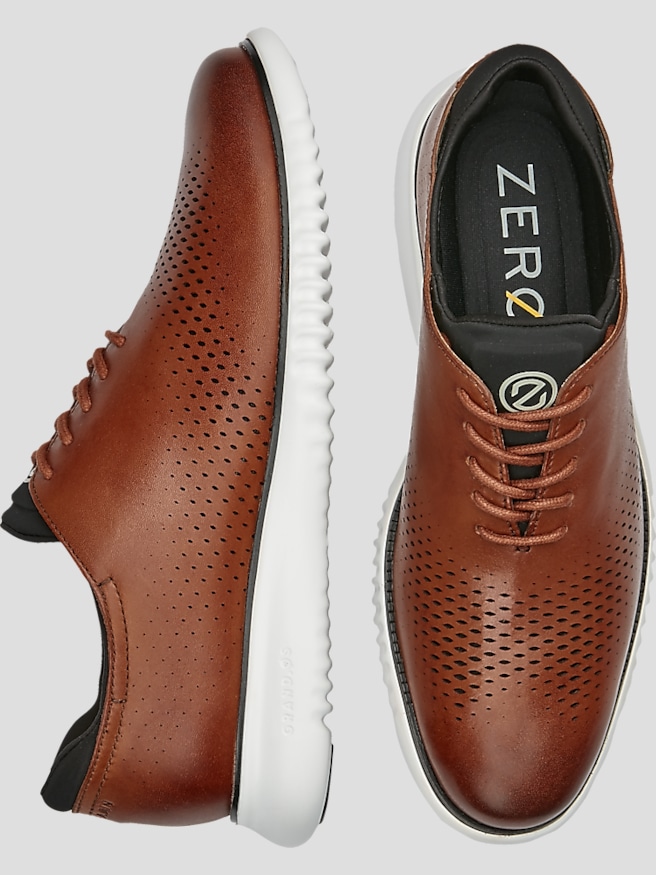
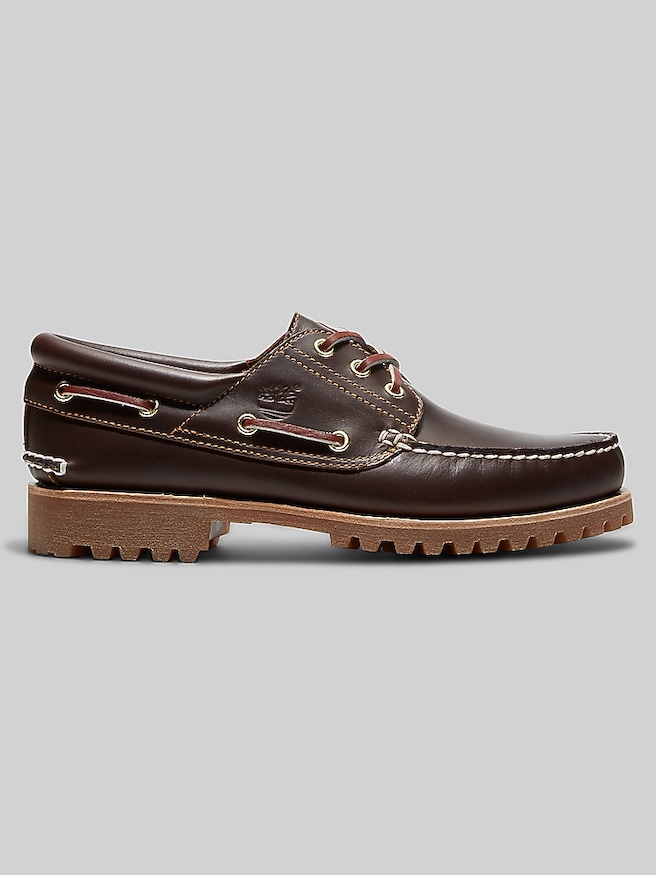
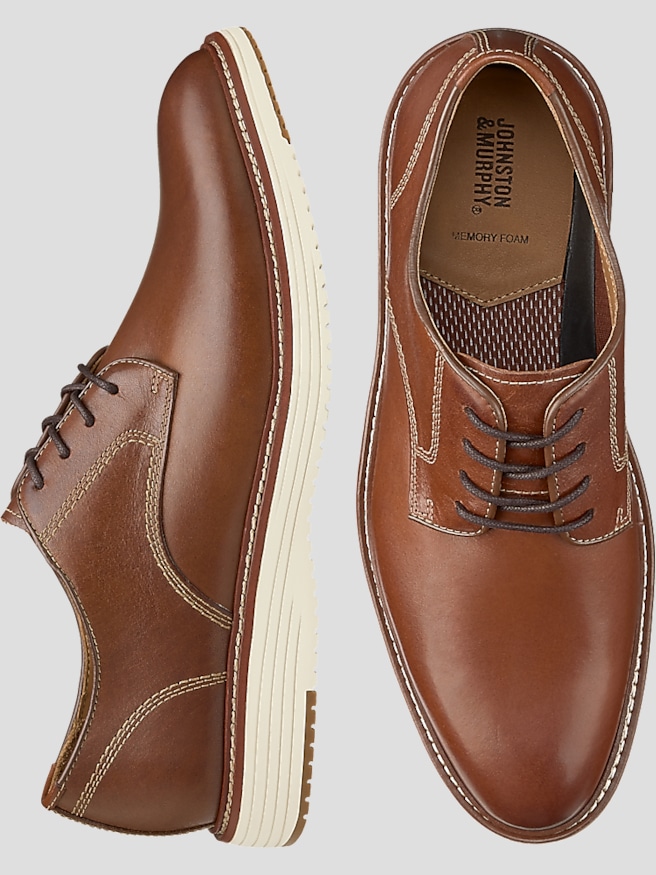
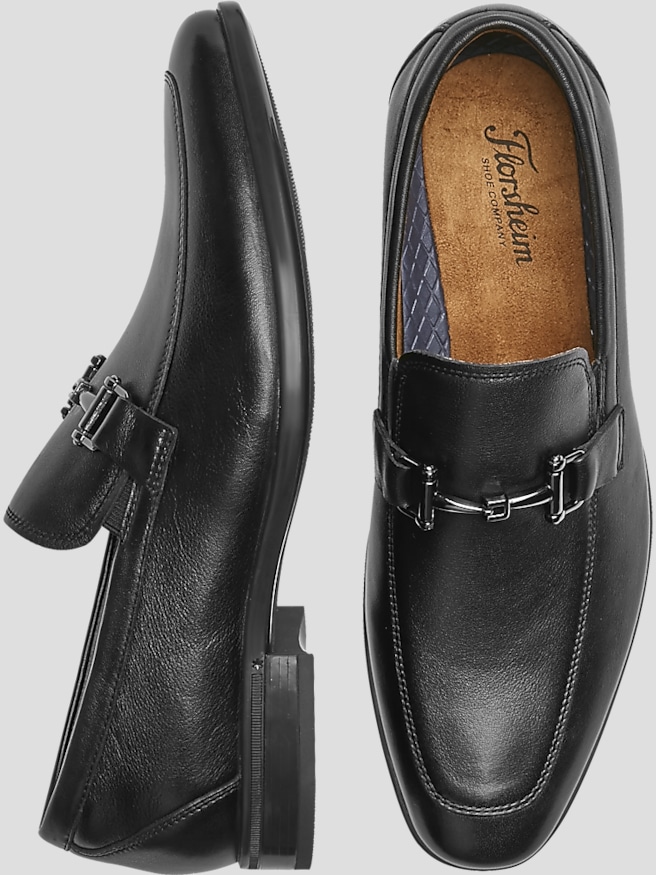
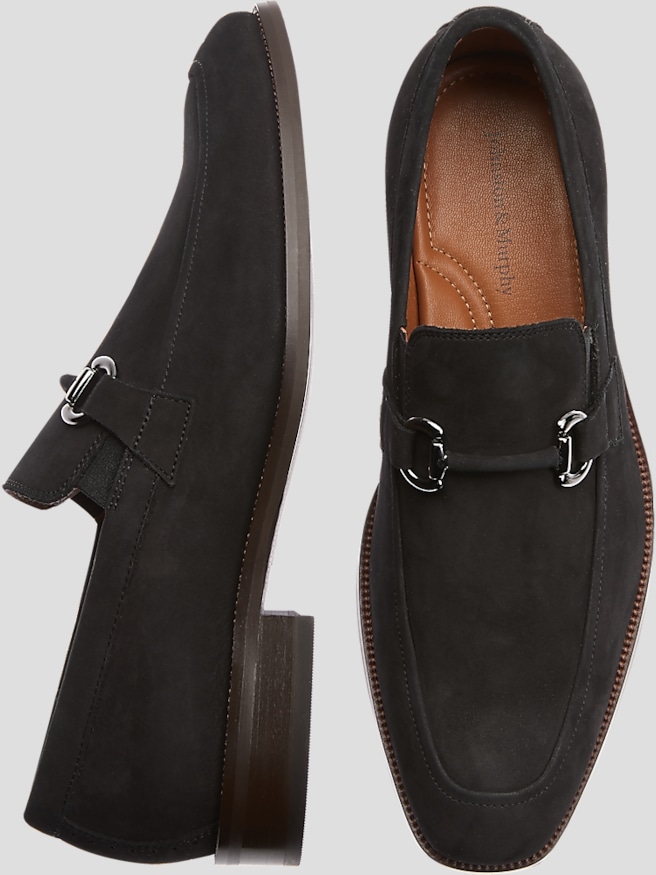
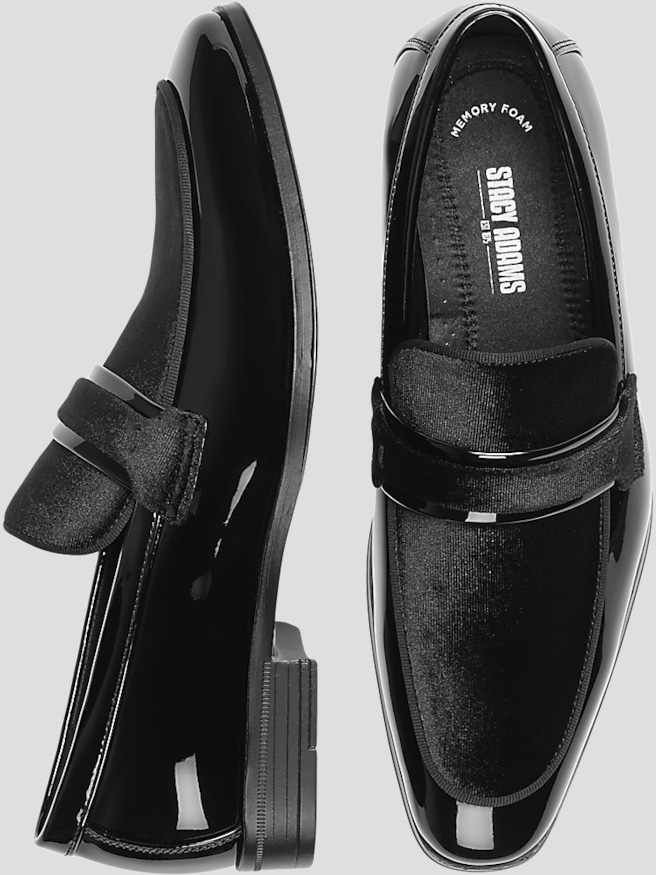
Spring loafers bring the polish of a dress shoe to a slip-on shape that feels equally at home with tailored trousers and a relaxed pair of chinos. For men building a spring wardrobe, their appeal lies in that middle ground: more structured than sneakers, less formal than many lace-up dress shoes, and easy to work into outfits for the office, dinner, or a weekend gathering. The defining features are a low profile, an open ankle, and a laceless upper, though the details can change the character considerably. A penny loafer has a slotted strap across the instep and a clean, familiar look; tassels add movement and a slightly dressier touch; metal hardware creates a distinct focal point. A streamlined toe and restrained sole tend to complement tailored clothing, while a rounder shape and more substantial outsole sit comfortably beneath denim or fuller-cut pants. Smooth leather offers a crisp finish alongside a cotton blazer, while suede introduces a soft, matte texture that works particularly well with linen blends and lightly textured trousers. Brown, tan, navy, and black each bring something useful to a spring rotation. Tan creates a lighter contrast against stone chinos, dark brown anchors blue trousers, and black keeps an outfit sharp and understated. Spring loafers also make sense for graduation celebrations, daytime receptions, and outdoor dinners where the dress code leaves room for polished separates. For a wedding, the invitation and venue matter more than the season alone; loafers can suit a relaxed celebration, but they are not a universal substitute for formal footwear. Their versatility makes them a thoughtful gift for a graduate starting an office job or someone who enjoys dressing well without elaborate styling. Knowing the recipient’s size, preferred width, and usual wardrobe helps make that choice more personal, especially when a familiar silhouette is more useful than a dramatic departure from what they already wear.
Materials and construction influence how spring loafers feel over a full day, not just how they look in a mirror. Smooth leather can soften and develop creases with wear, but its thickness, finish, and lining affect flexibility and breathability. Suede offers a softer visual finish, although it needs more protection from moisture and marks. Woven or perforated uppers may allow more airflow, depending on the backing and lining, while textile constructions can provide a lighter feel; none of these details alone guarantees that a shoe will stay comfortable for every foot. The interior deserves equal attention. A smooth lining, neatly finished seams, and cushioning beneath the heel and forefoot can make a difference when a day includes both desk time and a walk to lunch. More padding is not automatically better if it leaves too little room across the toes or raises the foot against the upper. Because loafers have no laces to fine-tune the fit, the relationship between the heel, instep, and toe box is especially important. The upper should hold the foot securely without pinching across the widest part, and the toes should have space without sliding forward at every step. A little heel movement may occur with some new leather constructions, but repeated slipping, rubbing, or gripping with the toes suggests that the size or shape needs reconsideration. Leather may give slightly across pressure points; it should not be expected to gain meaningful length. Trying loafers with the socks intended for them gives a more realistic sense of fit. Thin dress socks create a finished line beneath trousers, while low-cut liner socks preserve the exposed-ankle look and help manage friction and moisture. For someone drawn to uncomplicated slip-on styling, Easy Loafers offer a related direction to explore. Underfoot, flexible rubber soles may suit days with more walking, while leather soles give a traditional dress-shoe finish. Traction depends on the tread and surface conditions, so a sleek appearance should never be mistaken for reliable grip on wet pavement.
The most useful spring loafers work with the proportions of the clothing around them. Chinos with a modest taper and a hem that rests near the top of the shoe reveal the loafer’s shape without drawing all the attention to the ankle. Wider trousers can work just as well when their length stays controlled rather than pooling over the vamp. With jeans, a clean hem and an unstructured jacket create an outfit that feels considered without looking overly formal. For an office that welcomes business casual, dark leather loafers, pressed trousers, and a knit polo offer a practical balance; for a garden reception, suede with pale trousers and a textured sport coat feels softer and more relaxed. Longevity comes from matching the shoe to its intended use and giving it consistent care afterward. Walking several blocks on rough pavement places different demands on a sole than wearing the same pair mainly indoors, and frequent exposure to damp grass can be hard on suede and leather alike. A soft brush or cloth removes everyday dust before it settles into seams. Smooth leather generally benefits from an appropriate conditioner used sparingly, with cream or polish selected for the finish and tested in an inconspicuous spot. Suede needs its own brush and compatible cleaning products rather than ordinary leather polish. Protective treatments may help resist marks, but they do not make every upper waterproof. If loafers become wet, letting them dry naturally away from direct heat helps protect their shape and materials. Shoe trees can help maintain the upper between wears, and alternating pairs gives the interior time to dry. Checking worn heel edges, loose stitching, and thinning soles can catch small problems before they affect comfort. Repair possibilities depend on construction, so resoling should not be assumed. With a secure fit, suitable materials, and care matched to the finish, spring loafers can become a dependable part of a wardrobe built around both tailored occasions and ordinary days that call for a little polish.