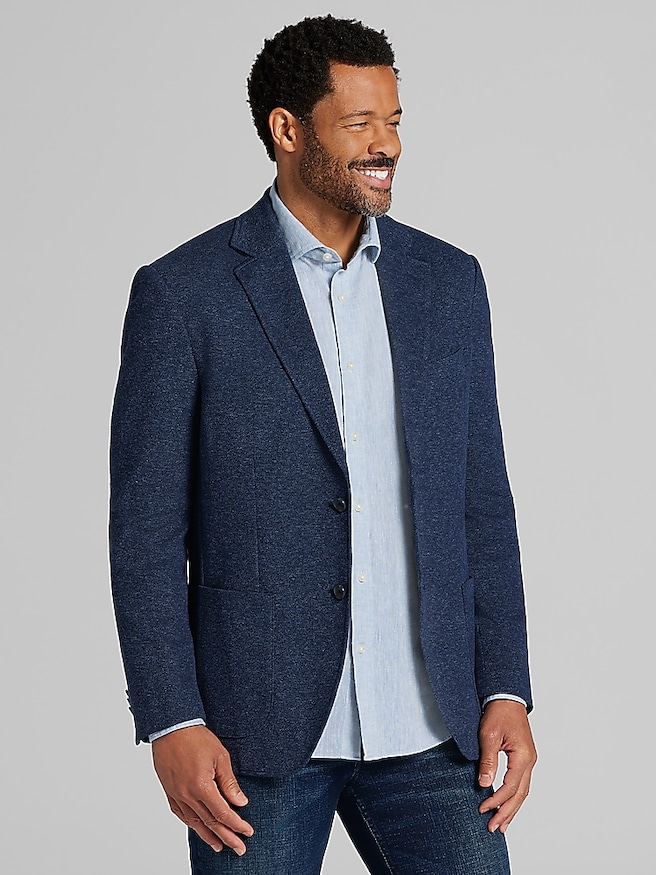
Solid casual jackets are everyday outer layers defined by a single predominant color rather than a printed or woven pattern. That clean surface makes the jacket’s shape, fabric texture, and construction the main points of interest, whether the look is sporty, utility-inspired, or slightly more polished. Common silhouettes include hip-length bombers, straight-cut chore jackets, pocketed field jackets, and streamlined zip-front styles. Each brings a distinct character to casual clothing: a bomber’s ribbed cuffs and hem create a compact outline, while a chore jacket’s patch pockets and button front give it a practical, relaxed feel. Field-inspired designs usually place more emphasis on pocket storage and adjustable details, and a simple stand-collar jacket keeps the overall look understated. Solid colors work especially well in outfits that already include visual detail, such as a striped shirt, textured sweater, or checked button-down. Navy, charcoal, black, olive, and tan provide familiar starting points, but the relationship between the jacket and the rest of the outfit matters more than any single color rule. A dark jacket over a pale shirt creates a crisp contrast; similar shades worn together produce a quieter effect, with fabric texture helping separate the layers. For an office with a relaxed dress code, a smooth, minimally detailed jacket can sit comfortably over a polo and chinos. A cotton utility silhouette feels at home with jeans and a knit shirt for a museum visit, a casual dinner, or an afternoon spent running errands. These jackets occupy the space between an overshirt and tailored outerwear, though their structure and coverage vary by design. They are especially useful for anyone who wants a finished outfit without the formality of a blazer. The absence of pattern also makes a solid casual jacket easy to wear repeatedly with distinct combinations, from dark denim and sneakers to flat-front pants and leather lace-ups.
Materials influence how a casual jacket hangs, feels, and holds up to repeated use. Cotton twill has a visible diagonal weave and often balances a substantial hand with everyday flexibility, while cotton canvas generally offers a firmer feel suited to utility-inspired shapes. Both can develop a softer character with wear, although the fabric’s weight and finishing affect the result. Nylon and polyester fabrics can create a smoother, lighter shell, with performance characteristics depending on the weave, coating, and overall construction rather than the fiber name alone. Stretch blends may make reaching, driving, and sitting more comfortable, particularly in jackets with a closer cut. Leather brings a distinctive surface and can develop creases and patina over time; suede has a softer, napped appearance but calls for more careful handling around spills and abrasive surfaces. Linings matter, too. A smooth lining can help sleeves glide over a woven shirt, while an unlined design exposes more of the interior seams and may feel less structured. Fit should leave enough room for the clothing typically worn underneath without making the jacket look oversized. On styles with conventional set-in sleeves, the shoulder seam generally sits close to the edge of the shoulder; dropped-shoulder designs intentionally extend beyond that point. Sleeves should allow the arms to bend comfortably, and the closed front should lie without pronounced pulling across the chest or back. A quick reach forward often reveals restriction that is less obvious while standing still. Hem length changes the proportions of an outfit: a short bomber emphasizes the waist, while a longer utility jacket provides more coverage through the seat. Ribbed hems draw the fabric inward, whereas straight hems usually fall more freely over the hips. Practical details deserve equal attention. Secure interior pockets can keep small essentials separate, accessible side pockets give the hands a natural resting place, and a zipper that moves smoothly without catching its facing makes daily wear less fussy. Reinforced pocket openings and neat, consistent stitching are useful construction details to notice in areas that experience frequent handling.
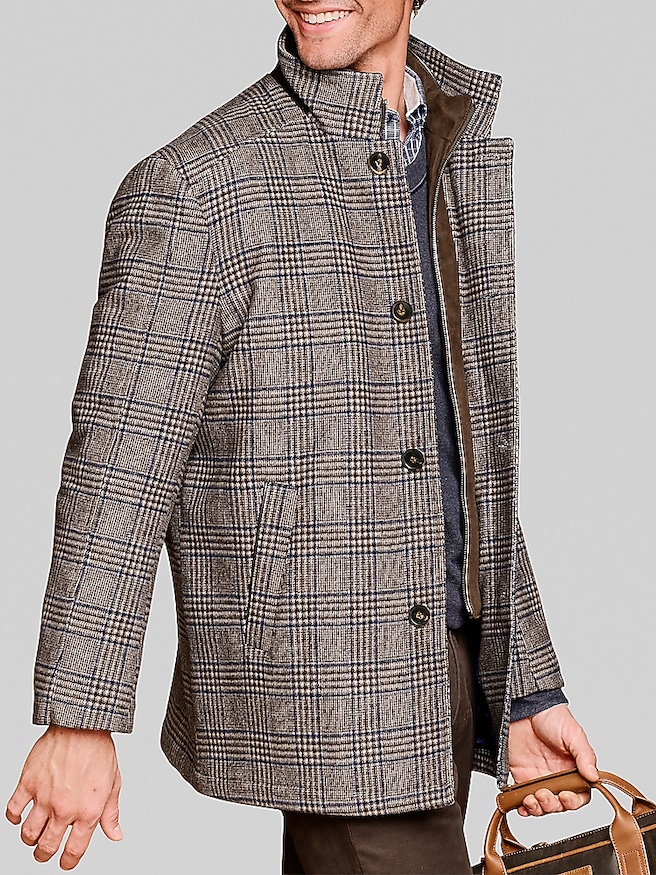
Long-term satisfaction with a solid casual jacket depends on matching its care requirements to daily habits. The care label is the starting point, since shells, linings, trims, and finishes may need different treatment even when two jackets look similar. Machine-washable cotton or synthetic styles may fit easily into an established laundry routine, but recommended water settings, cycle choices, and drying methods still matter. Excessive heat can affect fit, surface finishes, or elastic components, so drying instructions deserve the same attention as washing instructions. Leather and suede generally need material-specific products or professional care rather than ordinary laundering; testing an appropriate treatment in an inconspicuous area can help avoid an unexpected change in appearance. Between cleanings, emptying pockets, brushing away loose surface dust when suitable for the fabric, and giving the jacket space in a closet can help maintain its shape. Structured styles often benefit from a supportive hanger, while softer knit constructions may store better folded if the label recommends it. Small repairs also make a difference. Securing a loose button or addressing an opening seam early can prevent a manageable issue from spreading with repeated wear. Solid fabrics provide a useful backdrop for subtle design features, so preserving the collar shape, pocket edges, and front closure helps keep the whole jacket looking considered. For someone who usually wears patterned shirts, a solid layer offers an uncomplicated balance; for someone with a mostly plain wardrobe, texture can add interest without introducing another motif. Those who enjoy a more visible pattern can also explore Casual Plaid Jackets as another way to bring character to everyday outfits. A solid jacket can make a thoughtful gift for a partner, parent, sibling, or friend when their usual size, preferred silhouette, and care habits are familiar. A favorite jacket already in their closet offers useful clues about sleeve length, pocket preferences, and how closely they like a layer to fit. The most wearable choice is one that suits the recipient’s actual routine, whether that means an easy zip front for frequent driving or a roomier cut for wearing over substantial shirts.