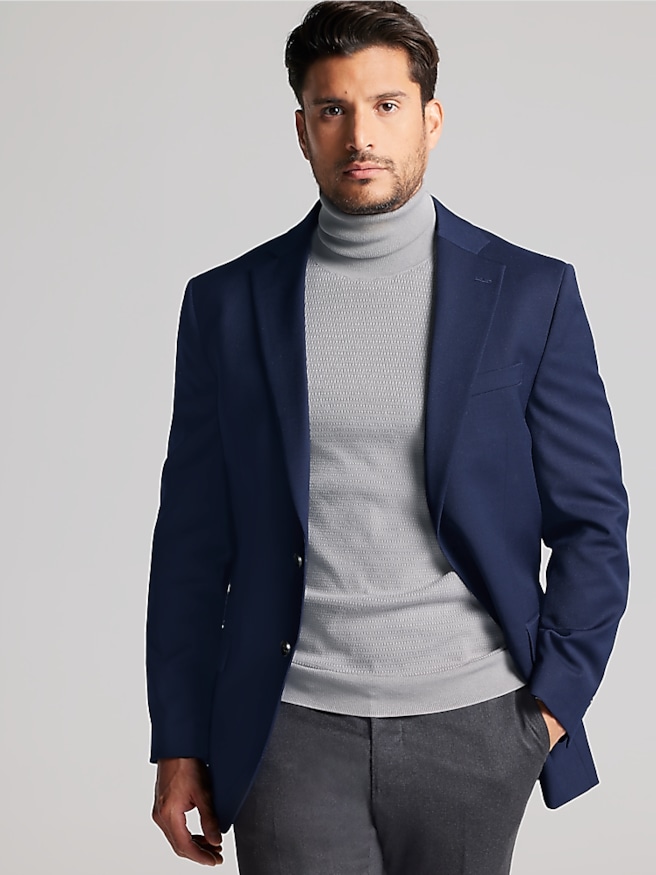
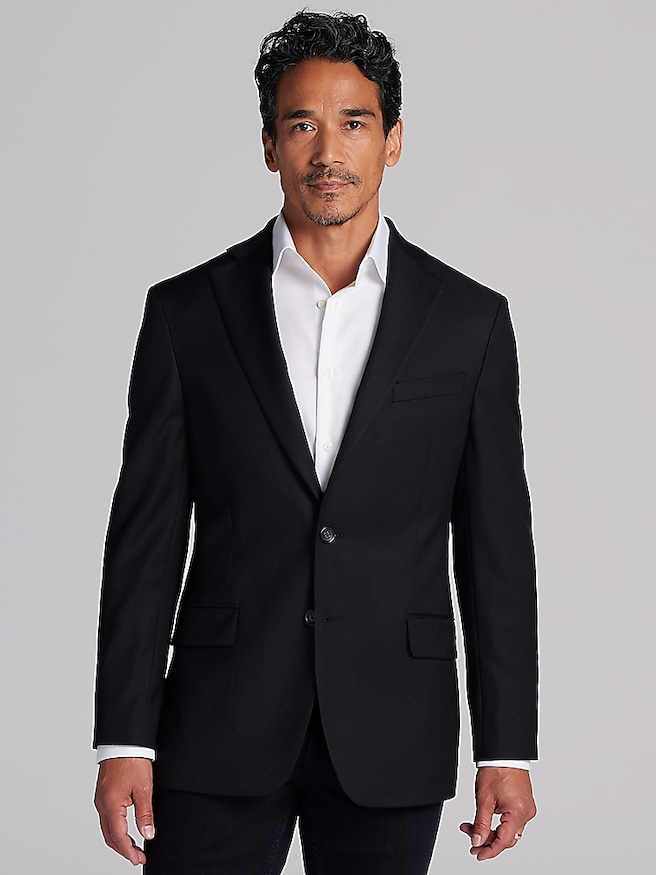
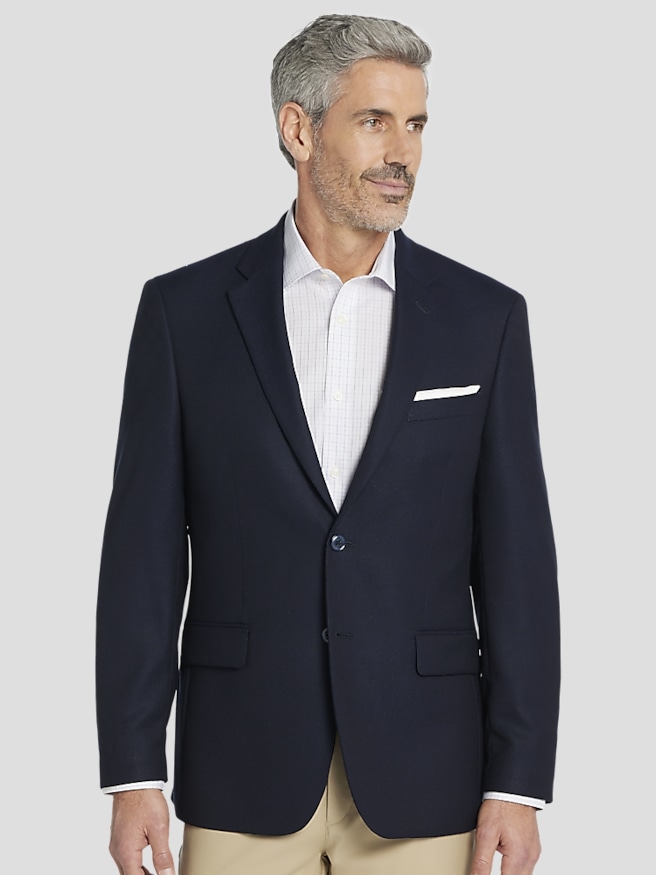
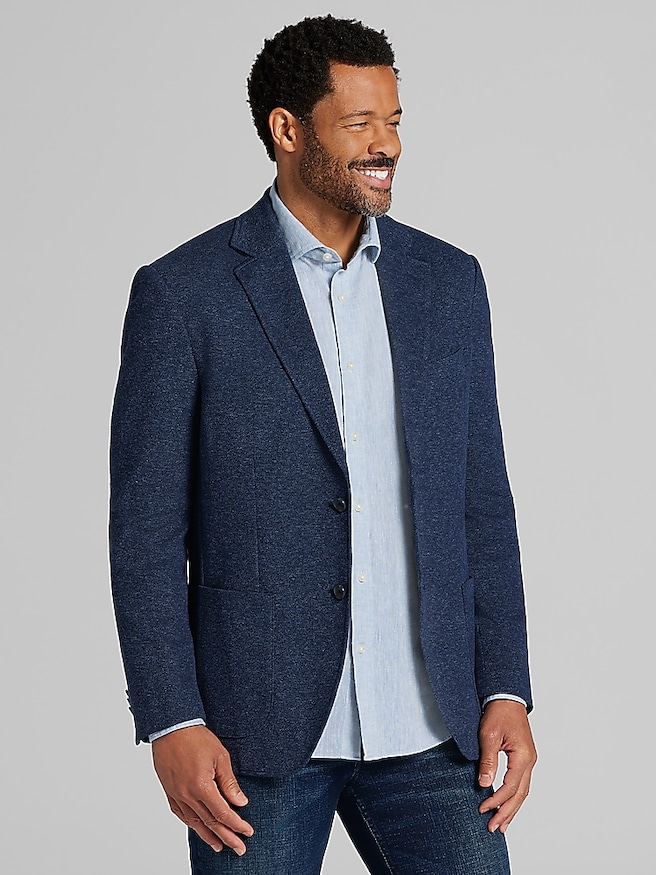
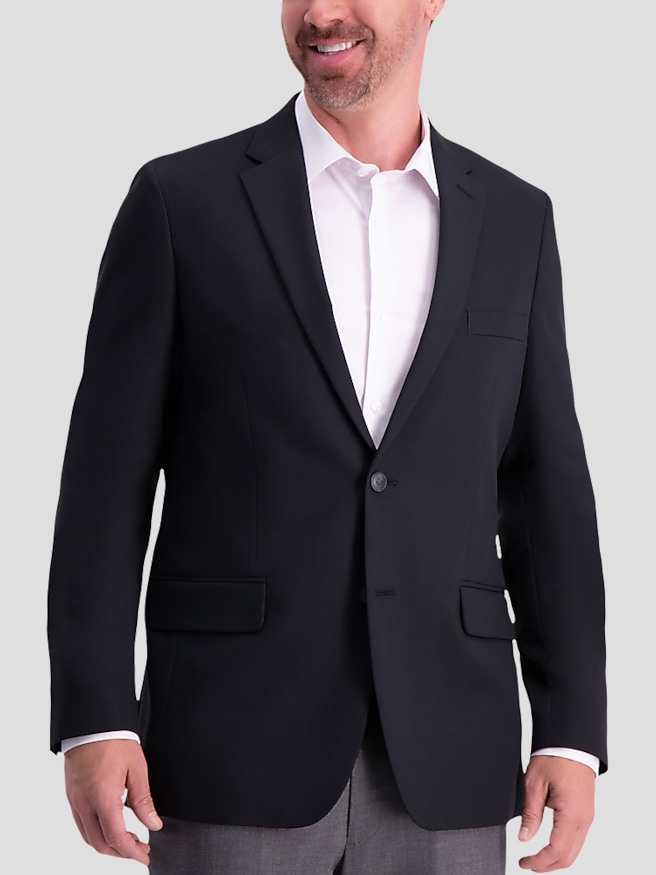
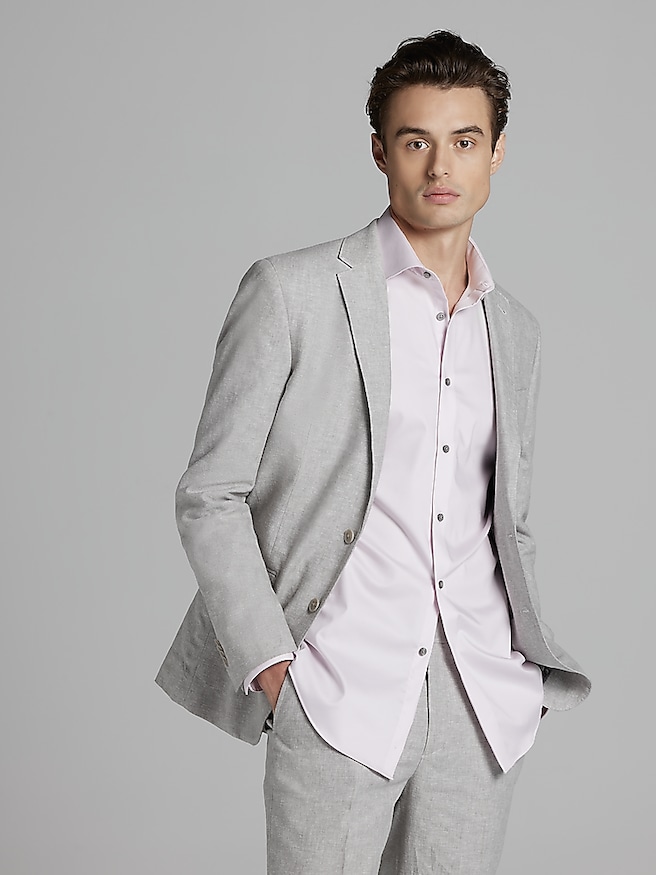
Smart blazers are tailored jackets that bring structure to an outfit without requiring matching suit pants. They sit comfortably between formal business attire and everyday casual clothing, making sense for an office presentation, a dinner reservation, or a gathering where a collared shirt alone feels unfinished. Unlike a suit jacket designed as part of a coordinated set, a blazer is intended to work with separate trousers, chinos, and, in the right setting, dark jeans. Its character comes from the combination of fabric, construction, and finishing details: a softly shaped shoulder feels approachable, while a more defined shoulder creates a stronger business silhouette. Wool is a familiar choice for its drape, resilience, and ability to hold a tailored shape. Wool blends can introduce additional softness, stretch, or resistance to everyday creasing, depending on the fibers and construction. Cotton offers a more matte, casual appearance, while linen contributes visible texture and a naturally relaxed finish that includes some wrinkling. A hopsack weave has an open, basketlike surface; twill shows subtle diagonal lines; and knit fabrics provide a supple feel that differs from traditional woven tailoring. These distinctions matter as much as color because they influence how naturally a jacket works with the rest of a wardrobe. A textured blazer tends to look at home beside chinos or denim, while a smooth, finely woven fabric often reads as dressier. Navy and charcoal provide straightforward foundations, with gray, tan, brown, and olive offering other ways to coordinate familiar shirts and pants. Small checks and understated patterns add interest without making every other part of the outfit compete for attention. The most useful smart blazer is not necessarily the most formal one. It is the jacket whose texture, shape, and level of detail suit the places its wearer actually goes, whether that means a desk, a client lunch, or an evening out.
Fit gives a smart blazer its finished appearance, even when the outfit underneath is simple. The shoulder line should follow the body without extending noticeably beyond it or pressing inward, and the collar should sit close to the shirt collar rather than leaving a visible gap. Across the chest, the jacket should lie smoothly when fastened, without strong pulling lines around the button. Enough room through the upper back and arms makes a difference when reaching for a laptop, driving to an appointment, or sitting through a long meeting. A slim fit generally follows the torso more closely, while a classic fit typically provides additional room; the label alone does not establish how a jacket will sit on a particular build. Sleeve length and overall jacket length also affect proportion. With a dress shirt, a small amount of cuff showing can create a clean finish, while the jacket hem should provide balanced coverage rather than appearing abruptly cropped. Alterations can refine sleeve length or the waist, but a well-matched shoulder is a more dependable starting point than expecting major structural changes. Construction details reinforce that fit. Partial lining can create a lighter feel, while fuller lining gives the inside a smooth surface over shirts and knitwear. Vents help the back move when the wearer sits, and patch pockets suggest a more relaxed character than sleek, understated pocket openings. Notch lapels work across many settings without drawing attention away from the overall outfit. For wardrobes that place particular emphasis on movement, Performance Blazers are a related category to consider, with fabric composition and construction determining the actual stretch, recovery, and care requirements. A jacket that feels comfortable with the arms at rest should also allow ordinary movement without riding up excessively. That balance is especially useful for someone who moves from a commute to a conference room and then to dinner without changing the entire outfit.
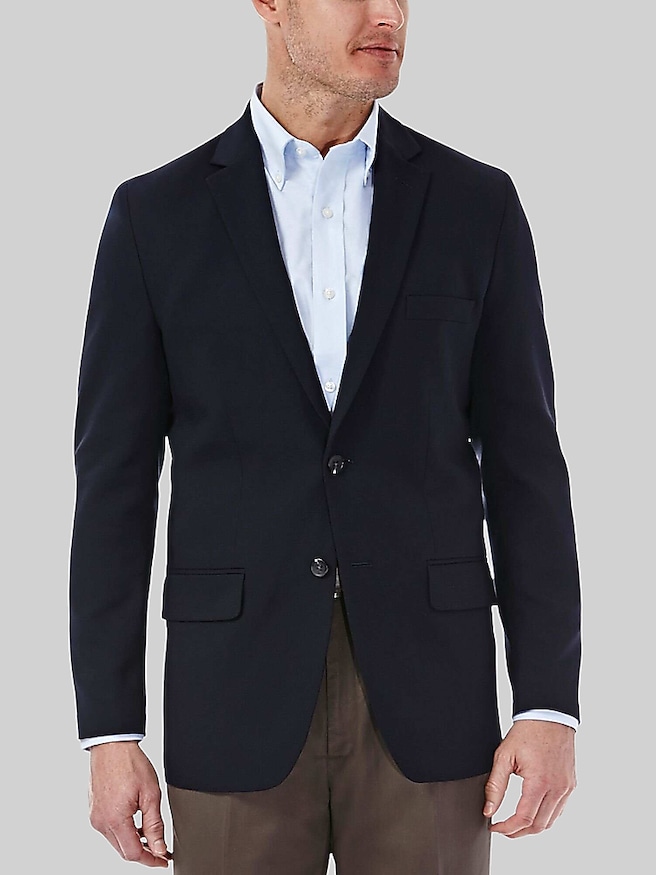
The appeal of smart blazers is how much they can do with clothing already in regular rotation. A navy blazer with a light blue button-down shirt and gray trousers creates a clear business-casual combination; replacing the trousers with chinos and choosing loafers makes the same general formula more relaxed. Dark, evenly finished jeans can work with a textured jacket when the setting allows denim, especially with a tucked-in shirt and clean leather shoes. A fine-gauge sweater or knit polo changes the effect again, adding softness without losing the jacket’s shape. Contrast helps the pieces look intentional: trousers that nearly match the blazer but differ slightly in shade or texture can resemble an incomplete suit, while a clearer distinction usually makes separates easier to read. For a workplace with an established dress code, the jacket’s formality should match that expectation. Wedding guests should follow the invitation, since a blazer and separate trousers are not substitutes for a required suit or tuxedo. Smart blazers can also make thoughtful gifts for a college graduate entering professional life, a partner building a work wardrobe, or a father who appreciates an alternative to a full suit. Accurate measurements and a sense of the recipient’s usual fit are more helpful than guessing from another type of clothing. Long-term usefulness depends on care as well as styling. The care label should determine whether a jacket needs professional cleaning, hand washing, or another specified method; stretch or synthetic content does not automatically make it machine washable. A broad, shaped hanger supports the shoulders, and space in the closet helps prevent crushing. Emptying the pockets before hanging preserves their shape and keeps keys or a phone from weighing down the front. Gentle brushing, when appropriate for the fabric, can remove surface dust between cleanings. Secure buttons, tidy seams, and fabric that recovers after normal movement are practical details worth noticing. With thoughtful care and a fit that remains comfortable throughout the day, a smart blazer can become a dependable part of dressing for work, celebrations, and everyday plans.