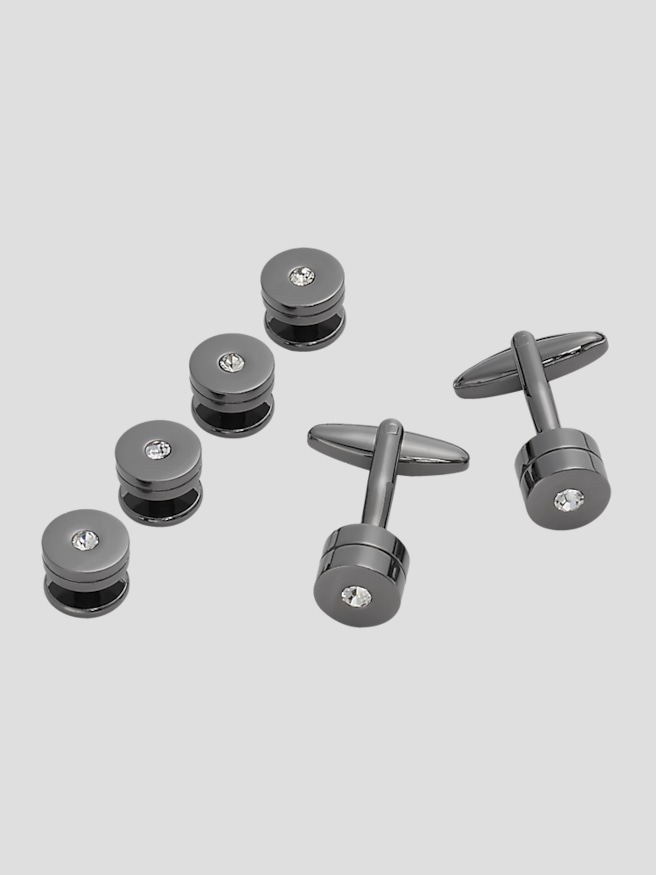
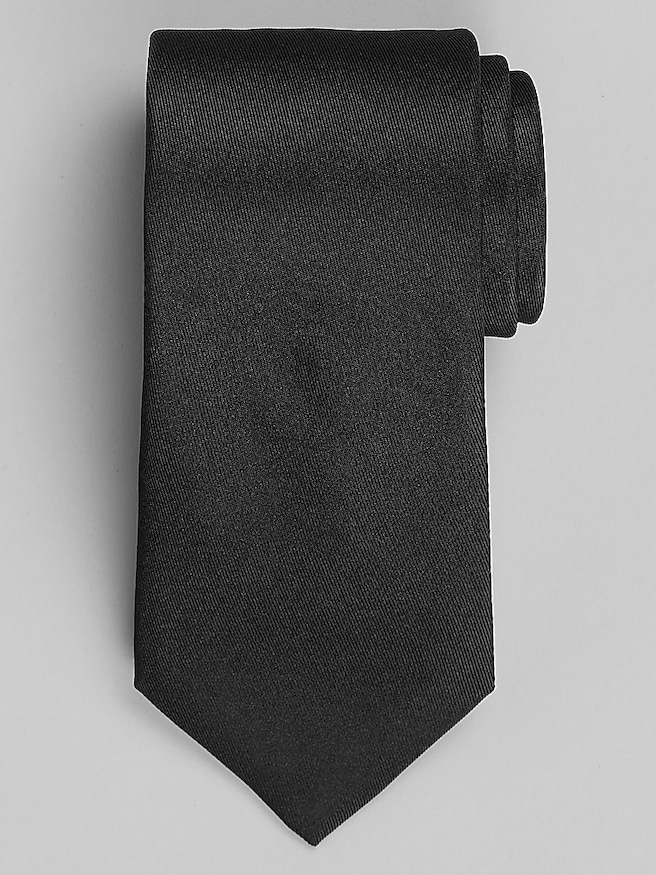
Small luxury gifts for men are compact, thoughtfully made accessories that bring refined materials and useful details into everyday life. Their appeal lies in how they feel, function, and finish an outfit: supple leather that sits comfortably in a jacket pocket, a finely woven fabric with a subtle sheen, or smooth metal that adds a quiet point of interest at the cuff. Small leather goods, fine neckwear, and understated finishing touches can feel personal without requiring a complete understanding of someone’s wardrobe. The strongest choices reflect the recipient’s habits as much as his taste. A man who dresses for client meetings may appreciate restrained colors and clean lines, while someone who enjoys formal occasions might favor richer texture or a more distinctive finish. For a frequent traveler, compact proportions and construction that stands up to repeated handling can matter more than decoration. These gifts suit birthdays, anniversaries, graduations, wedding celebrations, and professional milestones because they acknowledge both an occasion and the person behind it. They can mark a new role, complement a favorite suit, or become part of the familiar routine of getting dressed. Luxury in this setting does not need to announce itself through a prominent motif or an elaborate presentation. Even stitching, balanced proportions, carefully finished edges, and a comfortable feel often make a stronger impression. A muted accent can look especially considered when it echoes something the recipient already wears, such as the warm brown of his leather accessories or the brushed finish of his everyday metal details. For someone with a pared-back wardrobe, a simple shape in a versatile color may be the most natural fit. For a recipient who enjoys expressive dressing, a small pattern or an unexpected texture offers personality without overwhelming the rest of his clothing. The result is a gift with a clear place in his life, whether it accompanies an ordinary workday or a particularly memorable evening.
Materials and construction help distinguish a polished accessory from one that merely looks appealing at first glance. Leather varies in texture, flexibility, and finish, so its suitability depends on the intended use. A smooth surface has a clean, tailored character, while a lightly textured finish can make everyday marks less conspicuous. Natural grain and subtle variations can add character, but neat edges and consistent stitching remain important regardless of appearance. Compact leather accessories should feel substantial without becoming bulky once filled; comfortable pocket placement matters when someone wears trim trousers or a closely fitted jacket. Fabric accessories bring another set of considerations. Silk can provide fluid movement and a gentle luster, cotton often has a crisp, approachable character, and wool can contribute depth through its weave. Fiber content alone does not determine quality: the density of the fabric, precision of the seams, and way the material holds its shape also influence how it wears. A fine pattern may read almost like a solid from across a room, making it useful alongside patterned shirts or textured tailoring. More pronounced designs tend to work best when the surrounding outfit is relatively quiet. For metal accessories, look beyond shine to the smoothness of the edges, the security of moving parts, and the ease of fastening. A polished surface catches light, while a brushed finish usually has a more subdued appearance. Pieces worn against clothing should be free of rough areas that could catch delicate fabric. Fit deserves attention even when a gift seems small or largely size-independent. Neckwear proportions should suit the wearer’s frame and the scale of his jacket, and cuff accessories need to work with the shirt’s cuff construction. Anything worn directly against the skin also calls for attention to material composition, particularly when the recipient has known sensitivities. These practical details help a handsome gift become something he reaches for rather than something that remains tucked away.
Long-term enjoyment depends on care that suits both the material and the recipient’s routine. Leather generally benefits from being kept away from prolonged moisture and direct heat, with any conditioning or cleaning treatment matched to the maker’s recommendations. A soft cloth can remove everyday surface dust, while overfilling compact leather goods can strain seams and distort their shape. Fabric accessories need care appropriate to their fiber content and construction; a delicate woven surface should not be treated like a washable everyday shirt. Following the care label, addressing marks promptly, and avoiding unnecessary friction help preserve texture and finish. Neckwear also benefits from being unknotted gently after use rather than pulled loose and left under tension. Metal details are best stored where they will not rub against other hard surfaces, and cleaning methods should suit the finish rather than rely on a single treatment for every material. Separate compartments or a soft pouch can make a useful difference when an accessory travels in a bag. Ease of care is part of gift suitability, especially for someone whose mornings are hurried or whose work involves regular travel. A piece that looks right but demands more attention than he wants to give may see little use. Personal relevance matters just as much: familiar colors, a comfortable scale, and details that work with his existing clothing help a gift settle naturally into his wardrobe. For a partner, that might mean noticing the finishes he wears most often. For a friend, relative, or colleague, restrained styling can offer flexibility without feeling impersonal. For more understated gifting inspiration, explore Affordable Luxury Gifts for Men. The enduring appeal of a small luxury gift comes from the combination of tactile quality and genuine usefulness. It is the smooth edge felt when reaching into a pocket, the fabric that falls neatly into place, or the discreet finishing detail that makes a familiar outfit feel complete.