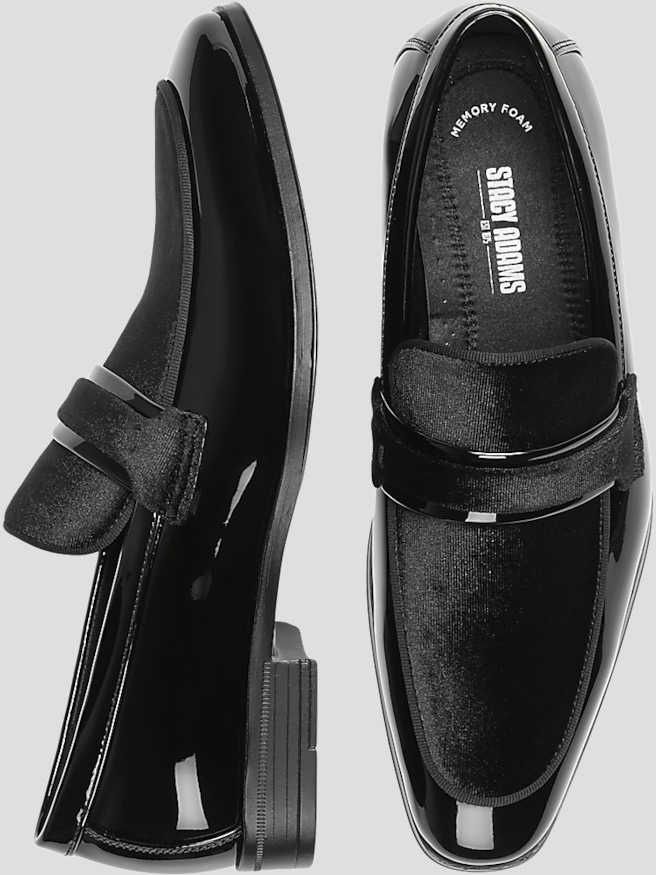
Slip-on loafers bring a clean, finished look to everyday dressing without the structure of lace-up shoes. Their low profile and open instep make them easy to recognize, while details across the upper give each style its own character. A penny-style strap adds a restrained accent, tassels introduce a little movement, and metal hardware creates a more noticeable focal point. A plain vamp keeps the silhouette especially simple, letting the shape and material do most of the work. These distinctions matter when building an outfit: a sleek leather loafer can complement tailored trousers and a sport coat, while a softer suede shape feels at home with chinos, a knit polo, or dark denim. Black generally creates a sharper contrast and suits more polished combinations; brown offers a broad range of pairing possibilities, from navy trousers to lighter neutral fabrics. Burgundy can add depth without overpowering the rest of an outfit. The proportions deserve attention, too. A gently tapered toe looks refined beneath a narrow trouser opening, while a rounder toe can balance straighter pants and more relaxed tailoring. Trousers with a clean hem help keep the shoe visible rather than burying its details beneath excess fabric. For an office presentation, a dinner reservation, or a wedding with a dress code that permits loafers, smooth uppers and understated accents keep the overall impression composed. More casual settings leave room for textured materials and flexible constructions. Loafers are not automatically interchangeable with footwear required for highly formal dress, so the occasion still sets the standard. Their appeal lies in that useful space between relaxed and dressed up: they can make a simple shirt-and-trouser combination feel intentional without drawing attention away from the person wearing it. For someone who moves from a desk to a client meeting and then to dinner, that versatility can make slip-on loafers a practical part of a well-considered wardrobe. Even small choices, such as matching the visual weight of the sole to the cut of the pants, help the outfit feel balanced.
Material and construction influence how slip-on loafers look, feel, and hold up over repeated wear. Smooth leather can develop creases and character while maintaining a polished surface with appropriate care. Suede offers a softer, more textured appearance, though its nap needs a different approach to cleaning. Neither material tells the whole story on its own: the lining, stitching, sole attachment, and structure around the heel also affect the wearing experience. A leather lining may feel smooth against the foot, while cushioning under the heel and forefoot can soften contact with firm floors. Rubber soles often provide flexibility and traction, depending on their tread and compound; leather soles tend to create a more traditional profile and can feel firmer underfoot. A slim sole preserves a dressier outline, whereas a thicker sole adds visual weight and may suit more casual outfits. Fit is particularly important because loafers have no laces to adjust across the instep. The upper should hold the foot securely without pressing hard across its highest point, and the toes need room to rest naturally rather than curl or crowd together. A little movement at the heel can occur with some constructions, but repeated lifting or slipping while walking suggests that the fit needs closer attention. Leather may soften with wear, yet a painful pinch or cramped toe box should not be treated as something that will inevitably disappear. Trying loafers with the socks intended for regular use gives a more useful sense of fit than testing them with an unusually thick or thin pair. Dress socks work well with tailored clothing, while low-cut socks can create a bare-ankle appearance without leaving the foot directly against the lining. For commutes, long meetings, or occasions with extended standing, secure heel placement and comfortable forefoot support matter more than an appealing shape alone. Flexibility should allow a natural stride while still giving the foot a stable base. The best fit feels dependable from the first steps, with no need to grip the shoe with the toes to keep it in place.
Thoughtful care helps preserve both the appearance and the useful life of slip-on loafers. Dust and grit can settle into seams and rub against the surface, so regular gentle cleaning makes a difference even when shoes do not look especially dirty. Smooth leather generally benefits from a soft cloth and a suitable conditioner used according to the material’s care instructions; polish can refresh color and finish when appropriate. Suede needs a dedicated brush to lift the nap, and any cleaning or protective treatment should be suitable for that material and tested discreetly first. Excess product can change a finish, so more is not necessarily better. Shoe trees can help support the shape between wears, while allowing shoes time to air out helps manage moisture from everyday use. A shoehorn reduces the pressure placed on the back of the shoe when slipping it on, protecting a part of the construction that otherwise takes repeated bending. Signs of wear at the heel, sole edges, or stitching are worth noticing early; depending on the construction, a professional repair may extend the life of a well-loved pair. These practical details are especially relevant for someone who reaches for loafers several times a week, whether for office days, social plans, or travel that calls for presentable footwear. Easy on-and-off wear is convenient, but comfort over distance still depends on fit and support rather than the absence of laces. For a wider view of similar silhouettes, Stylish Slip On Shoes offers another way to consider how this footwear category fits into everyday dressing. Loafers can also make a thoughtful gift for someone who enjoys tailored clothing or wants a polished alternative to sneakers. Familiarity with the recipient’s size, preferred width, and usual sock choice helps, though sizing can vary across constructions. A recipient who favors subtle details may appreciate a clean vamp, while someone who regularly wears expressive accessories may lean toward tassels or hardware. The most useful choice reflects an established routine and personal style, with enough versatility to earn repeat wear.